














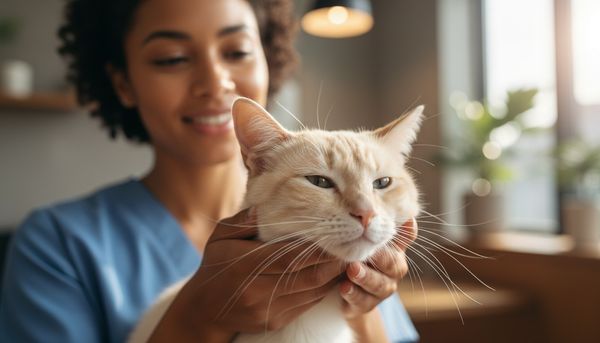
Finding a vet in South Africa often involves checking for proximity and price, but the most critical factor for your pet's long-term health is low-stress veterinary handling. Modern veterinary science has shifted away from 'muscling through' exams towards protocols that prioritise an animal's emotional well-being. This approach, often referred to as Fear-Free or low-stress handling, ensures that your pet does not develop a lifelong phobia of the clinic. When a dog or cat is terrified, their physiological markers—like heart rate and blood glucose—spike, which can actually mask underlying medical issues or lead to misdiagnosis. By choosing a practitioner who uses low-stress veterinary handling, you are investing in more accurate medical data and a pet that remains cooperative as they age.
The Sensory Experience of a Low-Stress Waiting Room
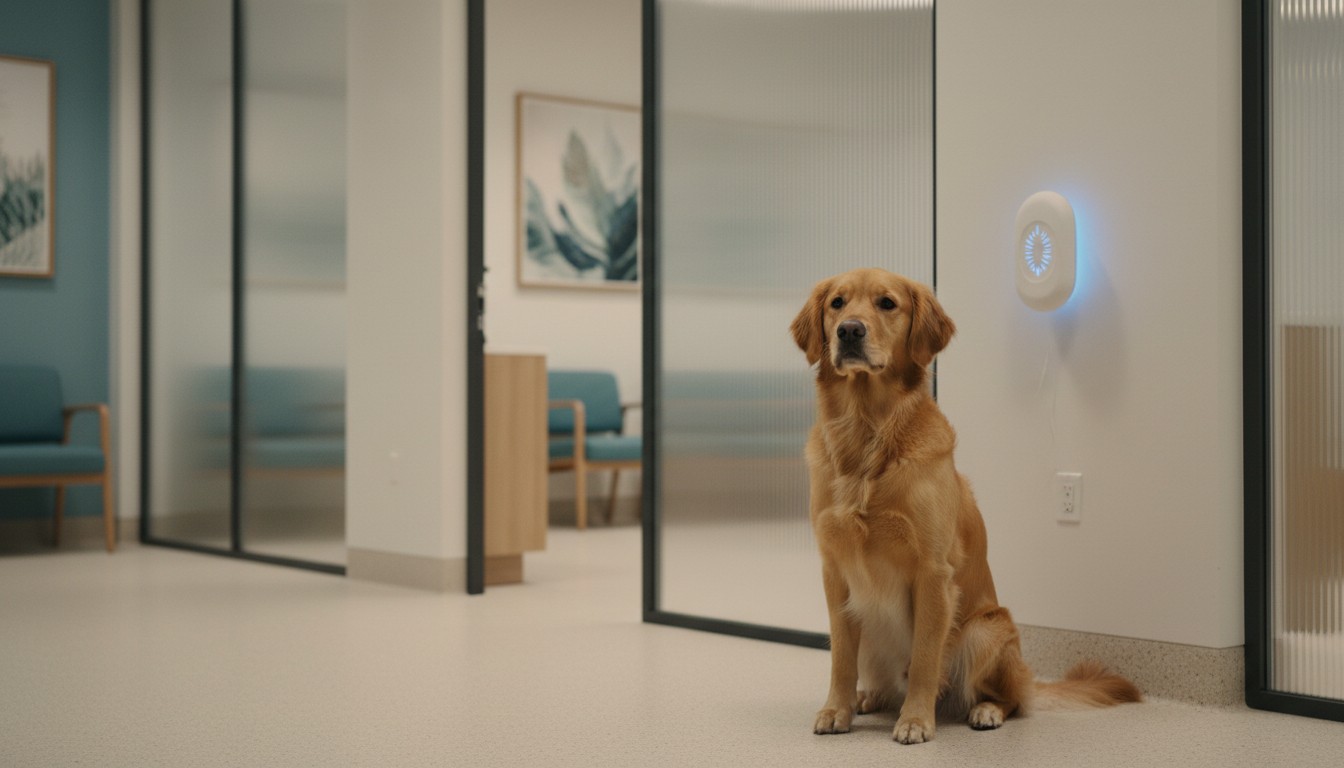
A low-stress experience begins the moment you step into the surgery. In many traditional South African practices, a cramped waiting room filled with barking dogs and stressed cats creates a 'trigger stacking' effect before the pet even sees the vet. A clinic committed to low-stress veterinary handling will actively manage these sensory inputs. Look for separate waiting areas for cats and dogs, or at least visual barriers like high-backed seating or shelving that prevents direct eye contact between animals.
Olfactory cues are equally important. You should not smell the sharp scent of bleach alone; instead, you might notice the subtle aroma of synthetic pheromones. Products like Feliway for cats or Adaptil for dogs are frequently used in modern clinics to signal safety. Additionally, the acoustics matter. A low-stress environment avoids loud intercoms or shouting across the reception area. Instead, the staff should speak in calm, low tones to maintain a tranquil atmosphere. If the waiting area is particularly busy, a low-stress clinic might even suggest you wait in your car with your pet until they are ready to see you, texting you when the room is clear to avoid unnecessary confrontation with other animals.
Positive Reinforcement and High-Value Rewards
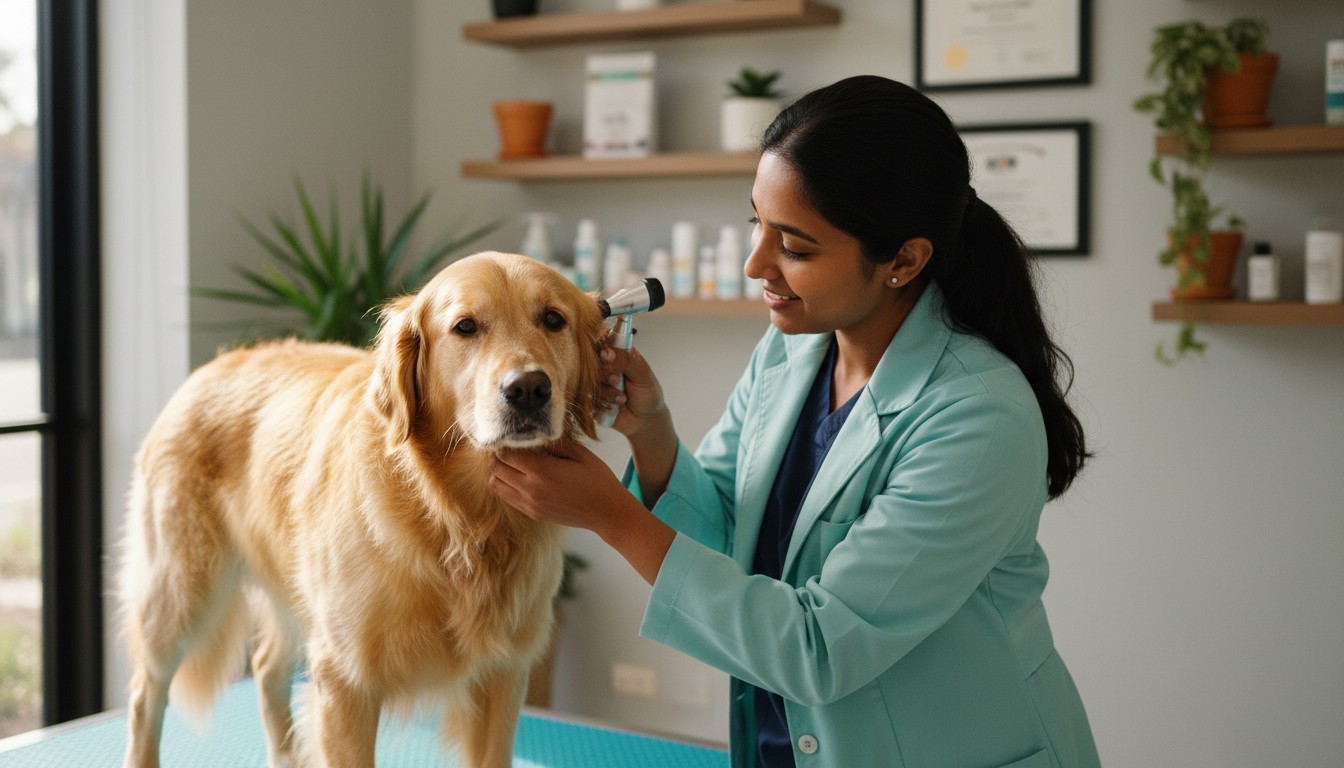
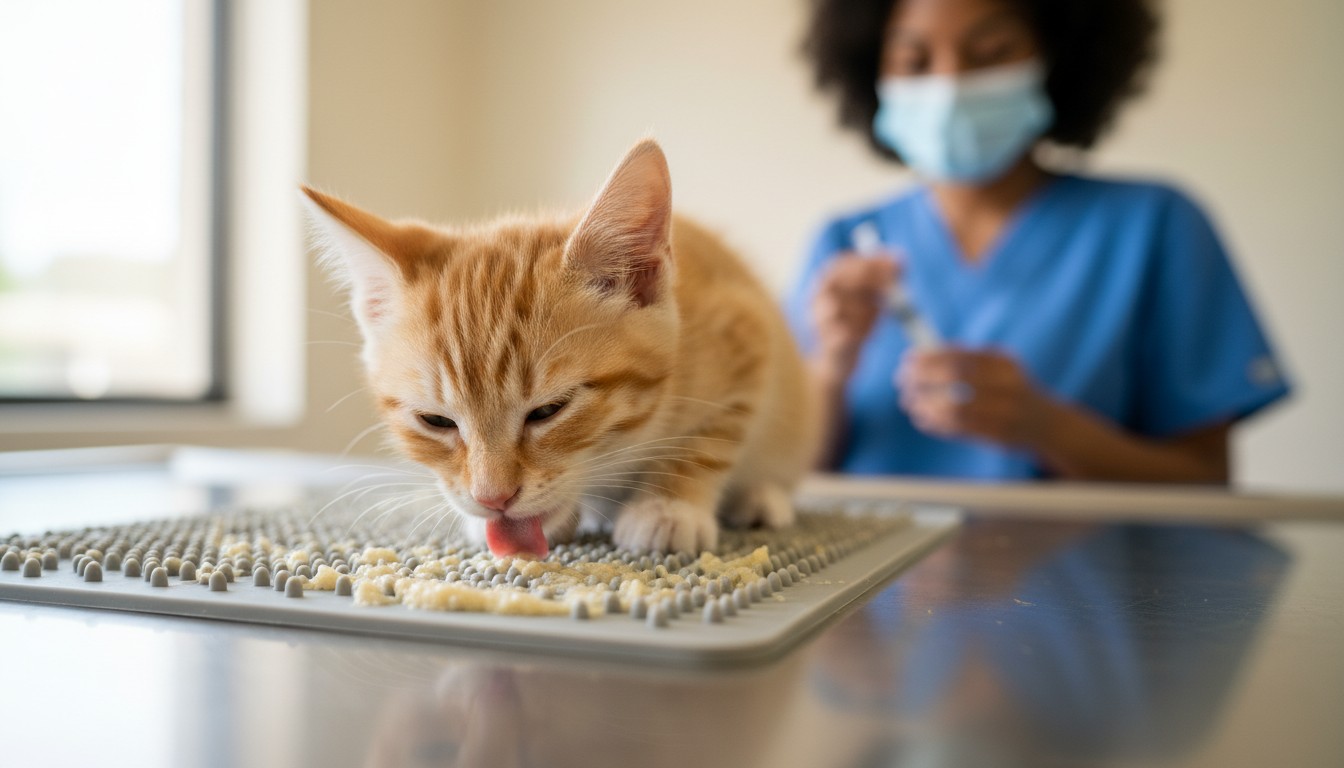
One of the most visible indicators of a modern protocol is the use of 'distraction therapy' through food. In the past, vets might have asked owners not to feed their pets before a visit. Today, many low-stress practitioners encourage you to bring your pet in slightly hungry so that treats become more enticing. During the exam, the vet or a nurse should be actively offering rewards to create a positive association with being touched and handled.
In South Africa, this might involve using unseasoned biltong shavings, plain yoghurt, or xylitol-free peanut butter. If your vet pulls out a 'lick mat' or offers treats before they even touch your pet, they are using science-based counter-conditioning. The goal is to keep the pet's brain focused on the reward rather than the needle or the thermometer. This isn't just 'spoiling' the pet; it is a clinical tool used to reduce cortisol levels. If your pet is too stressed to eat, a low-stress vet will recognise this as a sign of high distress and may suggest pausing the exam rather than forcing the animal to endure it while in a state of shut-down.
Physical Handling and Minimal Restraint Techniques
The way a vet physically interacts with your pet is the 'make or break' moment of the visit. Traditional methods often involved 'scruffing' cats or 'stretching' dogs out on their sides. Low-stress veterinary handling protocols advocate for 'less is more.' This means using the minimum amount of restraint necessary to keep the pet and staff safe. You might see the vet performing the exam while the pet stays in their carrier (with the top removed) or allowing a dog to remain on the floor rather than lifting them onto a slippery, cold metal table.
Watch for 'touch transparency'—the vet should maintain contact with the pet's body as they move from one area to another so the animal isn't startled by sudden touches. If a pet begins to struggle, a low-stress practitioner will stop, reposition, and try a different approach rather than calling for more staff to 'pin the pet down.' They use towels for 'burrito' wraps in cats to make them feel secure, rather than using heavy gloves or nets. This cooperative care approach treats the pet as a participant in their own health, which significantly reduces the risk of 'vet aggression' in future visits.
Recognizing Professional Certifications and Standards
While many vets claim to be 'good with animals,' specific certifications provide a benchmark for their training. In South Africa, you can look for practitioners who have completed 'Fear Free' or 'Low Stress Handling' (LSH) certifications. These programmes require rigorous training for the entire staff, from the receptionists to the surgeons. Even if the clinic does not have a formal international plaque, you can ask if they follow the South African Veterinary Council (SAVC) guidelines regarding animal welfare and behavioural health.
When screening a new practice, ask specific questions: 'How do you handle a dog that is terrified of the scale?' or 'What is your protocol for a cat that won't come out of the crate?' A low-stress clinic will have a ready answer that involves patience, pheromones, and perhaps pre-visit pharmaceuticals. They will also be transparent about their 'stop point.' A stop point is a pre-determined level of stress at which the vet will cease the procedure to prevent psychological trauma. If a vet tells you, 'We don't force animals here; if they are too stressed, we reschedule with a better plan,' you have found a high-quality, modern practice.

Troubleshooting: What to Do When a Visit Goes Wrong
Not every vet visit will be perfect, even with the best protocols. Sometimes a pet's pain level or a previous trauma makes low-stress handling difficult. If you find yourself in a situation where the handling feels too rough or your pet is screaming in terror, you have the right to intervene. Politely but firmly ask the vet to stop. You might say, 'I can see my pet is reaching their limit; can we try a different approach or reschedule with some sedative support?'
Signs you should adjust your approach include your pet trembling, hiding, refusing treats they usually love, or showing the 'whites' of their eyes (whale eye). If a clinic dismisses your concerns or insists on 'just getting it over with' through force, it is a sign that their protocols are outdated. In such cases, it may be time to seek a second opinion from a clinic that specialises in behavioural health. Remember, one traumatic experience can take years of counter-conditioning to fix. Advocating for your pet in the moment is the best way to prevent long-term damage to their relationship with medical care.

The Role of Pre-Visit Pharmaceuticals and Sedation
A common misconception is that using drugs for a vet visit is 'cheating' or 'lazy.' In reality, using pre-visit pharmaceuticals (PVPs) is a cornerstone of low-stress veterinary handling. For many pets in South Africa, the car ride itself is a major stressor. Vets may prescribe mild anxiolytics to be given at home a few hours before the appointment. This doesn't knock the pet out; it simply lowers their anxiety enough so that the low-stress techniques in the clinic can actually work.
In cases where a pet needs a painful procedure or is extremely fearful, full sedation is often the kindest choice. Modern sedation is very safe and allows the vet to perform a thorough exam without the pet ever knowing it happened. This prevents the 'white coat syndrome' from worsening. Discuss the costs (typically in the range of R400 to R1200 depending on the pet's size and the drugs used) and the benefits with your vet. If they proactively suggest medication for a fearful pet rather than 'toughing it out,' they are following a high-standard, low-stress protocol that values the animal's mental state as much as their physical health.
FAQ
What is the difference between Fear-Free and standard vet care?
Standard care focuses purely on the physical task, often using force to complete an exam quickly. Fear-Free care prioritises the animal's emotional state, using treats, pheromones, and minimal restraint to ensure the pet remains calm and cooperative.
Does low-stress handling cost more in South Africa?
While the consultation fee is usually the same (around R500–R850), you might pay extra for specific 'happy visits' or pre-visit medications. However, it saves money long-term by preventing the need for heavy physical restraint or treating stress-related injuries.
Can any vet practice become low-stress certified?
Yes, any registered SAVC practitioner can undergo training through international bodies like Fear Free Pets or Low Stress Handling. It requires a commitment to changing the physical environment and the staff's handling techniques.
How do I know if my cat needs a low-stress vet?
If your cat hisses, hides, or becomes aggressive at the clinic, they are a prime candidate. Cats are particularly sensitive to sensory inputs, and a low-stress vet will use techniques like 'feline-only' hours or pheromone-infused towels to help them cope.
Conclusion
Adopting low-stress veterinary handling protocols is not just a trend; it is the new gold standard for animal welfare. By screening your South African vet for these techniques, you ensure that your pet's medical needs are met without compromising their mental health. Look for clinics that value treats, calm environments, and minimal restraint. If your current vet doesn't meet these standards, don't be afraid to have a conversation about your expectations or move to a practice that aligns with modern, science-based care. For complex behavioral issues or extreme vet phobia, consider consulting a certified veterinary behaviorist to create a specialized desensitization plan. Your pet relies on you to be their voice—choose a vet who listens to them.
References & Sources
This article was researched using the following sources:


