














Most South African pet owners are familiar with the standard advice: transition your dog to a new food over seven days by mixing 25%, 50%, and then 75% of the new kibble. However, for many pets, this clinical timeline simply doesn't align with their biological reality. When your dog hits the '50% mark' and suddenly develops loose stools or refuses the bowl, the standard advice often falls short. Effectively troubleshooting stalled food transitions requires a deeper understanding of the canine microbiome and a willingness to move beyond rigid schedules. Whether you are switching from a local brand like Montego to a premium vet-prescribed diet or trying a grain-free alternative, the transition process is rarely linear. In this guide, we explore why these stalls happen and provide a concrete protocol to get your pet’s digestive health back on track without starting from scratch.
The Biological Reality: Why the 7-Day Rule Often Fails
The seven-day transition rule is less of a biological requirement and more of a convenient guideline designed to encourage compliance. In reality, the canine gut microbiome—the complex ecosystem of bacteria, fungi, and viruses living in the digestive tract—can take weeks, not days, to fully adapt to new protein structures and fibre levels. When you introduce a new food, you aren't just changing flavours; you are asking the body to produce different enzymes and cultivate different bacterial colonies to break down the new ingredients.
In South Africa, where many working dogs or high-energy breeds are common, the stress of environmental factors like heat or high activity can further complicate this internal adjustment. If the new food has a significantly higher fat content or a different carbohydrate source (such as moving from maize-based to sweet potato), the 'osmotic load' in the gut can change rapidly. This often results in what vets call 'osmotic diarrhoea,' where the gut pulls in extra water to deal with undigested nutrients. Understanding that your pet's internal chemistry is undergoing a massive shift helps reframe a 'stalled' transition not as a failure, but as a biological bottleneck that requires a more nuanced approach than just pushing through.
Hitting the '50% Wall': Managing Mid-Transition Digestive Upset
The '50% wall' is a common phenomenon where a pet handles the 25% mix perfectly but develops soft stools or gas once the ratio reaches an even split. This is often the point where the concentration of new ingredients reaches a 'critical mass' that the current gut flora cannot manage. In South Africa, pet owners might notice this specifically when moving between brands found at local retailers like Absolute Pets or Woolworths, as the nutrient profiles can vary significantly despite similar labelling.
When you hit this wall, the worst thing you can do is continue increasing the new food. This can lead to chronic inflammation and may eventually cause your pet to develop a 'taste aversion,' where they associate the new food with physical discomfort and refuse to eat it altogether. Instead of pushing forward, you should immediately hold the current ratio. If the stool quality doesn't improve within 48 hours, it is time to implement a temporary dietary pause. This might include adding a spoonful of plain, unsweetened pumpkin purée or a South African-specific probiotic like Diomec or Pro-Kolin, which helps bind the stool and introduces beneficial bacteria to support the transition.

The Reset Protocol: Stepping Back to Move Forward
If troubleshooting stalled food transitions reveals a total digestive breakdown—characterised by watery diarrhoea or multiple accidents in the house—a 'reset' is necessary. The Reset Protocol involves moving back to a 100% 'safe' diet for 3 to 5 days. This safe diet is typically the old food that the pet was previously stable on. If the old food is no longer available, a bland diet of boiled chicken and white rice (standard in SA veterinary advice) can be used to settle the gastric mucosa.
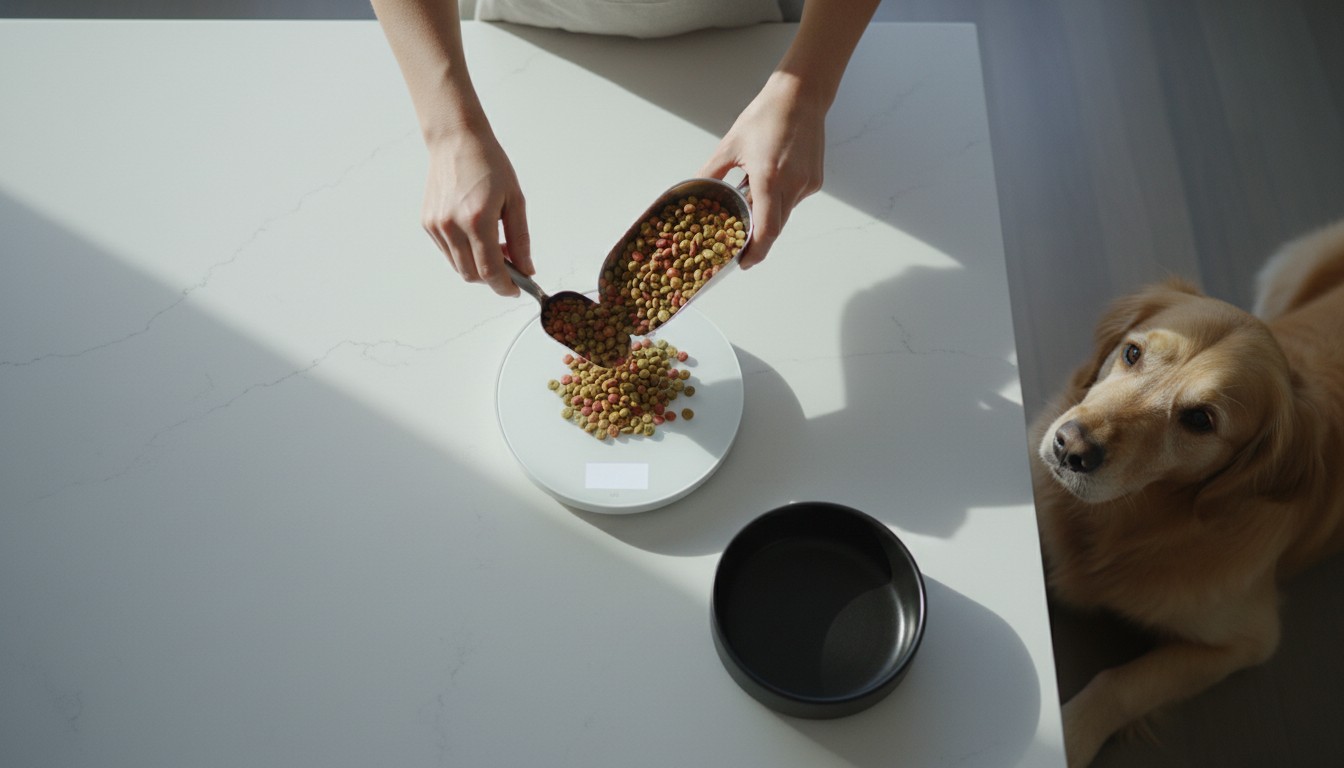
Once the stools have returned to a normal 'Grade 2' consistency (firm and easy to pick up), you do not go back to the 50% mark. Instead, you restart the transition at a micro-level. Start with just 10% of the new food and 90% of the safe diet. Stay at this 10% level for three full days before moving to 20%. This 'slow-track' method may take three weeks to complete, but it avoids the cycle of inflammation and recovery that often plagues sensitive dogs. During this period, avoid giving any new treats or table scraps, as these 'extra variables' make it impossible to tell if the transition is failing or if the South African 'braai' leftovers from the weekend are the true culprit.
Ingredient Incompatibility vs. Simple Adjustment Issues
A critical part of troubleshooting is determining if your pet is simply taking a long time to adjust or if the new food is fundamentally incompatible with their system. True food allergies are relatively rare, but food intolerances are common. In South Africa, common triggers include specific protein sources like beef or dairy, or even certain preservatives used in lower-quality kibbles. If your pet exhibits symptoms beyond the gut—such as itchy paws, red ears, or a dull coat—you are likely dealing with an ingredient incompatibility rather than a transition stall.
To distinguish between the two, look at the timeline. An adjustment issue should show gradual improvement as you slow down the transition. An incompatibility will persist or worsen regardless of how slowly you go. If you find that every time you reach 30% or 40% of the new food, the pet consistently develops a skin rash or intense flatulence, the ingredient profile (e.g., high ash content or a specific legume filler) may be the issue. In these cases, switching to a 'Limited Ingredient Diet' or a 'Novel Protein' diet (like venison or ostrich, which are readily available in premium South African pet food ranges) is often the more humane and effective choice.

South African Solutions: Local Supplements and Vet Guidance
South African pet owners have access to excellent local resources to assist with difficult transitions. When troubleshooting, consider the role of local environmental stressors. Our hot summers can lead to faster spoilage of opened bags of food; ensure you are storing kibble in airtight containers to prevent the development of moulds that can irritate the gut. Additionally, the prevalence of certain parasites in South Africa, like Giardia or hookworms, can mimic transition issues. If a transition stalls indefinitely, it’s worth performing a quick faecal float test at your local vet to rule out underlying infections.
For nutritional support, look for South African brands that offer 'sensitive' lines or local prebiotic additives. Products containing Montmorillonite clay or medicinal charcoal can be useful for absorbing toxins during a messy transition. Always remember that the South African Veterinary Association (SAVA) recommends professional consultation if your pet shows signs of dehydration, such as dry gums or a loss of skin elasticity. While R500 for a vet visit might seem steep compared to a bag of food, catching a malabsorption issue early can save thousands in long-term gastrointestinal treatments. Be sure to mention the specific brand you are switching to, as your vet will likely know the 'typical' reactions pets have to that specific formulation.
FAQ
My dog has had soft stools for four days at the 50% mark. Should I stop?
Not necessarily. Do not increase the new food, but don't quit yet. Reduce the new food to 25%, add a pet-specific probiotic, and wait for the stools to firm up. If they don't improve in another 48 hours, then perform a full reset to the old food.
Can I use human probiotics like Rehidrat or yoghurt to help the transition?
While Rehidrat is excellent for South African pets suffering from dehydration, human yoghurt is often not ideal because many dogs are lactose intolerant. It is much safer to use a veterinary-strength probiotic like Pro-Kolin or Diomec, which are formulated specifically for canine gut flora.
How do I know if the new food is actually 'bad' for my dog?
If you have followed a slow 3-week transition and your dog still has chronic gas, lethargy, or skin issues, the food's ingredient profile is likely the problem. Look for a different protein source or a 'sensitive stomach' formula available at your local vet or pet store.

Conclusion
Troubleshooting stalled food transitions is a test of patience that requires moving away from the 'one-size-fits-all' 7-day rule. By understanding the complexity of the canine microbiome and being prepared to use the Reset Protocol, you can navigate even the most sensitive digestive systems. Always prioritise stool quality over the calendar. If your pet's transition remains stalled for more than two weeks despite your best efforts, or if they show signs of lethargy, vomiting, or dehydration, consult your South African veterinarian immediately. A healthy gut is the foundation of your pet's long-term wellbeing, and taking the time to get the transition right now will pay dividends in their health and vitality for years to come.
References & Sources
This article was researched using the following sources:

