















Living in a bustling South African city like Cape Town or Johannesburg means your dog is constantly exposed to a variety of high-stimulus environments, from the windy Sea Point Promenade to the weekend chaos of a local farmers' market. For years, pet owners were told that socialising a puppy meant letting them greet every person and dog they encountered. However, modern training methodology suggests that this 'social butterfly' approach is actually a recipe for future anxiety and leash reactivity. Instead, we should focus on socialisation as neutrality. This means teaching your puppy that the presence of other dogs, joggers, or cyclists is a background element that doesn't require a direct response. By fostering neutrality, you ensure your dog remains calm and focused on you, regardless of what is happening in the environment, leading to a much more relaxed and enjoyable life for both of you.
Moving Beyond the 'Social Butterfly' Myth
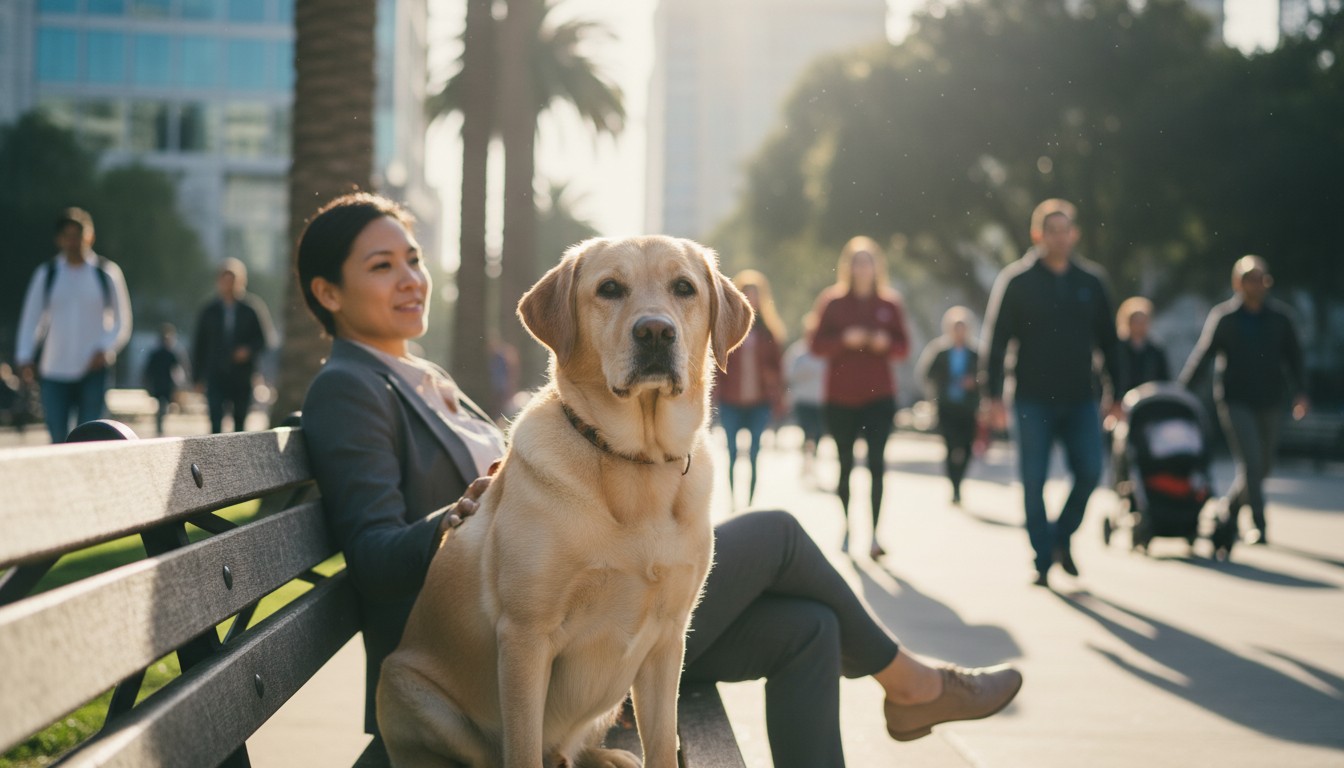
In many South African suburbs, it is common to see well-meaning owners allowing their puppies to rush up to every passerby or fellow dog walker. This 'social butterfly' approach stems from a misunderstanding of what a social dog actually looks like. While we want our dogs to be comfortable around others, the goal should not be forced interaction. When we force a puppy to meet everyone, we inadvertently teach them that the entire world is their playground, which leads to over-arousal.
True socialisation as neutrality focuses on exposure rather than interaction. It’s about taking your pup to a busy place like the Durban beachfront or a local Checkers car park and simply existing. In these moments, the dog learns that other beings are safe but not necessarily significant. This builds a foundation of confidence where the dog does not feel the need to greet or flee from new stimuli. By shifting our perspective, we move away from the pressure of 'performing' friendliness and toward a state of calm observation. This is particularly vital for the larger, more protective breeds common in South Africa, where controlled behaviour is essential for safety and public access.
The Psychological Cost of Over-Interaction
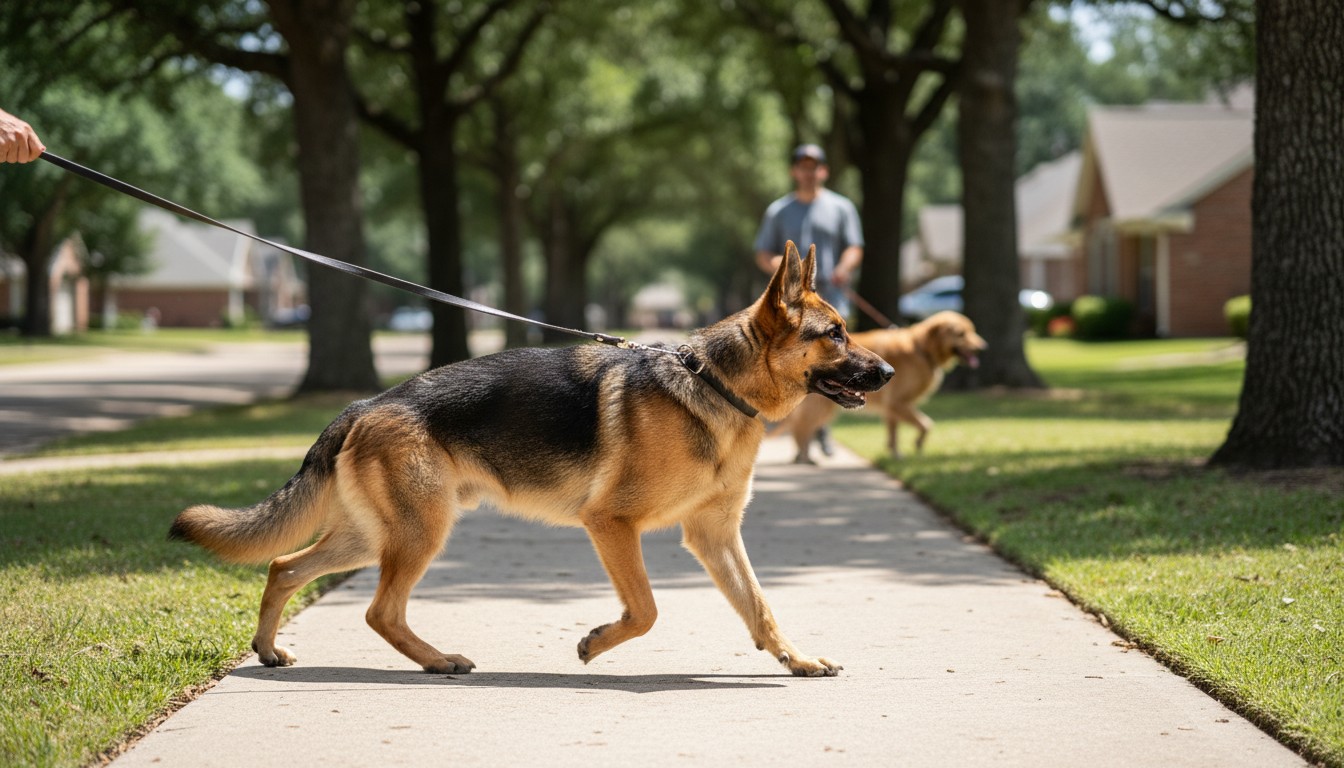
When a dog is raised with the expectation that every walk involves meeting new 'friends,' they often develop what trainers call 'frustrated greeting.' This happens when the dog is on a lead and cannot reach the person or dog they want to meet. In a South African context, where many parks have strict lead laws, this frustration quickly turns into lunging, barking, and apparent aggression. The dog isn't necessarily 'mean'; they are simply distressed by the barrier of the leash preventing their expected reward.
By prioritizing interaction over neutrality, we create a dog that is constantly scanning the environment for the next hit of dopamine. This makes a simple trip to a Vetshop or a walk around the block a stressful experience. Over-socialised dogs struggle to settle in public because they have never been taught that doing nothing is an option. Training for neutrality reduces this mental load, allowing the dog to remain in a 'green zone' of calm rather than a 'red zone' of hyper-arousal. This shift is essential for long-term behavioural health and prevents the development of reactivity that often leads to dogs being confined to their homes.
The Neutrality Protocol: A Step-by-Step Training Guide
To begin teaching socialisation as neutrality, you need to use a protocol often referred to as the 'Engage-Disengage' game. Start in a low-distraction environment, like your garden or a quiet street. You will need high-value rewards; in South Africa, small pieces of plain, unspiced biltong or dried ostrich cubes (available at Petworld or Absolute Pets) work exceptionally well.
- Observation: When your dog notices a distraction—like a person walking by—mark the moment they look (use a clicker or a word like 'Yes').
- Reward: Immediately give them a treat. At this stage, you are rewarding them just for seeing the distraction without reacting.
- Disengagement: Once they understand the game, wait a split second after they see the distraction. If they look back at you voluntarily, give them a jackpot of treats.
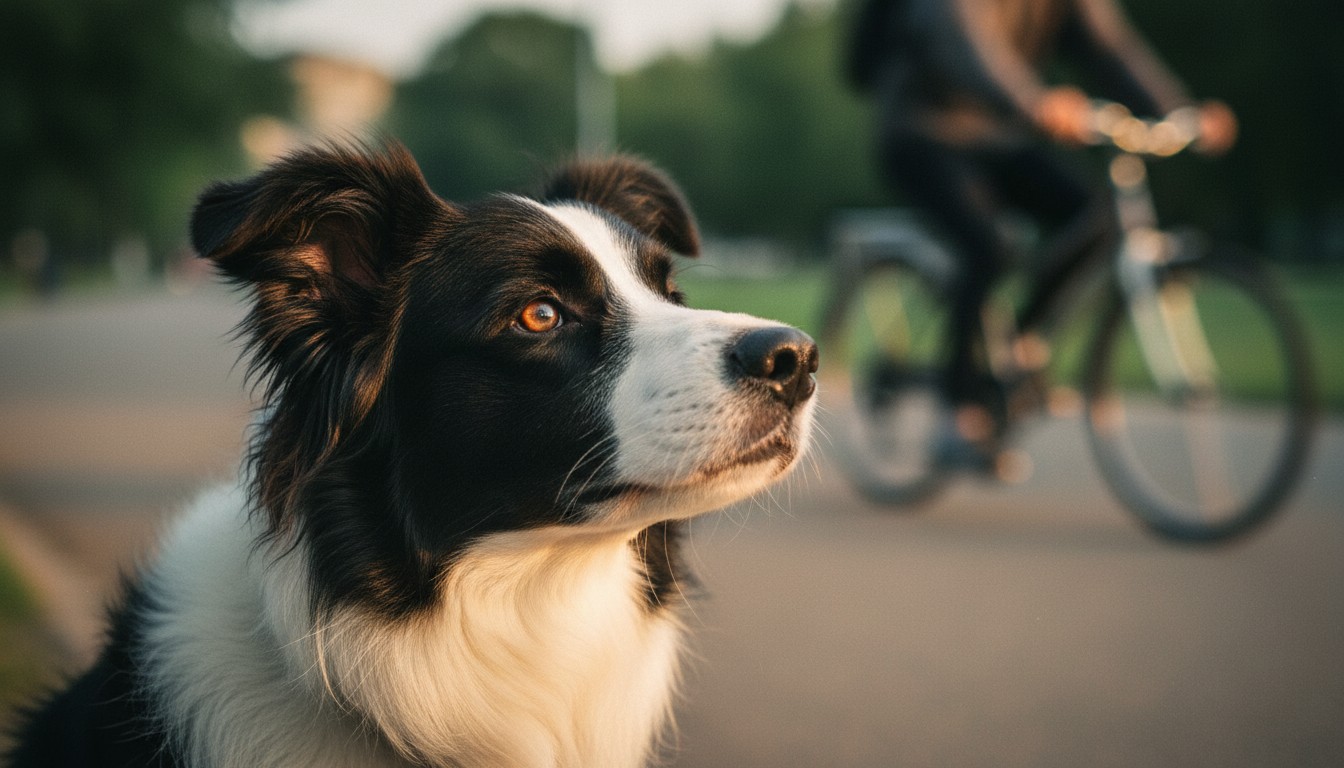
Consistency is vital. If you are at a local park and a 'power-walker' approaches, move to a distance where your dog can see them but still remains calm enough to eat. If your dog refuses treats, you are too close. Over time, you can decrease the distance. By rewarding the choice to look away from the trigger, you are conditioning a neutral emotional response. You are effectively telling your dog, 'I see the distraction, it is safe, and looking at me is more rewarding than bothering them.'
Practising Neutrality in the South African Environment
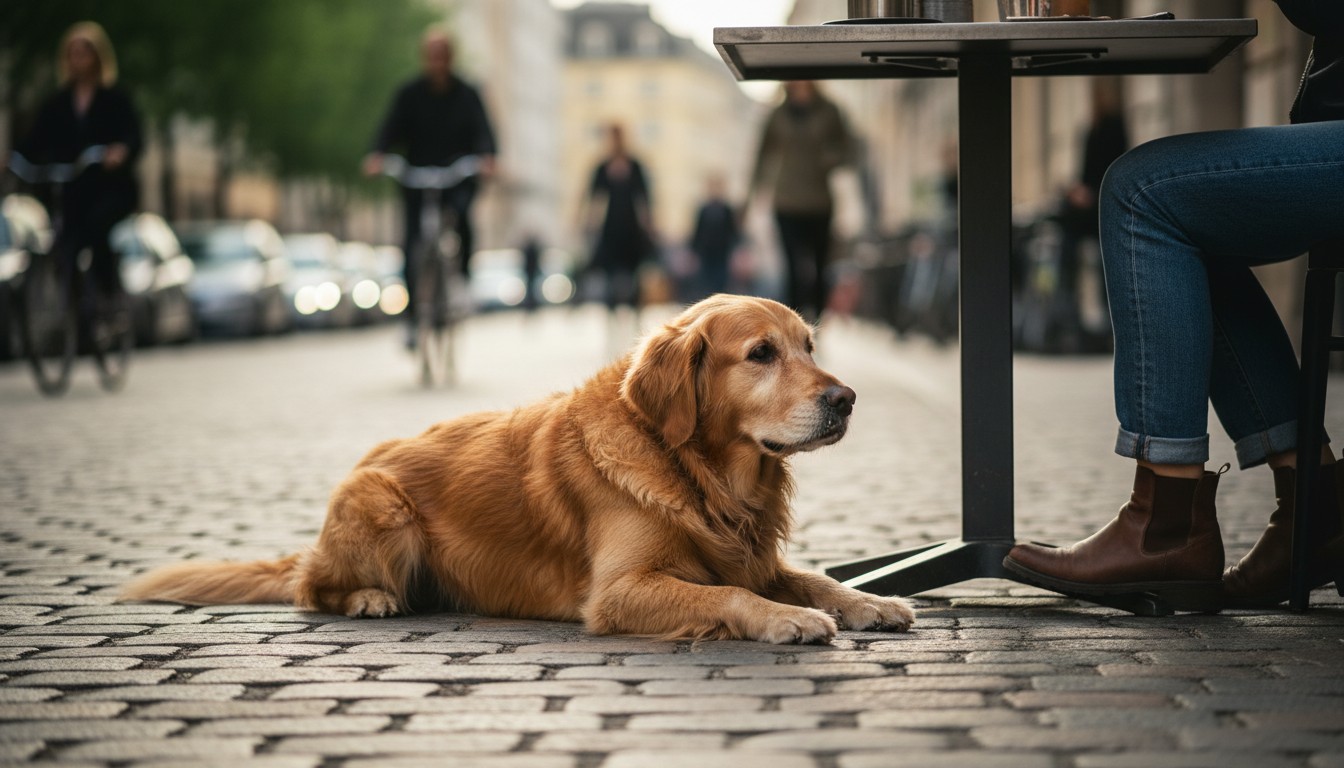
Socialising your dog in South Africa presents unique opportunities. Our culture is heavily outdoor-oriented, meaning your dog will likely accompany you to weekend braais, pet-friendly markets, or morning walks at Emmarentia Dam. In these environments, the expectation is often for dogs to be overly friendly. However, the density of people can be overwhelming. Applying neutrality means your dog is trained to lie under the table at a restaurant or sit quietly while you chat with a neighbour.
Instead of letting your dog strain at the leash to reach every child, you provide them with a 'job'—which is simply to relax. This is where high-value local treats come in handy. Rewarding your dog for making eye contact with you when a distraction enters their space makes outings more pleasant. This approach also respects the personal space of other park users who may not be comfortable with dogs. By valuing neutrality over interaction, you are preparing your dog for a successful life in our vibrant public spaces. Whether you are at the V&A Waterfront or a local neighbourhood park, a neutral dog is a welcome guest, whereas a reactive one often causes stress for everyone involved.
Troubleshooting: Handling High-Stimulus Scenarios
Even with the best training, things can go wrong. Perhaps an off-lead dog rushes yours at the park, or a child suddenly runs toward them shouting. In these moments, your priority is to 'split the diff' and create distance. If your dog begins to bark or lunge, they have crossed their 'threshold.' This isn't a failure of training; it is a sign that the environment was too challenging for their current skill level.
When this happens, do not punish the dog. Punishment increases the negative association with the distraction, potentially leading to fear-based aggression. Instead, calmly but firmly lead your dog away until they can focus on you again. If you find your dog is consistently struggling at a certain location, such as a busy Saturday morning at a 'Paws in the Park' event, go back to basics. Practice in a quieter setting and slowly build back up. If the reactivity becomes unmanageable or your dog shows signs of extreme fear—such as trembling, tucking their tail, or snapping—it is time to consult a professional behaviourist. Look for trainers registered with SABCAP (South African Board for Companion Animal Professionals) who use positive, science-based methods.
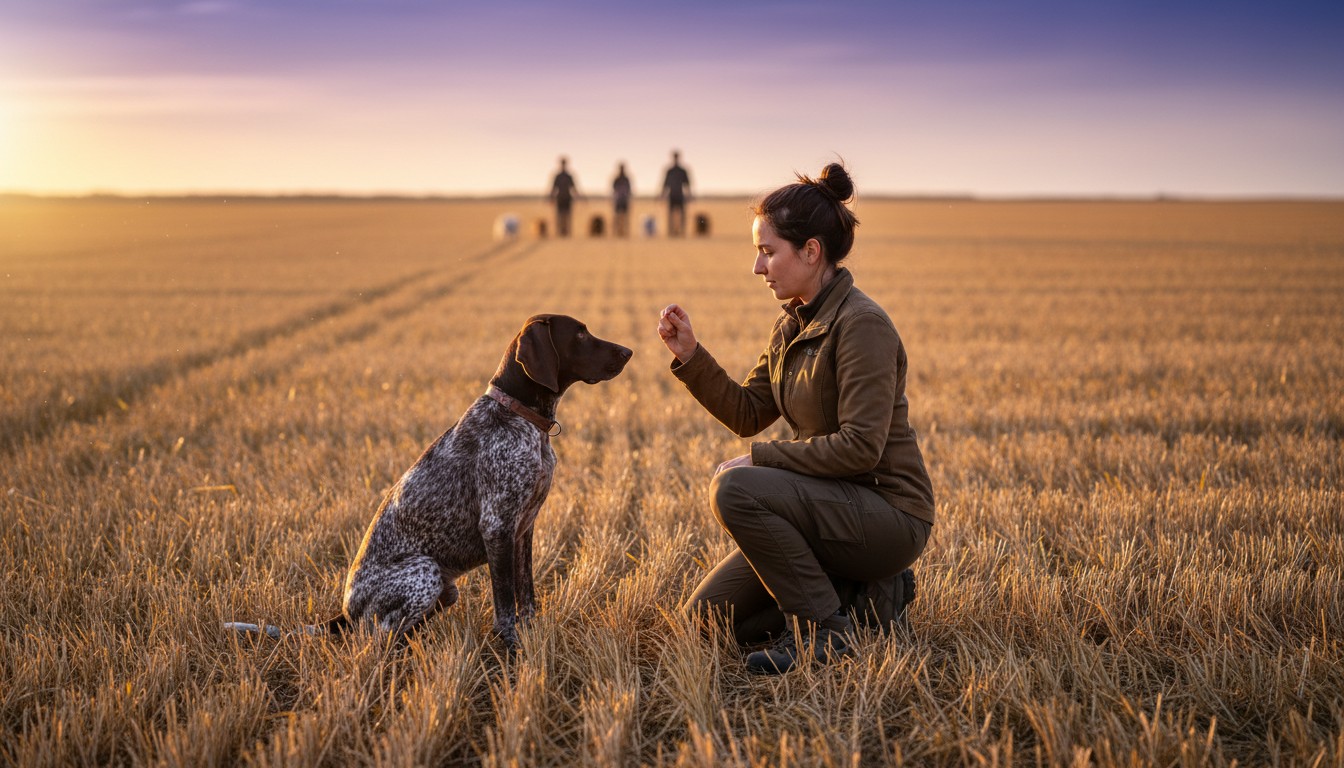
Understanding Body Language and Thresholds
To master neutrality, you must become an expert in your dog's body language. Dogs rarely 'explode' out of nowhere; they usually give several subtle signs that they are reaching their limit. These signs, known as 'calming signals,' include lip licking, yawning when not tired, or 'whale eye' (where the whites of the eyes are visible). If you notice these during a walk in a busy area like Umhlanga Rocks, it’s a signal to move further away from the stimulus.
A dog's threshold is the point at which they can no longer process information calmly. By staying 'sub-threshold,' you ensure the dog remains in a learning state. If they are 'over-threshold,' their brain switches to a survival state (fight or flight), and no training can occur. Learning to spot these subtle cues allows you to advocate for your dog's space before a reaction happens. This proactive approach builds a deep sense of trust between you and your pet. They learn that you will protect them and manage the environment, so they don't have to take matters into their own paws. This security is the ultimate goal of socialisation as neutrality, resulting in a dog that is confident, calm, and capable of handling whatever the South African lifestyle throws their way.
FAQ
What is the difference between socialisation and interaction?
Socialisation is the process of exposing your dog to different environments and stimuli so they become comfortable around them. Interaction is the act of the dog directly engaging with those stimuli, such as playing with another dog. Modern training emphasizes that a dog can be perfectly socialised while remaining neutral and never interacting with strangers.
How do I handle off-lead dogs approaching my dog in South African parks?
This is a common challenge. If an off-lead dog approaches, stay calm to avoid transferring tension to your dog. You can try to block the approaching dog with your body or toss a handful of treats on the ground to distract them while you move away. If the situation feels unsafe, advocate for your space by firmly telling the other owner to recall their dog.
Is it too late to teach neutrality to an older, reactive dog?
It is never too late, but the process may take longer as you are unlearning established habits. For older dogs, focus on consistent 'Engage-Disengage' training from a great distance. Patience is key, and you may benefit from working with a professional behaviourist to ensure a safe and structured progress plan tailored to your dog's history.
Conclusion
Socialisation as neutrality is the missing link for many South African dog owners who find themselves struggling with over-excited or reactive pets. By shifting the goal from 'meeting everyone' to 'existing calmly,' you provide your dog with the tools they need to navigate our busy world without stress. Remember that progress isn't always linear; some days will be better than others. Be patient, use high-quality local rewards, and always advocate for your dog's space. If you notice signs of aggression or extreme fear that do not improve with distance-based training, please consult a qualified professional such as a COAPE-registered behaviourist. With time and consistency, you will enjoy a calmer, more confident companion who can join you on all your South African adventures.
References & Sources
This article was researched using the following sources:


