














Many South African pet owners enjoy creating a tranquil home environment with the help of essential oil diffusers and scented candles. Whether it’s the calming scent of lavender after a long day in Johannesburg or the refreshing zing of eucalyptus during a Cape Town winter, these products are staples in many households. However, what we perceive as 'natural' and 'therapeutic' can pose significant airborne hazards to our four-legged companions. Essential oil diffusers and scented candles release aerosolised droplets and volatile organic compounds (VOCs) that can severely impact a pet's respiratory system and liver function. Unlike humans, pets possess unique metabolic pathways—or lack thereof—that make certain scents potentially life-threatening. Understanding the mechanism of harm, from inhalation to cumulative toxicity, is essential for any responsible pet parent looking to maintain a safe and healthy home sanctuary.
The Mechanism of Harm: Inhalation vs. Ingestion
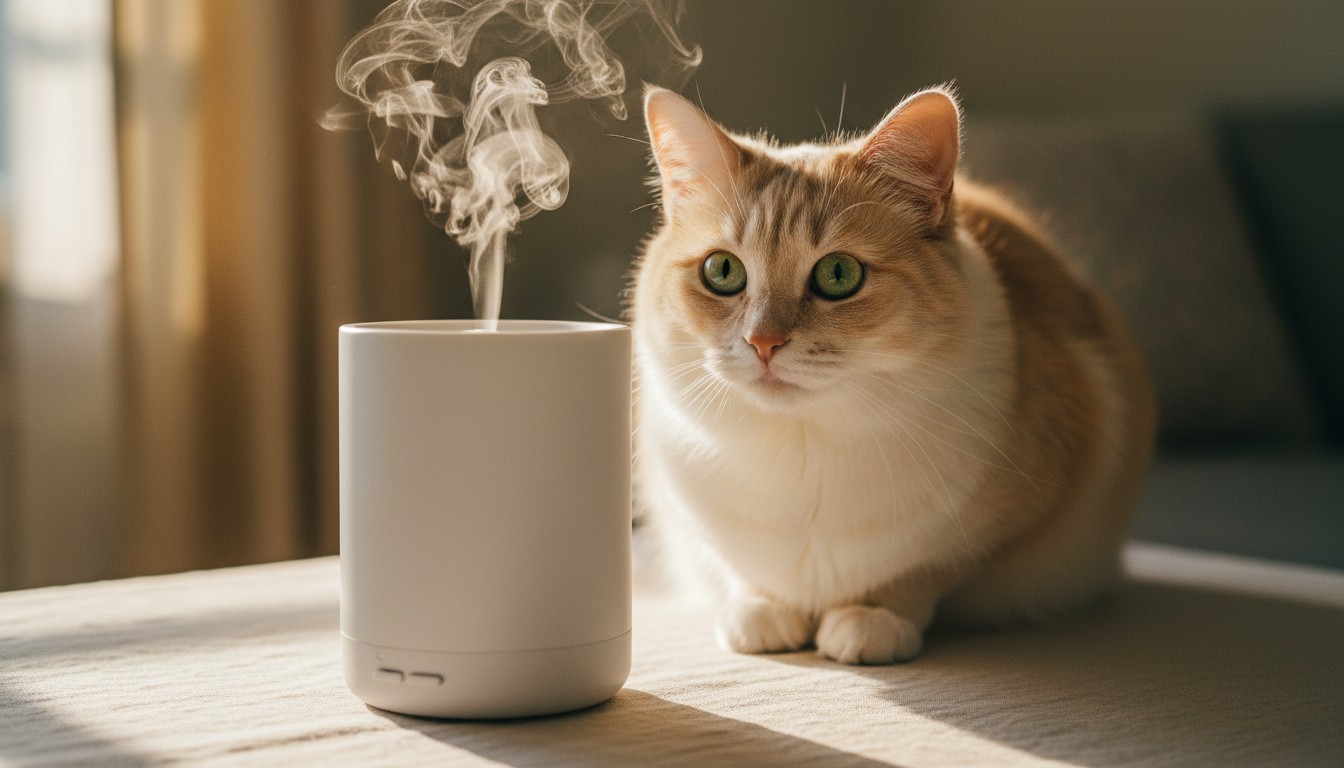
When you use a reed diffuser or an ultrasonic diffuser, you are essentially suspending tiny droplets of oil in the air. For pets, the risk isn't just about what they might accidentally lick; it is about what they breathe and what settles on their fur. When these droplets are inhaled, they enter the bloodstream rapidly through the lungs. Furthermore, as these particles settle on a pet's coat, they are later ingested during routine grooming.
Cats are particularly vulnerable due to a physiological quirk: they lack a specific liver enzyme called glucuronyl transferase. This enzyme is responsible for breaking down 'phenols' and other compounds found in many essential oils. Without it, toxins accumulate in the liver, leading to oxidative damage and potential organ failure over time. Even in dogs, who have more robust metabolic systems, continuous exposure to concentrated aerosols in enclosed South African apartments can lead to chronic respiratory irritation and 'aspiration pneumonia' if the droplets are heavy enough to be inhaled deep into the lung tissue.
Toxic Compounds: Phenols and Monoterpenes Explained
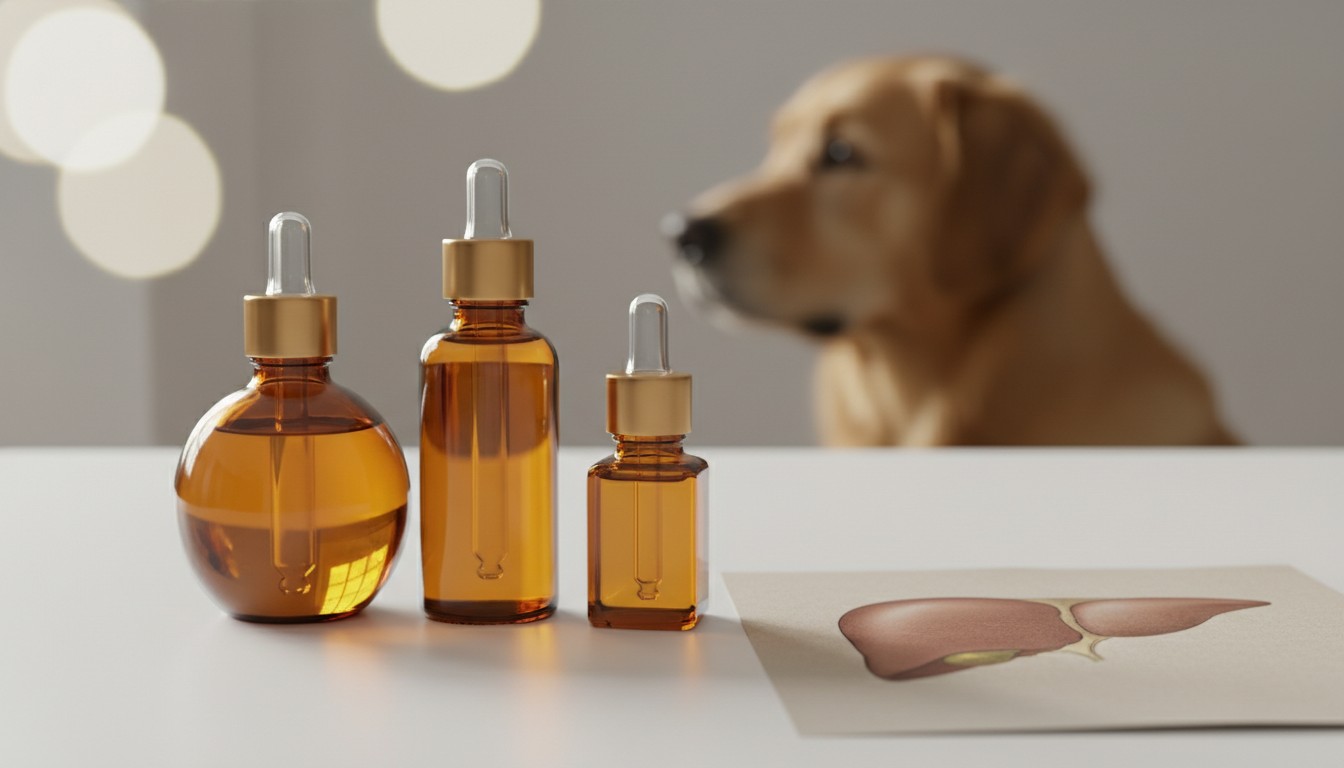
Not all oils are created equal, but several common 'natural' products found at local retailers like Clicks or Dis-Chem contain high levels of phenols and monoterpenes. Phenols, found in oils like Oregano, Clove, and Thyme, are highly corrosive to mucous membranes and difficult for the liver to process. Monoterpenes, which are prevalent in Tea Tree (Melaleuca) and citrus oils, are quickly absorbed and can cause central nervous system depression.
In South Africa, Tea Tree oil is often used as a 'natural' remedy for skin irritations, but when aerosolised, it becomes a potent neurotoxin for small animals. Symptoms of monoterpene toxicity include tremors, ataxia (stumbling), and a significant drop in body temperature. Peppermint oil, another local favourite for its refreshing scent, contains pulegone, which can cause severe hepatic (liver) necrosis. Even if the bottle says '100% Organic', the chemical structure remains a threat to your pet's delicate internal chemistry.
Scented Candles and the Paraffin Problem
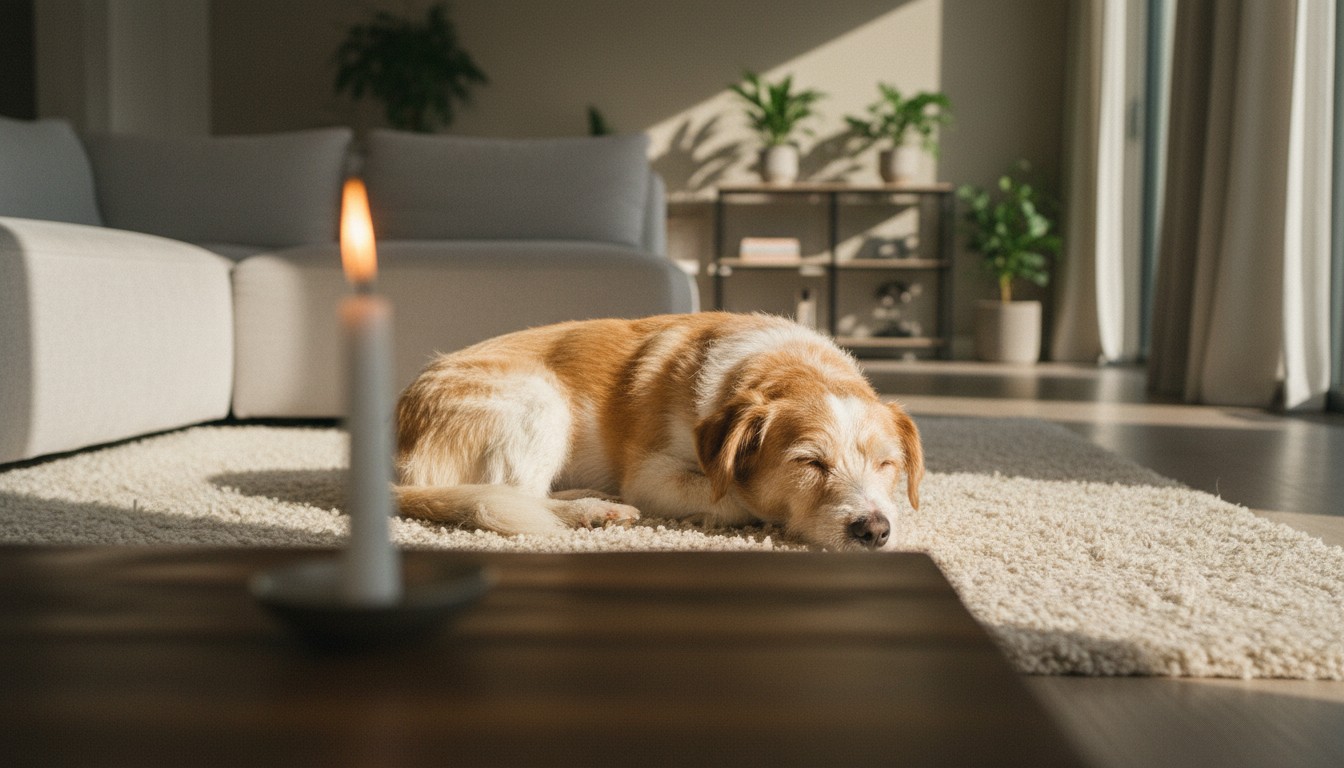
While diffusers are often the primary concern, scented candles present a dual threat: chemical fragrance and particulate matter. Many budget-friendly candles sold in South Africa are made from paraffin wax, a petroleum byproduct. When burned, paraffin releases soot and VOCs like benzene and toluene, which are known carcinogens. During periods of loadshedding, when households may burn multiple candles for hours, the concentration of these particulates increases dramatically.
Beyond the wax, the 'fragrance' or 'parfum' listed on labels is often a proprietary blend of phthalates. These are endocrine disruptors that can interfere with a pet's hormonal balance. Birds are the most sensitive to these airborne hazards; their highly efficient respiratory systems can stop functioning almost instantly when exposed to the fumes from scented candles or overheated non-stick pans. For dogs and cats, the result is often more insidious, manifesting as chronic coughing, watery eyes, or 'feline asthma' that is frequently misdiagnosed as an allergy.
Troubleshooting: Recognising Distress and Taking Action
It is a common mistake to assume that if a pet isn't sneezing, they are fine. However, signs of toxicity can be subtle and cumulative. If you notice your pet squinting their eyes, coughing (which in cats often looks like they are trying to hack up a hairball), or grooming excessively after you've run a diffuser, you should immediately intervene.
If you suspect your pet has been affected:
- Move the pet to fresh air immediately (an outdoor balcony or a garden).
- Ventilate the room by opening all windows and doors.
- Do not induce vomiting if you suspect ingestion; contact a vet.
- Wash the pet's fur with mild dish soap if you suspect oil droplets have settled on them to prevent further ingestion during grooming.
If your pet shows signs of lethargy, vomiting, or loss of coordination, this is a medical emergency. The cumulative nature of these toxins means that a pet might seem fine for months before suddenly presenting with acute liver failure. Regular blood tests during annual vet check-ups can help monitor liver enzymes if you have historically used these products.

Creating a Pet-Safe Home Atmosphere
You don't have to live in a scent-free vacuum, but safety requires a shift in products and habits. If you enjoy candles, switch to 100% beeswax or soy-based options with cotton wicks, which burn much cleaner than paraffin. Ensure they are scented with pet-safe extracts or used only in very large, well-ventilated spaces.
For air freshening, consider 'passive' diffusers like reed diffusers kept in rooms where pets do not spend much time, or simply use high-quality HEPA air purifiers to remove odours naturally. In South Africa's climate, taking advantage of natural ventilation is your best defence. Always ensure your pet has an 'escape route'—never run a diffuser in a closed room where a pet is confined. If the pet chooses to leave the room when you light a candle, respect that instinct; their sense of smell is significantly more sensitive than ours, and what smells like a 'breeze' to you may feel like an assault on their senses.
FAQ
Is Lavender oil safe to diffuse around cats and dogs?
Lavender is often considered 'safer', but it still contains linalool which can be irritating. While small amounts in a well-ventilated room may be tolerated by some dogs, it should be used with extreme caution around cats, as they still struggle to process the compounds if the concentration is too high.
What are the signs of essential oil poisoning in pets?
Common signs include drooling, squinting, coughing, wheezing, lethargy, and a wobbly gait (ataxia). In severe cases, you may notice vomiting or tremors. If these occur, move the pet to fresh air and consult a veterinarian immediately.
Are 'natural' soy candles completely safe for pets?
Soy candles are safer than paraffin because they produce less soot, but the 'fragrance' added to them can still be toxic. Look for candles that use 'pet-safe' essential oils in very low concentrations or are unscented, and always ensure proper ventilation.
Can I use a diffuser if I keep it in a different room?
Yes, provided the pet cannot enter that room and the ventilation system doesn't carry a high concentration of the mist directly to their sleeping area. Passive diffusion (like reeds) is generally safer than active ultrasonic misting.
Conclusion
The allure of a fragranced home shouldn't come at the cost of your pet's long-term health. Airborne hazards from essential oil diffusers and scented candles are often overlooked because the damage is internal and cumulative. By understanding the specific vulnerabilities of our pets—especially the unique liver physiology of cats and the sensitive respiratory systems of birds and dogs—we can make more informed choices. Switch to cleaner-burning waxes, avoid high-phenol oils, and prioritise fresh South African air over synthetic mists. If you notice any changes in your pet's breathing or behaviour, or if you have been using these products heavily, consult your veterinarian for a health screening. Your pet relies on you to curate a safe environment; keeping the air clear is a vital part of that responsibility.
References & Sources
This article was researched using the following sources:

