














For most South African pet owners, the golden rule of shopping for kibble is simple: check the label and ensure a high-quality meat is the first ingredient listed. Whether you are browsing the aisles at Absolute Pets or picking up a bag at your local Woolworths, this 'meat first' approach feels like a safeguard for your pet's health. However, this common advice plays directly into a sophisticated marketing loophole known as ingredient splitting in pet food. By understanding how manufacturers manipulate the order of ingredients, you can look past the clever branding and see the true nutritional profile of what you are feeding your furry family members. This article will expose the tactics used to artificially elevate meat to the top spot and teach you how to decode labels like a professional nutritionist.
Why 'Meat First' Is a Marketing Masterstroke
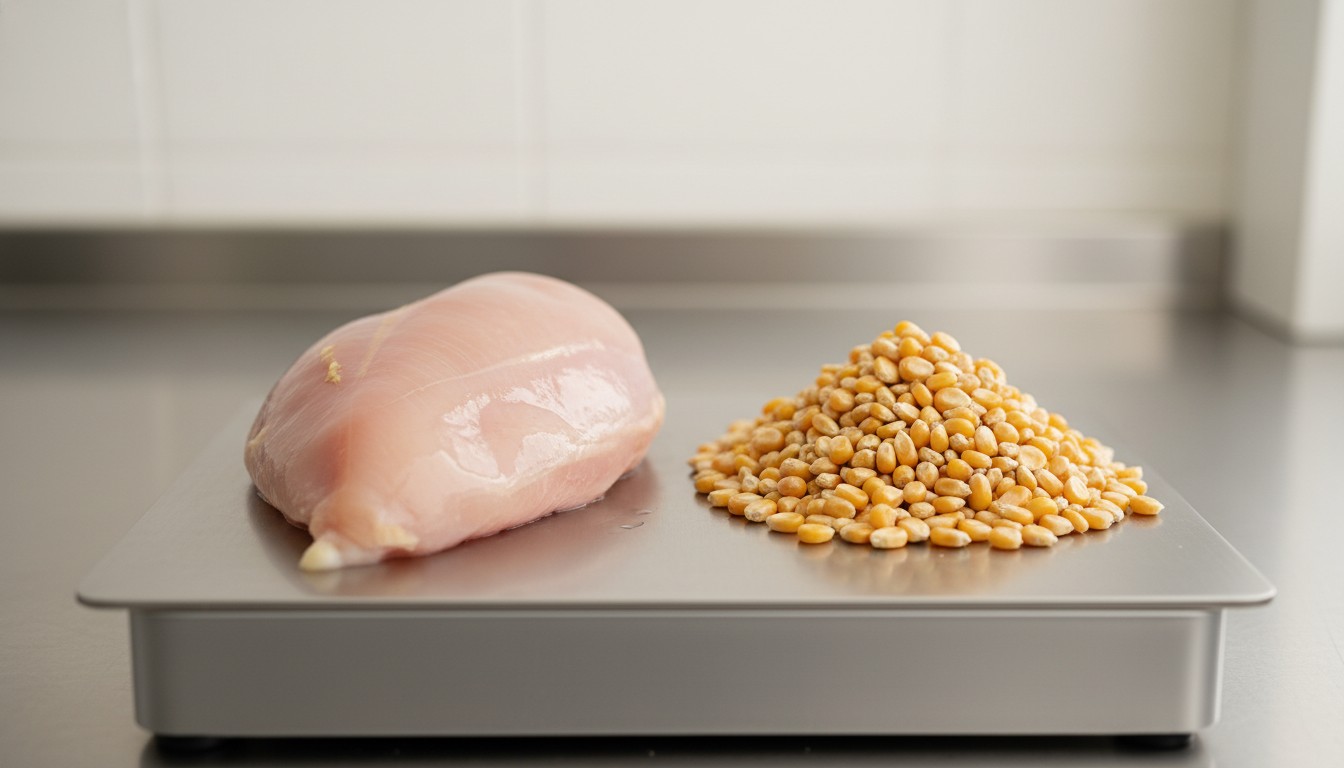
In South Africa, pet food labelling is governed by Act 36 of 1947, which requires ingredients to be listed in descending order of weight. This seems transparent, but there is a catch: the weight is measured before processing. Fresh meat, such as 'deboned chicken', contains about 75% water. Once that meat is extruded into dry kibble, the water is removed, leaving behind only a fraction of the original weight. When you see meat listed first, you are often looking at the weight of the water, not the protein. This creates a psychological 'halo effect' where the consumer assumes the bag is primarily meat, while in reality, the dry matter might be dominated by grains or legumes. Many premium-looking brands at South African retailers use this weight-based listing to appear more nutritional than they actually are, making it difficult for the average buyer to distinguish between high-protein diets and carb-heavy fillers.
Understanding the Mechanics of Ingredient Splitting
Ingredient splitting in pet food is the practice of taking a single, lower-quality ingredient and dividing it into several smaller components. For example, rather than listing 'Maize' as the primary ingredient, a manufacturer might list 'Maize Flour', 'Maize Gluten', and 'Ground Whole Maize' separately. Because each of these split components weighs less than the primary meat source, the meat stays at the number one spot on the list. If you were to add all those maize components back together, they would likely outweigh the meat by a significant margin. This tactic is extremely common in locally produced South African brands as well as international exports. It allows a bag that is 60% grain to claim that 'Chicken is the #1 ingredient.' Recognising this requires a shift in how you read labels; you must stop looking at ingredients in isolation and start grouping them by their source material.
Common Culprits: Maize, Peas, and Rice
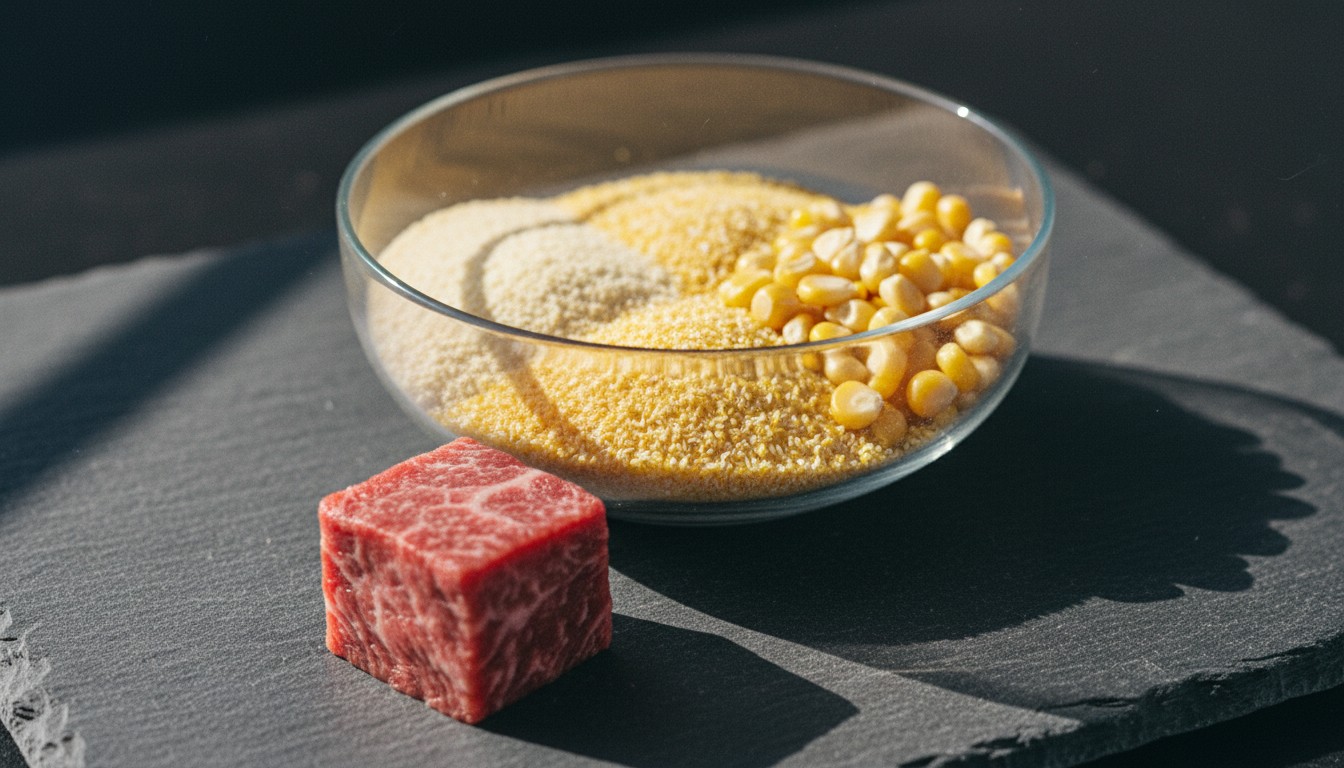
When scanning labels at a store like Checkers or Petshop Science, look out for the 'splitting trifecta': maize, peas, and rice. In South Africa, 'mielies' or maize is a frequent filler. You might see 'Yellow Maize', 'Maize Meal', and 'Maize Bran' all in the top ten ingredients. Similarly, grain-free foods often use 'Peas', 'Pea Protein', and 'Pea Fibre' to achieve the same result. Rice is another favourite, often split into 'Brewers Rice', 'Rice Flour', and 'Rice Bran'. By the time you reach the fifth or sixth ingredient, you might have encountered the same plant source three or four times. This is particularly prevalent in 'Budget' or 'Grocery' tier foods, where the goal is to keep production costs low while maintaining a premium appearance on the front of the packaging. Even some 'Vet-Recommended' brands are not immune to these labelling tricks, which is why clinical scrutiny is necessary regardless of the price point.

The Mental Recombination Hack
To find the truth, you need to perform a 'mental recombination'. When you look at a label, group all ingredients from the same source together. If the first ingredient is 'Chicken (14%)' but the next three are 'Maize Flour (10%)', 'Maize Gluten (8%)', and 'Maize (6%)', the combined maize content is actually 24%. This means the food is primarily a maize-based product with some chicken added, rather than a chicken-based product. In the South African market, where prices for high-quality protein are rising, this mental math is essential for ensuring you get value for your Rand. This approach also helps you spot 'protein masking', where the total protein percentage on the back of the bag looks high (e.g., 28%), but much of that protein is coming from 'Maize Gluten' or 'Pea Protein' rather than animal sources. Cats and dogs are biological carnivores who thrive on animal-based amino acids, so the source of the protein matters as much as the percentage.

Analyzing the Top Five Rule
A more reliable way to judge a pet food is the 'Top Five Rule'. Experts suggest that the first five ingredients usually make up about 80% of the total volume of the food. If three or more of those first five ingredients are different names for the same grain or legume, you are looking at a product heavily reliant on fillers. Look for labels that list specific animal proteins (like 'Lamb Meal' or 'Salmon') in the top three without multiple splits following them. In South Africa, labels might also use the term 'Meat and Animal Derivatives'. This is a red flag for low quality, as it doesn't specify which animal or which part of the animal is used. Ideally, you want to see clearly named meats and fewer than two 'splits' of any grain or legume in the top five. This ensures that the bulk of the nutrition is coming from diverse, identifiable, and high-quality sources.
Troubleshooting Vague Labels and Regulations
If you encounter a label that is particularly vague or seems to be hiding information, it is time to look for professional guidance. In South Africa, the Pet Food Industry Association of Southern Africa (Paws) sets self-regulatory standards that many reputable brands follow. If a brand is not a member of Paws or does not provide a detailed breakdown of their ingredients on their website, be cautious. Signs that you should adjust your pet's diet include a dull coat, excessive flatulence, or large, soft stools—all of which can indicate a diet too high in poorly digested fillers like split maize or peas. When in doubt, consult a veterinary nutritionist who can help you navigate the specific needs of your pet. They can provide insights into whether a 'premium' price tag actually matches the ingredient quality or if you are simply paying for clever marketing and labelling loopholes.
FAQ
Is 'meat meal' better than 'fresh meat' on a label?
Actually, 'meat meal' can often be a better source of protein in dry kibble. Because it is already rendered and the water is removed, the weight listed is the actual protein weight, unlike fresh meat which is 75% water. However, ensure the meal specifies the animal, such as 'Chicken Meal' rather than 'Meat Meal'.
Why do South African brands use so much maize?
Maize is a locally abundant and cost-effective energy source in South Africa. While it provides carbohydrates, manufacturers often split it into different forms to make the food appear more 'meat-centric' to satisfy consumer preferences for protein-first diets.
Is ingredient splitting illegal in South Africa?
No, it is not illegal. As long as each ingredient is technically a different physical form (like flour versus whole grain) and they are listed in the correct weight order, it complies with Act 36 of 1947. It is a legal labelling tactic, not a regulatory violation.
Can ingredient splitting happen with healthy ingredients?
Yes, sometimes manufacturers split high-quality ingredients like 'Sweet Potato' and 'Dehydrated Sweet Potato' to make the meat look more prominent, but it is most commonly used to hide the high volume of cheaper fillers like grains and legumes.
Conclusion
Deciphering the 'meat first' myth is an essential skill for any dedicated pet owner in South Africa. By recognising ingredient splitting in pet food, you move beyond the surface-level marketing and gain the power to choose nutrition based on facts rather than fluff. Remember to look for named protein sources, mentally recombine split grains, and pay close attention to the top five ingredients. While the 'meat first' claim is a useful starting point, it is only one piece of the puzzle. Always consult with your veterinarian if you notice changes in your pet's weight, energy, or coat quality, as these are the truest indicators of nutritional success. By staying informed and skeptical of clever labelling, you ensure your pet leads a long, healthy, and vibrant life in the beautiful South African sun.
References & Sources
This article was researched using the following sources:

