















As a South African pet owner, your furry companion is likely a central part of your family life, whether they are joining you for a weekend at the coast or relaxing in the garden. However, pets are masters at hiding discomfort. By the time they show obvious symptoms, a condition might already be advanced. Learning to conduct a systematic nose-to-tail pet health exam is the most effective way to transition from reactive care to proactive wellness. This weekly habit allows you to establish what is 'normal' for your pet, making it significantly easier to spot subtle changes in their anatomy or behaviour before they become costly medical emergencies at the vet. In this guide, we will walk you through a professional-grade inspection routine designed for home use.
Phase 1: The Face, Eyes, and Oral Inspection
Begin your nose-to-tail pet health exam at the front. Start by looking at your pet's eyes; they should be clear, bright, and free of discharge. Any cloudiness or persistent squinting in the bright South African sun could indicate a corneal ulcer or inflammation. Next, move to the ears. They should be pale pink and smell clean. A yeasty odour or dark, coffee-ground-like debris often signals an infection or ear mites, which are common in humid regions like KwaZulu-Natal.
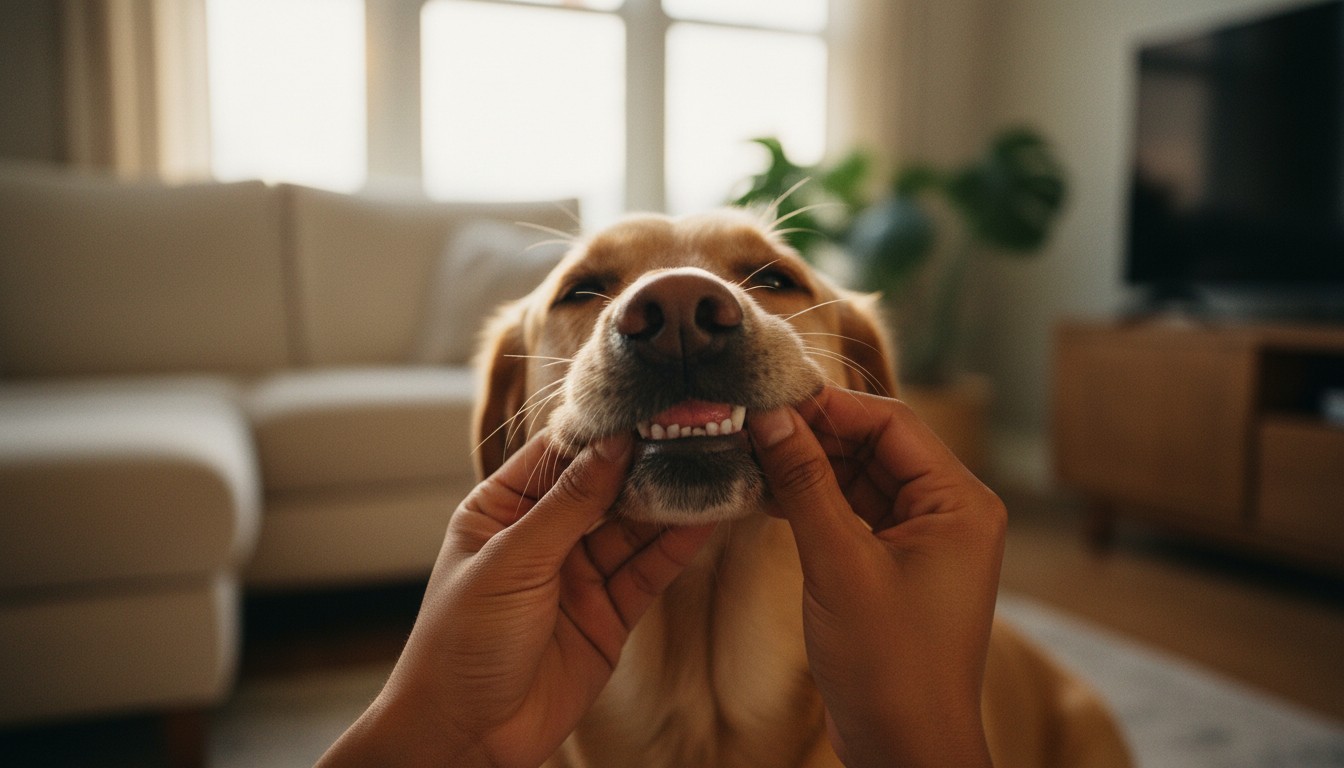
The most critical part of this phase is the oral exam. Gently lift the 'flews' (lips) to inspect the gums. Healthy gums should be a bubblegum pink. If they are pale, blue, or bright red, seek veterinary attention immediately. You should also perform a Capillary Refill Time (CRT) test: press your finger against the gum until it turns white, then release. The colour should return to pink within two seconds. This simple check is a vital indicator of hydration and blood circulation, especially during our scorching summer months.
Phase 2: Tactile Skin, Coat, and Lymph Node Check
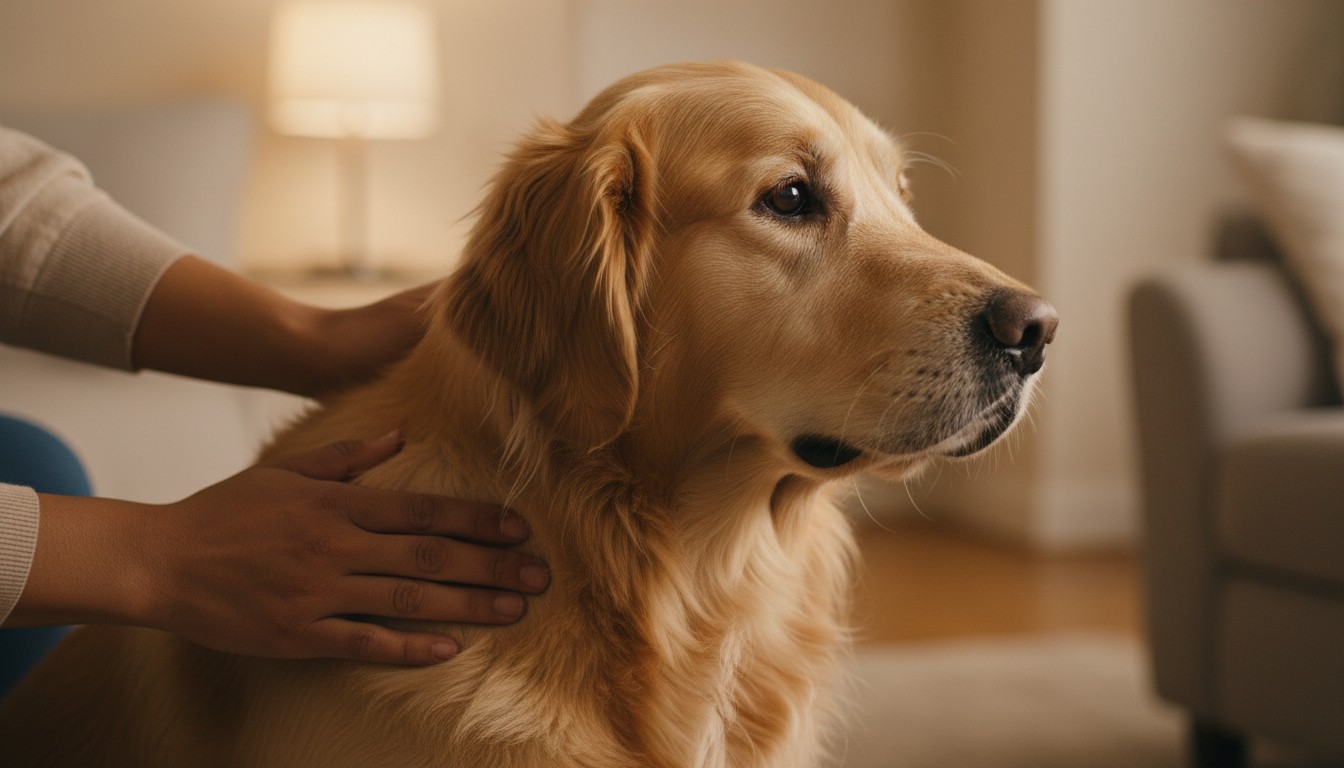
Run your hands firmly but gently over your pet's entire body. You are feeling for 'lumps and bumps' under the skin. In South Africa, this is also the perfect time to check for ticks, particularly the Karoo paralysis tick or the common kennel tick, which can transmit Biliary (tick fever). Pay close attention to hidden areas like the armpits, between the toes, and under the tail. The coat should be shiny and the skin shouldn't be flaky or red.
Expert owners should learn to locate the superficial lymph nodes. The easiest to find are the submandibular nodes (located under the jaw where it meets the neck) and the popliteal nodes (located on the back of the hind legs, behind the knees). Normally, these feel like small, slippery peas or beans. If they feel enlarged, firm, or like a golf ball, it is a significant warning sign of infection or lymphoma. Do not squeeze them; simply note their size and symmetry on both sides of the body.
Phase 3: Abdominal Palpation and Limb Assessment
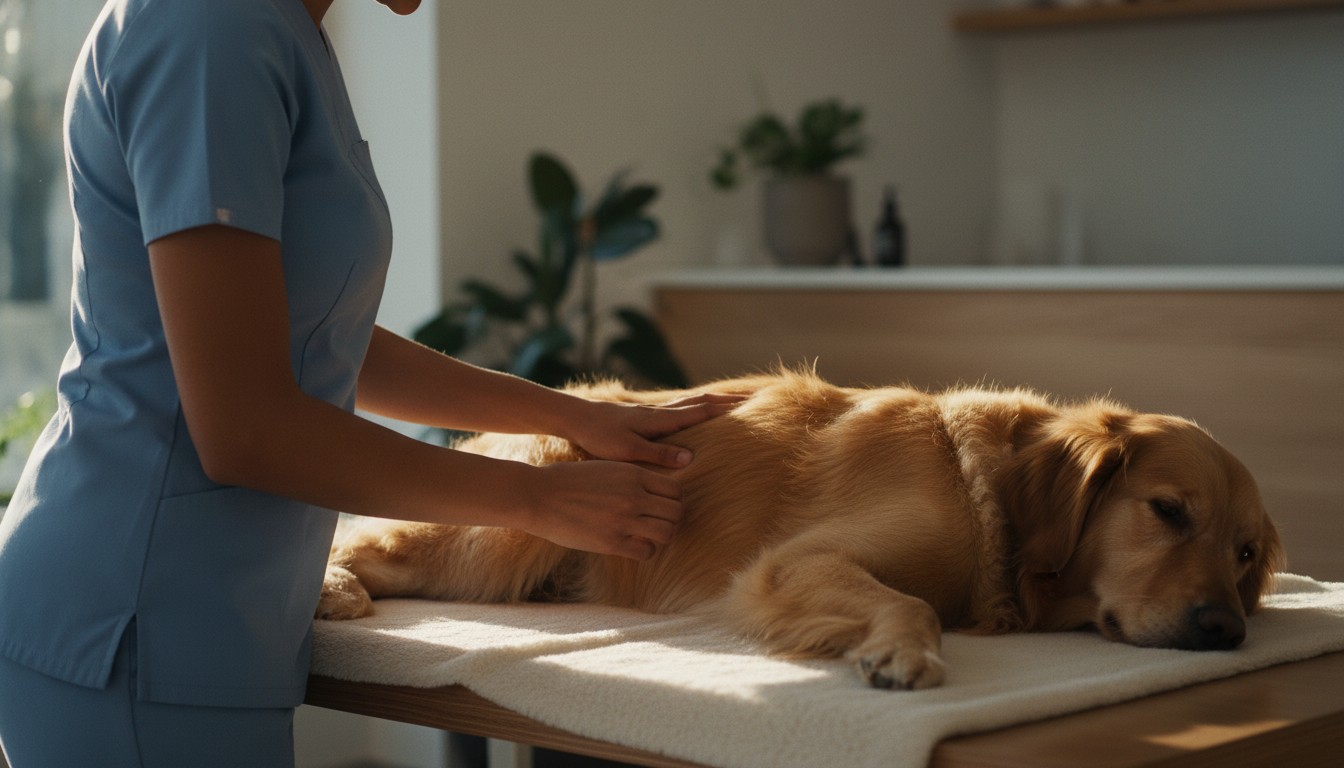
The abdomen contains most of the vital organs, and while you aren't a radiologist, you can detect 'guarding' or tension. Place one hand on either side of the belly, just behind the ribs. Gently press inward. The abdomen should feel soft and 'doughy'. If your pet tenses up, groans, or if the area feels hard like a drum, it could indicate bloat (GDV) or internal pain. This is particularly important for large breeds like Boerboels or German Shepherds who are prone to gastric issues.
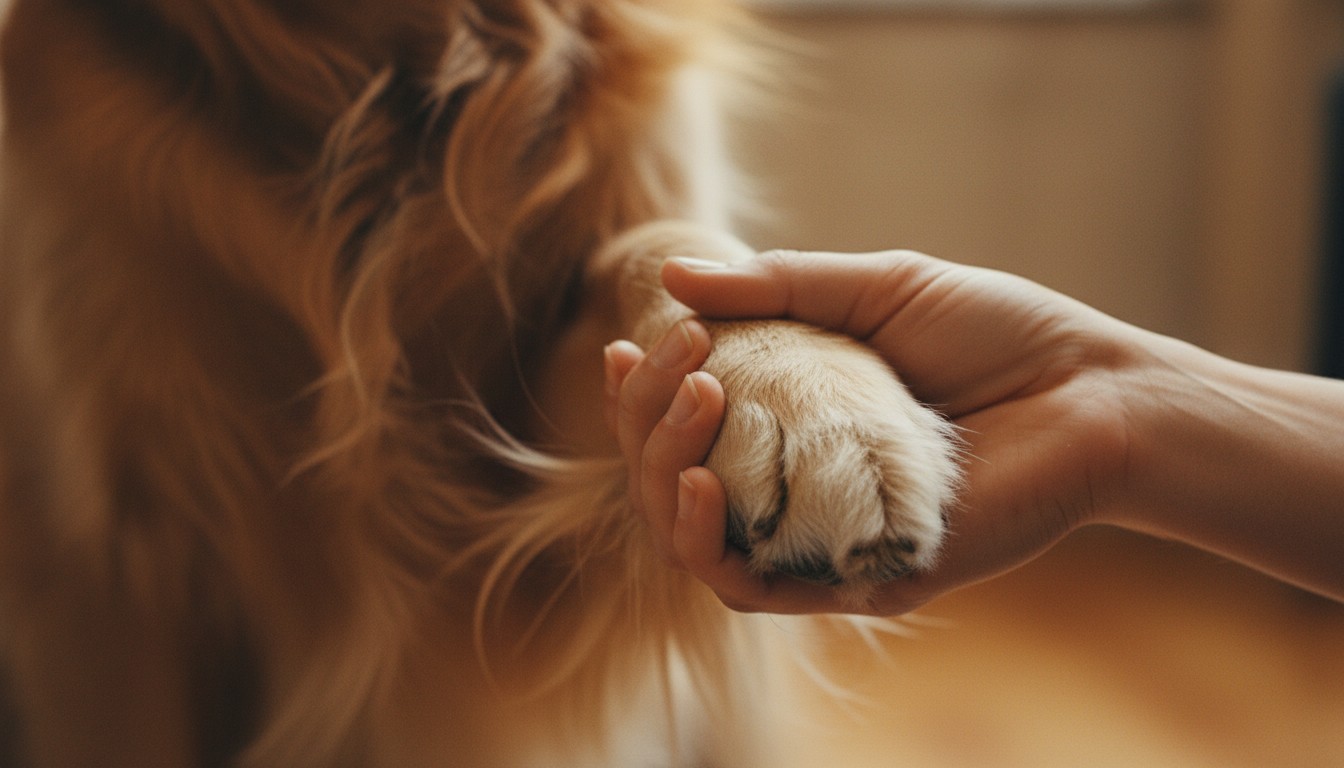
After the belly, move down the limbs. Gently extend and flex each joint—the shoulder, elbow, wrist, hip, and knee. Watch your pet's face for any winced expressions or pulling away. In South Africa, many older pets suffer from arthritis exacerbated by cold winter mornings on tiled floors. Check the paw pads for cracks or 'Sandveld' burrs that might have become embedded during a walk. If you notice any heat or swelling around a joint, it warrants a professional consultation to prevent long-term mobility loss.
Phase 4: Monitoring Vital Signs and Respiratory Rate
Concluding your nose-to-tail pet health exam involves checking vitals. To check the heart rate, place your hand on the left side of the chest, just behind the elbow. Count the beats for 15 seconds and multiply by four. A normal resting heart rate for dogs is 60–140 beats per minute (smaller dogs are faster), and for cats, it is 140–220 bpm. You can also find the pulse on the femoral artery, located high up on the inner thigh.
Respiratory rate is equally important. Watch the chest rise and fall while your pet is resting. A healthy pet should take 15 to 30 breaths per minute. In the South African context, keep a close eye on this during heatwaves. If your pet is panting excessively while indoors or shows 'abdominal breathing' (using the stomach muscles to pull in air), they may be suffering from heat exhaustion or heart failure. Finally, if you suspect a fever, use a digital thermometer rectally with lubrication; a normal temperature for dogs and cats is between 38°C and 39.2°C.
Troubleshooting: When the Exam Goes Wrong
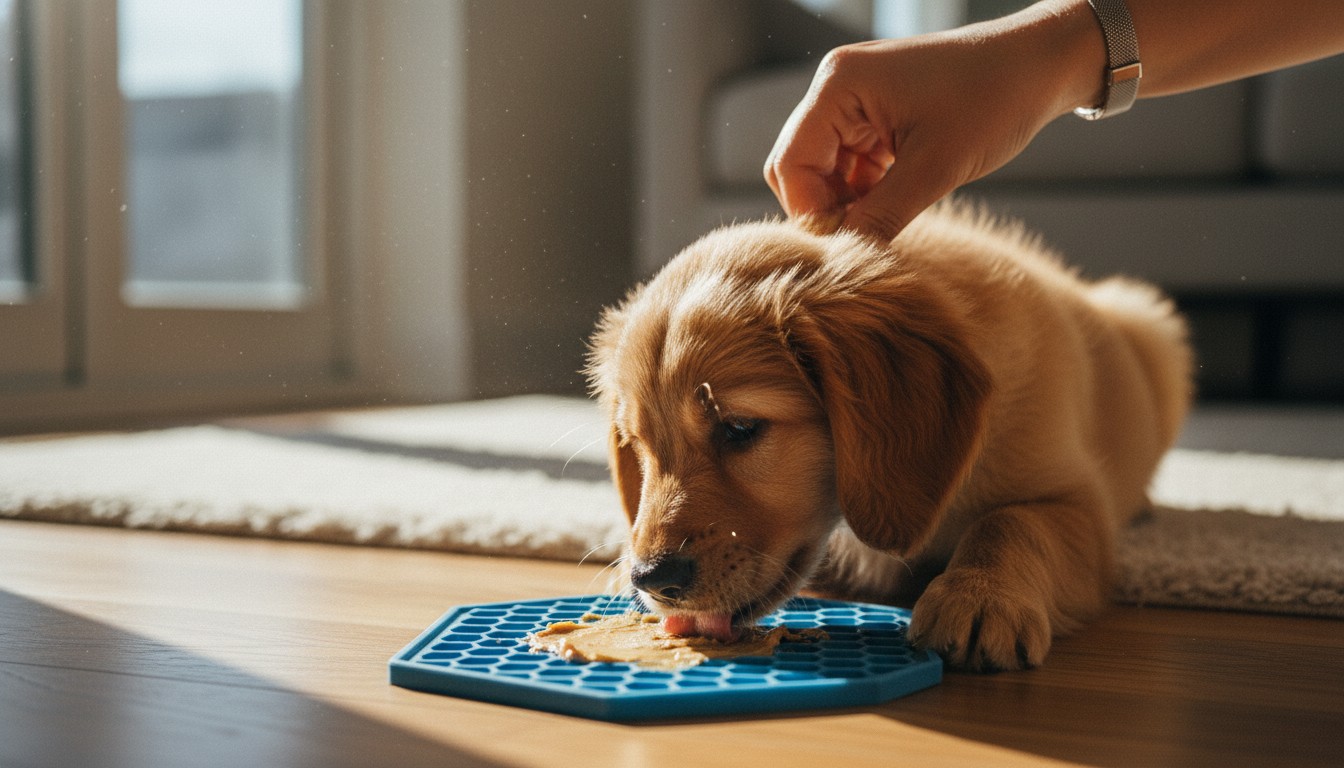
Not every pet will be a willing participant in a nose-to-tail pet health exam initially. If your pet growls, snaps, or attempts to bolt, do not force the inspection. This can lead to injury for you and a negative association for them. Instead, break the exam into smaller 'micro-sessions'. Check the ears on Monday, the paws on Tuesday, and offer high-value treats like a piece of biltong (unspiced) or a special pet snack after each successful touch.
You should adjust your approach if you find something abnormal. If you find a lump, do not poke it repeatedly, as this can cause inflammation or spread certain types of mast cell tumours. Simply take a photo, measure its size with a ruler, and note its location. If your pet is showing signs of extreme lethargy, pale gums, or a bloated abdomen, bypass the home exam and head straight to an emergency vet. These are 'triage' situations where every minute counts towards a successful outcome.
FAQ
How often should I perform a nose-to-tail exam?
You should aim for once a week. This frequency is enough to catch rapidly developing issues like ticks or new lumps while ensuring your pet becomes accustomed to the handling process.
What does it mean if my pet's nose is dry?
A dry nose is not always a sign of illness; it can be caused by dry South African weather or just waking up from a nap. However, if the dry nose is accompanied by cracked skin, nasal discharge, or lethargy, you should consult a vet.
Can I use a human thermometer on my pet?
Yes, a standard digital thermometer is fine for rectal use, but never use a glass mercury thermometer as it can break. Ensure it is clearly labelled 'For Pet Use Only' and used with a water-based lubricant.
Conclusion
Performing a systematic nose-to-tail pet health exam is a skill that improves with practice. By dedicating just ten minutes a week to this routine, you become the most important advocate for your pet's health. You will likely save money by catching dental disease, ear infections, or skin issues before they require intensive surgery or long-term medication. Remember, this at-home exam is a supplement to, not a replacement for, professional veterinary care. Always consult a SAVA-registered veterinarian if you discover any abnormalities or if your pet's behaviour changes suddenly. Your proactive care today ensures more happy years of 'braais' and walks in the years to come.
References & Sources
This article was researched using the following sources:

