














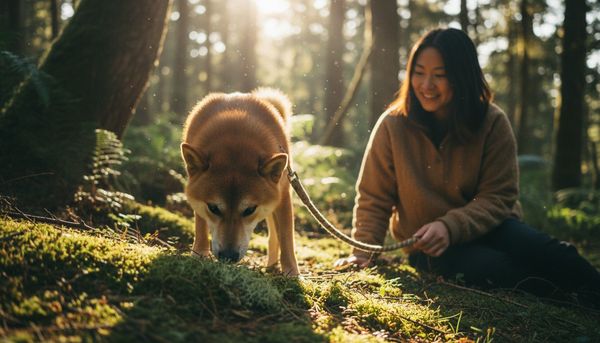
For many South African dog owners, a daily walk involves a brisk march around the block with the dog firmly at 'heel'. While this provides physical exercise, it often neglects the most vital part of a dog's biology: their nose. Understanding decompression walks for dogs represents a shift in how we view canine enrichment. Instead of focusing on kilometres covered or calories burned, a decompression walk prioritises the dog's freedom to explore and process scents. This practice isn't just a leisure activity; it is a biological necessity that helps regulate a dog's nervous system and lowers cortisol levels. By allowing your pet to dictate the pace and direction, you are providing a form of mental health therapy that a standard leash-walk simply cannot replicate.
The Biological Power of the Canine Nose
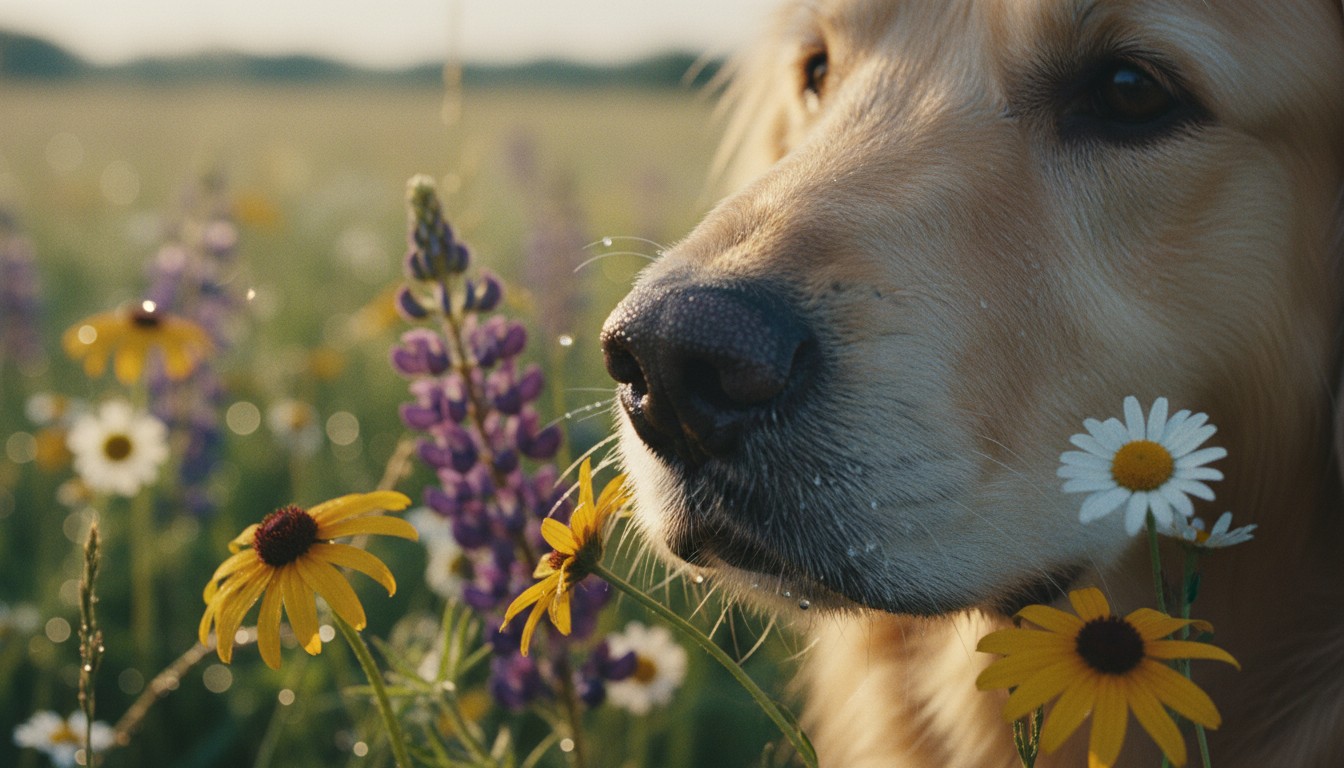
A dog's primary window into the world is through scent. While humans rely heavily on vision, dogs possess up to 300 million olfactory receptors in their noses, compared to our mere six million. When a dog engages in 'sniffing', they aren't just identifying a scent; they are processing a complex narrative of their environment. This process involves the vomeronasal organ (or Jacobson's organ), which detects pheromones and chemical signals that are invisible to the human eye.
Research has shown that the act of sniffing significantly lowers a dog's heart rate. It is a self-soothing behaviour that engages the 'seeking' system in the brain, releasing dopamine and promoting a state of calm. In the context of South African environments—where the veld or local parks are rich with the scents of local wildlife, other dogs, and changing weather patterns—providing this olfactory stimulation is akin to a human engaging in deep meditation. It shifts the dog from a state of high arousal (reacting to every passing car or cyclist) to a state of internal focus and relaxation.
Why Sniffing Beats Distance for Mental Fatigue
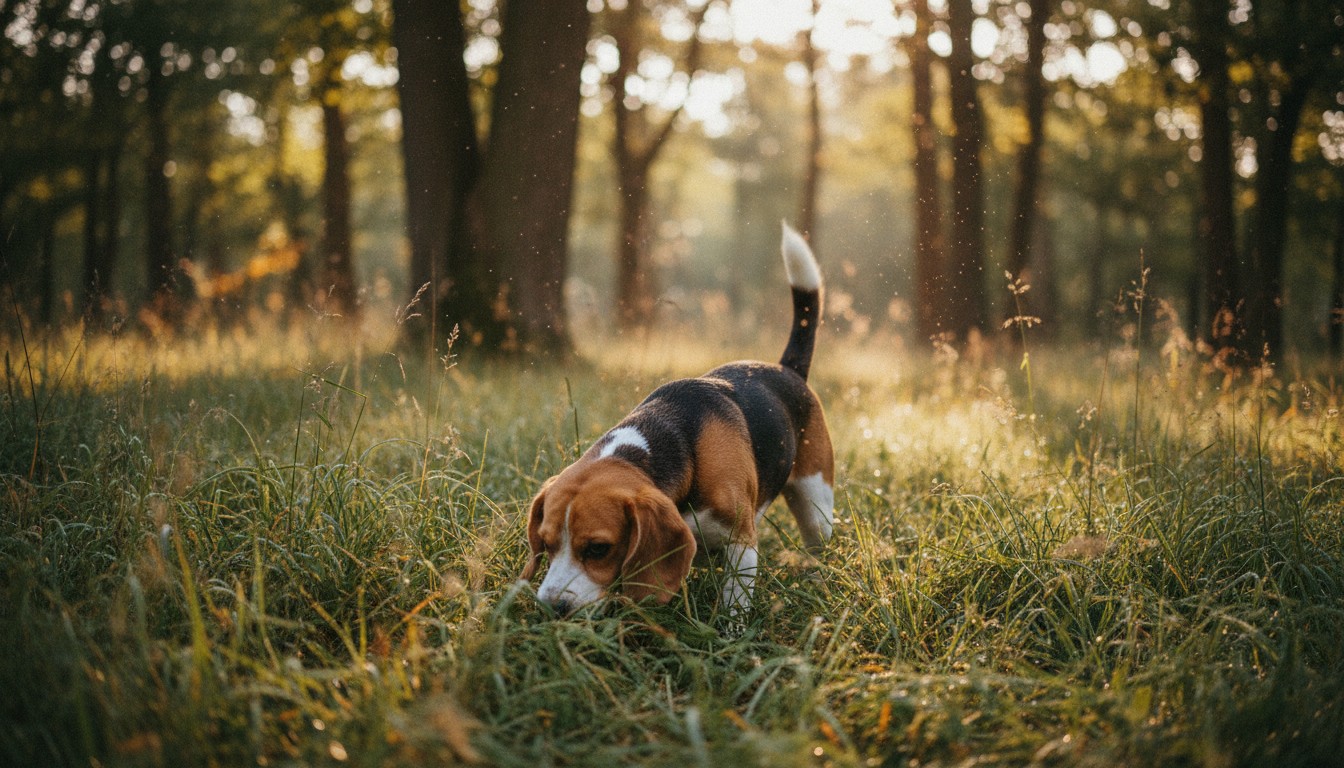
Many owners feel frustrated when their dog remains restless after a 5km run. The reason is often that the dog has been physically stimulated but mentally ignored. Physical exercise alone can actually increase cortisol and adrenaline levels, especially if the dog is constantly being pulled away from interesting smells to maintain a 'perfect heel'. In contrast, twenty minutes of intense sniffing on a decompression walk can be more exhausting and satisfying for a dog than an hour of mindless running.
In South Africa, where summer temperatures in provinces like Gauteng or the Free State can make long-distance midday walks dangerous, the decompression walk is a perfect alternative. You can choose a shaded area of a park or a quiet suburban street and let your dog explore a 20-metre radius for fifteen minutes. The mental processing required to 'read' the environment through scent tires the brain out, leading to a much calmer dog once you return home. This is particularly beneficial for high-energy breeds like Border Collies or German Shorthaired Pointers who frequently reside in South African suburban homes.
Structuring Your Decompression Walk: Equipment and Locations
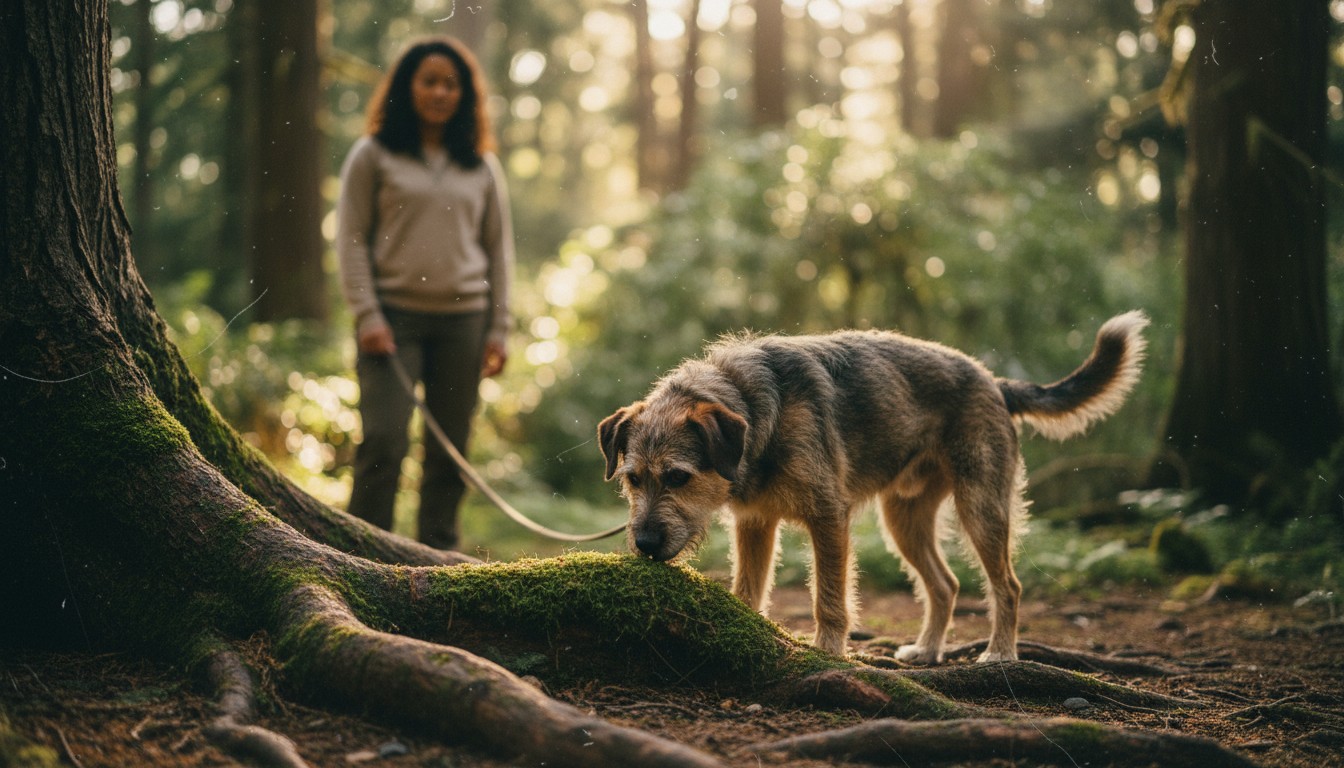
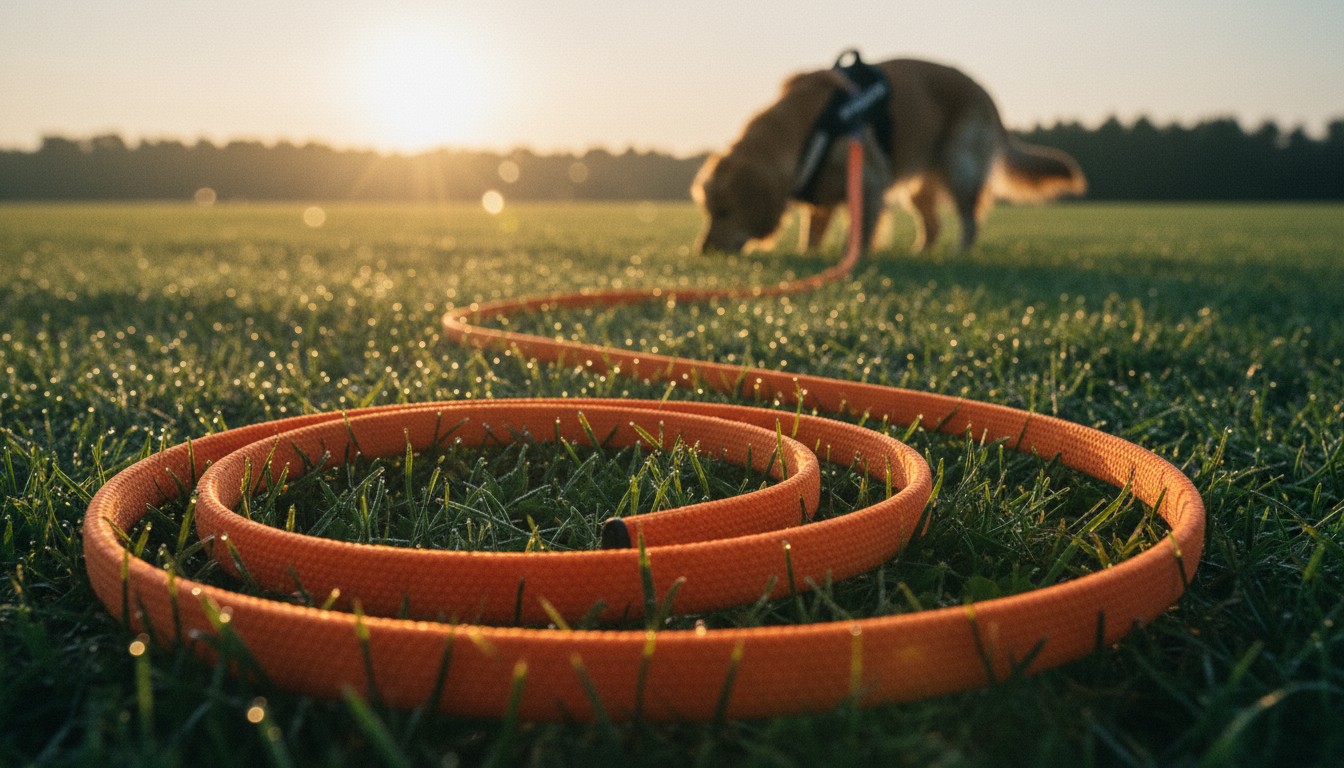
To successfully implement decompression walks for dogs, you need the right tools. A standard 1.2-metre leash is often too restrictive, creating tension that inhibits the dog's natural movement. Instead, use a long-line lead—typically between 5 and 10 metres. Local South African brands like Rogz offer durable webbing leads that work well, or you can find specialised tracking lines at stores like Absolute Pets. It is vital to attach these to a well-fitted Y-shaped harness rather than a collar to prevent neck strain if the dog reaches the end of the line.
The location is equally important. In South Africa, safety is a priority. Look for quiet 'green belts', quiet cul-de-sacs, or dog-friendly parks during off-peak hours. Places like Delta Park in Johannesburg or certain sections of the Constantia green belts in Cape Town are excellent, provided you use the long-line to maintain control while allowing freedom. The goal is to find a 'low-trigger' environment where the dog doesn't feel the need to stay on high alert for other dogs or people, allowing their nose to take the lead.
Troubleshooting: When the Environment is Too Much
Not every walk will be perfectly peaceful. If your dog is 'hyper-aroused'—barking, lunging, or unable to focus on any scent—the environment may be too stimulating. This is common in busy South African suburbs where barking guard dogs behind every gate can keep a walking dog in a state of 'fight or flight'. If this happens, shorten the walk or move to a more secluded area. You might even start decompression 'walks' in your own garden by scattering treats in the grass (a 'sniffing safari') to build the habit before heading out into the world.
Another common issue is 'leash frustration'. If your dog is used to pulling to get to a smell, the long line might initially encourage more pulling. The key is to follow the dog when it's safe to do so, and stand still when they pull towards something dangerous. Over time, the dog learns that a loose leash is the key to getting to the next interesting scent. If your dog has severe reactivity or anxiety, it is highly recommended to consult a local behaviorist registered with the South African Board for Companion Animal Professionals (SABCAP) to ensure your decompression sessions are safe and productive.
FAQ
How often should I take my dog on a decompression walk?
Ideally, aim for 2-3 times a week. It doesn't have to replace every walk, but providing these dedicated 'sniffing sessions' helps lower overall stress levels. Even a 15-minute session in a quiet spot can make a significant difference in your dog's daily behaviour.
Are long-line leads safe in South African parks?
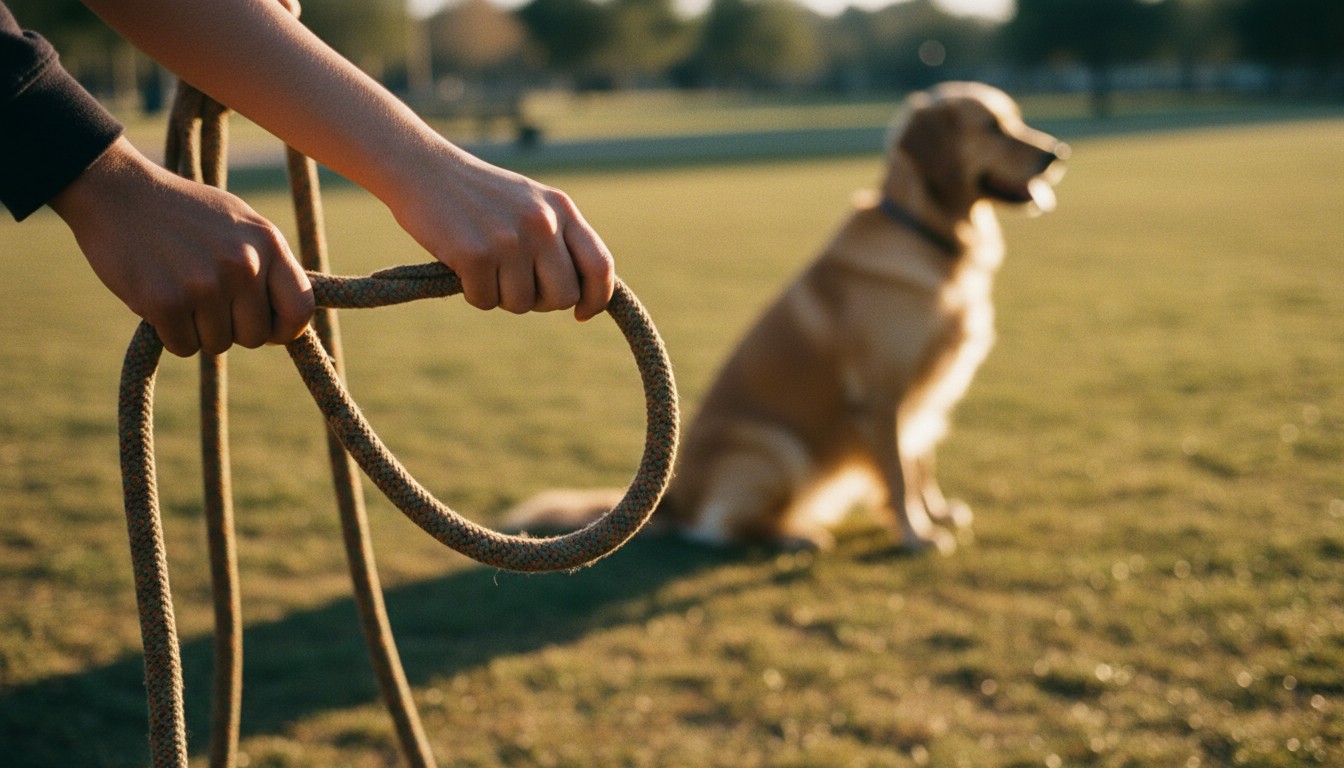
They are safe if used correctly. Always keep the line slack and be aware of your surroundings, such as other walkers or cyclists. In high-traffic areas, keep the dog closer and only extend the line once you reach a clear, open space like a park field or quiet veld.
What if my dog just wants to eat things off the ground?
This is a common concern. While sniffing is the goal, scavenging can be dangerous. Use a well-fitted muzzle if your dog is a 'vacuum' or work on a strong 'leave it' cue. Usually, once a dog learns that they are allowed to sniff freely, the urgency to eat everything often decreases as their mental needs are met.
Conclusion
Prioritising decompression walks for dogs is one of the kindest things you can do for your pet's mental well-being. By stepping back and letting their nose lead the way, you are respecting their biological nature and providing essential stress relief. Whether you are exploring the local South African veld or a quiet suburban park, remember that the quality of the sniff is far more important than the quantity of the steps. Start small, invest in a good harness and long line, and watch as your dog becomes more relaxed, confident, and satisfied. If you find your dog's arousal levels are consistently too high to enjoy these walks, please reach out to a professional trainer to develop a tailored enrichment plan.
References & Sources
This article was researched using the following sources:

