














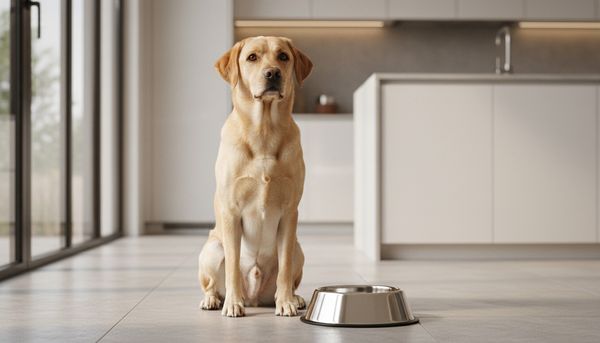
Calculating RER for pets is the single most effective way for South African pet owners to take control of their animal's health. Resting Energy Requirement (RER) is the amount of energy an animal needs to perform essential body functions like breathing and digestion while at rest. Many pet owners in South Africa rely solely on the feeding guidelines printed on the back of food bags from brands like Montego or Hills. However, these charts are often based on broad averages that don't account for your pet's specific metabolism, age, or activity level. By mastering the veterinary math behind RER, you can ensure your pet receives the exact nutrients they need, reducing the risk of obesity and related health issues like diabetes or joint pain.
The Flaw in Standard Bag Feeding Guidelines
When you look at a bag of premium kibble at a local retailer like Absolute Pets, you will notice a table recommending how many grams to feed based on weight. While convenient, these guidelines are designed to cover a wide spectrum of animals. They often lean towards the higher end of the caloric spectrum to ensure even the most active dogs aren't underfed. For the average South African suburban dog that spends most of its day in a garden or sleeping on a rug in the lounge, these 'average' portions can lead to significant weight gain.
Furthermore, the nutritional density of food varies wildly between brands. A cup of high-protein performance food contains significantly more kilojoules than a weight-management formula. If you switch brands but keep the volume the same, you might accidentally double your pet's caloric intake. Understanding that every pet is an individual—with a unique metabolic rate influenced by the South African climate, breed, and hormonal status—is the first step toward better health. Precision feeding isn't about restriction; it's about providing the right amount of energy for your pet's specific lifestyle, whether they are a high-energy Border Collie on a farm in KwaZulu-Natal or a senior cat in a Cape Town apartment.

Calculating RER: The Mathematical Formula
To move beyond guesswork, we use the Resting Energy Requirement (RER) formula. Veterinarians use a specific power function to determine the energy needs of a pet at rest. The standard formula is: 70 x (body weight in kg)^0.75. For those without a scientific calculator, there is a simplified version for pets weighing between 2kg and 20kg: (30 x body weight in kg) + 70. For example, if your Jack Russell weighs 10kg, the simplified calculation would be (30 x 10) + 70, resulting in 370 calories (kcal) per day.
Using the metric system is vital here. Ensure you have an accurate weight for your pet; a small 500g difference might seem negligible to us, but for a cat or small dog, it represents a large percentage of their daily energy needs. Once you have the RER, you have the baseline. This is the minimum energy required to keep the lights on in the body. However, most pets need more than just their RER to thrive, as they also move, play, and regulate their temperature in our varying South African seasons. This baseline is the foundation upon which we add multipliers for activity and life stage.

Adjusting for Lifestyle: The Maintenance Energy Requirement (MER)
Once you have the RER, you must calculate the Maintenance Energy Requirement (MER). This involves multiplying the RER by a factor that represents your pet's specific circumstances. A typical neutered adult dog usually has an MER of 1.6 x RER, while an intact adult might be 1.8 x RER. If you are looking to help a pet lose weight, a veterinarian might suggest feeding exactly at the 1.0 x RER level or slightly above.
Life stage is the most critical variable. Puppies and kittens are growing rapidly and require significantly more energy; they may need a multiplier of 2.0 to 3.0 x RER. Conversely, a senior dog who spends most of his time napping might only need 1.2 x RER. In South Africa, environmental factors can also play a role. During our hot summer months, some pets may become less active, requiring a slight downward adjustment in their MER to prevent 'summer spread.' Always consider if your pet is 'neutered or spayed,' as the hormonal changes after these procedures typically lower the metabolic rate by 20-30%, meaning their portion sizes must decrease to maintain the same weight.

Converting Calories into Grams and Portions
The final step in calculating RER for pets is converting that caloric number into something you can actually put in a bowl. To do this, you must find the 'caloric density' of your pet's food. This is usually listed on the packaging as 'kcal/kg' or 'kcal/cup.' In South Africa, most premium brands list the energy content per kilogram of food. If your dog needs 600 kcal per day and the food contains 3500 kcal per kg, the math is: (600 / 3500) x 1000 = 171 grams per day.
We strongly recommend using a digital gram scale rather than a measuring cup. Research has shown that measuring cups are notoriously inaccurate, with owners often overestimating a 'cup' by up to 20%. A few extra grams of kibble every day can lead to a kilogram of weight gain over a year. Divide this total daily gram amount into the number of meals you feed—typically two for dogs and several small portions for cats. If you provide treats or 'biltong' (a popular South African snack), remember that these must be included in the total daily calorie count. Treats should never exceed 10% of the total daily energy intake to avoid nutritional imbalances.

Troubleshooting: When the Math Doesn't Match the Scale
Even with perfect math, biology can be unpredictable. If you have calculated the MER and your pet is still gaining weight, or if they seem excessively lethargic, it is time to troubleshoot. The first thing to check is 'hidden calories.' Are family members giving extra treats? Is the pet scavenging from the cat's bowl? In South Africa, many pets spend time outdoors where they might find fallen fruit or even 'braai' scraps, which can significantly skew your caloric tracking.
If weight isn't moving, use the Body Condition Score (BCS) instead of just the scale. The 'Rib Test' is a great local tool: you should be able to feel your pet's ribs easily under a thin layer of fat, but they shouldn't be sticking out. If you can't feel the ribs without pressing hard, your pet is overweight. If you have reduced the food to the RER level and the pet still isn't losing weight, there may be an underlying metabolic issue such as hypothyroidism in dogs or diabetes in cats. Additionally, some pets may act 'hungry' even when their caloric needs are met; in these cases, adding low-calorie 'bulk' like steamed green beans can help them feel full without adding significant energy.

Safety and Professional Guidance Note
While calculating RER for pets is a powerful tool for owners, it is not a replacement for professional veterinary advice. Certain medical conditions require specialized diets where caloric restriction could be dangerous. For instance, pets with kidney disease, heart failure, or recovering from major surgery have very specific metabolic demands that don't follow standard MER multipliers.
You should consult your South African veterinarian if your pet experiences sudden weight loss (more than 2% of body weight per week) or if they refuse to eat their calculated portion for more than 24 hours. A professional 'Nutritional Assessment' at your local clinic is the gold standard, especially for growing large-breed puppies like Boerboels or Ridgebacks, where incorrect caloric intake can lead to permanent skeletal deformities. Always transition to new food amounts gradually over 7-10 days to avoid gastrointestinal upset, and ensure fresh water is always available, particularly during the intense heat of the Gauteng or Northern Cape summers.

FAQ
Is the RER formula the same for dogs and cats?
The basic RER formula (70 x weight^0.75) is used for both species as it calculates the needs of placental mammals. However, the multipliers (MER) differ significantly, as cats have different metabolic requirements for protein and fats compared to dogs.
My pet is always begging for food; does this mean they need more calories?
Not necessarily. Begging is often a learned behaviour rather than a sign of true hunger. If your pet's weight and Body Condition Score are ideal, they are getting enough energy. Try using slow feeders or puzzle toys to make mealtime last longer and increase satiety.
How often should I recalculate my pet's RER?
You should recalculate whenever there is a change in weight, activity level, or life stage (e.g., transitioning from adult to senior). For healthy adults, a quick check every six months or during their annual vet check-up in South Africa is sufficient.
Conclusion
Mastering the process of calculating RER for pets allows you to move away from the 'one size fits all' approach of commercial feeding guidelines. By using precise metric measurements and adjusting for your pet's unique South African lifestyle, you can effectively manage their weight and energy levels. Remember that food is more than just fuel; it is a pillar of preventative healthcare. Start by weighing your pet today, performing the math, and investing in a digital kitchen scale for gram-accurate portions. With consistency and monitoring, you will notice improvements in your pet's coat, energy, and overall longevity. For any concerns or if your pet has a chronic health condition, always partner with your local veterinarian to fine-tune your feeding plan.
References & Sources
This article was researched using the following sources:

