















Bringing a new pet home is an exciting milestone, but for the animal, it is often a period of significant physiological stress. Most owners focus on buying the right leash or brand of kibble, yet they overlook the most critical factor in successful acclimation: the environment. A low-stimulus decompression zone for pets is a dedicated, controlled space designed to minimize sensory overload during the first week. By managing light, sound, and scent, you can help your new companion lower their cortisol levels and transition from a state of 'survival mode' to one of safety and trust.
The Science of Decompression and the 3-3-3 Rule
To understand the need for a decompression zone, one must understand the '3-3-3 rule' commonly cited by rescue organizations in the United States. A new pet typically needs three days to feel less overwhelmed, three weeks to learn your routine, and three months to feel truly at home. During those first 72 hours, the animal's brain is often flooded with cortisol, the primary stress hormone. High cortisol levels make it difficult for pets to learn new commands or bond with their owners.
Designing a low-stimulus space targets this chemical imbalance. By removing the need for the pet to constantly scan their environment for threats, you allow their nervous system to shift from the sympathetic (fight or flight) to the parasympathetic (rest and digest) state. This isn't just about comfort; it is about neurological health. Experts suggest that a pet who is allowed to decompress in a quiet area for 12 to 24 hours upon arrival is significantly less likely to develop long-term anxiety or reactivity issues compared to those immediately thrust into a busy household.
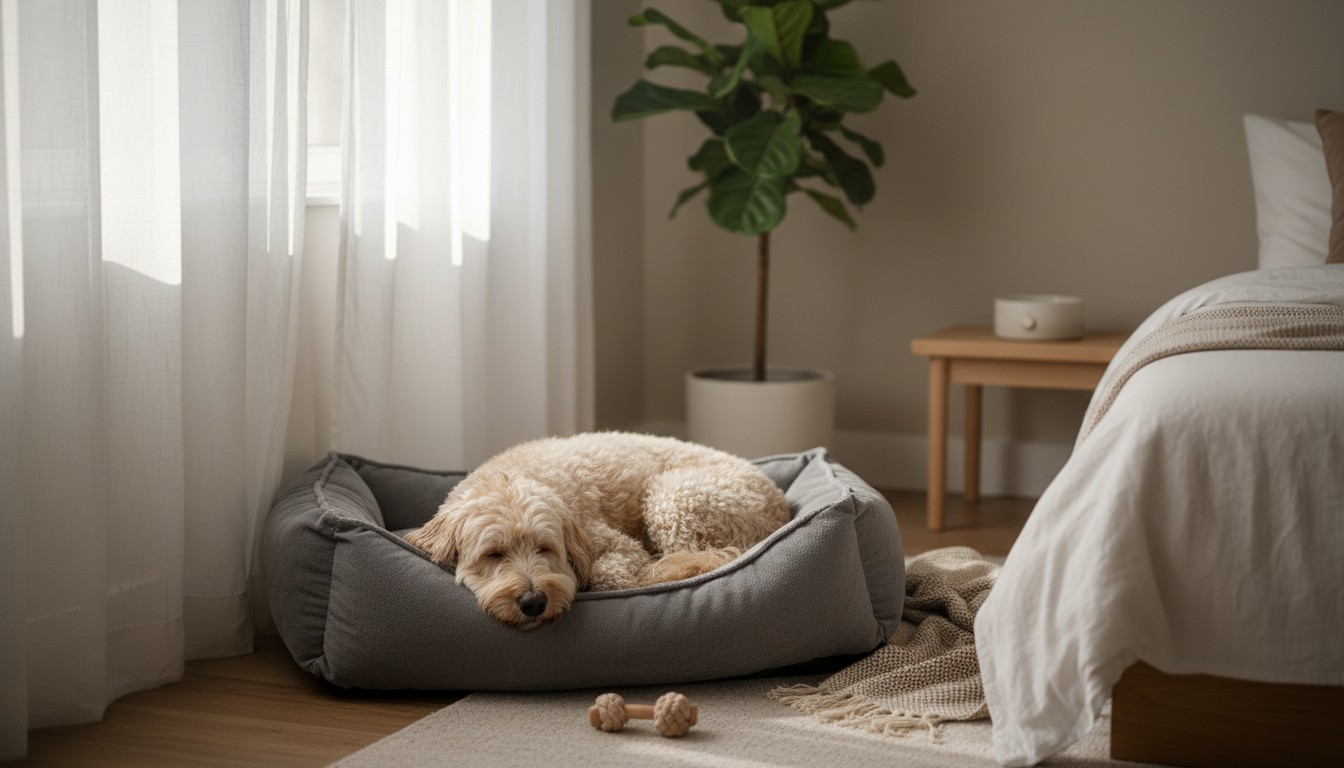
Location Scouting: Choosing Your Quiet Corner
Selecting the right location for your decompression zone is the first step. You want a space that offers privacy without complete isolation. A spare bedroom, a large walk-in closet, or a corner of a home office usually works better than a high-traffic kitchen or a living room with a giant flat-screen TV. Avoid areas near loud appliances; a laundry room might seem quiet, but the sudden buzz of a dryer or the vibration of a washing machine can be terrifying to a sensitive new dog or cat.
Ideally, the zone should be at least 10 to 15 feet away from the main 'hub' of the home. This distance provides a physical buffer against the sounds of the Super Bowl on TV or the clatter of Thanksgiving dinner preparations. If you live in an apartment in a busy city like New York or Chicago, choose the room furthest from the street to minimize the impact of sirens and traffic. Ensure the temperature remains a steady 68 to 72 degrees Fahrenheit, as extreme temperatures can add another layer of physical stress to an already taxed animal.
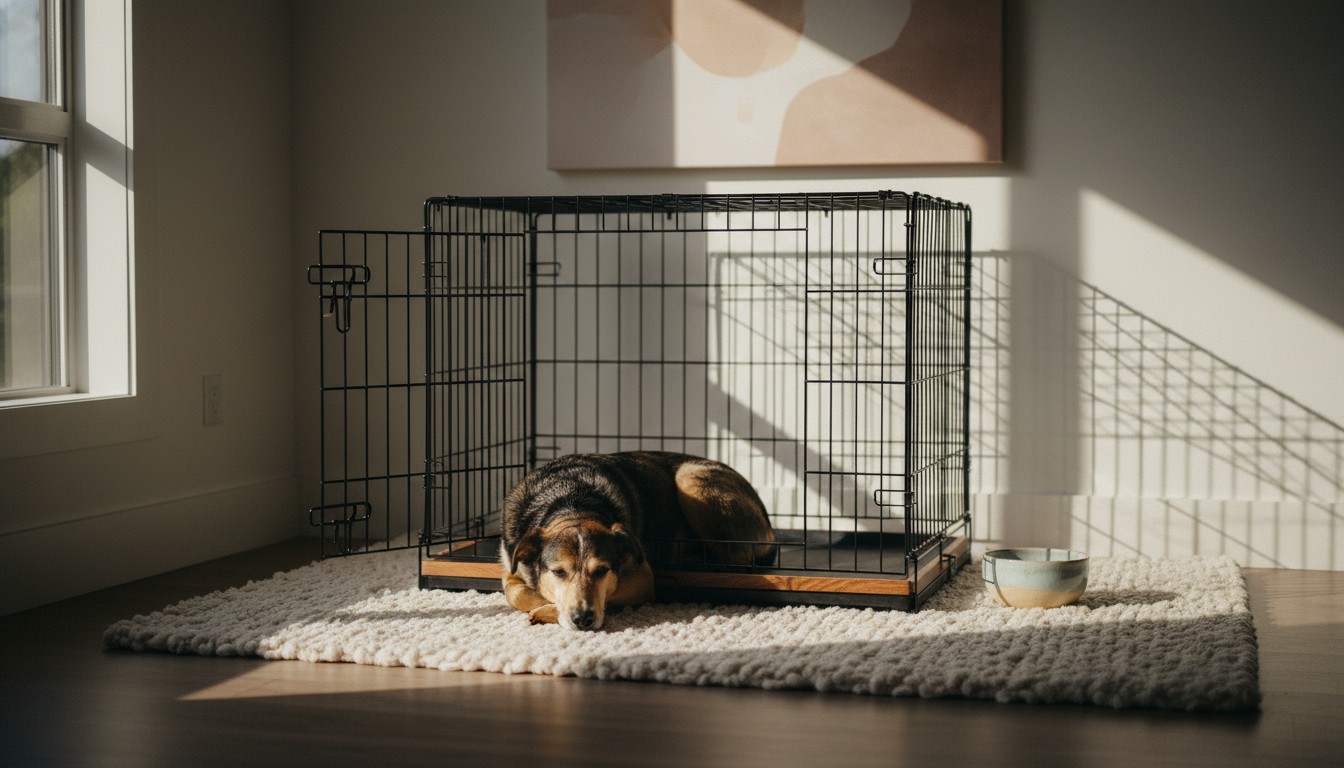
Acoustic Dampening and Sound Management
Sound is often the most significant trigger for a newly adopted pet. To create a truly low-stimulus environment, you must address both internal and external noises. Start with acoustic dampening. If the room has hardwood or tile floors, add a thick area rug from a store like Target or Home Depot. Soft surfaces absorb sound waves, whereas hard surfaces cause them to bounce, creating a 'bright' and potentially startling acoustic environment.
External noise management is equally vital. Instead of total silence, which can make every small floorboard creak sound like a gunshot, use white noise or 'brown noise' to create a consistent auditory floor. Devices like the 'Marpac Dohm' or even a simple box fan can mask the sounds of neighbors, doorbells, or mail delivery. Research has also shown that classical music or specifically designed pet music, such as 'Through a Dog's Ear,' can have a sedative effect. Keep the volume at a moderate level—roughly 50 to 60 decibels—to ensure it remains a background comfort rather than a secondary distraction.
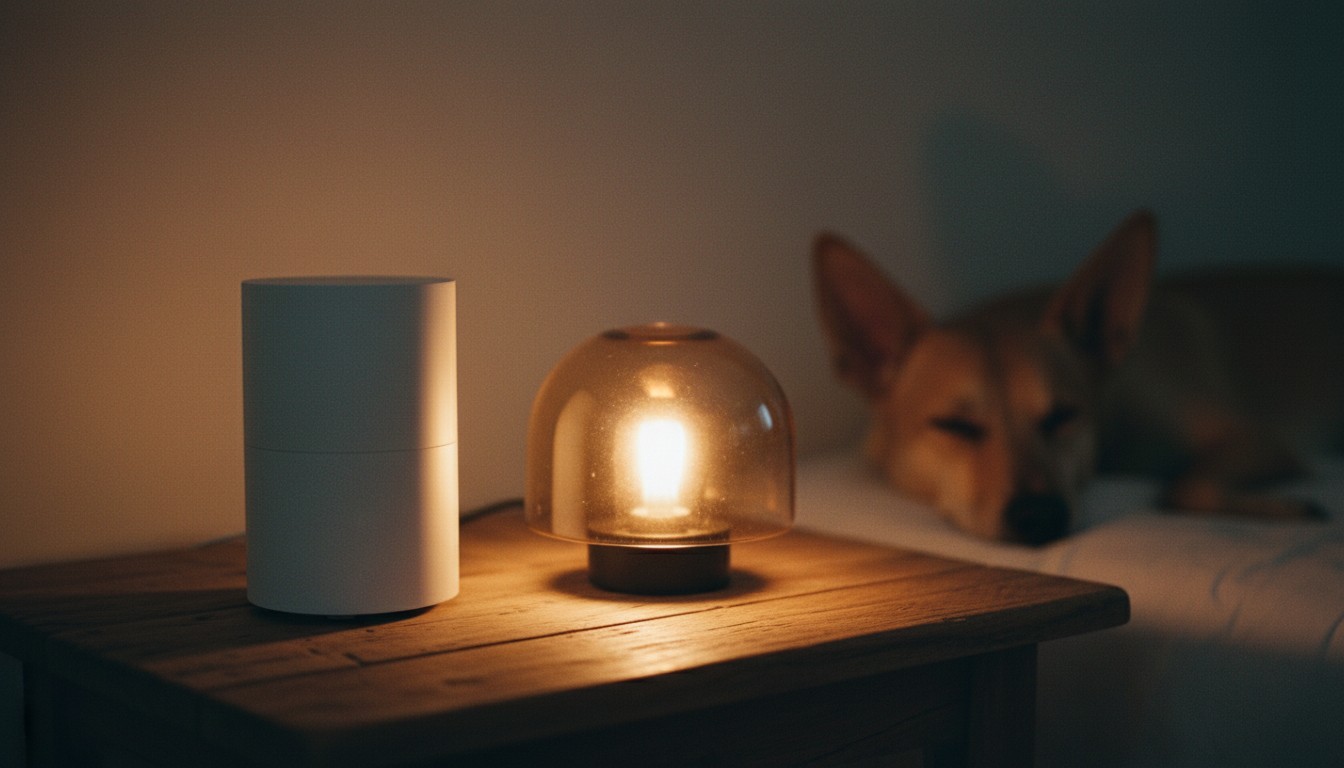
Lighting Control and Visual Security
A pet's visual field is often their primary source of information, and in a new home, every shadow or movement can be perceived as a threat. High-intensity overhead lighting can be harsh and agitating. Instead, use dimmable lamps or smart bulbs that allow you to warm the color temperature. Avoid fluorescent lights, as they can sometimes emit a high-pitched hum that animals find distressing.
Visual security also means controlling what the pet sees outside. If the decompression zone has a window facing a busy sidewalk, use blackout curtains or frosted window film from Amazon to block the view of passing pedestrians and cars. For dogs, a crate covered with a breathable blanket can act as a 'den,' providing 360-degree visual security. For cats, vertical space is essential. A single 'cat tree' or a sturdy shelf allows them to observe the room from a height of 4 to 5 feet, which is their natural biological preference for feeling safe. By limiting visual stimuli, you help the pet focus on their immediate surroundings and their new owner.

Olfactory Comfort and Scent Neutrality
A pet's sense of smell is far more acute than a human's, and a new house is an olfactory explosion of unfamiliar scents. To facilitate decompression, aim for scent neutrality. Avoid using strong air fresheners, scented candles, or harsh chemical cleaners in the decompression zone. Instead, use unscented laundry detergent for their bedding. Before the pet arrives, you can place a piece of your clothing (like a worn T-shirt) in the zone so they can begin to associate your scent with safety in a non-threatening way.
Biochemical aids can also be highly effective. Pheromone diffusers, such as Adaptil for dogs or Feliway for cats, mimic the calming scents produced by nursing mothers. These are widely available at major US retailers like Costco or Petco. When these pheromones are released into the air, they send a chemical signal to the pet's brain that the area is a 'safe zone.' This is especially useful for pets who have traveled long distances or have spent time in high-stress shelter environments where the scent of fear and other animals was pervasive.
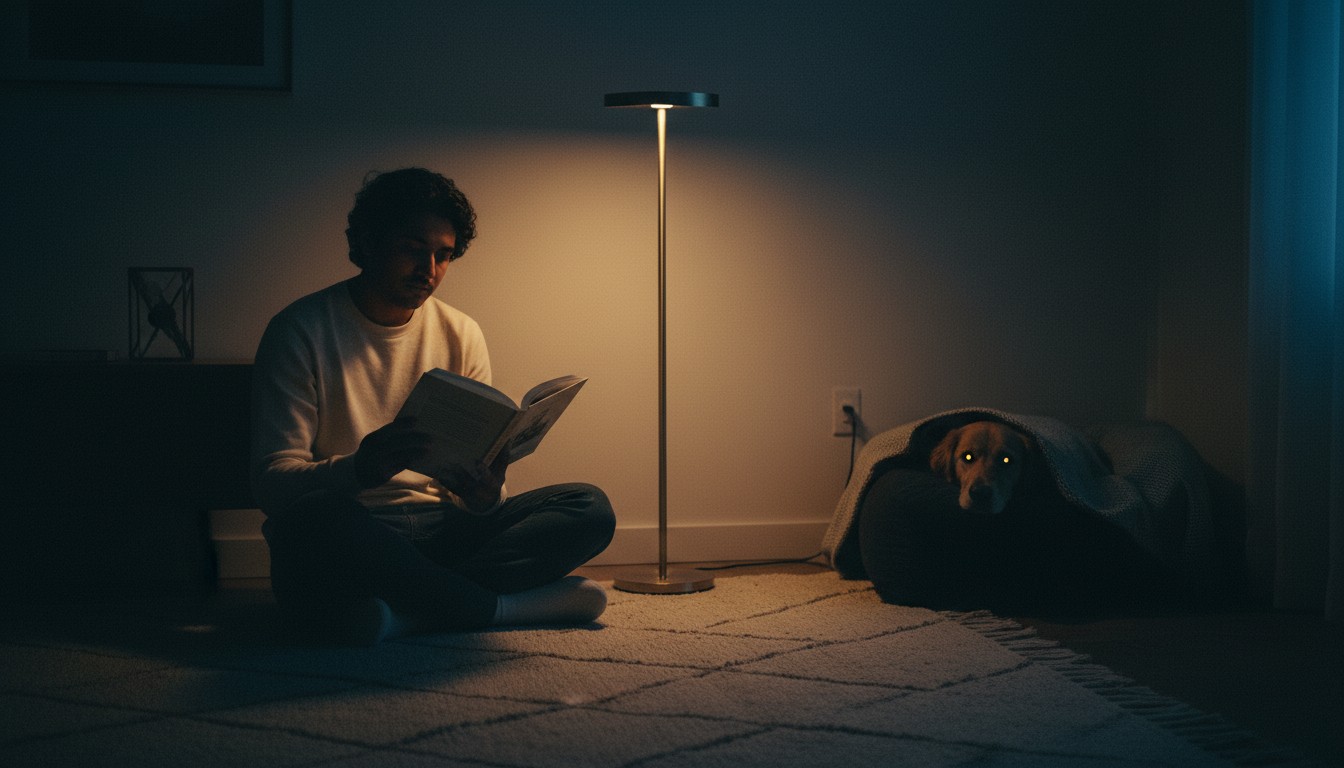
Troubleshooting: Signs of Sensory Overload
Even with a perfect setup, some pets may struggle to settle. It is important to recognize the signs that your decompression zone might need adjustment. In dogs, look for 'whale eye' (showing the whites of the eyes), excessive panting when it isn't hot, or frantic pacing. In cats, signs include hiding for more than 24 hours without eating or using the litter box, or 'over-grooming' to the point of hair loss. If these behaviors persist, your pet might be experiencing sensory overload from a source you haven't identified, such as a high-frequency electronic hum or a scent coming through the ventilation system.
If the pet remains highly agitated after 48 hours, consider consulting a professional. A certified animal behaviorist or a Fear Free certified veterinarian can help determine if the animal requires pharmacological support to lower their baseline anxiety enough for the decompression zone to be effective. Always remember that decompression is a process, not an event. If the pet chooses to hide in their crate or under a chair, let them. Forcing interaction before they are ready will only reset their cortisol clock and delay the bonding process.
FAQ
How long should a new pet stay in the decompression zone?
Most experts recommend a minimum of 24 to 72 hours for the initial decompression phase. However, every pet is different; some may be ready to explore the rest of the home in a day, while fearful or traumatized pets might need a week or more before they feel comfortable leaving their safe space.
Can I sleep in the decompression zone with my new pet?
If it helps the pet feel more secure, you can sleep in the same room, but maintain distance. Avoid forcing physical contact or 'cuddling' if the pet is showing signs of stress. Being a quiet, calm presence nearby can help build trust without being overwhelming.
Should I feed my pet in their decompression zone?
Yes, feeding them in their safe space helps create a positive association with the area. It also allows them to eat in peace without the fear of being interrupted by other pets or household noise, which is crucial for animals with potential food guarding issues.
Conclusion
Designing a low-stimulus decompression zone for pets is the single most effective way to ensure a smooth transition into your family. By thoughtfully managing acoustics, lighting, and olfactory triggers, you provide your new pet with the sanctuary they need to process their new reality. Remember that the goal is not to isolate the pet, but to protect them from sensory overload during their most vulnerable period. As they begin to show signs of relaxation—sleeping deeply, eating regularly, and showing curiosity—you can slowly expand their world. Always consult with a veterinarian or professional trainer if you notice signs of extreme distress that do not improve with environmental management. With patience and a well-planned environment, you are setting the foundation for a lifetime of trust and companionship.
References & Sources
This article was researched using the following sources:


