














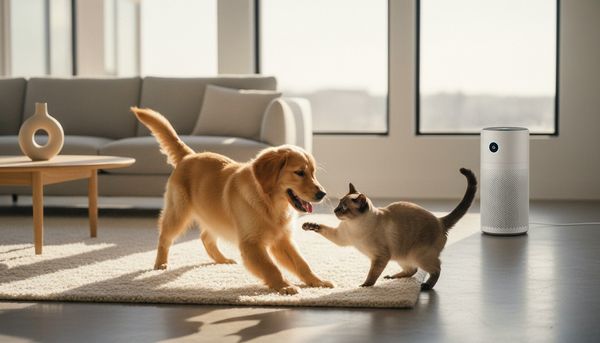
Walk into any Target or Costco in the United States today, and you are greeted by aisles of aromatherapy products. From ultrasonic essential oil diffusers to artisanal holiday candles, making our homes smell like a 'spiced pumpkin patch' or 'eucalyptus forest' has become a standard of modern self-care. However, for our four-legged roommates, this fragrant atmosphere may be a toxic cloud. The relationship between essential oil diffusers and pets is more complex than many 'natural' marketing labels suggest. While we enjoy the scent, our dogs and cats are processing these airborne compounds in ways their bodies weren't built for. This article dives deep into the science of aerosolized toxins, the specific chemistry of phenols, and how you can maintain a fresh-smelling American home without compromising your pet's liver function or respiratory safety.
The Physiology of Inhalation: Why Pets Breathe Differently
To understand why home fragrances are risky, we must first look at pet physiology. Dogs and cats have a much higher respiratory rate than humans. A resting dog may take up to 30 breaths per minute, while a cat ranges from 15 to 30. Because they breathe faster, they take in a higher volume of air relative to their body weight. Furthermore, most pets live their lives closer to the floor. In a typical US home, heavy fragrance molecules and particulate matter from candles tend to settle in lower air strata, creating a concentrated 'micro-climate' right where your Golden Retriever or Tabby sleeps.
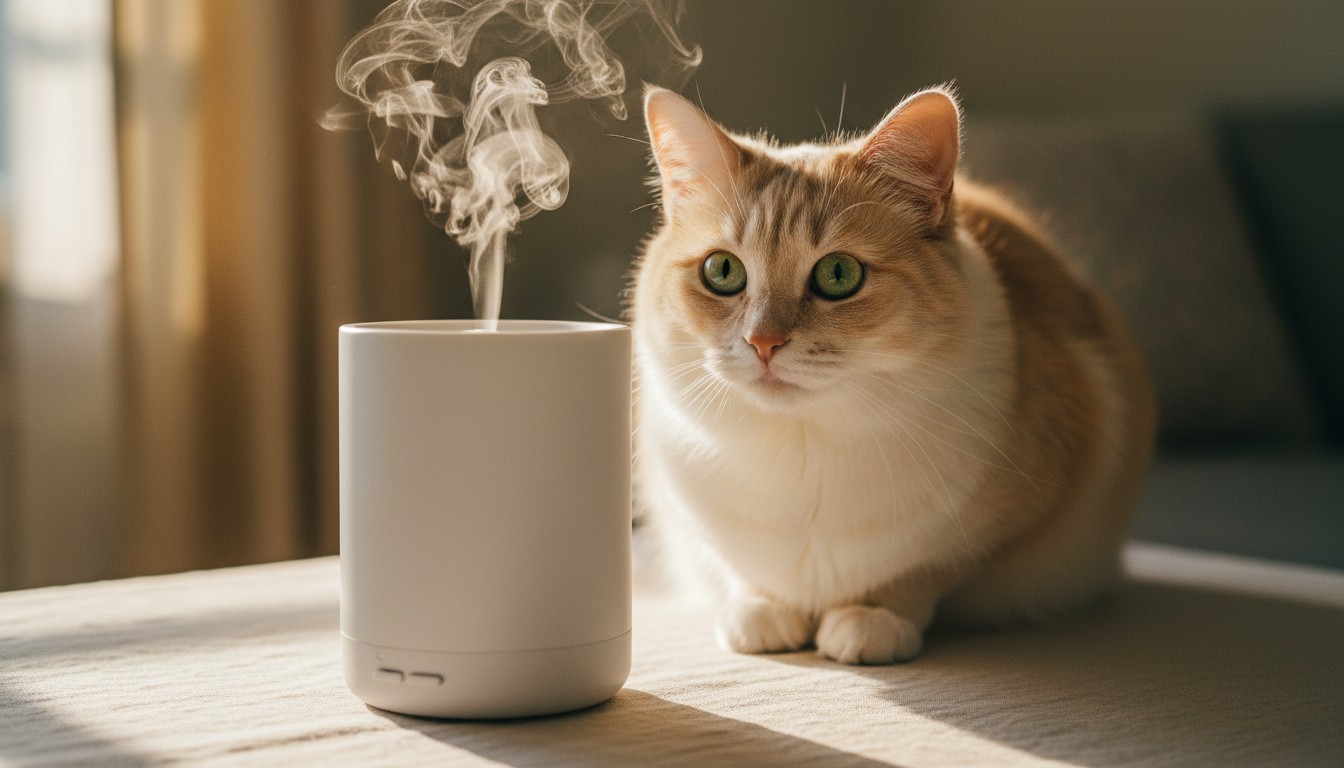
There is a critical distinction between inhalation and ingestion, though they often overlap. When an ultrasonic diffuser runs, it breaks essential oils into micro-droplets. These droplets are inhaled directly into the lungs, entering the bloodstream rapidly. However, these droplets also settle on the pet’s fur. Because cats and dogs are fastidious groomers, they eventually lick these oils off their coats. This creates a double-hit: the respiratory system handles the initial 'hit,' while the digestive system and liver must process the secondary ingestion. This cumulative exposure is why a diffuser running 24/7 in a closed bedroom is significantly more dangerous than a quick spray of a pet-safe deodorizer.
Chemical Culprits: Phenols, Monoterpenes, and Liver Failure
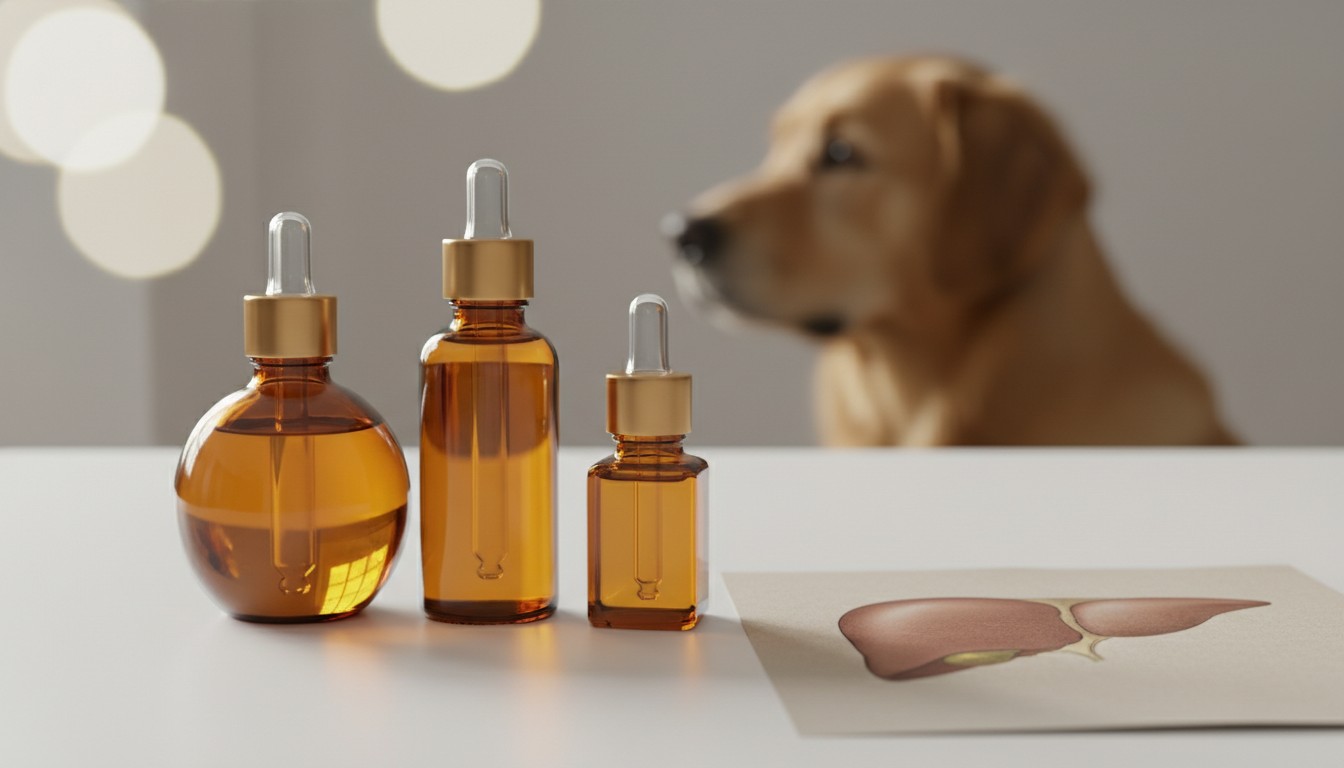
The word 'natural' is often used as a synonym for 'safe,' but in toxicology, this is a dangerous fallacy. Many essential oils contain high concentrations of phenols and monoterpenes. Phenols are organic compounds found in oils like peppermint, oregano, and tea tree (melaleuca). While humans have a specific liver enzyme called glucuronyl transferase that helps break down these compounds through a process called glucuronidation, cats are evolutionarily deficient in this enzyme. This means a cat's liver cannot efficiently process phenols, leading to a toxic buildup in the blood.
Monoterpenes, frequently found in citrus and pine oils, present a similar challenge. Dogs are generally better at processing these than cats, but high concentrations—such as those found in a small, unventilated bathroom during a long 'spa' bath—can still overwhelm their systems. The liver must work overtime to filter these chemicals, which can lead to elevated liver enzymes and, in severe cases of chronic exposure, hepatic failure. When you see a label on a bottle from a major US retailer like Walmart or Amazon saying '100% Pure,' remember that 'pure' often means 'highly concentrated toxin' for a feline's unique metabolic pathways.
Scented Candles and the Danger of Particulate Matter
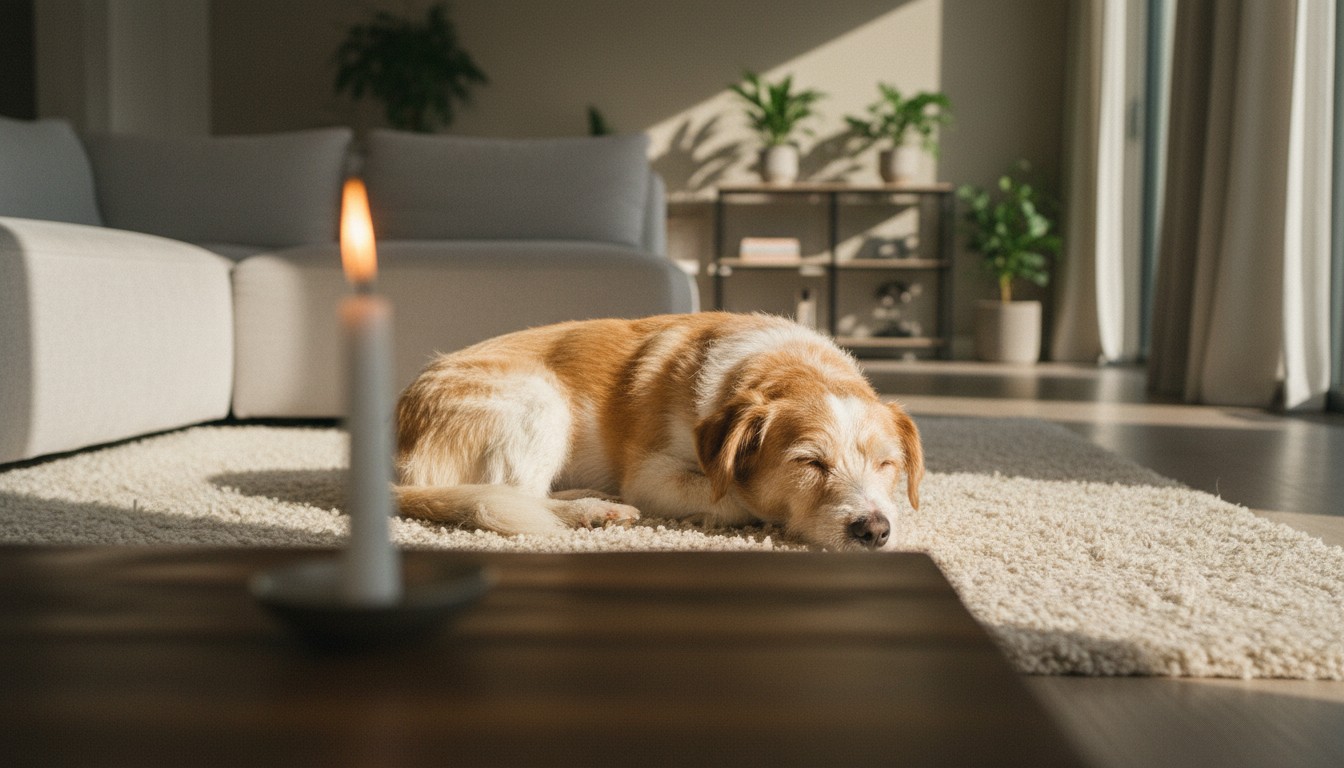
While diffusers use liquid droplets, scented candles introduce a different hazard: Particulate Matter (PM) and Volatile Organic Compounds (VOCs). Most mass-market candles sold in the US are made from paraffin wax, a petroleum byproduct. When burned, paraffin releases chemicals like benzene and toluene, which are known carcinogens. Even 'cleaner' soy or beeswax candles can be problematic if they contain synthetic fragrances or lead-core wicks (though lead wicks were officially banned in the US in 2003, some imported or vintage candles may still contain them).
The soot produced by a candle is composed of ultra-fine particles. For a pet with pre-existing conditions like feline asthma or canine chronic bronchitis, this soot acts as a massive respiratory irritant. Imagine the 'soot ghosting' you sometimes see on your walls or ceilings near a candle; that same material is being deposited into your pet's sensitive lung tissue. Furthermore, the strong artificial scents used to create 'Fresh Linen' or 'Cinnamon Roll' aromas are often complex chemical cocktails that can trigger immediate sneezing fits, watery eyes, and labored breathing in sensitive animals.
The Living Room Effect: Ventilation and Cumulative Exposure
One of the biggest risks in the modern American home is the lack of proper ventilation. New construction homes are designed to be airtight for energy efficiency, which is great for your utility bill but terrible for indoor air quality. If you are running an essential oil diffuser in a 1,000-square-foot apartment with the windows shut during a cold Midwest winter, the concentration of airborne oils can reach dangerous levels within hours. This is what toxicologists call 'cumulative exposure.'
Unlike a one-time spill, where the symptoms are acute and obvious, cumulative exposure from a diffuser or frequent candle use builds up over weeks and months. Your pet might seem fine for a while, but then they start showing signs of chronic lethargy or a persistent 'cough.' To mitigate this, experts recommend the 'one-room, open-door' rule. Never run a diffuser in a room where a pet is confined. Always ensure there is a way for the pet to leave the area and access 'clean' air. If you can smell the scent strongly in every corner of your house, it is likely too concentrated for your pet's safety.

Safe Alternatives for a Fresh-Smelling Home
You don't have to choose between a stinky house and a sick pet. There are several ways to manage odors that don't involve aerosolizing toxic chemicals. The first and most effective method is high-quality air filtration. Investing in a HEPA (High-Efficiency Particulate Air) filter can remove the pet dander and bacteria that cause odors in the first place, rather than just masking them with perfume. Brands like Honeywell or Winix offer units that are highly effective in typical US suburban homes.
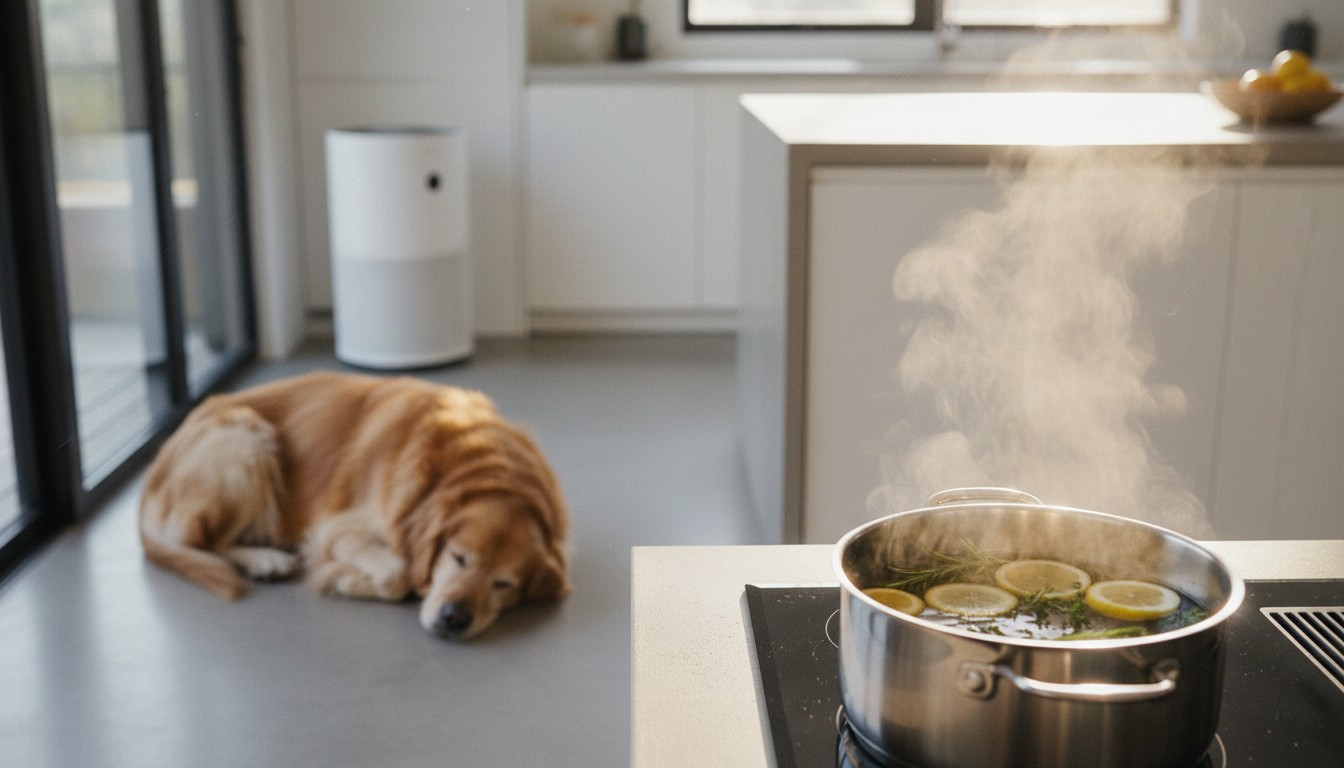
Another safe alternative is the 'simmer pot.' By placing water, apple slices, cinnamon sticks, and vanilla extract in a small pot on the stove, you can create a warm, inviting scent using whole food ingredients rather than concentrated oils. Because the scent is carried by steam rather than micro-droplets of oil, it is much easier on the respiratory system. For direct odor control on carpets or upholstery, baking soda remains the gold standard. Sprinkle it, let it sit for 15 minutes, and vacuum it up using a machine with a good filter. This targets the source of the smell without adding a single phenol to your pet's environment.
Troubleshooting: Signs of Distress and When to See a Vet
Even the most careful pet owners can occasionally overdo it with scents. It is vital to recognize the early warning signs of respiratory or hepatic distress. If your pet begins squinting, pawing at their face, or sneezing excessively while a diffuser is running, turn the device off immediately and move the pet to fresh air. More serious signs include 'mouth breathing' in cats (which is always an emergency), a persistent honking cough in dogs, or sudden lethargy.
If the exposure was oral—such as a cat licking a diffuser or a dog knocking over an oil bottle—look for drooling, vomiting, or tremors. Because essential oils are rapidly absorbed, time is of the essence. If you suspect your pet has been affected by airborne hazards, contact your veterinarian or a service like the ASPCA Animal Poison Control Center. Do not wait for symptoms to 'clear up' on their own; liver damage can be silent until it reaches a critical stage. Bring the bottle of oil or the candle with you to the clinic so the vet can identify specific ingredients like tea tree or wintergreen, which require specific treatment protocols.
FAQ
Is lavender essential oil safe to diffuse around cats?
Lavender is generally considered one of the safer oils, but it still contains small amounts of linalool, which can be irritating. Always ensure the room is well-ventilated and the cat has an exit route to avoid concentrated exposure.
Which essential oils are the most toxic to dogs?
Tea tree oil (melaleuca), pennyroyal, wintergreen, and pine oils are among the most dangerous for dogs. Even small amounts can cause skin irritation, vomiting, and central nervous system depression if inhaled or ingested.
Are 'pet-safe' candles actually different from regular candles?
Often, yes. Pet-safe candles typically use soy, coconut, or beeswax instead of paraffin and avoid synthetic fragrances or phthalates. They also use cotton or wood wicks to minimize soot production, but they should still be used in moderation.
Can I use a diffuser if it's in a different room than my pet?
Yes, this is much safer. Using a diffuser in a room with a closed door that the pet cannot access significantly reduces their risk, provided the central HVAC system isn't circulating the concentrated scent throughout the entire house.
Conclusion
Creating a cozy, fragrant home is a point of pride for many Americans, but the safety of our companion animals must come first. By understanding that 'natural' oils like peppermint and tea tree can be metabolically impossible for cats to process, and that candle soot is a major irritant for dogs, we can make better choices at the checkout counter. Stick to well-ventilated spaces, opt for HEPA filters to clean the air rather than just scenting it, and always monitor your pet for signs of respiratory distress. If you ever notice changes in your pet's breathing, behavior, or appetite after introducing a new home fragrance, consult your veterinarian immediately. Your pet relies on you to be the guardian of the air they breathe.
References & Sources
This article was researched using the following sources:
