














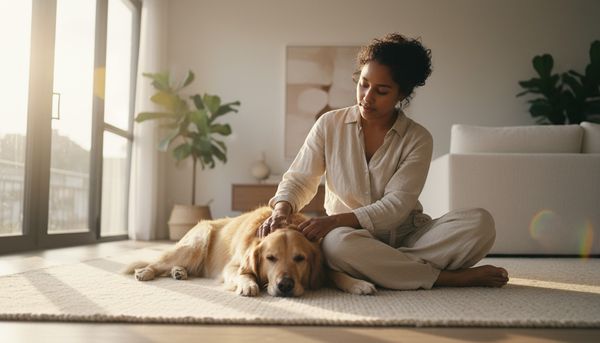
As a devoted pet owner, you know your companion better than anyone else. However, noticing a change in behavior often happens after an illness has progressed. By performing a systematic nose-to-tail at-home health exam once a week, you move from a reactive state to a proactive one. This structured inspection allows you to establish a 'baseline' for what is normal for your pet, making it significantly easier to spot subtle abnormalities—like a pea-sized lump or a change in gum color—long before they become emergencies. In the United States, where veterinary costs can escalate quickly, early detection through a consistent nose-to-tail at-home health exam is one of the most cost-effective ways to manage your pet’s long-term wellness. This guide will walk you through the professional tactile techniques used by veterinarians to ensure your dog or cat stays in peak condition.
Phase 1: The Head, Mouth, and Vital Indicators
Begin your exam at the very front. Start by looking at your pet's eyes; they should be clear, bright, and free of discharge. Cloudiness or excessive tearing can indicate infection or irritation. Move to the nose, which should be moist or dry depending on the individual pet, but free of thick or colored discharge.
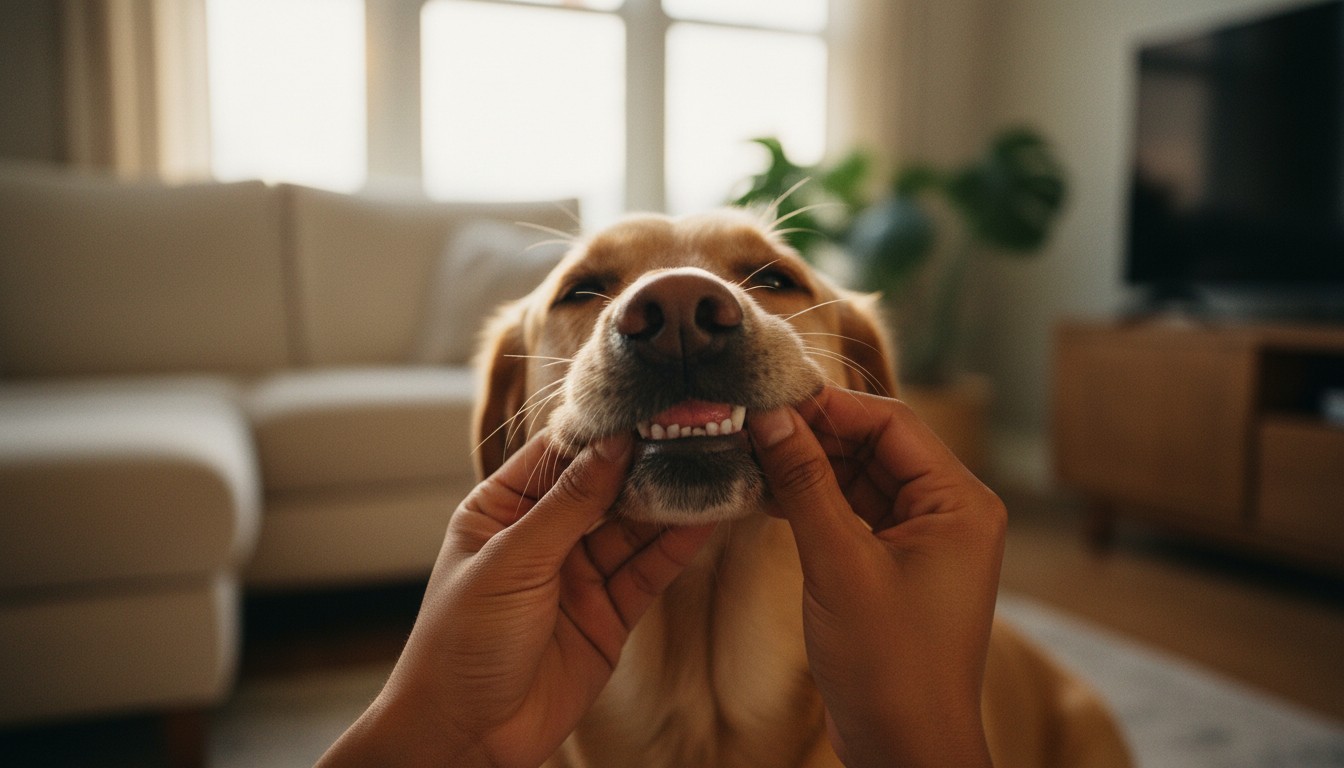
The mouth is perhaps the most critical part of the head check. Lift the lips to inspect the gums. Healthy gums should be a bubblegum pink. Perform the 'Capillary Refill Time' (CRT) test by pressing your finger firmly against the gum until it turns white, then release. The color should return to pink in under two seconds. If it takes longer, or if the gums appear pale, blue, or deep red, contact your vet. This is also the time to check for 'dog breath' that smells unusually sweet or foul, which can indicate dental disease or internal metabolic issues. Finally, check the ears for redness, a yeasty odor, or dark debris resembling coffee grounds, which are common signs of ear mites or infections often seen in humid regions of the US.
Phase 2: Tactile Inspection of Lymph Nodes and Neck
Feeling for lymph nodes is a skill that requires a gentle, 'milking' touch rather than deep pressure. There are several sets of peripheral lymph nodes accessible to owners. The easiest to find are the submandibular nodes, located under the jaw where the head meets the neck. They usually feel like small, firm beans. If they feel like large marbles or golf balls, it may indicate an immune response or infection.
Continue your hands-on scan down the neck to the 'prescapular' lymph nodes, located just in front of the shoulder blades. Use the flats of your fingers to slide the skin over the underlying tissue. You are looking for symmetry; if one side feels larger than the other, make a note of it. During this phase, check the 'skin tent' for hydration. Gently pinch the skin between the shoulder blades and let go. In a well-hydrated pet, the skin will snap back instantly. In the heat of an American summer, especially in the Southwest or Florida, monitoring hydration through this skin turgor test is essential for preventing heat-related illness.
Phase 3: The Chest, Abdomen, and Body Condition
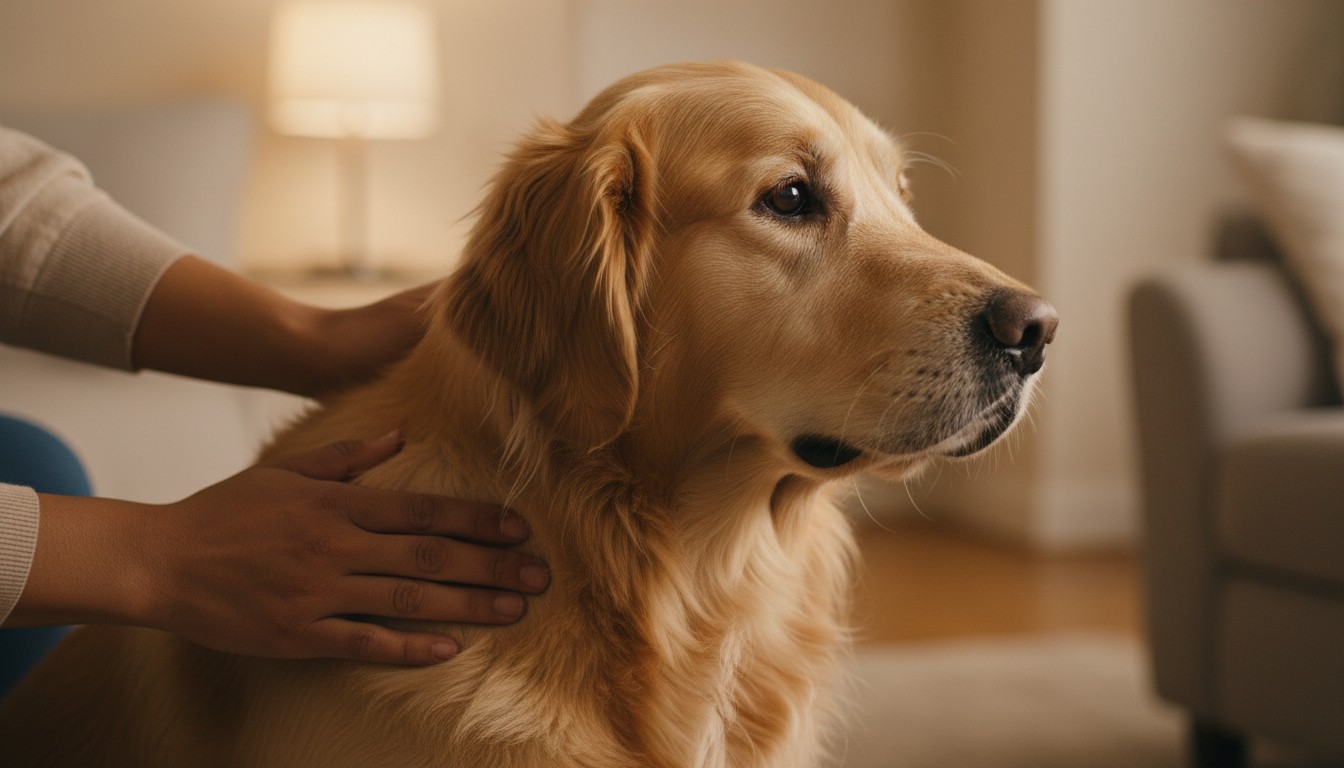
Moving down the body, run your hands over the ribcage. In a healthy-weight pet, you should be able to feel the ribs easily under a thin layer of fat, but they shouldn't be poking out visibly. This is the 'Body Condition Score' (BCS) check. Place both hands on the sides of the chest and feel the heartbeat; it should be steady without any noticeable 'thumping' or irregularities.
Next is the abdominal palpation, which requires a very soft touch. Most pets are sensitive here. Use both hands to gently press into the belly area just behind the ribs, moving toward the hind legs. The abdomen should feel soft and relaxed. If your pet tenses up, groans, or if the area feels 'tucked up' and hard like a drum, this is a sign of abdominal pain or bloating. Be particularly vigilant with deep-chested breeds like Great Danes or Standard Poodles, as they are prone to Gastric Dilatation-Volvulus (GDV). While palpating, feel for any unusual masses. Even a small growth the size of a North American blueberry should be monitored and reported to your vet if it changes size or shape.
Phase 4: Skin, Coat, and Extremities
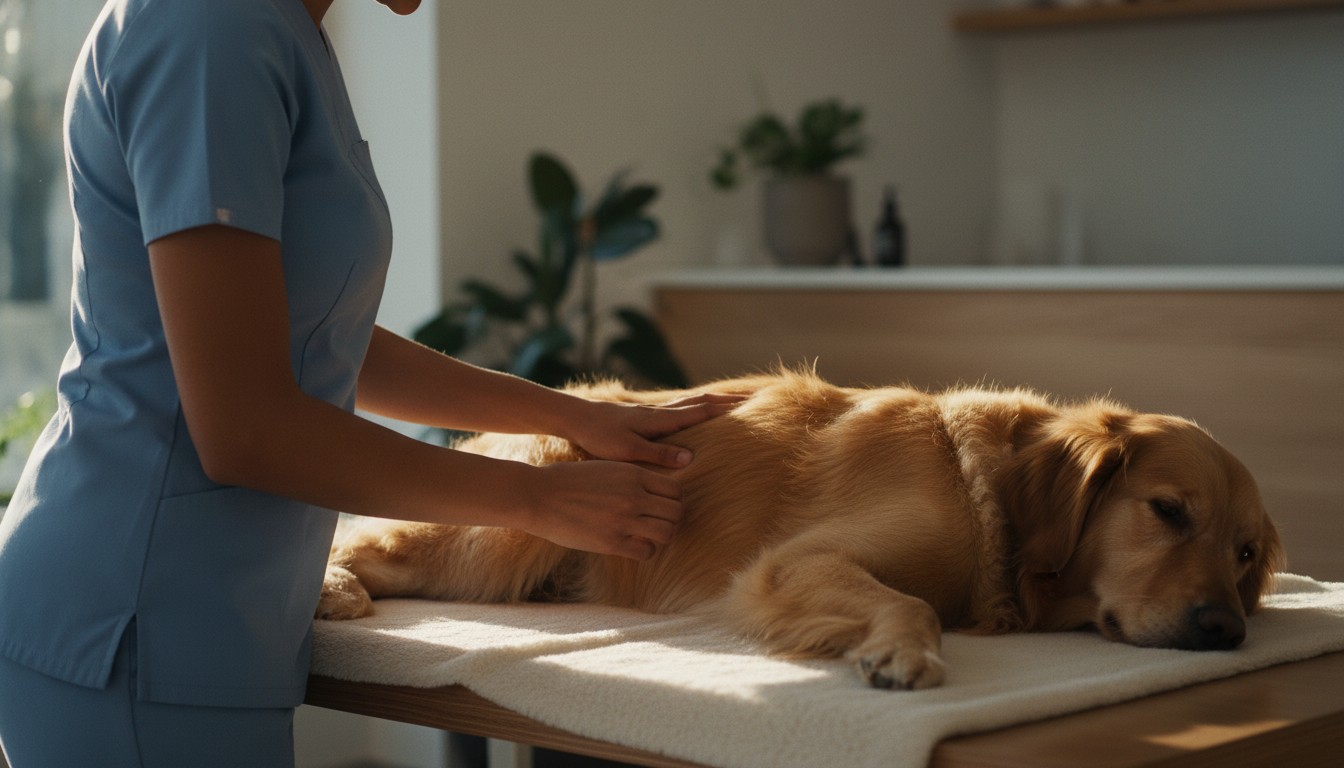
The condition of the skin and coat is a direct reflection of internal health. Part the hair in several places to look at the skin. It should be supple and free of flakes, redness, or 'hot spots.' Check for external parasites like fleas or ticks, which are prevalent across the United States from the woods of Maine to the hills of California. Look for 'flea dirt'—small black specks that turn red when placed on a wet paper towel.
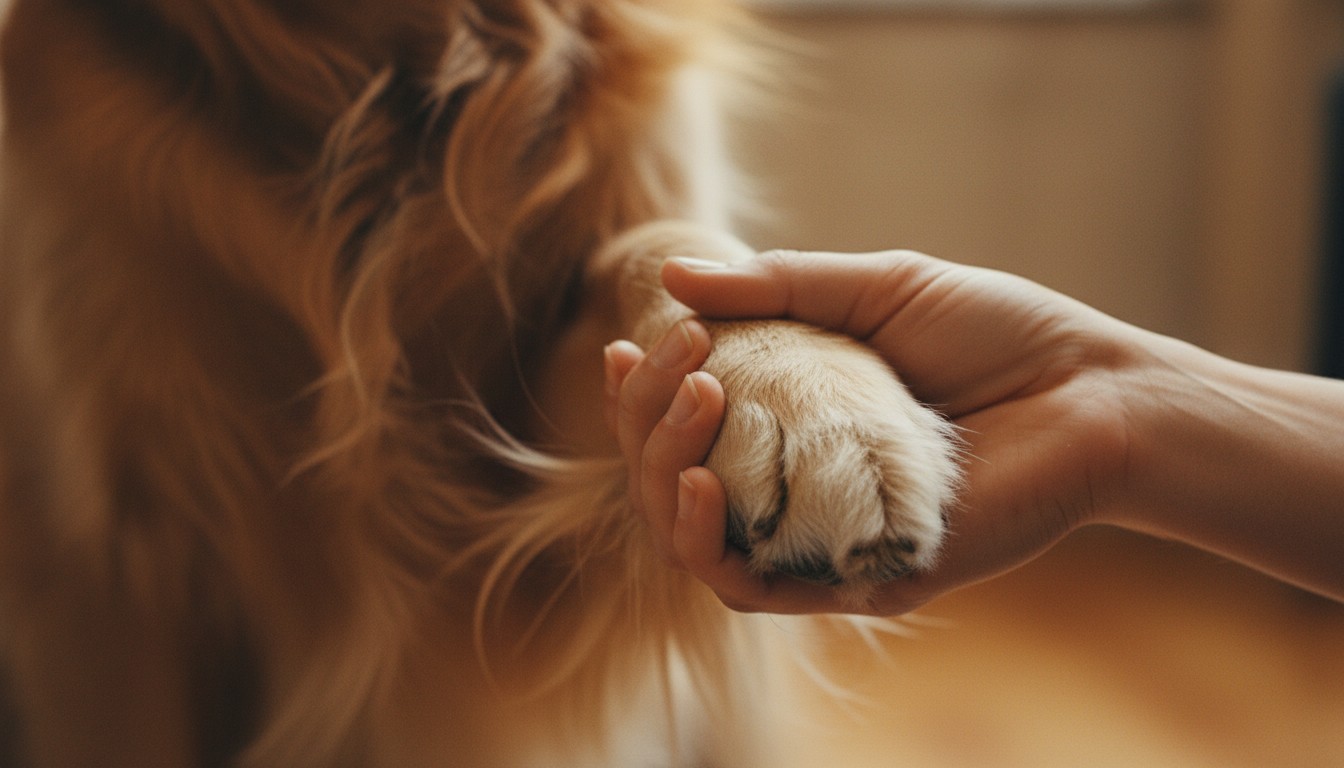
Finish the exam by checking the paws and limbs. Gently squeeze each paw, checking between the toes for burrs, 'foxtails' (common in Western states), or cracked pads. Extend and flex the joints of the legs to check for a full range of motion. If your pet flinches or if you feel a 'gritty' sensation in the joint, it may indicate the onset of arthritis. Finally, check the 'popliteal' lymph nodes located on the back of the hind legs, just above the knee joint. This complete circuit ensures no part of your pet's external anatomy is overlooked, providing you with a comprehensive status report on their physical wellbeing.
Troubleshooting: When the Exam Goes Wrong
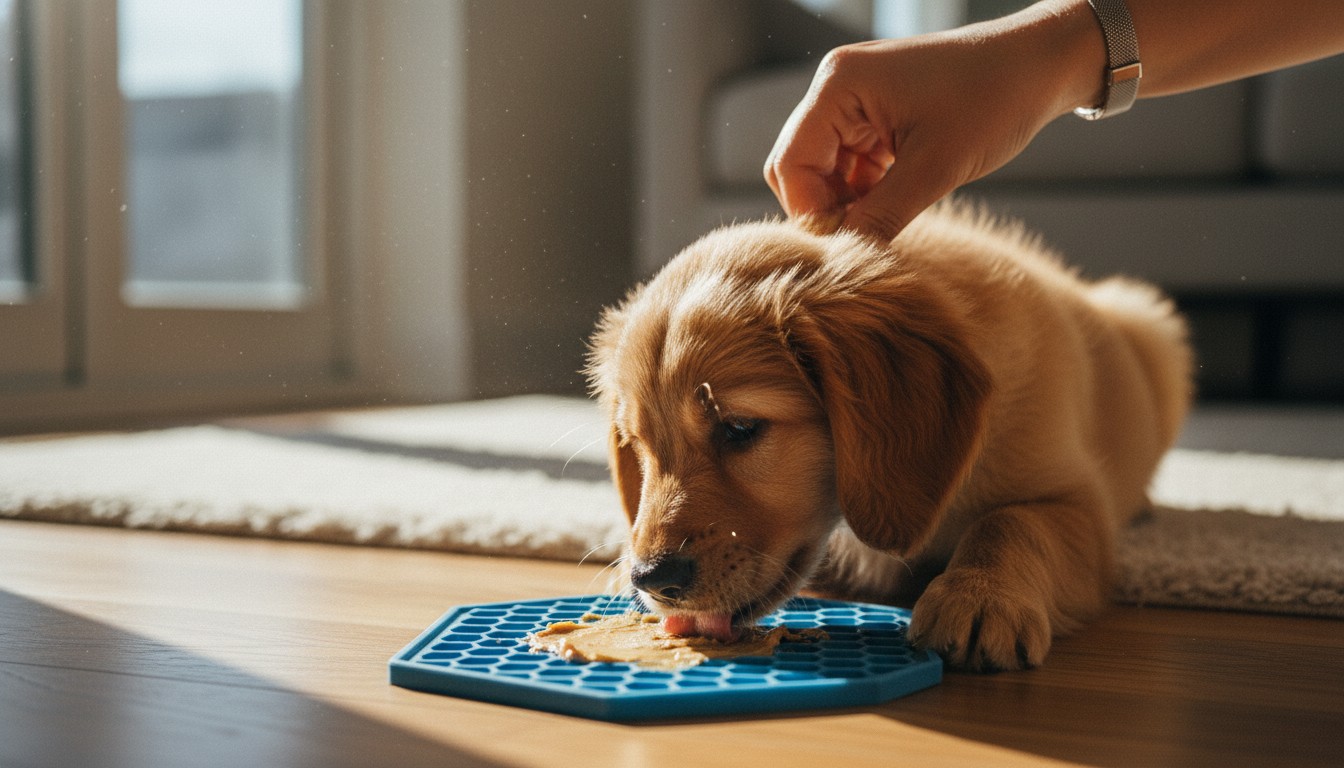
Not every pet will be a willing participant in a nose-to-tail at-home health exam initially. If your pet becomes anxious, growls, or tries to escape, do not force the process. This can create a negative association and make future exams—and vet visits—much more difficult. Instead, break the exam into smaller pieces. Check the ears on Monday, the paws on Tuesday, and the abdomen on Wednesday. Use high-value American-made treats to reward calm behavior at every step.
Signs you should stop the exam and seek professional help include discovery of a hard, non-movable lump, persistent foul odors from any orifice, or clear signs of pain during gentle palpation. If your pet's 'skin tent' stays up for more than a second, they may be severely dehydrated and require subcutaneous fluids at a clinic. Use your smartphone to take photos or videos of anything unusual you find; this provides your veterinarian with 'real-time' data that is invaluable for a diagnosis.
FAQ
How often should I perform a nose-to-tail exam?
You should perform this exam once a week. Doing it frequently helps you learn what 'normal' feels like for your pet, making it much easier to spot new lumps, skin irritations, or changes in sensitivity as soon as they appear.
What does it mean if my pet's gums are white or pale?
Pale or white gums can be a sign of anemia, blood loss, or poor circulation. This is considered a medical emergency, and you should contact your veterinarian or the nearest 24-hour emergency animal hospital immediately.
Can I feel my pet's lymph nodes if they aren't sick?
In many healthy, lean pets, you can feel the submandibular and popliteal lymph nodes as small, pea-sized structures. The goal of the weekly exam is to notice if these 'peas' suddenly grow to the size of 'grapes' or feel significantly firmer than usual.
Conclusion
Performing a systematic nose-to-tail at-home health exam is an essential skill for any proactive pet owner. By dedicating just ten minutes a week to this routine, you create a powerful early-warning system for your pet's health. You will become the expert on your pet's 'normal,' allowing you to provide your veterinarian with precise details that can speed up diagnosis and treatment. Remember, this exam is not a replacement for professional veterinary care but a supplement to it. Always consult your vet if you find anything concerning, such as new lumps, painful areas, or changes in vital signs. Keep a simple log or use a pet health app to track your findings, ensuring your furry family member enjoys a long, healthy life in your care.
References & Sources
This article was researched using the following sources:

