














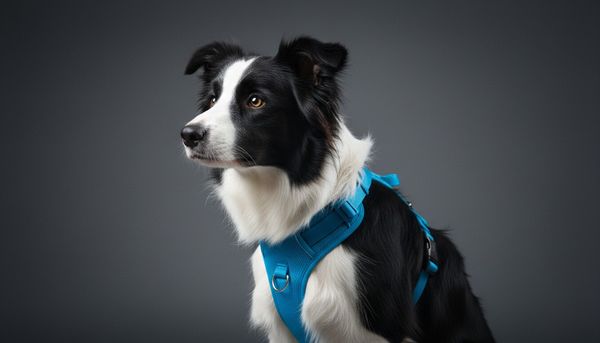
Finding the perfect harness fit is more than just a matter of keeping your dog secure; it is a critical component of their long-term orthopedic health. Many pet owners walk into a big-box store like Petco or browse Amazon and choose a harness based on color or a 'no-pull' promise without realizing that the wrong design can permanently alter a dog's gait. A harness that sits too high can put pressure on the trachea, while one that sits too low can restrict the scapula, or shoulder blade, leading to inflammation and shortened strides. This guide will teach you how to analyze your dog’s skeletal structure to ensure their gear facilitates natural movement rather than hindering it.
The Biomechanics of Shoulder Movement
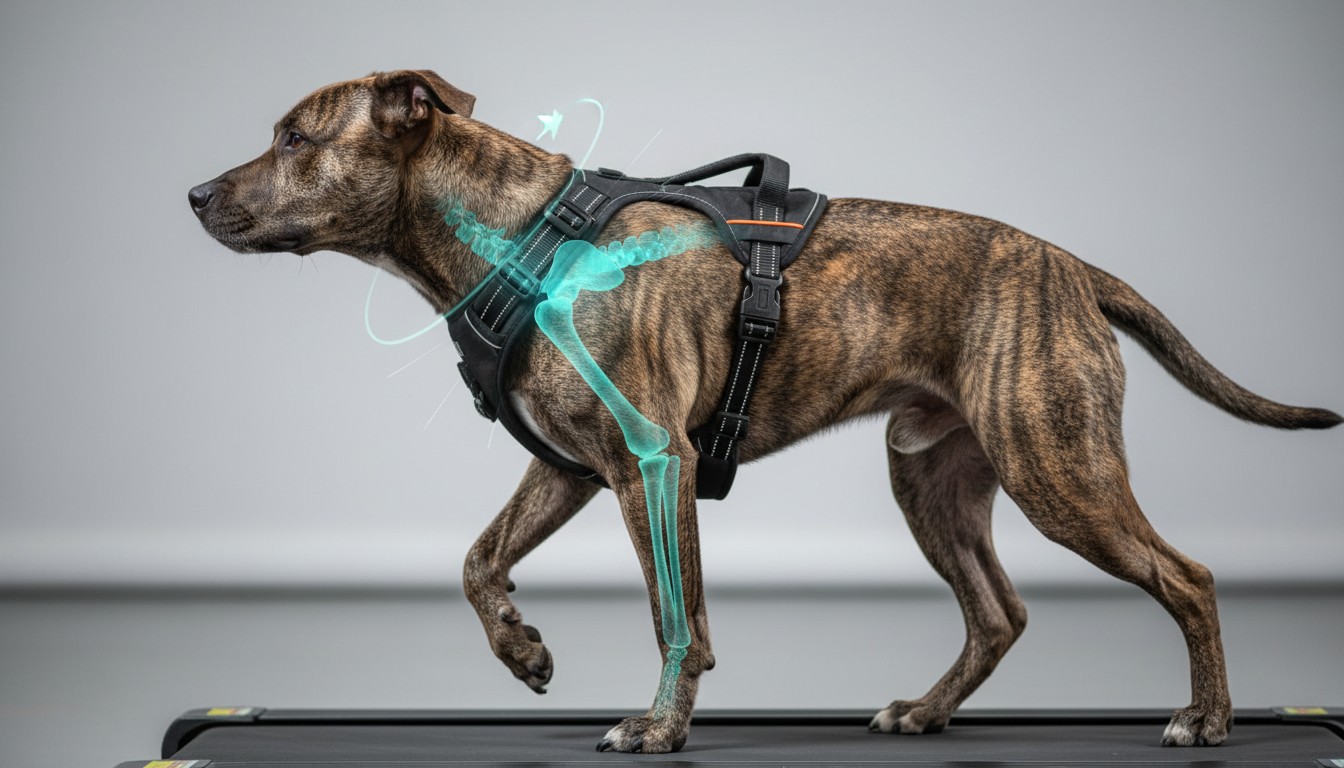
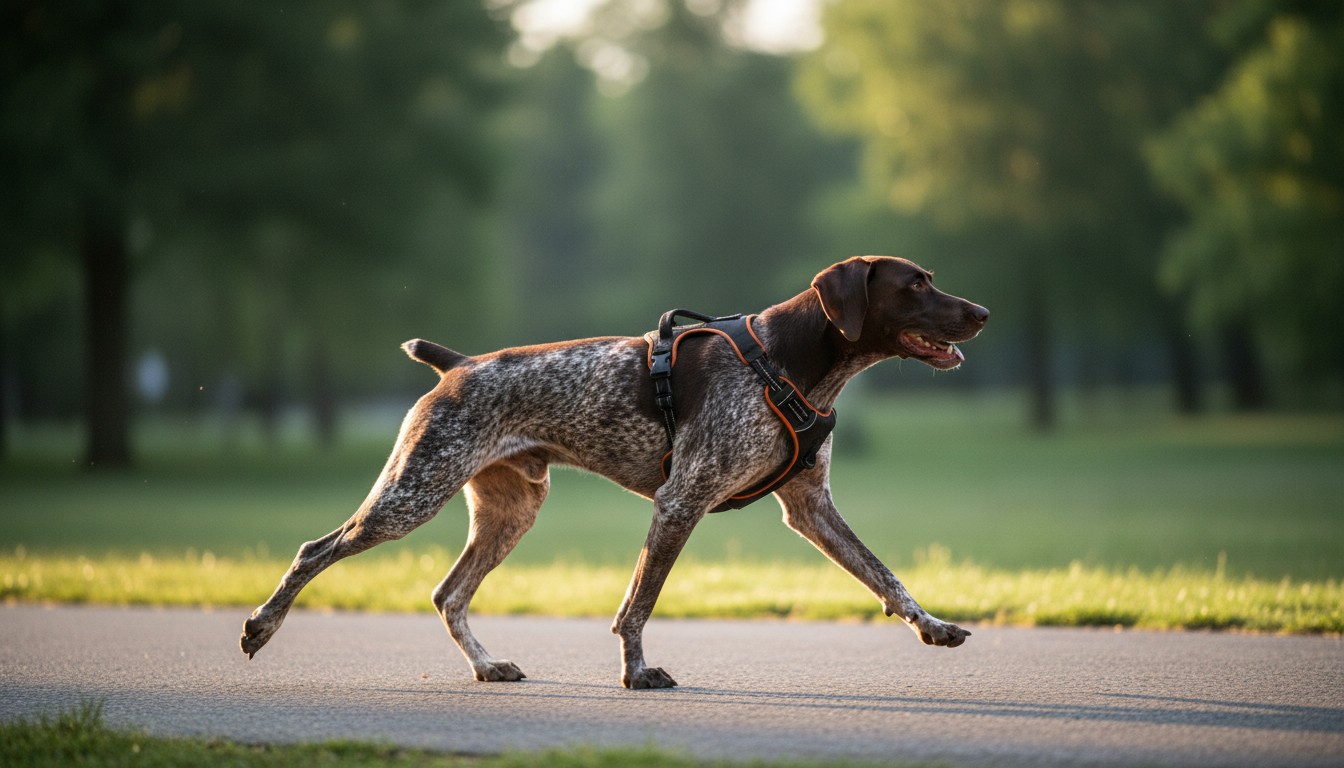
To understand a perfect harness fit, you must first understand how a dog moves. Unlike humans, dogs do not have a collarbone connecting their front limbs to the rest of their skeleton. Instead, the front legs are attached by a complex system of muscles and tendons. This means the shoulder blade, or scapula, needs to rotate freely across the ribcage for a full, healthy stride. When a harness has a horizontal strap that sits across the chest—often called a 'Norwegian' or 'chest-plate' style—it physically blocks the forward motion of the humerus and the rotation of the scapula.
Over time, this restriction can lead to repetitive strain injuries and even early-onset arthritis. Owners should look for a 'Y-shaped' design where the straps originate from the base of the neck and meet at the breastbone (prosternum). This leaves the shoulder joint open and the surrounding muscles unencumbered. When testing a fit, observe your dog from the side while they walk; the front legs should be able to extend fully forward without the harness straps shifting or digging into the muscle tissue. If the harness slides back and forth significantly, it is likely too loose or the wrong shape for your dog's specific proportions.
Critical Measurements: Beyond the Girth
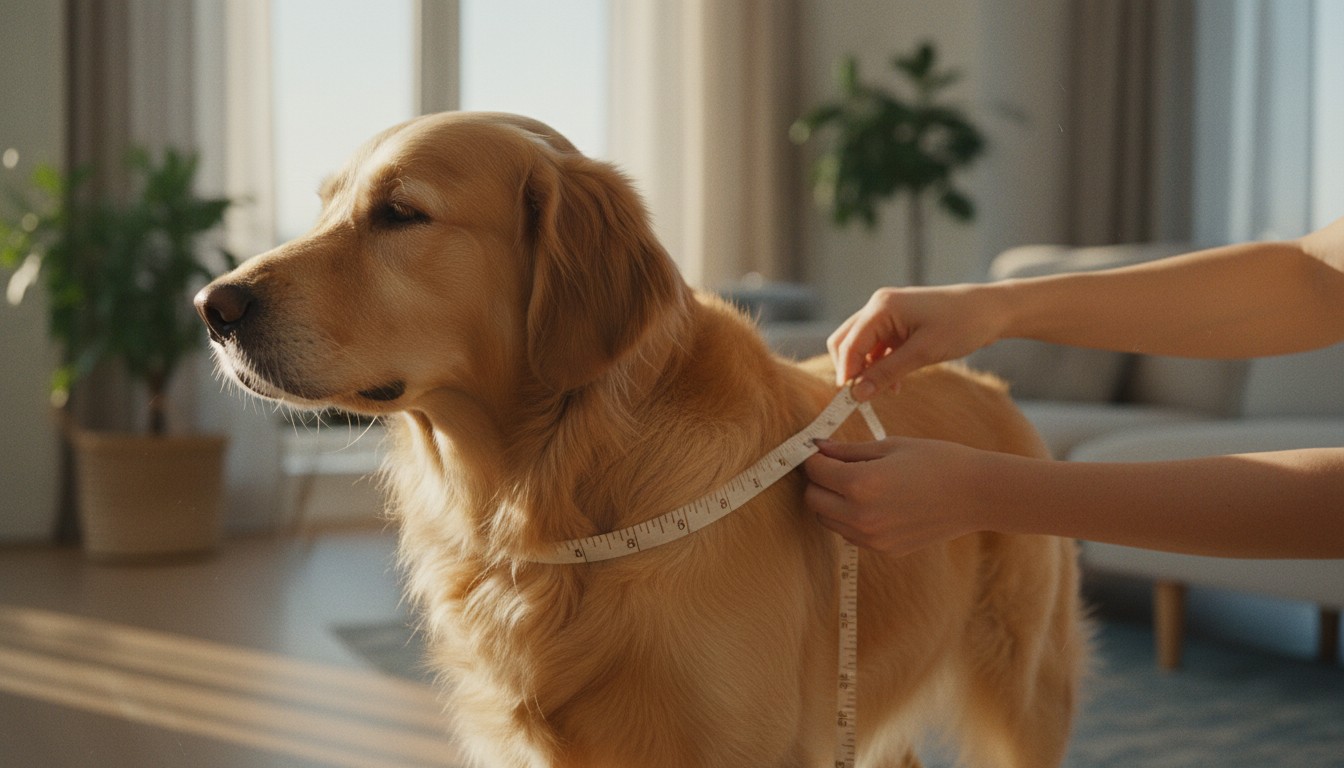
Most manufacturers categorize sizes by weight or a single girth measurement, but a truly perfect harness fit requires three distinct data points. First, measure the base of the neck. This is not where a collar sits, but lower down where the neck meets the shoulders. You want the harness to rest on the sturdy skeletal structure of the shoulders, not the soft tissue of the neck. Second, measure the girth at the widest part of the ribcage, typically about two to three inches behind the front legs. Finally, measure the 'length' of the chest from the prosternum (the bony point at the front of the chest) to the point behind the elbows where the girth strap will sit.
Using a soft fabric measuring tape is essential for accuracy. If you are between sizes at a store like Target or Walmart, generally size up and adjust the straps down. A harness that is too short in the chest piece will pull the girth straps into the dog’s 'armpits' (the axillary region), causing painful chafing and inhibiting movement. Conversely, a chest piece that is too long will cause the harness to sit too far back on the floating ribs, which can cause internal discomfort and instability during the walk.
The Two-Finger Rule and Chafing Checks
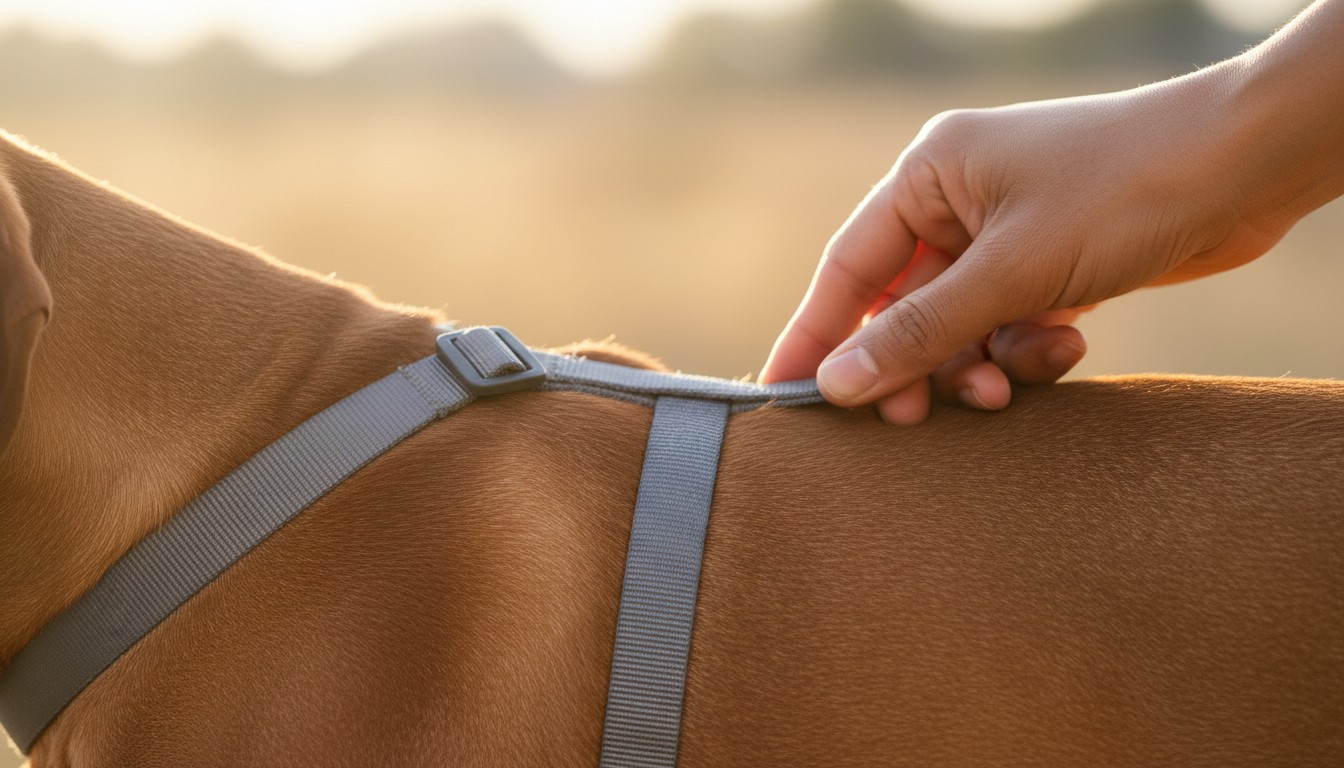
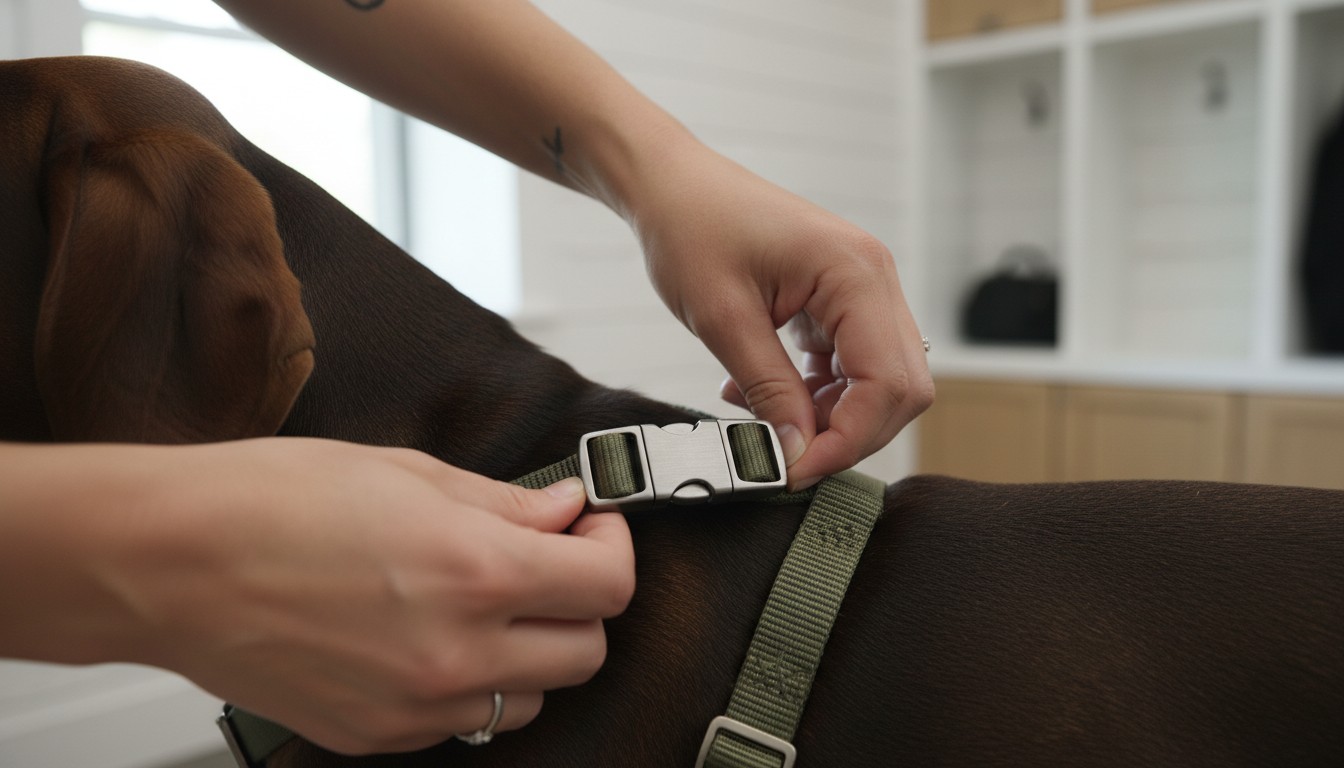
Once the harness is on, you must verify the tension. The most common mistake is leaving the harness too loose, which leads to friction and 'harness burn.' A loose harness rubs against the skin with every step, much like a loose hiking boot causes blisters on a human. To check the tension, use the 'two-finger rule': you should be able to snugly fit two fingers between the harness straps and your dog's body at any point. If you can fit more, it's too loose and may shift; if you can't fit two, it's too tight and will restrict breathing and movement.
Special attention must be paid to the axillary area, or the space behind the front legs. There should be a 'four-finger' gap between the back of the front leg and the start of the girth strap. This ensures that when the dog moves, their elbows don't hit the straps. Check for signs of redness or thinning fur in this area after every walk, especially if your dog has a short coat or sensitive skin. If you notice irritation, consider a harness with fleece padding or a longer chest plate to move the straps further back on the ribcage.
Troubleshooting Fit and Escape Prevention
Even a well-measured harness can present issues in the real world. If you find your dog is 'pancaking' (lying down and refusing to move) when the harness comes out, it may be a sign of physical discomfort rather than stubbornness. Check if the harness is hitting a sensitive nerve or if the weight of the hardware is pressing into their spine. For dogs that are 'escape artists,' such as sighthounds with deep chests and narrow waists, a standard harness may not be enough. These dogs can often 'back out' of a harness by tucking their head and pulling backward.
To troubleshoot escape risks, look for a three-strap harness that includes a third safety strap sitting behind the widest part of the ribcage. This strap makes it physically impossible for the harness to slide forward over the chest. If your dog is in between sizes or has an unusual body shape (like a Bulldog or a Greyhound), look for gear with at least five points of adjustment. This allows you to customize the fit to their unique angles. Remember, a harness should never be used as a permanent 'all-day' outfit; remove it when indoors to prevent fur matting and skin irritation.
FAQ
How can I tell if a harness is too tight for my dog?
A harness is too tight if you cannot comfortably slide two fingers under the straps or if the dog's skin 'rolls' around the edges of the gear. You should also watch for signs of labored breathing or a reluctance to sit or lie down while wearing it.
Is a Y-harness better than a chest-plate harness?
Yes, from a biomechanical perspective, a Y-shaped harness is generally superior. It allows for full range of motion in the shoulders and avoids putting pressure on the sensitive throat area, whereas chest-plate harnesses can restrict the dog's natural gait and lead to joint issues.
Why does my dog's harness keep sliding to one side?
Sliding usually indicates that the neck or girth straps are too loose, or the harness is asymmetrical. If you use a side-attachment for a leash, this will naturally pull the harness off-center; for better stability, ensure all straps are adjusted to the two-finger rule and use a back-clip attachment when possible.
Conclusion
Achieving the perfect harness fit is a dynamic process that requires regular monitoring. As your dog ages, gains weight, or even blows their winter coat, the adjustments that worked last month may no longer be appropriate. By prioritizing the biomechanics of the shoulder and ensuring the gear respects the skeletal frame, you are investing in your dog's long-term mobility and comfort. Always perform a quick 'two-finger' check before heading out on a hike or a walk around the block. If you notice persistent gait changes, lameness, or skin sores despite adjusting the fit, consult a veterinarian or a certified canine rehabilitation specialist to rule out underlying issues or to get professional assistance with gear selection.
References & Sources
This article was researched using the following sources:


