














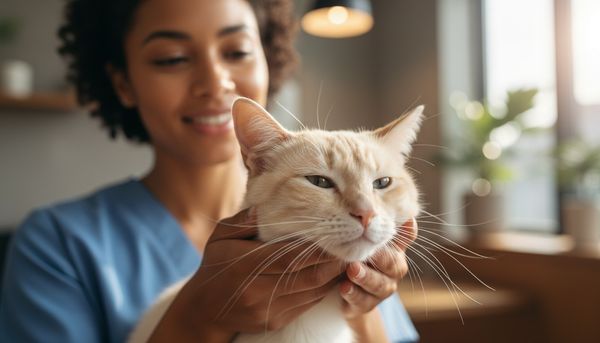
Finding the right vet in New Zealand often focuses on location or cost, but the way a clinic manages your pet's emotional wellbeing is just as critical. Choosing a clinic that prioritises low-stress veterinary handling can be the difference between a pet that walks happily into the surgery and one that develops a lifelong phobia of the vet. These modern, science-based protocols focus on reducing fear, anxiety, and stress (FAS) through thoughtful environment design and gentle physical interaction. In this guide, we will explore how Kiwi pet owners can screen for these techniques to ensure a healthier, calmer experience for their furry family members.
Evaluating the Clinic Environment and Waiting Area
The transition from the car to the consultation room is often where anxiety begins to spike. A clinic committed to low-stress veterinary handling will have a physical layout designed to minimise triggers. In New Zealand, many modern clinics now offer separate waiting areas for dogs and cats. This is crucial because the mere scent or sound of a barking dog can send a cat's stress levels soaring before the vet even enters the room.
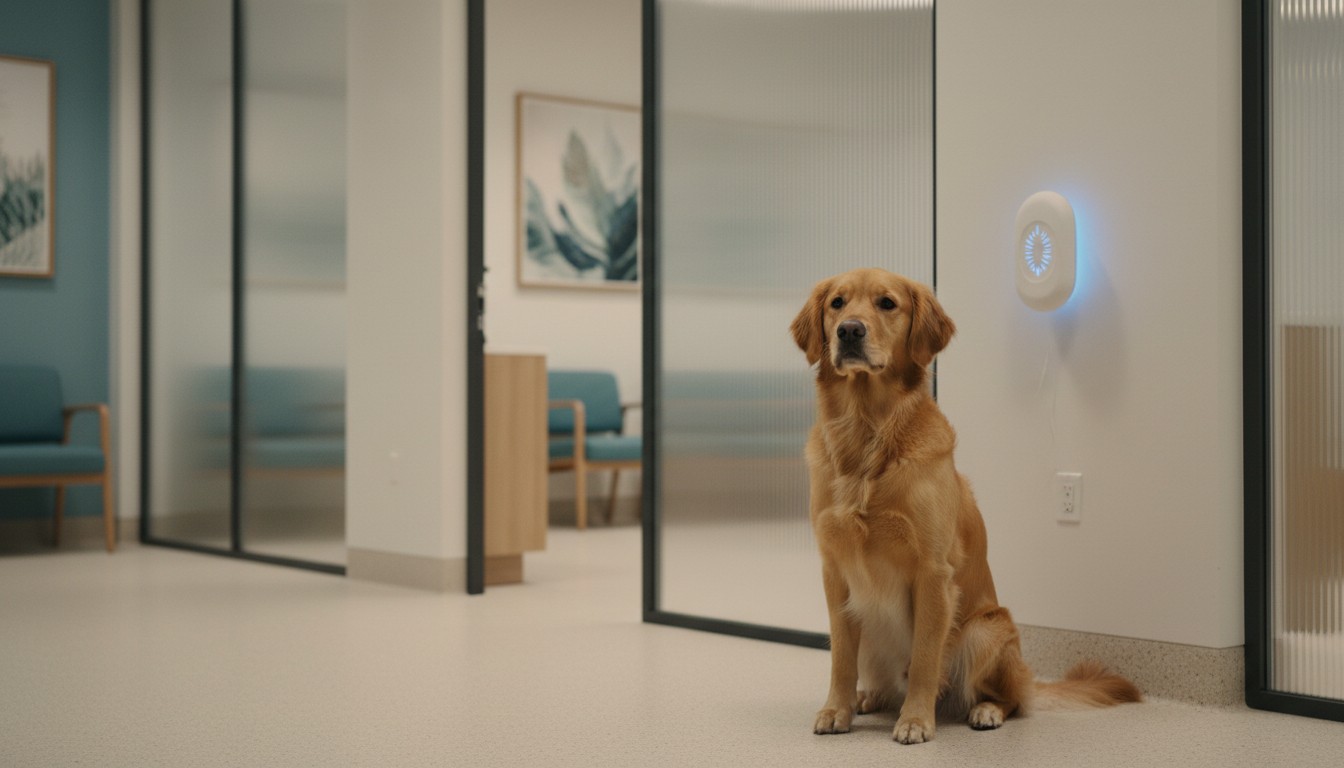
Look for 'visual barriers' in the waiting room—these might be raised benches for cat carriers so they aren't on the floor, or frosted glass partitions between seating areas. Pay attention to the smells; clinics using low-stress protocols often use synthetic pheromone diffusers, such as Feliway for cats or Adaptil for dogs. These odourless chemicals mimic natural calming signals. If the waiting room is a chaotic 'free-for-all' with dogs lunging at each other on short leads, it is a sign that the clinic may not be prioritising the emotional state of their patients.
Handling Techniques and the 'Less is More' Approach
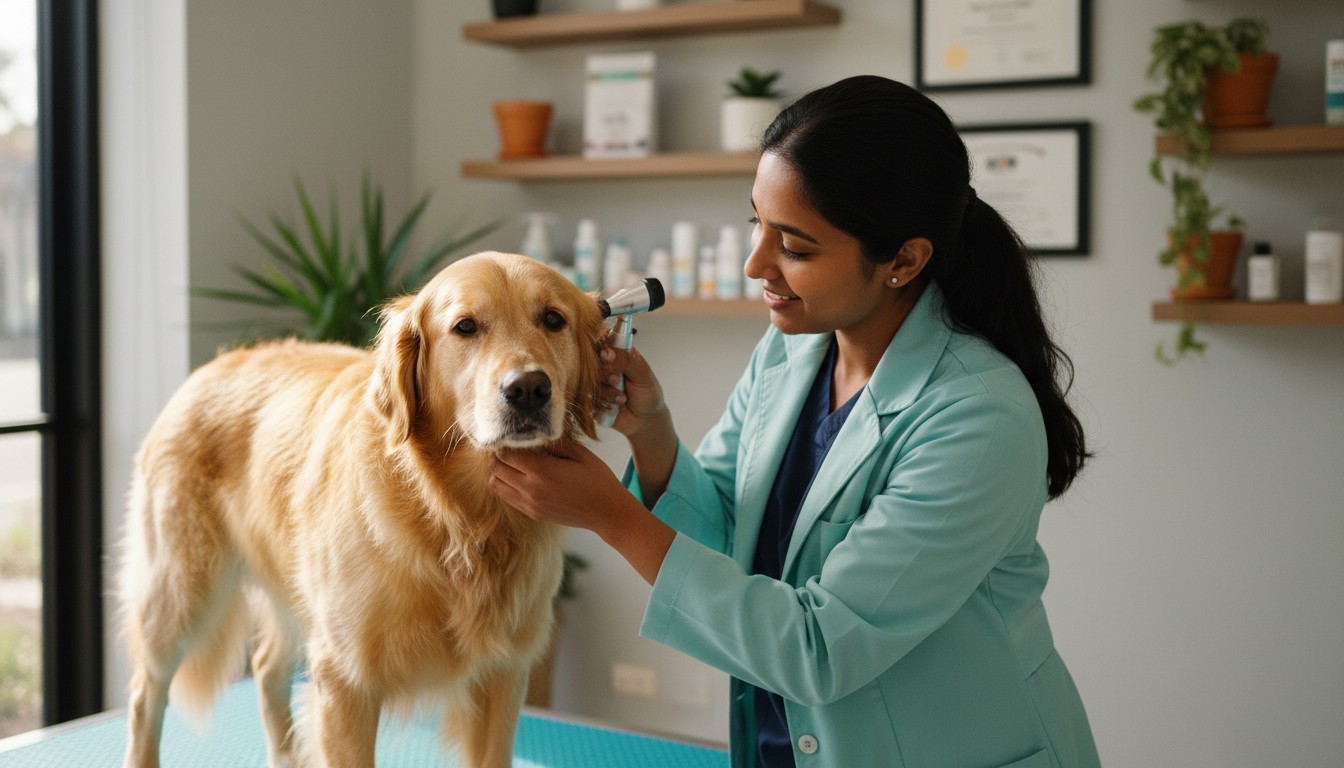
When you enter the consult room, observe how the vet and nursing staff interact with your pet. Traditional 'scruffing' of cats or pinning dogs down for blood draws is increasingly viewed as outdated and harmful. Expert low-stress handling focuses on 'minimal restraint'—using just enough touch to keep the animal safe without making them feel trapped.
Watch for the pace of the exam. A low-stress vet will often start by ignoring the pet, allowing them to sniff the room and settle before beginning the physical check-up. They may perform the exam on the floor for a large dog or in the bottom half of a carrier for a cat, rather than forcing them onto a slippery, cold metal table. If a pet shows signs of escalating fear, a low-stress practitioner will stop, reassess, and perhaps suggest a 'sedation-light' approach or a rescheduled visit rather than 'powering through' and traumatising the animal. This patience is a hallmark of high-quality, science-based care.
The Power of Positive Reinforcement and High-Value Treats
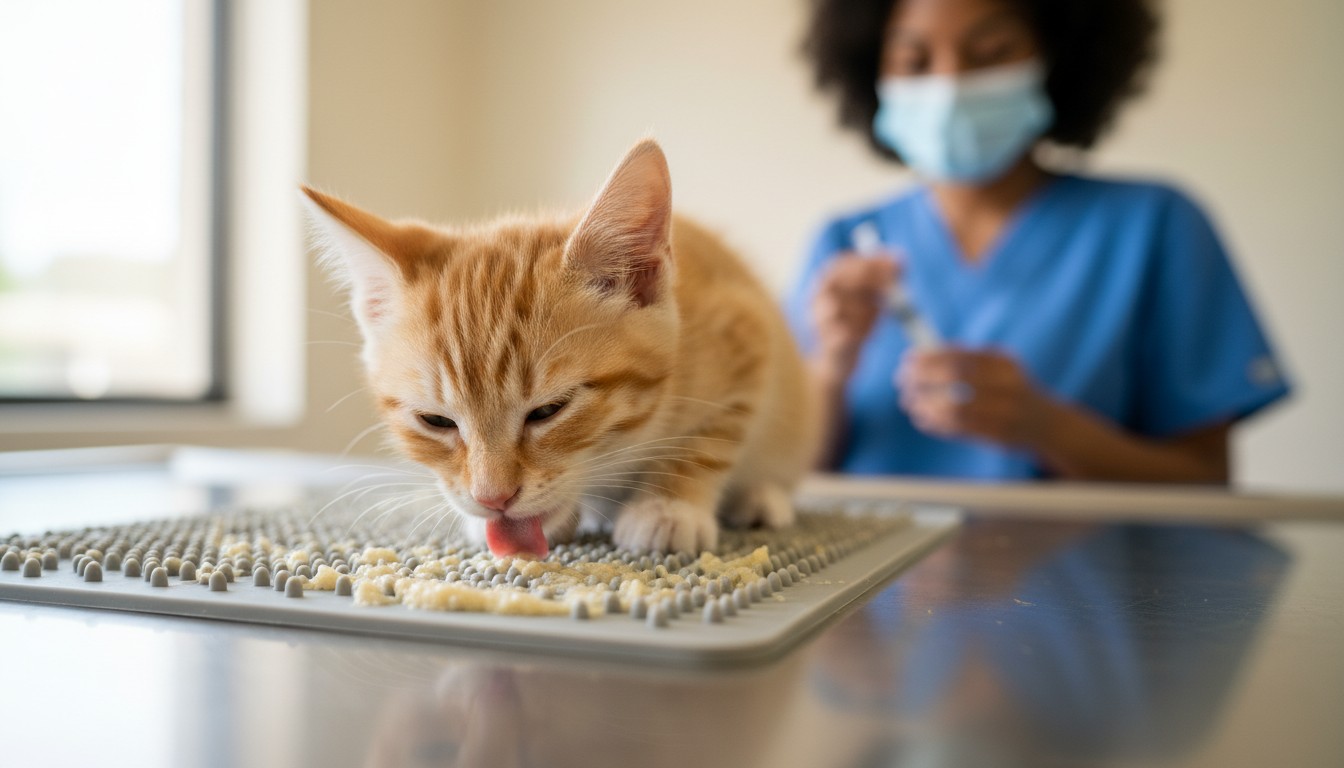
A key indicator of a low-stress clinic is the liberal use of 'distraction techniques'—primarily food. In a NZ context, this might involve the vet offering smears of peanut butter (xylitol-free), Lick-e-Lix, or even locally-sourced treats like Ziwipeak or K9 Natural. The goal is to create a positive association with the clinic. If your pet is eating, their parasympathetic nervous system is engaged, making it harder for them to remain in a high-arousal 'fight or flight' state.
Ask the clinic if you should bring your pet in hungry. Many low-stress vets recommend skipping the meal immediately before a visit to ensure the treats are highly motivating. Beyond food, some clinics use 'tactile' distractions, such as gentle tapping on the head during an injection to confuse the nerve endings. If a vet discourages you from giving treats or doesn't have any on hand, they may not be fully integrated into modern fear-reduction protocols.
Understanding Fear-Free and Cat-Friendly Certifications
While any vet can claim to be 'gentle,' specific certifications provide a measurable standard. In New Zealand, look for clinics that are 'Fear Free Certified' or 'Cat Friendly Clinic' (ISFM) accredited. These programmes require staff to undergo rigorous training in animal behaviour, body language, and pharmacology. A Fear Free professional is trained to recognise the subtle signs of FAS (Fear, Anxiety, and Stress) that owners often miss, such as lip licking, 'whale eye' (showing the whites of the eyes), or a tucked tail.
Accredited clinics must also meet environmental standards. For example, an ISFM Gold-level clinic must have a dedicated cat-only consult room and hospital ward. While a lack of certification doesn't automatically mean a vet is 'high-stress,' these badges are a shortcut to finding a team that has invested time and money into the latest welfare science. When calling a new clinic in Auckland, Wellington, or Christchurch, simply ask: 'Do you have any staff members who are Fear Free certified?'

Troubleshooting: What to Do When a Visit Goes Wrong
Even with the best intentions, some vet visits don't go as planned. If your pet becomes extremely aggressive or shut down (freezing), it is a sign that the current approach is failing. In these moments, 'more force' is rarely the answer. Instead, a low-stress vet will suggest a 'Victory Visit' or a 'Happy Visit.' These are short, non-medical appointments where the pet simply comes in, gets treats, and leaves, helping to overwrite negative memories.
If you find yourself at a clinic where the staff are being too rough, it is okay to speak up. You can say, 'I'm uncomfortable with how he's being held; can we try a different approach or take a break?' If the clinic dismisses your concerns or insists on 'manhandling' the pet, it may be time to seek a second opinion. Signs you should adjust your approach include your pet trembling for hours after a visit, refusing to get in the car, or showing new reactive behaviours at home after a vet appointment.
Advocating for Your Pet: Questions for Your NZ Vet
Before booking your first full consultation, consider a 'pre-screening' phone call or visit without your pet. This allows you to assess the atmosphere without the distraction of a nervous animal. Ask specifically about their use of pre-visit pharmaceuticals (PVMs). Modern medicine allows for the use of mild sedatives or anti-anxiety medications (like Gabapentin) administered at home before the visit. A vet who is proactive about prescribing these for nervous patients is likely well-versed in low-stress protocols.
Other questions to ask: 'Do you allow owners to stay with their pets during blood draws?' and 'What is your policy if a pet is too stressed to continue an exam?' A good vet will welcome these questions, as they indicate a dedicated owner. Remember, you are your pet's only advocate. Choosing a vet who respects the animal's emotional state leads to better diagnostic accuracy, as stress-induced changes in heart rate and blood glucose can mask underlying health issues.
FAQ
What is the 'Fear Free' method for pets?
The Fear Free method is a science-based approach to veterinary care that aims to reduce Fear, Anxiety, and Stress (FAS) in pets. It involves using calming pheromones, high-value treats, and minimal restraint techniques to ensure the animal feels safe and comfortable throughout their visit.
How can I tell if my vet is 'cat friendly'?
A cat-friendly clinic often holds an ISFM (International Society of Feline Medicine) accreditation. Look for signs like separate cat waiting areas, 'cat-only' clinic hours, and staff who avoid 'scruffing' and instead use gentle handling and towels to secure your cat.
My pet is terrified of the vet; what can I do?
Start by talking to your vet about 'Happy Visits'—short, treat-filled trips to the clinic with no medical procedures. Additionally, ask about pre-visit medications (PVMs) that you can give at home to lower your pet's anxiety before they even leave the house.
Why is low-stress handling better for my pet's health?
High stress levels can cause 'white coat syndrome,' where a pet's blood pressure, heart rate, and temperature rise artificially. Low-stress handling ensures more accurate clinical readings and makes it easier for the vet to perform a thorough physical exam without the pet resisting.
Conclusion
In New Zealand, we are fortunate to have a veterinary industry that is increasingly embracing welfare-focused handling. By evaluating a clinic’s environment, the staff’s handling techniques, and their openness to using treats and positive reinforcement, you can significantly improve your pet's quality of life. Low-stress veterinary handling isn't just about making the visit 'nicer'—it's about ensuring your pet receives the best possible medical care without the burden of fear. If you notice your pet is consistently distressed during visits, don't hesitate to consult with a Fear Free certified professional or a veterinary behaviourist. Your proactive approach today will build a foundation of trust that lasts for your pet's entire life.
References & Sources
This article was researched using the following sources:


