














When we bring a new pet into our New Zealand homes, we often assume they will intuitively understand what we want. However, for a dog or cat, human language is a chaotic stream of sound. Mastering the nuances of cue selection and discrimination is essential for building a reliable vocabulary that transcends simple guesswork. This guide explores the linguistic architecture of training, moving beyond standard 'Sit' and 'Stay' commands to help you design a communication system your pet can actually distinguish. By selecting cues based on phonetic distinctness and visual saliency, you can eliminate the 'muddy' signals that lead to frustration during your weekend walks at the local park or beach.
The Science of Visual vs. Verbal Signals
In the world of animal behaviour, not all signals are created equal. Research consistently shows that dogs, in particular, process visual information significantly faster than auditory data. This is known as the 'blocking effect' or 'overshadowing'. If you give a hand signal and a verbal word at exactly the same time, the pet is likely to focus entirely on the hand and completely ignore the word. This is why many owners find their pets 'obedient' at home where they use hand gestures, but 'deaf' at a distance where only the voice is used.
To build a robust training architecture, you must understand that visual cues act as a primary anchor. When introducing a new behaviour, start with a distinct physical lure or gesture. Once the pet is reliably following the physical movement, you can then introduce the verbal cue as a 'predictor'. By providing the word just a split second before the movement, the pet learns that the sound is a signal for the physical action that follows. This separation ensures that both cues remain distinct in the pet's mind, allowing for better discrimination in high-distraction environments like a busy Christchurch street or a windy Wellington bay.
Phonetic Architecture: Choosing Distinct Verbal Cues
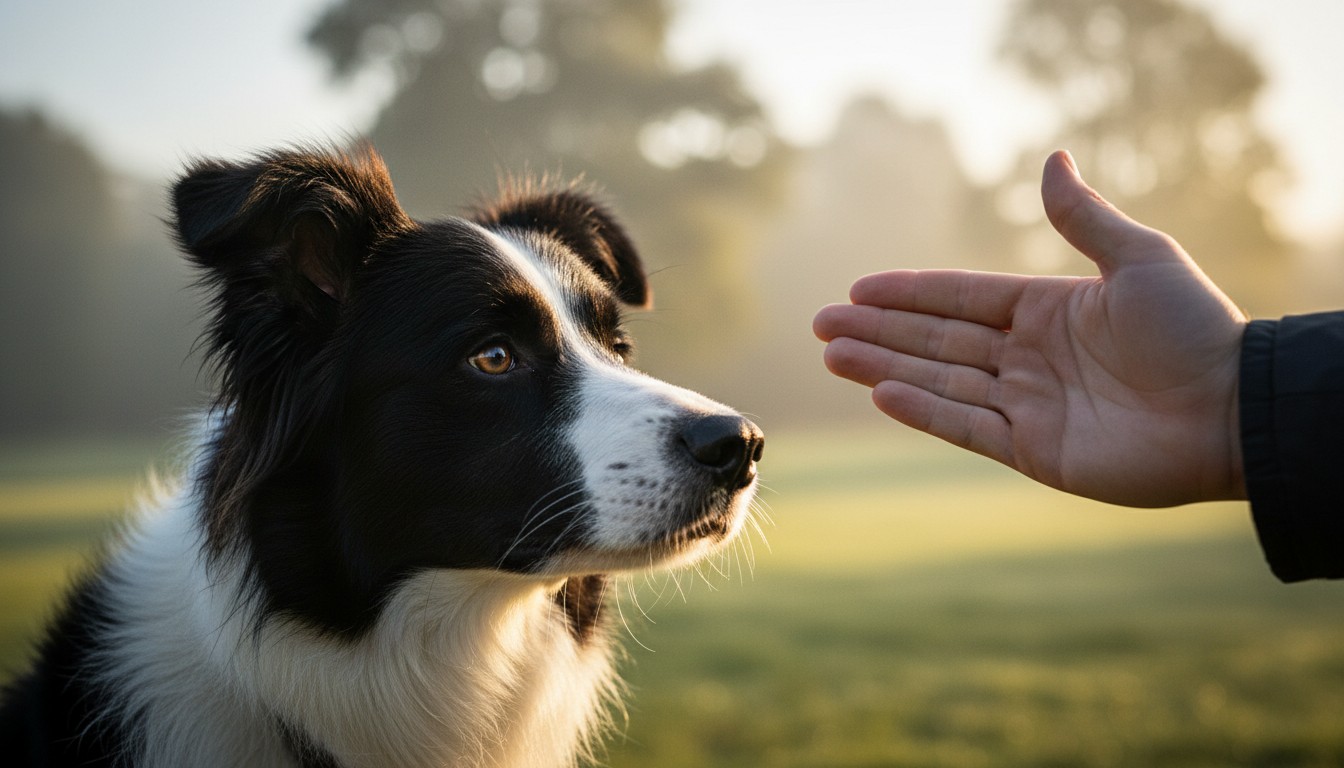
When it comes to verbal cue selection and discrimination, the sounds you choose matter more than the dictionary definitions. Pets distinguish words based on phonemes—the distinct units of sound. A common mistake in NZ households is choosing words that sound too similar to the pet's ears. For example, 'Sit' and 'Settle' both start with a soft 's' sound followed by similar vowel structures. For a pet, these can easily be confused, especially when there is background noise from the wind or traffic.
Expert trainers recommend choosing cues with different hard consonants and varying syllable counts. A sharp 'K' sound, as heard in 'Come', is often easier for a pet to pinpoint than a soft 'sh' sound. Consider using 'Down' for lying on the ground, but 'Off' for jumping off the sofa. This clear distinction prevents the pet from having to guess your intent. You might even consider using Te Reo Māori cues like 'E noho' (Sit) or 'Haere mai' (Come) to create a vocabulary that is entirely unique and phonetically distinct from your everyday conversational English, which reduces the 'noise' your pet has to filter through.
The Visual Roadmap: Designing Distinct Hand Signals
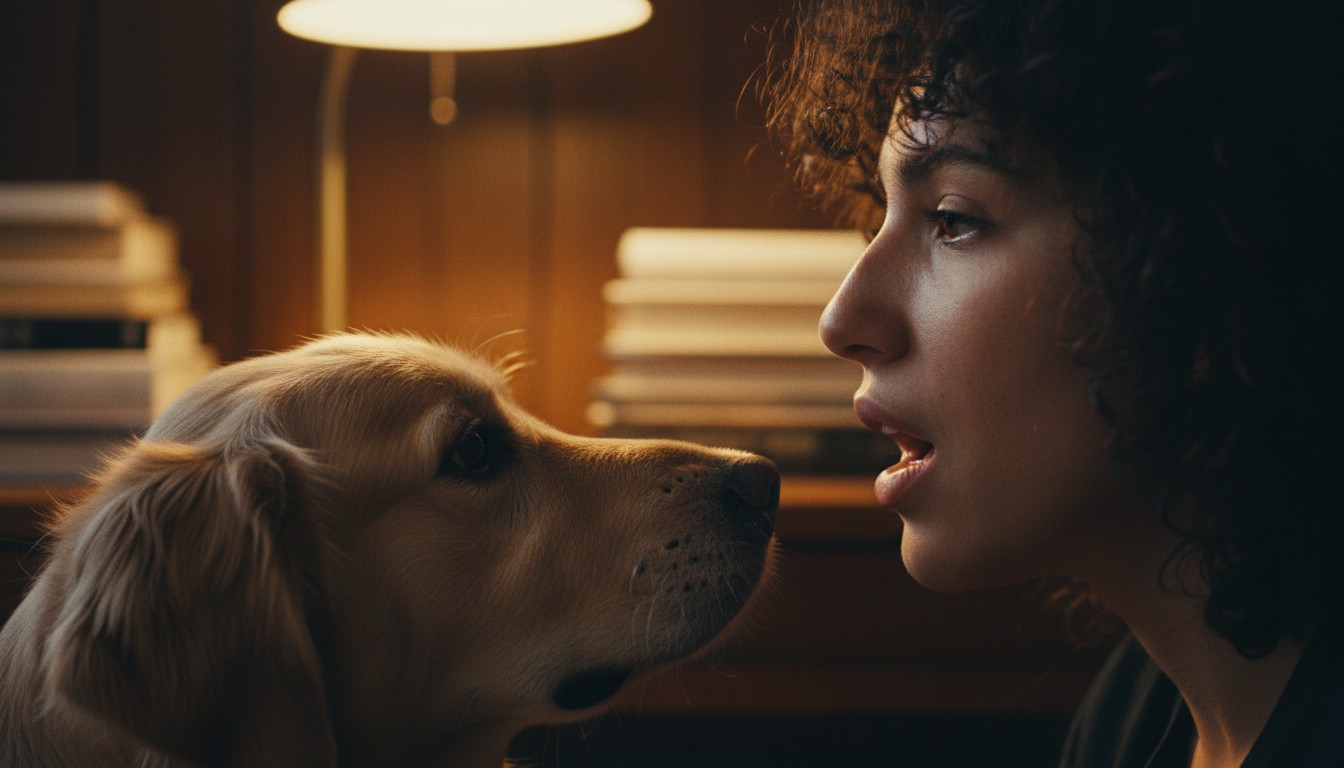
Just as verbal cues need to be phonetically unique, visual cues must be physically distinct. A small finger twitch is easily lost in the visual 'noise' of your body movement. To improve discrimination, your hand signals should involve large, clear movements that are easily visible from a distance. Think of these signals as a form of sign language for your pet. If your signal for 'Lie Down' involves a downward sweep of the arm, your signal for 'Stay' should involve a static, high-contrast palm toward the pet.
Consider the background against which you are giving the signal. A hand signal given against a dark jacket might be invisible to your pet during an evening walk. Practise making your signals crisp and finishing them cleanly. One common issue is 'signal creep', where a gesture slowly changes over time until it looks like another command. By standardising your movements—perhaps by practising in front of a mirror or filming your training sessions—you ensure your pet isn't forced to solve a puzzle every time you ask for a behaviour. This clarity is vital when you are at an off-lead area like a regional park, where distance and movement can make subtle signals impossible to read.
Troubleshooting: Cleaning Up 'Muddy' and Poisoned Cues
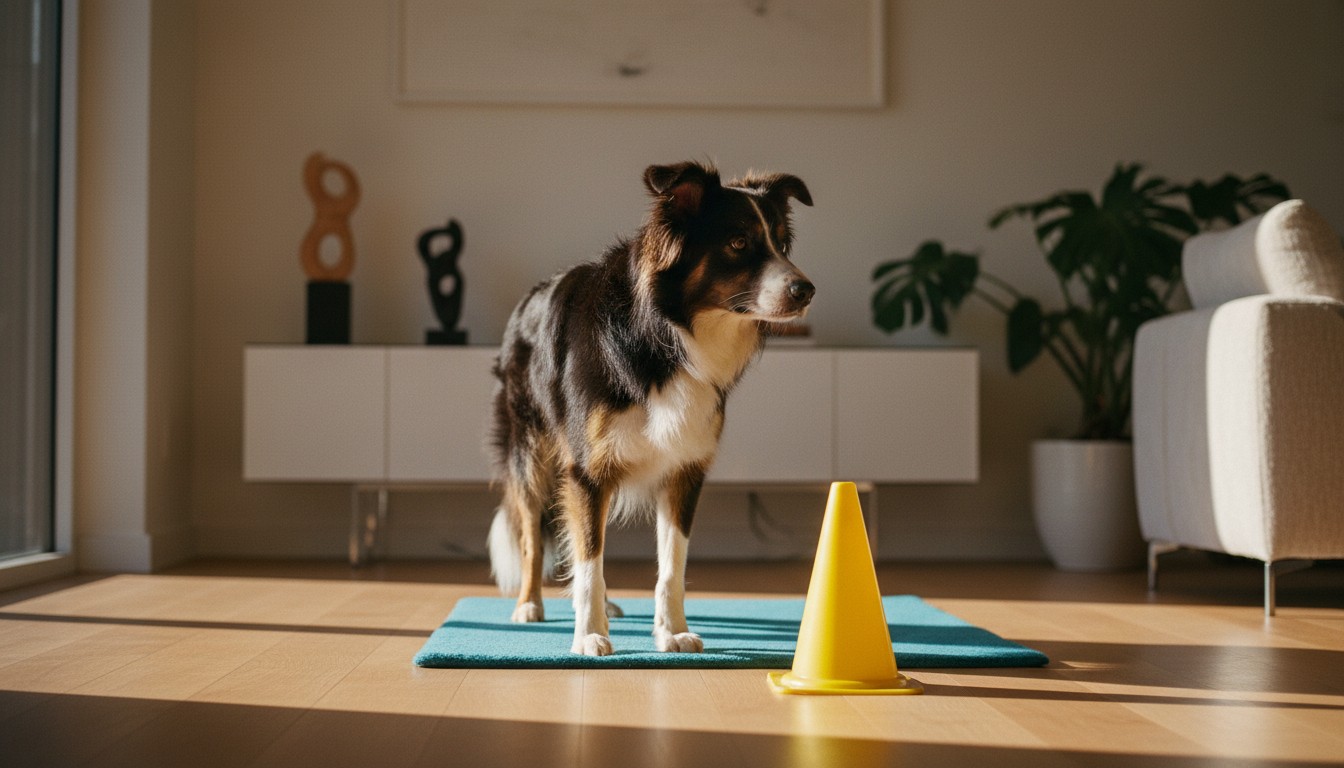
If your pet has stopped responding to a specific command, you may be dealing with a 'poisoned cue' or a lack of discrimination. This often happens through 'nagging'—repeating a word like 'Sit, sit, sit' when the pet doesn't respond. Eventually, the pet learns that the first three sounds are meaningless and they only need to respond to the fourth. Mistakes in cue selection and discrimination also occur when a cue is associated with a negative outcome, such as only calling your dog to 'Come' when it's time to leave the park and go home.
To fix a muddy cue, it is often more effective to retire the old word entirely and start fresh with a new one. If 'Come' has become ignored, switch to 'Here' or a whistle. When introducing the new cue, ensure it is always followed by a high-value reward from a local shop like Animates or Petstock to build a powerful positive association. This 'clean slate' approach allows you to rebuild the linguistic architecture from the ground up, ensuring the new signal is 100% reliable. Watch for signs of frustration, such as your pet offering a variety of random behaviours; this usually indicates that the cues you are using are too similar and need to be more clearly differentiated.

Generalisation: Cues in the Real World
The final stage of the architecture is generalisation. Pets are very context-specific; a dog might understand 'Down' perfectly in your lounge but have no idea what it means at a busy cafe in Ponsonby. This isn't because they are being stubborn, but because the cue hasn't been 'discriminated' from the original environment. To the pet, the cue was 'The word Down + the smell of my lounge + the rug under my paws'. When you change the environment, the cue changes too.
To ensure your cues work everywhere, you must train in 'the 3D': Distance, Duration, and Distraction. Start in a quiet spot and slowly move to more challenging New Zealand environments, like a windy beach or near a local sports field. Always lower your criteria when you increase the distraction. If your pet can do a 10-second 'Stay' at home, ask for only 2 seconds when you're first at the park. This gradual process helps the pet understand that the cue remains the same regardless of what is happening around them. If you ever feel stuck or if your pet's lack of response poses a safety risk—such as poor recall near roads—it is wise to consult a professional trainer registered with the New Zealand Dog Trainers Association (NZDTA).
FAQ
Why does my dog ignore me when I speak but listen when I move my hands?
Dogs are naturally more attuned to body language and visual signals than spoken words. This is known as the 'overshadowing effect,' where the visual cue is so dominant that the dog never actually 'hears' the verbal command. To fix this, try saying the word first, pausing for a split second, and then giving the hand signal.
Can I use Te Reo Māori for my pet's training cues?
Absolutely. In fact, using Te Reo Māori is an excellent way to ensure your cues are phonetically distinct from your everyday English conversation. Words like 'Noho' (Sit) or 'E tū' (Stand) provide clear, unique sounds that your pet won't hear in other contexts, making it easier for them to discriminate the command.
What should I do if my pet starts guessing what I want?
Guessing usually happens when you always give cues in the same order (e.g., Sit, then Down, then Paw). To break this, vary the order of your cues and wait for the pet to actually hear or see the signal before they move. Only reward the pet when they perform the specific cue you asked for, rather than the one they guessed.
How do I stop my cues from becoming 'poisoned'?
A cue becomes 'poisoned' when it is associated with something the pet dislikes or when it is repeated so often it becomes white noise. To prevent this, always follow your cues with positive reinforcement and avoid using cues for things your pet finds unpleasant, like calling them to 'Come' only for a bath or to end a fun play session.
Conclusion
Building a clear linguistic architecture for your pet's training is the difference between a pet that guesses and a pet that truly understands. By focusing on cue selection and discrimination, you provide your pet with the tools they need to succeed in our complex human world. Remember to keep your visual signals crisp, your verbal cues phonetically distinct, and your training sessions positive. Whether you are navigating a busy Auckland market or enjoying the silence of the Southern Alps, reliable communication is the foundation of a safe and happy relationship. If you encounter persistent issues with your pet's behaviour or if their lack of response creates a safety hazard, always reach out to a certified animal behaviourist or trainer in your local area for professional guidance.
References & Sources
This article was researched using the following sources:
