















For many New Zealand dog owners, the word 'socialisation' conjures images of puppies romping together at the local park or greeting every passerby on a morning walk. However, this traditional view often does more harm than good. True socialisation as neutrality is the ability of a dog to remain calm, focused, and indifferent to the world around them. Instead of teaching your dog that every person or dog is a playmate, the goal should be to teach them that the environment is just 'background noise'. This shift in perspective is the most effective way to prevent leash reactivity and create a reliable companion for your Kiwi lifestyle.
The Myth of the 'Friendly' Dog and the Greeter Trap
In New Zealand, we pride ourselves on our 'friendly' culture, and this often extends to our dogs. We feel a social pressure to let our puppies meet every person who asks 'Can I pat your dog?' and every 'friendly' off-leash dog that rushes up. Unfortunately, this creates a 'frustrated greeter'—a dog that becomes hyper-aroused or anxious when they see a distraction because they have been conditioned to expect interaction.
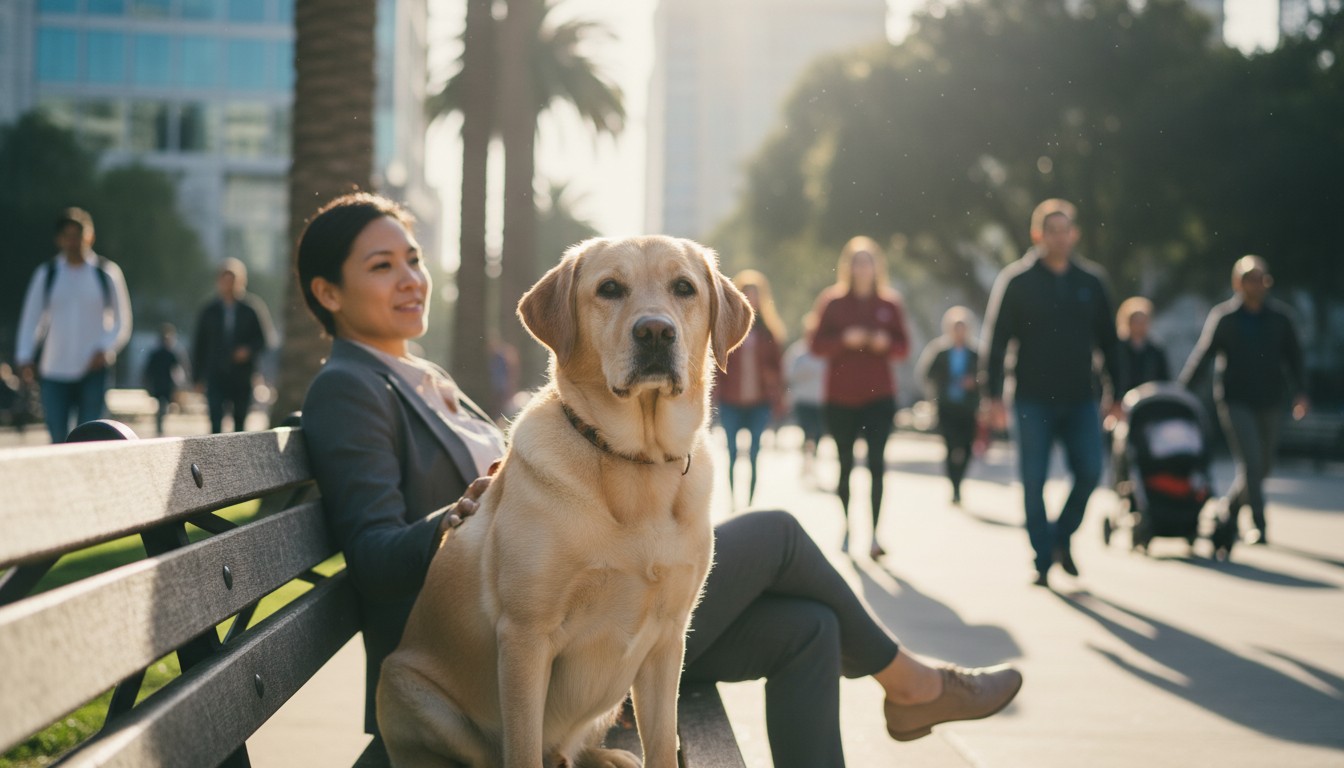
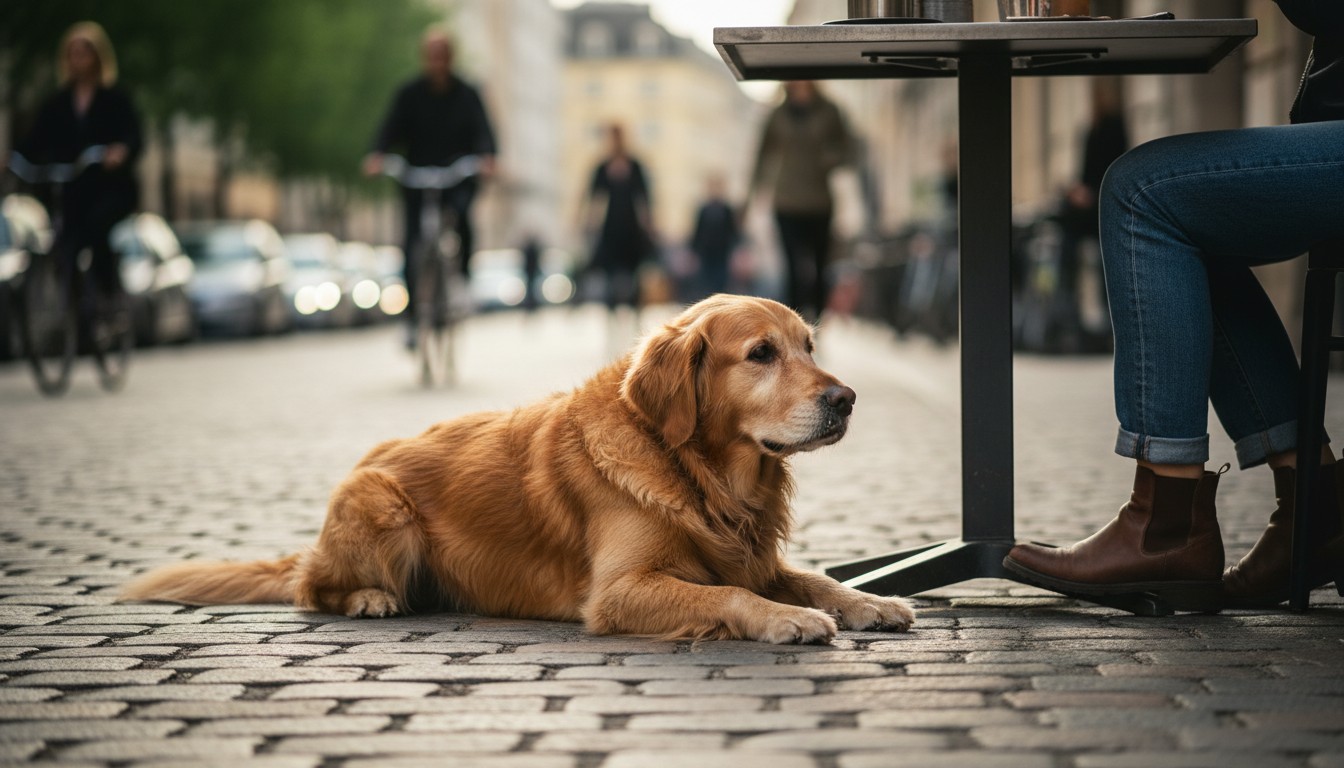
When a dog is taught that every stimulus requires an active response, their brain remains in a state of high alert. If they are on a lead and cannot reach the target, that excitement quickly turns into frustration, leading to lunging, barking, and pulling. By redefining socialisation as neutrality, we teach the dog that they don't have to 'do' anything about the environment. This builds a foundation of emotional stability, allowing your dog to relax at a busy Auckland cafe or a crowded Mount Maunganui beach without needing to intervene in everything they see.
Building the Neutrality Protocol: Step-by-Step
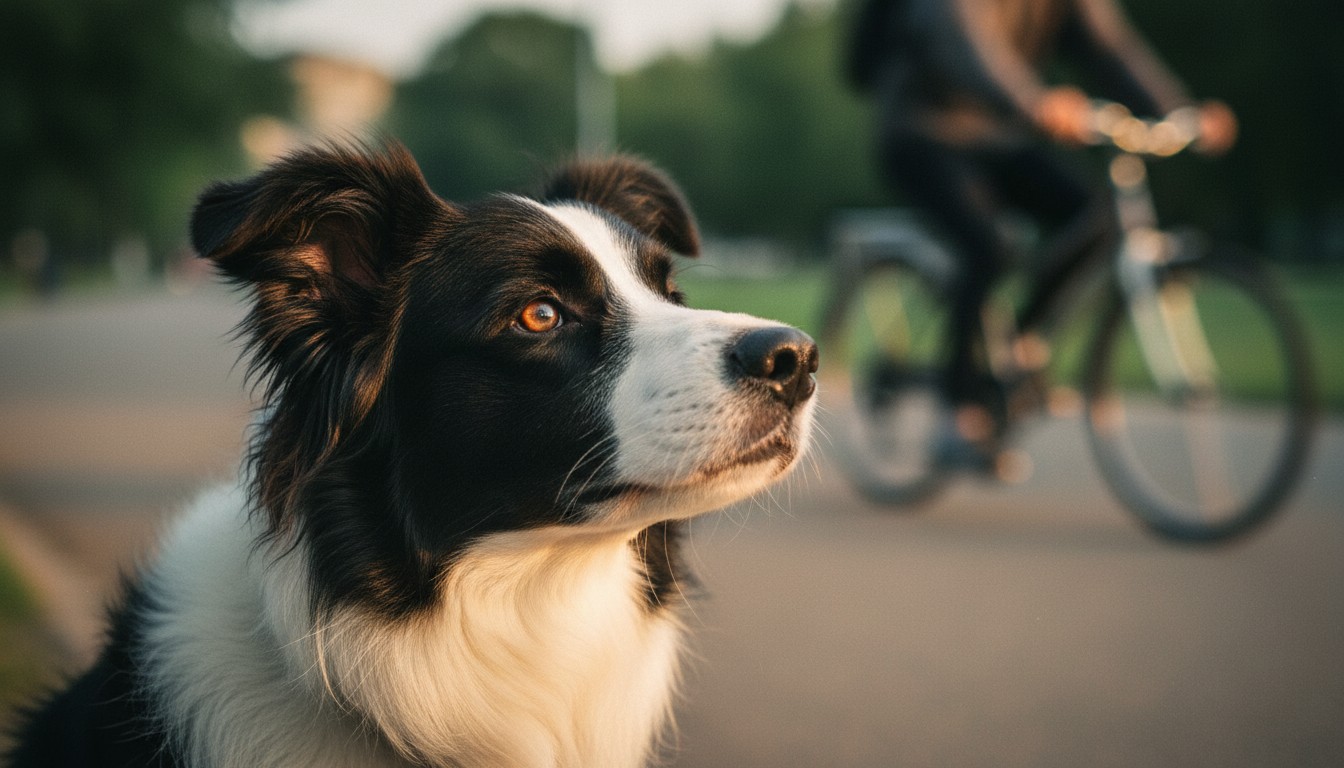
To train socialisation as neutrality, you must reward the choice to disengage. Start in a low-distraction environment, like your backyard or a quiet cul-de-sac. Use high-value New Zealand-made treats, such as dried liver or ZiwiPeak, to mark the moment your dog looks at a distraction and then chooses to look back at you. This 'Look at That' (LAT) game changes the dog's internal narrative from 'I must go there' to 'I saw that, now where is my reward from my owner?'
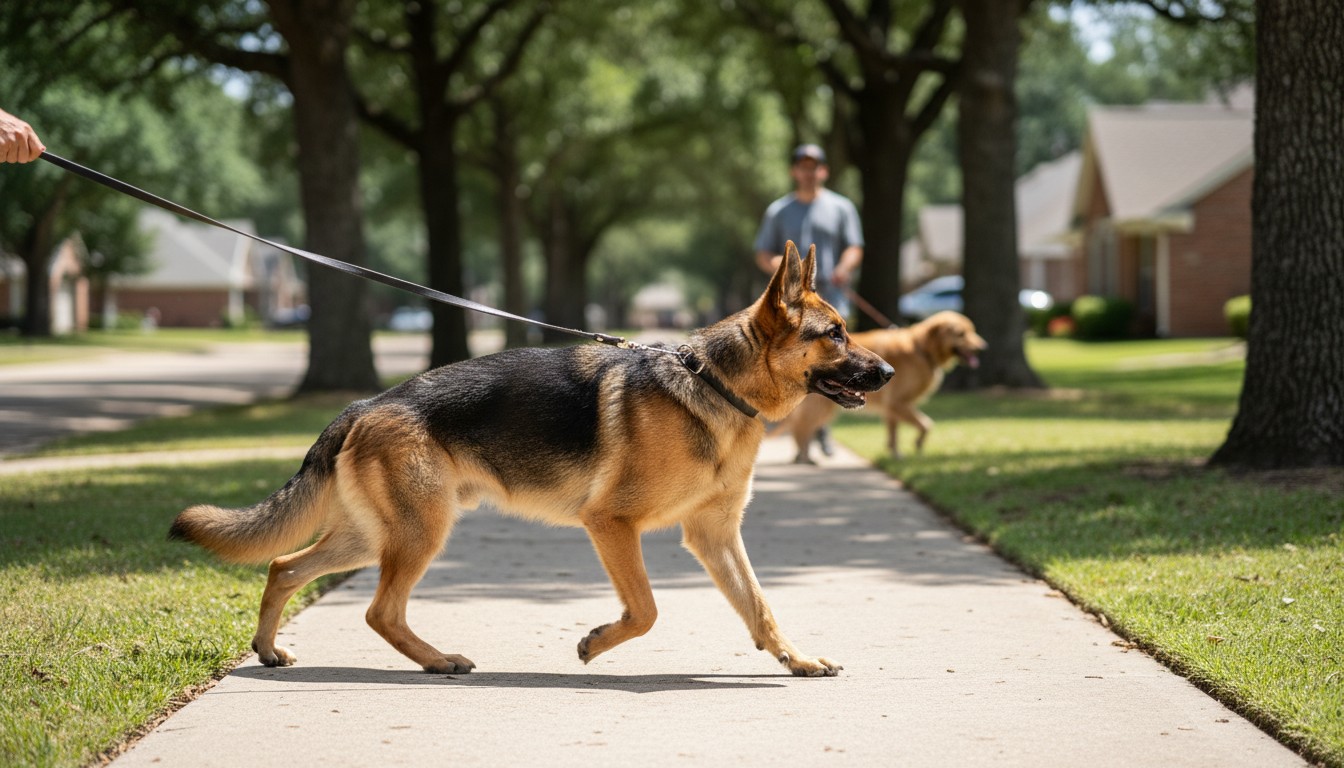
Progress to 'threshold training'. This involves finding the specific distance at which your dog notices a distraction but can still take a treat and follow a command. If your dog is stiffening, staring intently, or refusing food, you are too close. Move back ten metres and try again. The goal is to gradually shrink this distance over several weeks until your dog can walk past a barking dog or a rolling skateboard at a Bunnings entrance while remaining completely neutral and focused on you.
Real-World Practice: From the Dairy to the Bach
New Zealand offers unique environments to test your dog's neutrality. Training shouldn't just happen at 'dog school'; it happens at the local dairy, outside a Mitre 10, or along a busy hiking trail. When visiting these spots, your primary goal is 'environmental habituation'. This means sitting on a bench and simply letting the world go by. Don't ask your dog for complex tricks; just reward them for sniffing the grass or sitting quietly while a lawnmower runs nearby or a cyclist passes.
At the beach or a bach, where off-leash dogs are common, neutrality is your dog's safety net. If an off-leash dog approaches, a neutral dog is less likely to escalate the situation than a dog that is already hyper-aroused and seeking play. By prioritising calm observation over physical contact, you are teaching your dog that your presence is the most rewarding place to be, regardless of how many seagulls or surfers are around them.
Troubleshooting: When Your Dog Won't Disengage
Progress in neutrality training is rarely linear. You may have a 'gold star' session one day and a total meltdown the next. This usually happens because of 'trigger stacking'—a phenomenon where small stressors (a loud truck, a missed breakfast, a windy day) add up until the dog's bucket overflows. If your dog is failing to remain neutral, it is often a sign that their environment is too challenging for their current skill level.
Common signs that you need to adjust your approach include 'whale eye' (showing the whites of the eyes), excessive panting when it’s not hot, or taking treats roughly. If this occurs, immediately increase your distance from the trigger. If your dog is consistently reactive or showing signs of fear-based aggression, it is time to consult a professional. Look for trainers registered with the Association of Pet Dog Trainers New Zealand (APDTNZ) who use force-free, science-based methods. Neutrality should never be achieved through intimidation or 'corrections' like lead jerks, as these only increase the dog's negative association with the distraction.
FAQ
Does socialisation as neutrality mean my dog can never play with other dogs?
Not at all. It means that play is a 'special event' rather than a constant expectation. Once your dog has a solid foundation of neutrality, you can allow play with known, balanced 'dog friends' in controlled settings, ensuring they can still be recalled away from the fun.
What if an off-leash dog runs up to my neutral dog?
This is a common challenge in NZ parks. Maintain your dog's neutrality by staying calm yourself. Use a 'treat scatter' on the ground to keep your dog's nose down (which is a natural calming signal) and calmly ask the other owner to collect their dog. Do not punish your dog if they react to an intrusive stranger.
At what age should I start neutrality training?
Immediately. Whether you have an 8-week-old puppy or a 5-year-old rescue, teaching them that they don't have to interact with everything they see is beneficial. For puppies, it prevents bad habits from forming; for older dogs, it helps rehabilitate reactive behaviours.
Conclusion
Adopting the philosophy of socialisation as neutrality will transform your relationship with your dog. By moving away from the 'everyone is a friend' mindset, you alleviate the pressure on your dog to perform or interact in every situation. This leads to a more confident, relaxed, and manageable companion who can truly accompany you anywhere in New Zealand, from the bustle of the city to the quiet of the bush. Remember that consistency is more important than speed. If you find yourself struggling with a particularly reactive dog, please reach out to a certified animal behaviourist to ensure your training remains safe and effective for both you and your pet.
References & Sources
This article was researched using the following sources:


