















Bringing a new furry whānau member home is an exciting milestone, yet for the animal, it is often the most stressful day of their life. While many New Zealanders focus on buying the best premium kibble or a sturdy lead from the local pet shop, the environmental setup is frequently overlooked. Creating a low-stimulus decompression zone is the single most effective way to manage a pet's cortisol levels and prevent long-term anxiety. This dedicated space allows a dog or cat to process their new surroundings without sensory overload, ensuring their first week in your home is a peaceful transition rather than a traumatic event.
Selecting the Ideal Location in Your Kiwi Home
The success of a low-stimulus decompression zone depends heavily on its physical location. In typical New Zealand homes, which often feature open-plan living and high-traffic timber floors, finding a quiet corner can be a challenge. You should aim for a secondary bedroom, a large laundry area (if not in use), or a quiet nook that is at least three to four metres away from main walkways. Avoid areas near the front door where the sound of the doorbell or the postie's bike might trigger an alert response.
Consider the 'path of least disturbance.' The room should be accessible to you for quiet check-ins but should not be a thoroughfare for children or other resident pets. If you are in a smaller apartment in Auckland or Wellington, use a high-quality baby gate or a tension rod with a heavy curtain to cordone off a section of the room. This physical boundary signals to the pet that they are in a 'safe zone' where they will not be approached or startled, allowing their central nervous system to shift from 'fight or flight' into a state of rest.
Acoustic Dampening for Noise Sensitivity
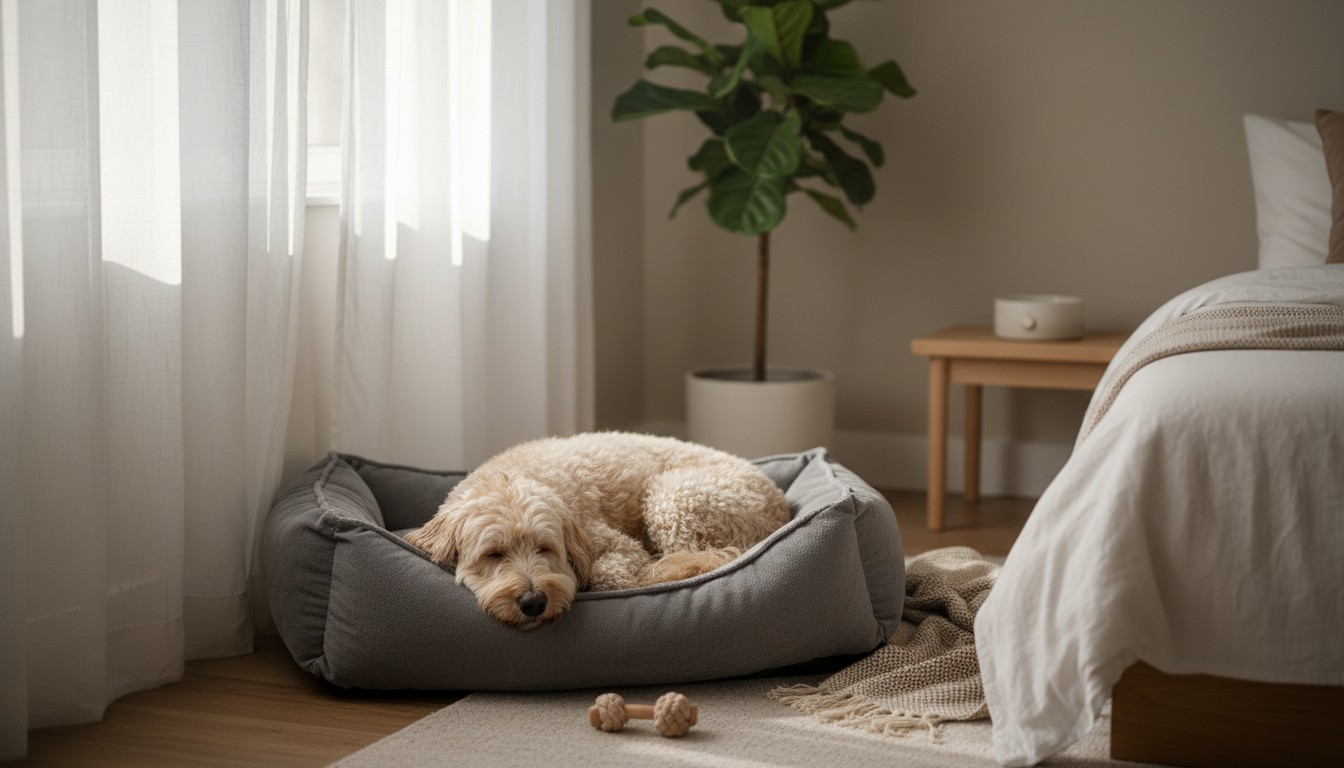
Pets have significantly more sensitive hearing than humans; the hum of a refrigerator or the distant rumble of a truck on State Highway 1 can be jarring for a stressed animal. To create a true low-stimulus decompression zone, you must implement acoustic dampening. Start by laying down thick rugs or offcuts of carpet—readily available at retailers like Bunnings or Mitre 10—to muffle the sound of footsteps and 'click-clacking' claws on hard floors.
Soft furnishings are your best ally for sound absorption. Hanging heavy, 'blackout' style curtains not only blocks light but also acts as a sound barrier against outdoor noise. For internal noise, consider using a white noise machine or a dedicated 'pet relaxation' playlist on a low volume. Unlike silence, which makes every sharp noise (like a dropped spoon) stand out, white noise creates a consistent 'sound floor' that masks sudden household clatter. Research suggests that classical music or specific 'through a dog's ear' frequencies can further lower heart rates during the first few days of acclimatisation.
Light Control and Visual Shielding
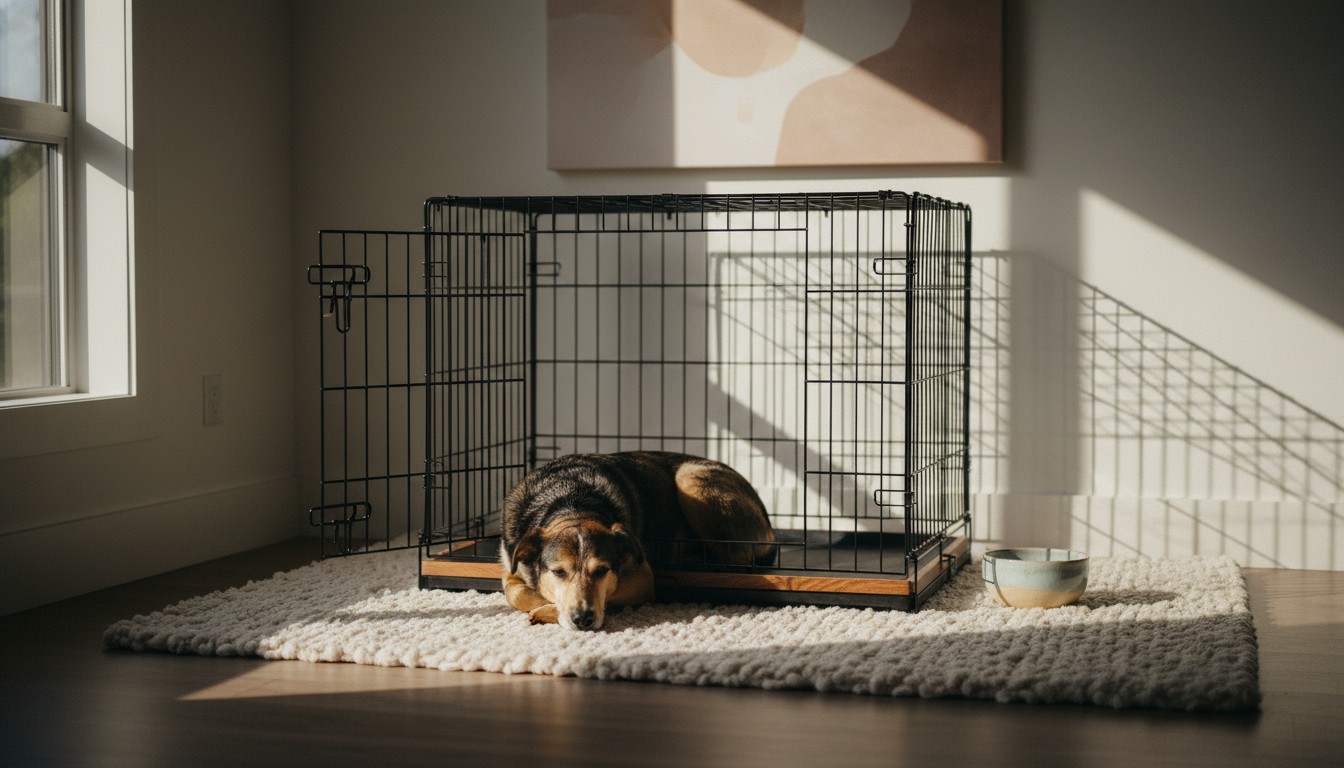
Visual overstimulation is a primary driver of high cortisol in rescue animals. A low-stimulus decompression zone should offer 'visual privacy.' If your pet is constantly scanning the room for threats, they cannot sleep deeply enough to decompress. Use window frosting film (available for a few dollars at Kmart) or keep blinds partially closed to prevent the pet from seeing 'triggers' like birds, cats, or pedestrians outside. This is particularly important for dogs that may feel the need to territorially defend their new space.
Lighting should be kept dim and warm. Avoid harsh overhead fluorescent lights, which can flicker at frequencies invisible to humans but irritating to animals. Instead, use a low-wattage lamp with a warm-toned bulb (2700K). For crated pets, a breathable, light-blocking crate cover is essential. However, ensure there is still adequate airflow—New Zealand's humid summers mean a fully covered crate can quickly become uncomfortably warm. The goal is to create a 'den' environment that mimics the natural security of a burrow, where the animal feels hidden from potential predators.
Scent Neutrality and Calming Pheromones
When a pet enters a new home, they are hit with a 'scent wall' of previous inhabitants, cleaning chemicals, and unfamiliar humans. To help them settle, aim for scent neutrality. Avoid using strong essential oil diffusers, incense, or scented candles in the decompression zone. Many common New Zealand cleaning products contain ammonia or strong citrus scents that can be offensive or even toxic to sensitive noses. Stick to unscented, enzyme-based cleaners for any initial accidents.
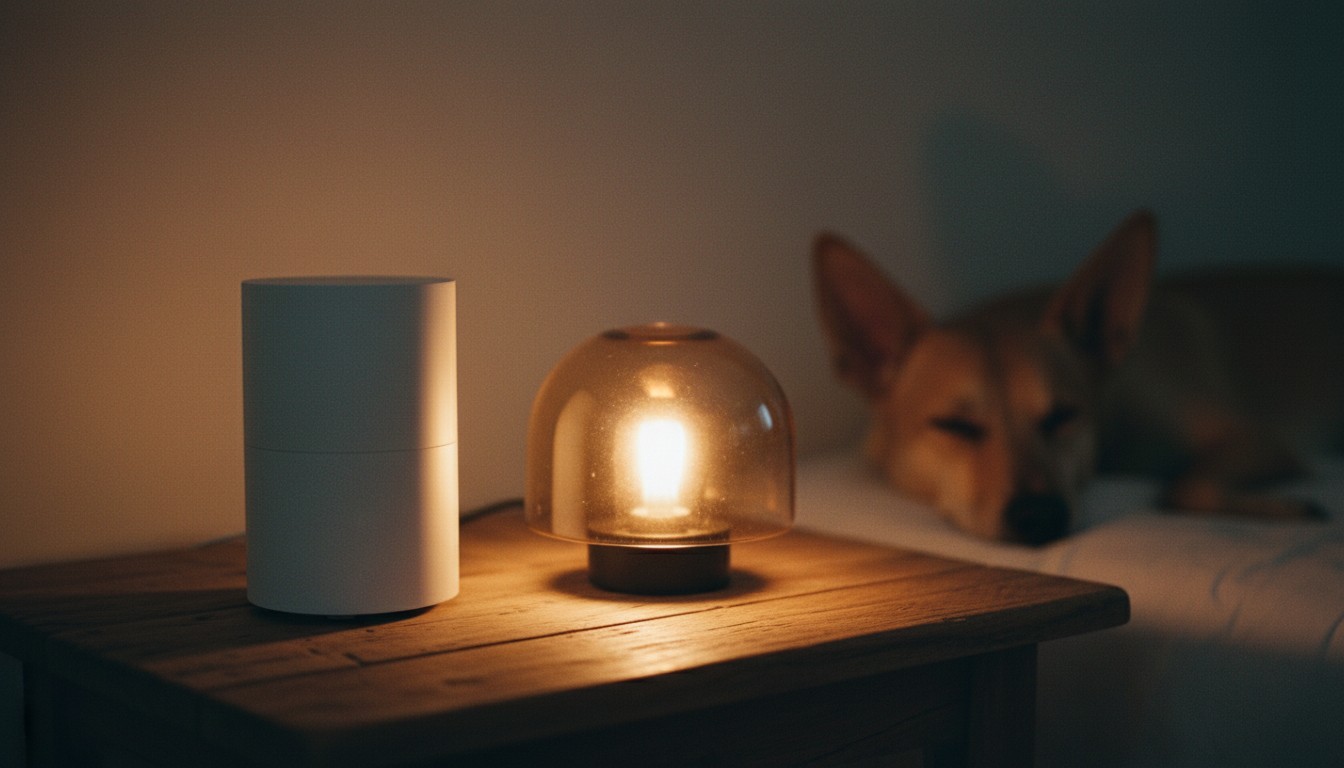
To proactively soothe the animal, introduce synthetic pheromones. Products like Adaptil (for dogs) or Feliway (for cats), available at most NZ vet clinics and pet stores, mimic the natural calming scents produced by nursing mothers. Place a plug-in diffuser in the zone at least 24 hours before the pet arrives. Additionally, providing an item of clothing that smells like the primary caregiver can help with bonding, but only once the pet has had 48 hours of pure decompression. Initially, the focus should be on 'nothingness'—a blank sensory slate that allows the animal's brain to stop looking for danger.

Troubleshooting: Signs the Zone Needs Adjustment
Not every decompression zone is perfect on the first attempt. You must observe your pet's body language to determine if the environment is truly serving them. Signs of continued sensory overload include 'pacing,' inability to settle even after exercise, excessive panting when the room is cool, or 'hyper-vigilance' (ears constantly twitching toward noises). If your pet is hiding in the furthest corner and refuses to come out for food, the 'zone' might still be too close to household activity.
If you notice these signs, adjust your strategy. You may need to move the zone to a more isolated room or increase the 'white noise' volume. If the pet is destructive toward the items in the zone, they may be experiencing separation anxiety rather than simple transition stress. In these cases, reducing the time they spend alone and using high-value 'calm-down' toys like a stuffed Kong or a Lickimat can help redirect that nervous energy. If the animal remains in a state of high arousal (not eating or toileting) for more than 48 hours, it is time to consult a local vet or a qualified animal behaviourist to rule out underlying medical distress.
Transitioning to the Wider Household
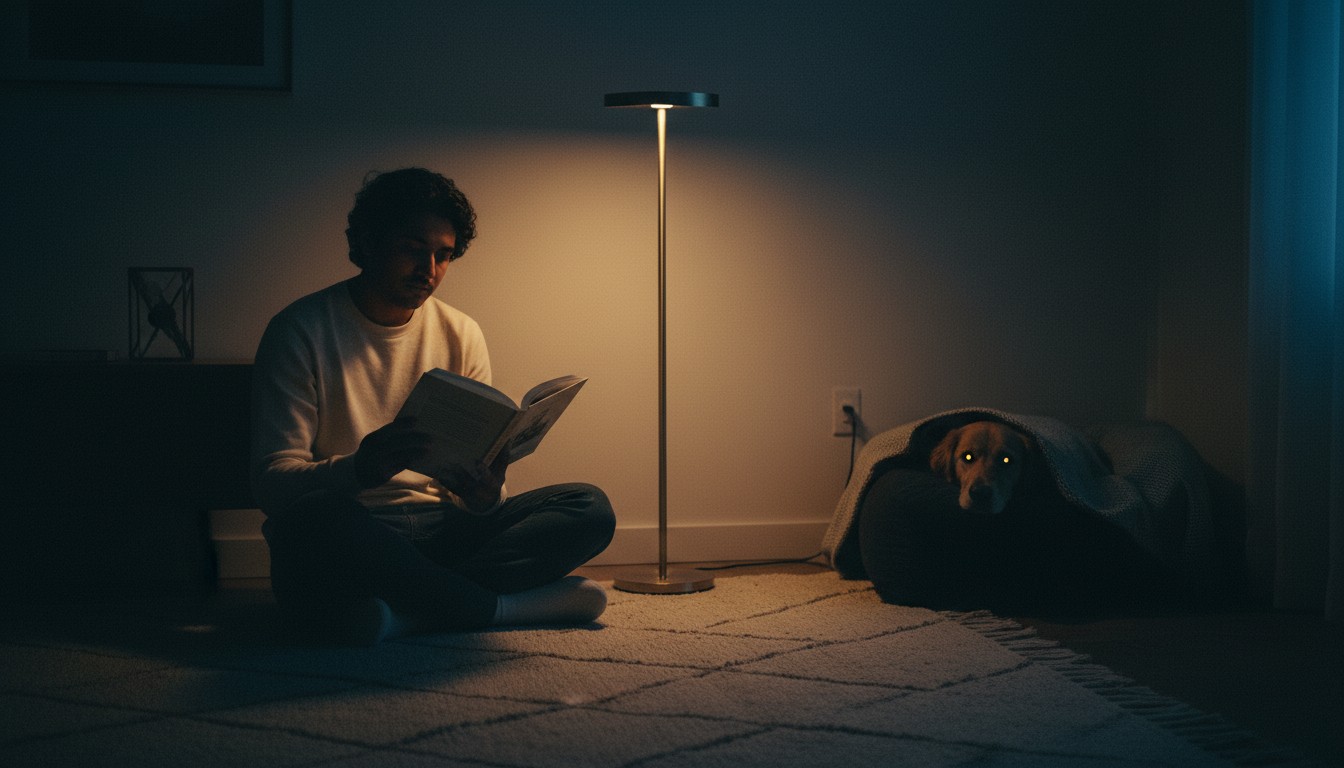
The low-stimulus decompression zone is not a permanent prison; it is a temporary sanctuary. Most pets require three to seven days of strict decompression, but this varies based on their history. Transitioning should be a 'slow-thaw' process. Begin by opening the door to the zone for short periods when the house is quiet. Allow the pet to emerge on their own terms; never pull or lure them out with force. This allows them to explore the 'scenic route' of your home while knowing their safe haven is still available.
Gradually introduce new sensory inputs. Turn on the TV at a low volume in a different room, or allow another resident pet to sniff under the door. If the pet shows signs of stress during these micro-introductions, return to the previous stage for another day. By respecting the 'Rule of Three' (three days to decompress, three weeks to learn routines, three months to feel at home), you build a foundation of trust. Safety is paramount during this stage—ensure all windows are secure and the garden is fully fenced before the first transition to outdoor spaces.
FAQ
How long should my pet stay in the decompression zone?
Most pets benefit from 3 to 7 days in a dedicated low-stimulus space. This 'decompression phase' allows their cortisol levels to return to baseline before they are expected to navigate the full complexities of your home and family life.
Can I put my pet's food and water in the same zone?
Yes, their food, water, and bedding should all be located within the safe zone. However, for cats, ensure the litter tray is placed as far as possible from their food and sleeping area to respect their natural hygiene instincts.
Is a laundry room a good place for a decompression zone?
A laundry can work if it is quiet, but avoid using the washing machine or dryer while the pet is inside. The sudden loud vibrations and heat from these appliances can be very frightening for a pet that is already on high alert.
Conclusion
Designing a low-stimulus decompression zone is an act of empathy that pays dividends in your pet's long-term behaviour. By controlling acoustics, light, and scent, you provide the 'sensory reset' necessary for a traumatised or overwhelmed animal to begin trusting their new environment. Remember that every pet is an individual; a senior greyhound from a racing background will have different needs than a kitten from the SPCA. Be patient, observe their cues, and adjust the environment as needed. If your pet fails to settle or shows signs of extreme distress after several days, please consult a veterinarian or a certified animal behaviourist. With the right start, your new companion will soon feel like they’ve been part of the whānau forever.
References & Sources
This article was researched using the following sources:


