














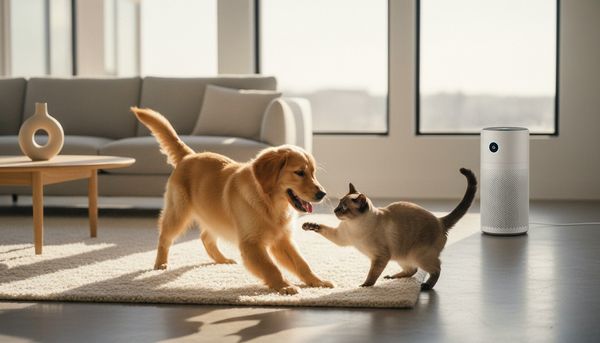
Many New Zealanders take pride in creating a cozy, fragrant sanctuary at home, especially during those damp winter months when we rely heavily on heat pumps and insulation. However, a growing body of veterinary evidence suggests that the very products we use to freshen our air may contain significant airborne hazards for our animal companions. Essential oil diffusers and scented candles, while seemingly natural and therapeutic, release aerosolised droplets and volatile organic compounds (VOCs) that can compromise a pet's respiratory system and liver function. Unlike humans, many pets lack the specific metabolic pathways required to process these concentrated chemicals. This article explores the physiological mechanisms of harm, the specific toxic compounds to avoid, and how you can maintain a high-quality indoor environment in your Kiwi home without compromising the well-being of your cats, dogs, or birds.
The Invisible Threat: Understanding Inhalation Mechanisms
When we discuss toxicity in pets, most owners immediately think of ingestion—a dog eating chocolate or a cat nibbling on a lily. However, airborne hazards represent a more insidious route of exposure. Essential oil diffusers, particularly active ultrasonic models, work by breaking down oils into micro-droplets that are suspended in the air. These droplets are not just scents; they are concentrated chemical compounds that pets inhale directly into their lungs. Because pets often have a higher respiratory rate than humans and spend more time close to the floor where heavier particulates settle, their exposure levels are disproportionately high.
Once inhaled, these micro-droplets pass through the thin alveolar membranes in the lungs and enter the bloodstream almost instantaneously. For birds, this is particularly lethal due to their unique respiratory anatomy, which includes air sacs that are incredibly efficient at absorbing gases and particulates. In dogs and cats, the constant 'showering' of these droplets onto their fur leads to a secondary risk: ingestion. As pets groom themselves, they swallow the settled oils, leading to a dual-pathway exposure that can quickly overwhelm their internal organs. In a typical New Zealand home with modern double glazing, these particles remain trapped indoors for much longer than we might expect, leading to cumulative toxicity over days or weeks of continuous diffuser use.
The Feline Metabolic Gap: Why Cats Face Unique Risks
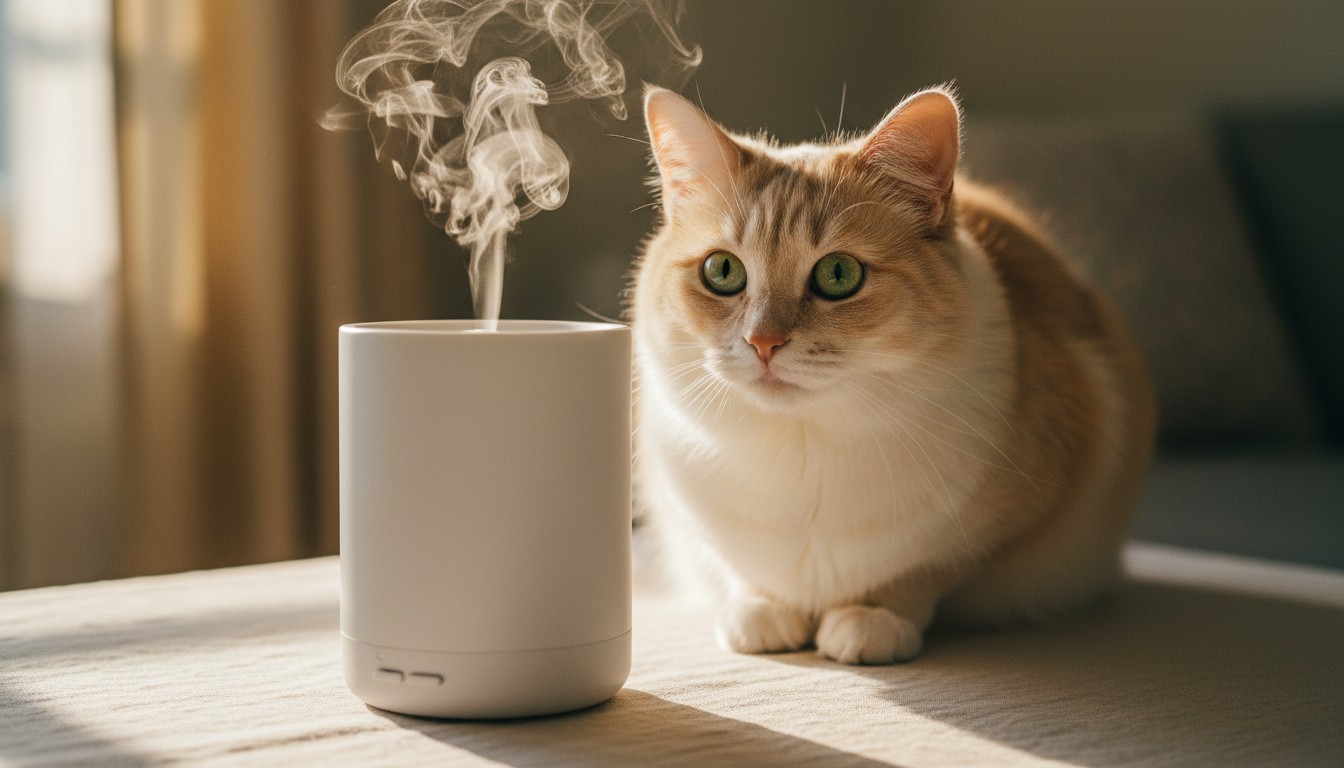
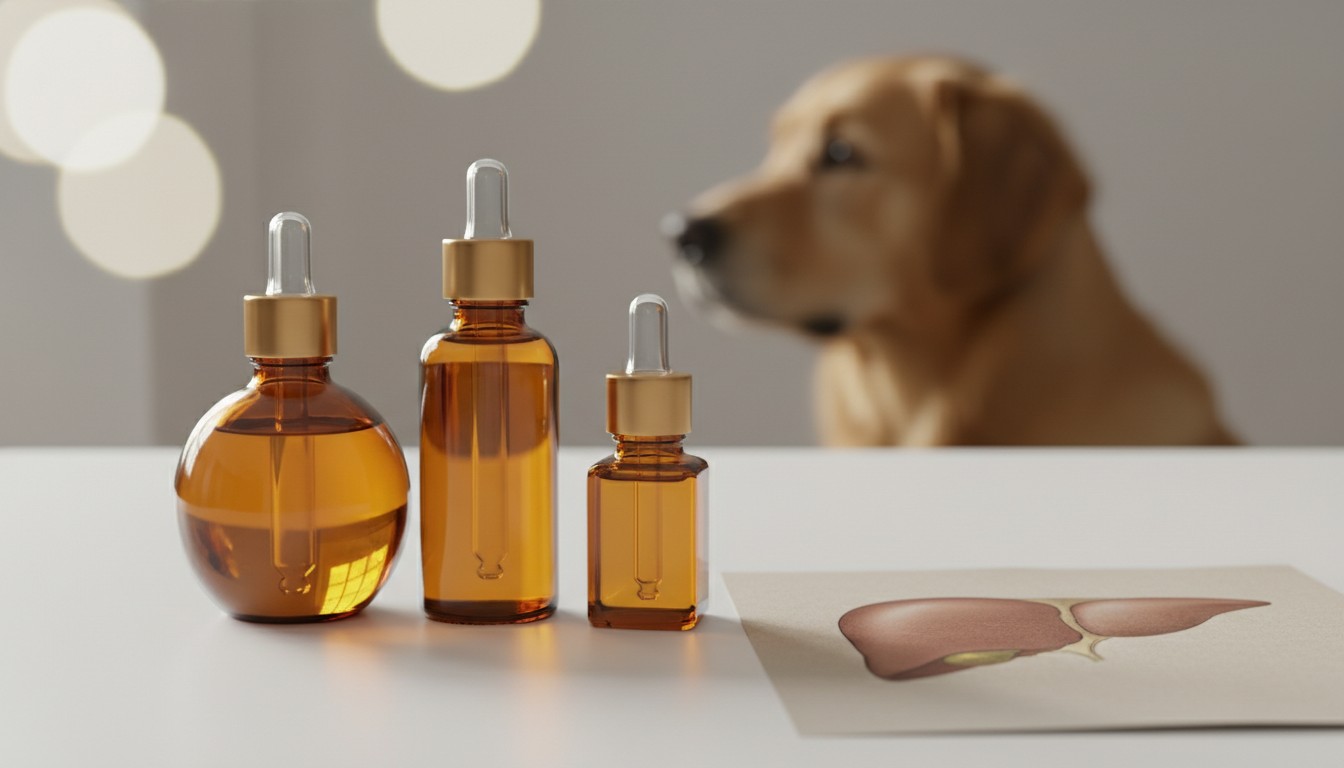
The danger of essential oils is not universal across all species; cats are uniquely vulnerable due to a biological quirk known as a 'metabolic gap.' Specifically, cats lack an essential liver enzyme called glucuronyl transferase. This enzyme is responsible for 'glucuronidation,' the process by which the liver breaks down and eliminates certain chemicals, including phenols and monoterpenes, which are abundant in many 'natural' oils like tea tree, peppermint, and eucalyptus. When a cat inhales or ingests these compounds, their liver cannot process them effectively. Instead, the toxins circulate in the blood, causing progressive cellular damage.
Over time, even low-level exposure to these airborne hazards can lead to acute liver failure or chronic hepatotoxicity. Many Kiwi pet owners use eucalyptus oil in diffusers to manage winter congestion, unaware that eucalyptus contains high levels of eucalyptol, which is notoriously difficult for the feline liver to clear. Symptoms often don't appear until significant damage has occurred, making prevention the only reliable strategy. It is vital to understand that 'organic' or 'therapeutic grade' labels do not make these oils safe for cats; the toxicity is inherent to the chemical structure of the plant extract itself, regardless of its purity or price point at stores like Farmers or local health shops.
Scented Candles: Beyond Fragrance to Particulate Matter
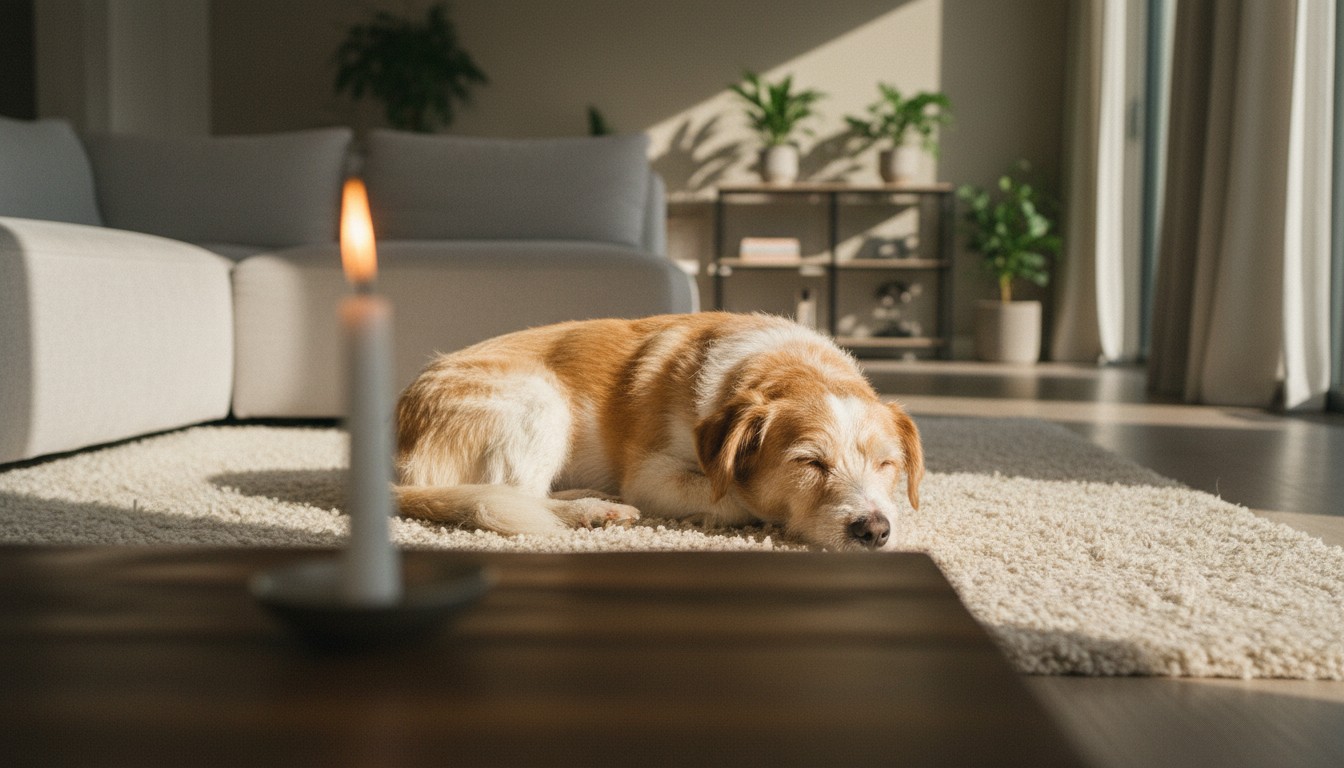
While diffusers use liquid droplets, scented candles pose a threat through combustion byproducts. Most commercial candles sold in New Zealand supermarkets are made from paraffin wax, a petroleum byproduct. When burned, paraffin releases volatile organic compounds such as benzene and toluene, which are known carcinogens. Furthermore, the synthetic fragrances used to create popular scents often contain phthalates—endocrine disruptors that can affect a pet's hormonal balance. The primary airborne hazard from candles, however, is ultra-fine particulate matter (soot).
This soot is often invisible to the naked eye but can be seen as a black residue on walls or ceilings over time. For pets with pre-existing conditions like feline asthma or canine chronic bronchitis, these particulates act as severe irritants, triggering inflammatory responses and respiratory distress. Even 'lead-free' wicks, which are standard now, can still produce high levels of carbon-rich soot if not trimmed correctly. In the enclosed environment of a New Zealand villa or apartment, the concentration of these particulates can quickly exceed safe air quality standards. If you notice your pet squinting, sneezing, or grooming excessively after you light a candle, it is a clear sign that the air quality has reached a tipping point that their system cannot handle.
The Trap of Continuous Diffusion in Modern NZ Homes
The shift toward highly insulated, airtight homes in New Zealand—driven by the Healthy Homes Standards—has an unintended side effect: reduced natural ventilation. While this is great for energy efficiency and keeping the heat from your heat pump inside, it creates a 'trapping effect' for airborne hazards. When an essential oil diffuser is left running for hours in a closed room, the concentration of aerosolised compounds increases exponentially. In older, draughtier Kiwi homes, some of these toxins might escape through gaps in windows or doors, but in modern builds, they linger.
We often see cases of 'cumulative toxicity,' where a pet appears fine for the first few months of a new fragrance routine, only to suddenly develop symptoms of lethargy, staggering, or vomiting. This is often the result of the liver finally reaching its limit after months of struggling to process a constant influx of phenols. To mitigate this risk, it is essential to practice 'intermittent diffusion' if you must use these products. This means running a diffuser for no more than 10-15 minutes in a large, well-ventilated space, and ensuring your pet always has the option to leave the room. Never leave a diffuser running in a room where a pet is confined, such as a laundry or a small bedroom, as they have no way to escape the concentrated vapour.

Troubleshooting: Identifying Respiratory Distress and Toxicity
Recognising the early signs of distress can be the difference between a quick recovery and a trip to the emergency vet. Airborne hazards typically manifest in two ways: respiratory irritation and systemic toxicity. Respiratory signs include sneezing, persistent coughing (which in cats often looks like they are trying to hack up a hairball), watery eyes, and a runny nose. If you notice your pet breathing with an open mouth or using their abdominal muscles to pump air, this is a medical emergency. Systemic toxicity, often linked to liver stress from essential oils, presents as lethargy, loss of appetite, wobbliness (ataxia), or even tremors.
If you suspect your pet is reacting to a fragrance product, the first step is 'clear the air.' Move the pet to a different environment with fresh air immediately. If the pet has oil on its fur, do not try to bathe them with harsh chemicals; use a mild dish soap (like Dawn or a local NZ equivalent like Palmolive) to remove the oily residue, as this prevents further ingestion through grooming. If symptoms persist for more than 30 minutes after moving to fresh air, or if you notice any neurological signs like staggering, contact a veterinarian immediately. It is helpful to take the bottle of oil or the candle packaging with you to the clinic so the vet can identify the specific chemical compounds involved.
Practical Steps for a Safer, Fresher Kiwi Home
You don't have to live in a scent-free vacuum to keep your pets safe. The goal is to reduce the 'toxic load' in your home by making smarter choices. Instead of paraffin candles, opt for 100% beeswax or soy candles with cotton wicks; these burn much cleaner and produce significantly less soot. When it comes to essential oils, stick to 'pet-safer' options like hydrosols (flower waters), which are far less concentrated than essential oils, though even these should be used sparingly. Always ensure there is a cross-breeze in the room by cracking a window, even in winter.
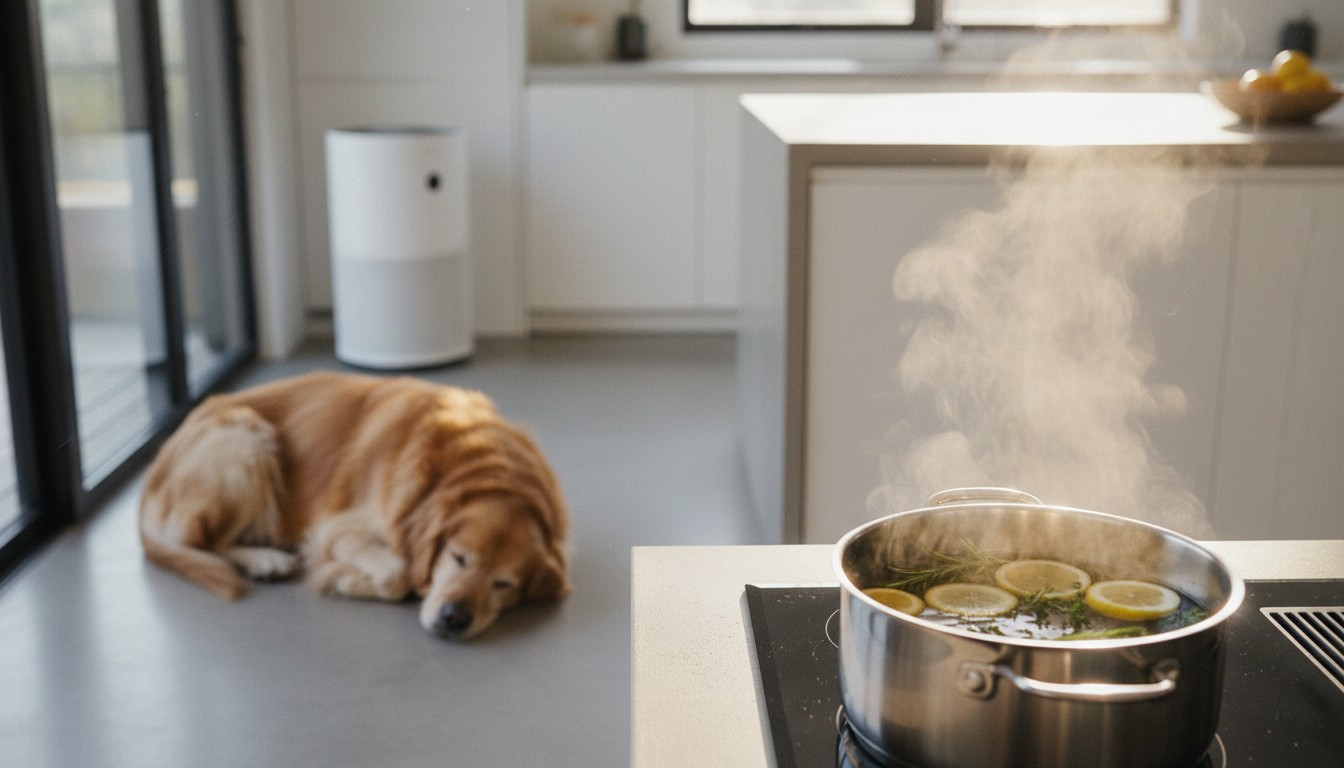
Consider mechanical air purification instead of adding more scents. A high-quality HEPA air purifier can remove the very particulates and VOCs that candles and diffusers release, effectively cleaning the air rather than just masking odours. For natural fragrance, consider simmering a pot of water on the stove with pet-safe ingredients like cinnamon sticks or sliced apples. This provides a gentle scent without the high-pressure aerosolisation of a diffuser. By being mindful of the 'Airborne Hazards' in our environment, we can enjoy a pleasant-smelling home while ensuring our pets live long, healthy lives in the clean air they deserve.
FAQ
Is lavender essential oil safe to diffuse around cats and dogs?
While lavender is often considered 'safer' than tea tree or peppermint, it still contains linalool which can be irritating. In cats, prolonged exposure can still cause liver stress, so it should only be used in very low concentrations in large, well-ventilated rooms where the pet can leave freely.
Can I use a diffuser if it's in a different room from my pet?
Yes, provided the room is closed off and has its own ventilation. However, be aware that central heating and cooling systems (like ducted heat pumps) can circulate the aerosolised oils throughout the entire house, potentially exposing pets in other rooms.
Are reed diffusers safer than ultrasonic diffusers?
Reed diffusers are generally safer because they don't actively 'mist' or aerosolise the oil into the air. The risk with reed diffusers is primarily accidental ingestion if a pet knocks the bottle over, so they must be kept well out of reach on high shelves.
What are the specific signs of essential oil poisoning in birds?
Birds are hypersensitive to airborne hazards. Signs include fluffing of feathers, gasping for air, falling off perches, or sudden death. If you have birds, it is highly recommended to avoid all aerosolised essential oils and scented candles entirely.
Are 'natural' soy candles completely safe for pets?
Soy candles are better than paraffin because they produce less soot, but the 'fragrance' or 'parfum' added to them can still contain toxic VOCs and phthalates. Look for candles scented with very small amounts of pet-safe essential oils or those labeled 'fragrance-free' for the lowest risk.
Conclusion
Maintaining a healthy home environment in New Zealand requires a balance between comfort and safety. While essential oil diffusers and scented candles offer a pleasant atmosphere, the airborne hazards they introduce can have serious physiological consequences for our pets. By understanding the metabolic limitations of cats, the respiratory sensitivity of birds, and the cumulative nature of indoor pollutants, we can make more informed choices. Prioritise ventilation, choose cleaner-burning materials like beeswax, and never underestimate the power of a simple HEPA filter. If you ever suspect your pet is suffering from respiratory distress or toxicity, do not wait—consult your local veterinarian immediately. Your pet relies on you to be the guardian of the air they breathe; a few small changes today can ensure their safety for years to come.
References & Sources
This article was researched using the following sources:

