














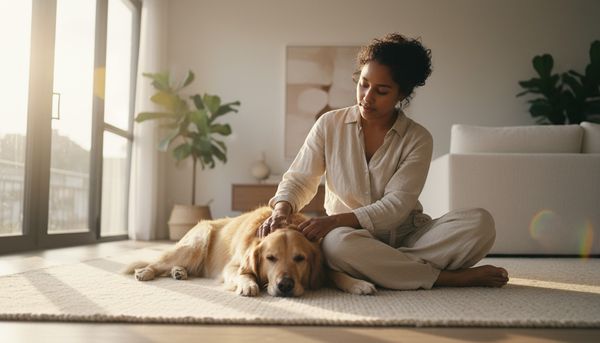
As a pet owner in New Zealand, you are the first line of defence for your companion’s wellbeing. While annual visits to your local vet clinic are essential, a lot can happen in twelve months. Conducting a systematic nose-to-tail pet health exam at home once a week allows you to establish a 'baseline' of what is normal for your pet. By familiarising yourself with the unique feel of your dog or cat’s body—from the texture of their coat to the size of their lymph nodes—you can identify subtle changes before they become serious medical emergencies. This proactive approach doesn't just save on unexpected vet bills; it ensures your pet lives a longer, more comfortable life by catching issues like tumours or dental disease in their earliest stages.
The Head and Mouth: Assessing Vital Signs
Begin your exam at the nose. It should be moist but not dripping; any thick, coloured discharge is a red flag. Move to the eyes, which should be clear and bright. Gently pull down the lower lid to check the conjunctiva, which should be a healthy pale pink, not bright red or yellow.
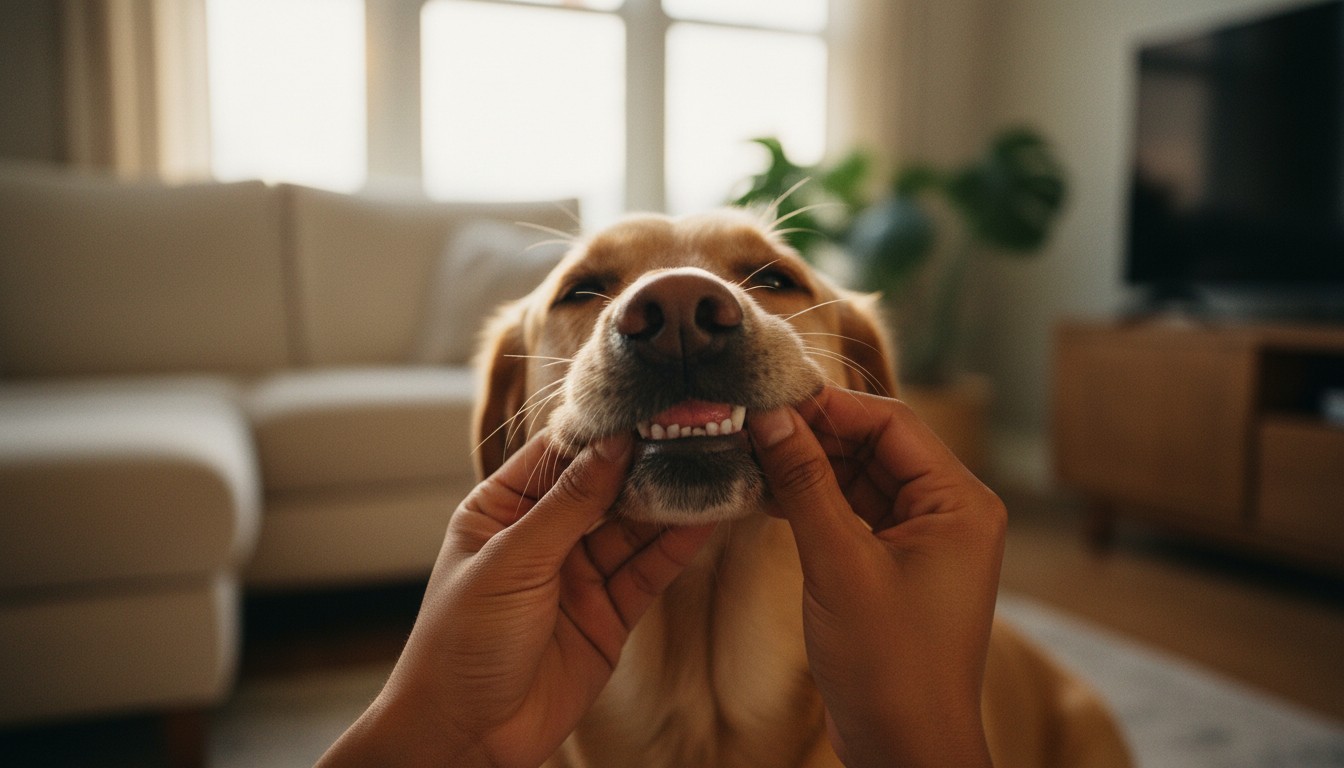
One of the most critical tactile checks is the mouth. Lift the lips to inspect the gums. They should be bubblegum pink. Perform a Capillary Refill Time (CRT) test by pressing your finger firmly against the gum until it turns white, then let go. The colour should return within two seconds. If it takes longer, or if the gums feel tacky or dry, your pet may be dehydrated or experiencing circulatory issues. Check the teeth for 'tartar'—a hard, brown build-up—and smell their breath. While 'dog breath' is common, an overly sweet or foul metallic odour can indicate kidney issues or severe periodontal disease that requires professional NZ dental scaling.
Tactile Techniques for Lymph Nodes and Swellings
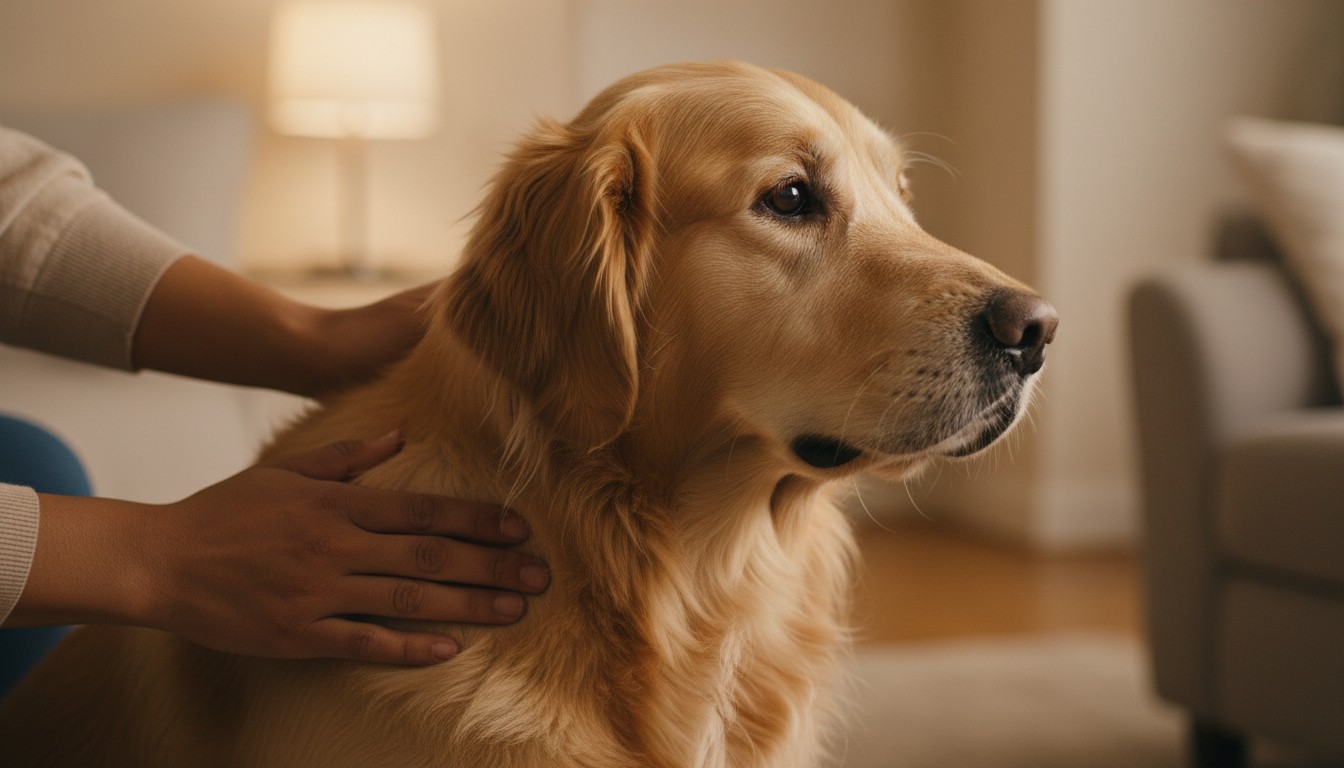
A key part of a nose-to-tail pet health exam involves palpating the superficial lymph nodes. These are small, bean-shaped structures that filter fluid and often enlarge during infection or due to more serious conditions like lymphoma. To find them, use a 'spider-crawl' touch with your fingertips.
Check the submandibular lymph nodes located under the jaw, where the jawbone meets the neck. Next, feel the prescapular nodes in front of the shoulder blades and the popliteal nodes behind the knees of the hind legs. In a healthy pet, these are usually difficult to feel or feel like small, slippery peas. If they feel like hard marbles or grapes, it’s time to book an appointment with your vet. Additionally, run your hands over the entire body to check for 'lumps and bumps'. If you find one, note its size (e.g., the size of a 10-cent NZ coin), whether it is hard or soft, and if it moves freely under the skin or is attached to the underlying tissue.
The Mid-Section: Skin Turgor and Abdominal Palpation
The condition of the skin and coat is a window into internal health. In New Zealand’s varied climate, pets can suffer from seasonal allergies or fleas. Part the hair to look for 'flea dirt' (small black specks that turn red when wet). Use the 'skin tent' test to check hydration: gently pinch the skin between the shoulder blades and release. It should snap back instantly. If it stays 'tented' or slides back slowly, your pet needs immediate hydration.
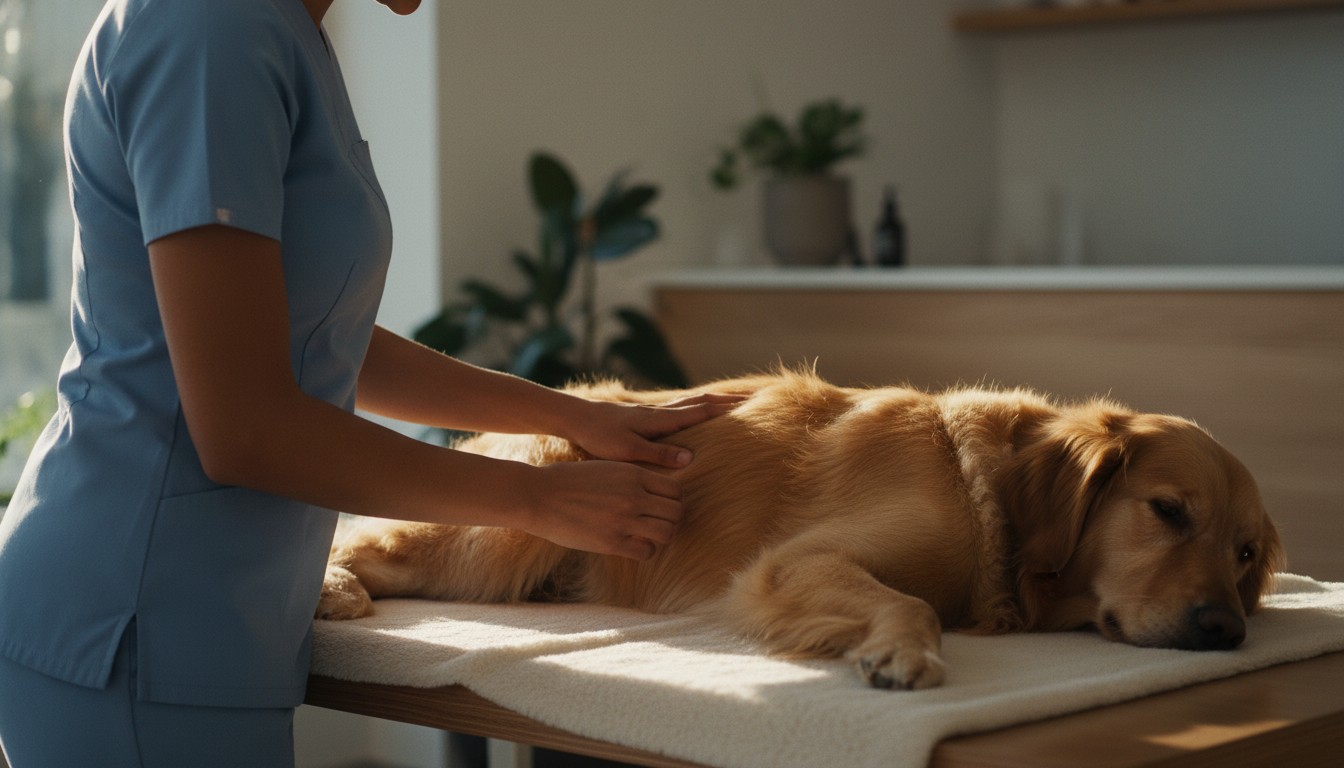
Moving to the abdomen, use both hands to gently press into the belly area, starting behind the ribs and moving toward the hind legs. Your pet should remain relaxed. A healthy abdomen feels soft, much like a loosely filled water balloon. If the pet tenses their muscles (splinting), groans, or if the area feels hard and bloated, this indicates pain or internal distress. Be particularly mindful of deep-chested breeds like German Shepherds, where a hard, distended abdomen can indicate a life-threatening Gastric Dilatation-Volvulus (GDV).
The Rear and Movement: Joints and Paw Health
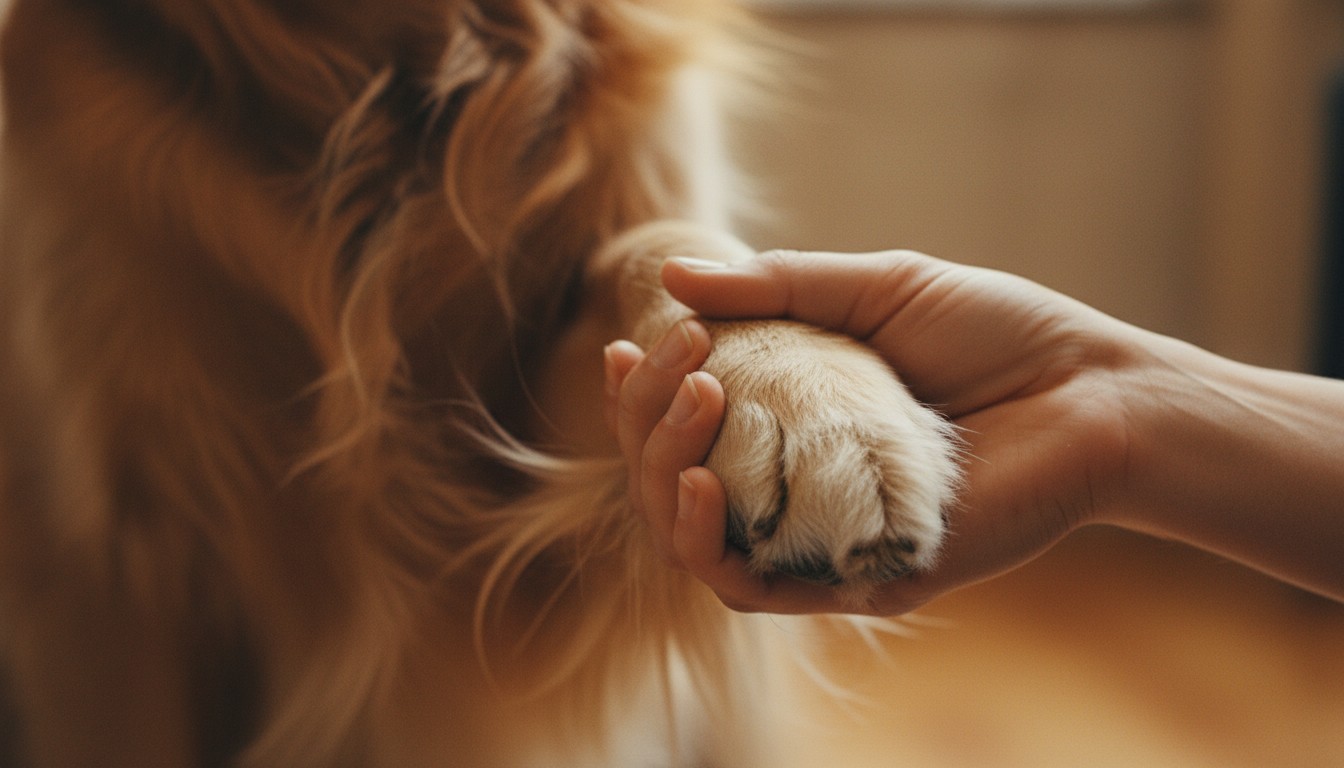
Conclude your exam by checking the limbs and paws. Inspect the paw pads for cracks or 'grass seeds' (bindii or foxtails), which are common in NZ rural and suburban parks and can burrow into the skin causing painful abscesses. Ensure the nails are at an appropriate length and not curling back into the pads.
Gently extend each leg to check for a full range of motion. Listen for any 'grinding' sounds or resistance, which may indicate arthritis—especially common in older pets during New Zealand’s damp winter months. Finally, observe your pet moving. Watch them walk across a flat surface like a wooden floor or driveway. Look for 'short-stepping', head bobbing, or a reluctance to put weight on a specific limb. Early detection of joint stiffness allows for better management through supplements like Green-Lipped Mussel extract, a popular and effective local NZ remedy for joint inflammation.
Troubleshooting: When the Exam Goes Wrong
Not every pet will enjoy being poked and prodded initially. If your pet becomes stressed, growls, or tries to escape, stop the exam immediately. Forcing the process can damage your bond and lead to injury. Instead, use 'cooperative care' techniques. Introduce the exam in small stages—perhaps just checking the ears one day and the paws the next.
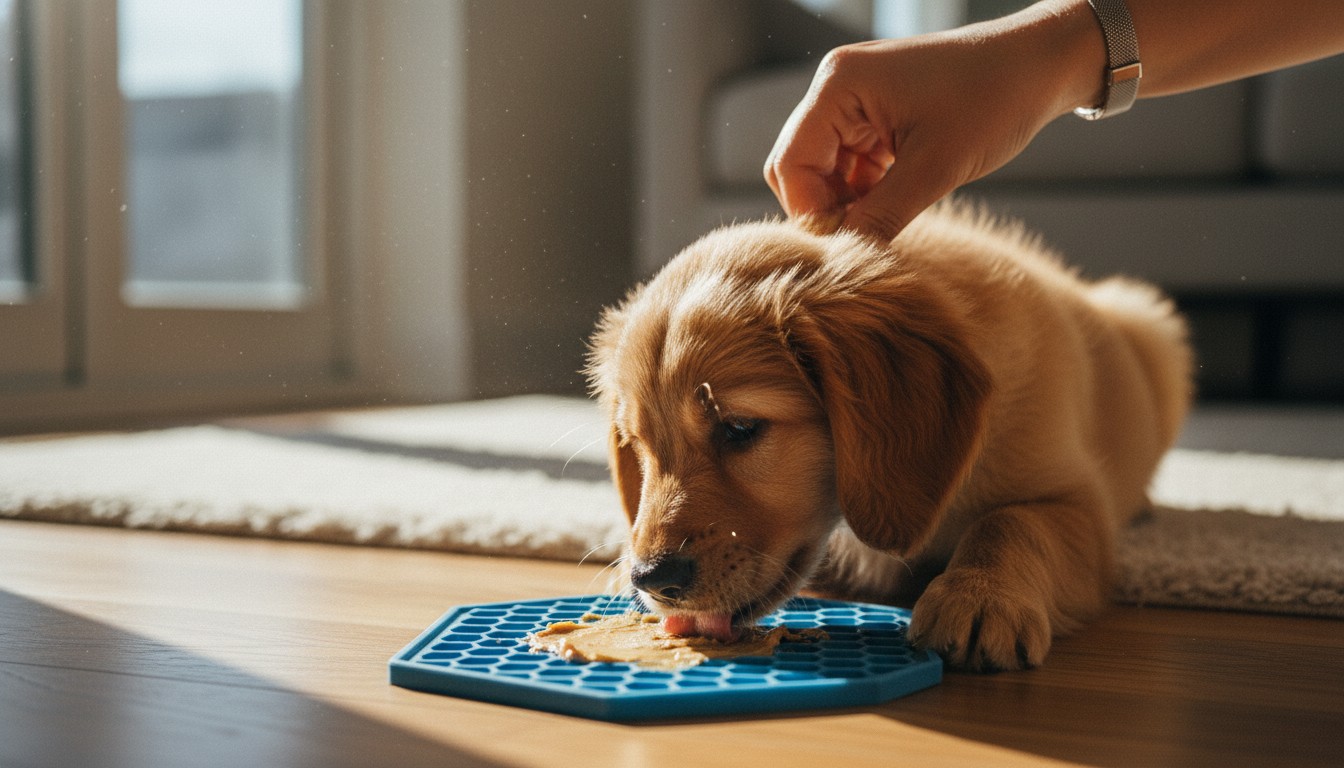
Use high-value rewards, such as small pieces of plain cooked chicken or a lick-mat with peanut butter (ensure it is Xylitol-free), to create a positive association. If you find an abnormality but aren't sure if it's new, use your smartphone to take a clear, well-lit photo or video. Place a coin next to a lump for scale. This documentation is incredibly helpful for your vet to determine if a growth is changing rapidly over time. If your pet shows extreme aggression during the exam, it may actually be a sign that they are already in pain, necessitating a professional sedated exam at the clinic.
FAQ
How often should I perform a nose-to-tail pet health exam?
Ideally, you should perform this exam once a week. This frequency allows you to become intimately familiar with your pet's 'normal' state, making it much easier to spot a tiny new lump or a subtle change in gum colour before it progresses.
What is the most important thing to look for during the exam?
There isn't just one thing, but 'changes from the baseline' are the most critical. This includes new lumps, sudden weight loss (feeling the ribs more easily), changes in breath odour, or a new sensitivity to being touched in certain areas like the abdomen.
Can I perform this exam on a cat as easily as a dog?
Yes, though cats often require a gentler touch and shorter sessions. Focus on the 'scruff' for hydration checks and the jawline for dental health. Many cats prefer being checked while they are already relaxed or purring on your lap.
Should I be worried if I can't find my pet's lymph nodes?
Actually, in a healthy, lean pet, the lymph nodes are often very difficult to find. If you can't feel them, it usually means they are not swollen. It is only when they become enlarged (feeling like a firm grape or marble) that you should be concerned.
Conclusion
Implementing a weekly nose-to-tail pet health exam is one of the most significant steps you can take as a proactive pet owner in New Zealand. By spending just ten minutes a week systematically checking your pet's vitals, skin, and joints, you bridge the gap between annual vet visits. This routine fosters a deeper bond of trust and ensures that you are never caught off guard by a preventable illness. If you find anything concerning—be it a suspicious lump, persistent bad breath, or signs of joint pain—do not hesitate to contact a New Zealand Registered Veterinarian. Early intervention is almost always more effective and less costly than reactive treatment. Start your first exam today and create a health log to track your pet's wellness journey.
References & Sources
This article was researched using the following sources:

