














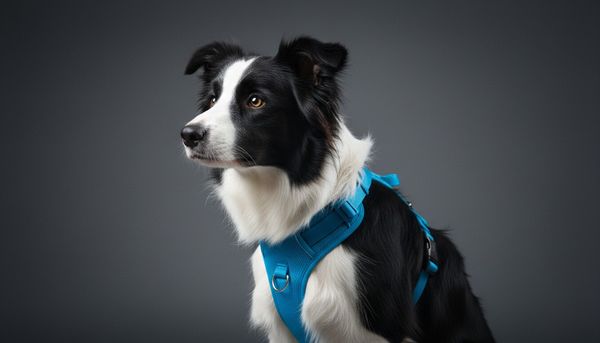
Finding the right gear for your canine companion is more than just picking a stylish colour at Animates or Petstock. A proper dog harness fit guide focuses on the intricate biomechanics of a dog's movement, ensuring that their skeletal structure remains unrestricted during everyday walks or weekend tramping in the Waitakere Ranges. Many owners unknowingly choose harnesses that look secure but actually impede the shoulder blades, leading to shortened strides and long-term joint strain. By understanding the anatomy of a perfect fit, you can enhance your dog's comfort and prevent issues like 'harness rub' or escape attempts. This guide provides a deep dive into the physical verification of a safe, ergonomic fit that respects your dog's natural gait and physiology.
The Biomechanics of the Y-Front Design
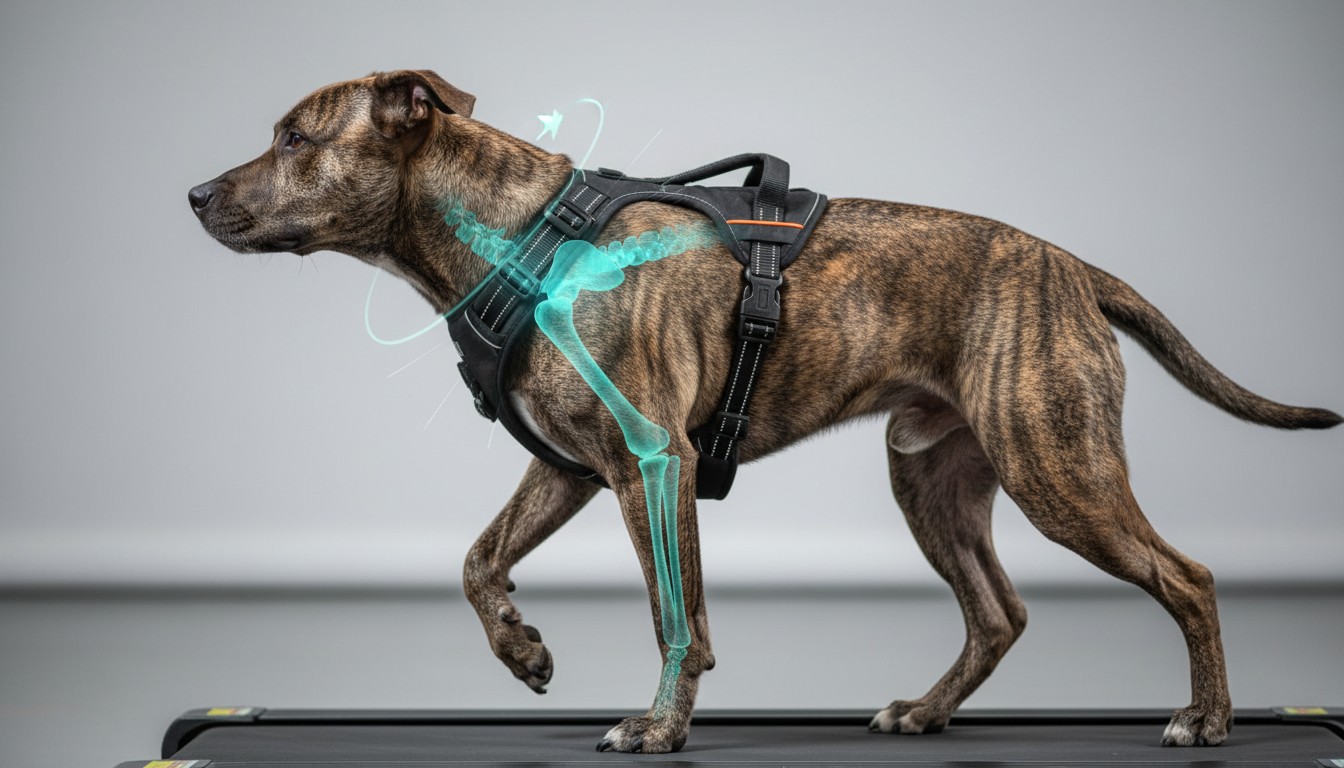
When evaluating a harness, the most critical factor is the shape of the front piece. A truly ergonomic harness features a 'Y' shape that sits on the breastbone (prosternum), leaving the shoulder joints completely free. Many popular 'no-pull' harnesses use a horizontal chest bar, often called a 'T-front.' While effective for control, these bars sit directly across the supraspinatus and infraspinatus muscles, physically blocking the forward reach of the forelimbs. \n\nIn New Zealand, where we often walk on varied terrain, this restriction is particularly problematic. A dog whose shoulders are restricted will adopt a 'stilted' gait, putting compensatory pressure on their lower back and neck. When you check the fit, ensure the straps follow the angle of the shoulders and meet at the center of the chest bone. This allows the scapula (shoulder blade) to rotate freely as the dog moves, which is essential for maintaining joint health and preventing early-onset arthritis in active working or sporting breeds.
Measuring the Golden Triangle for Precision
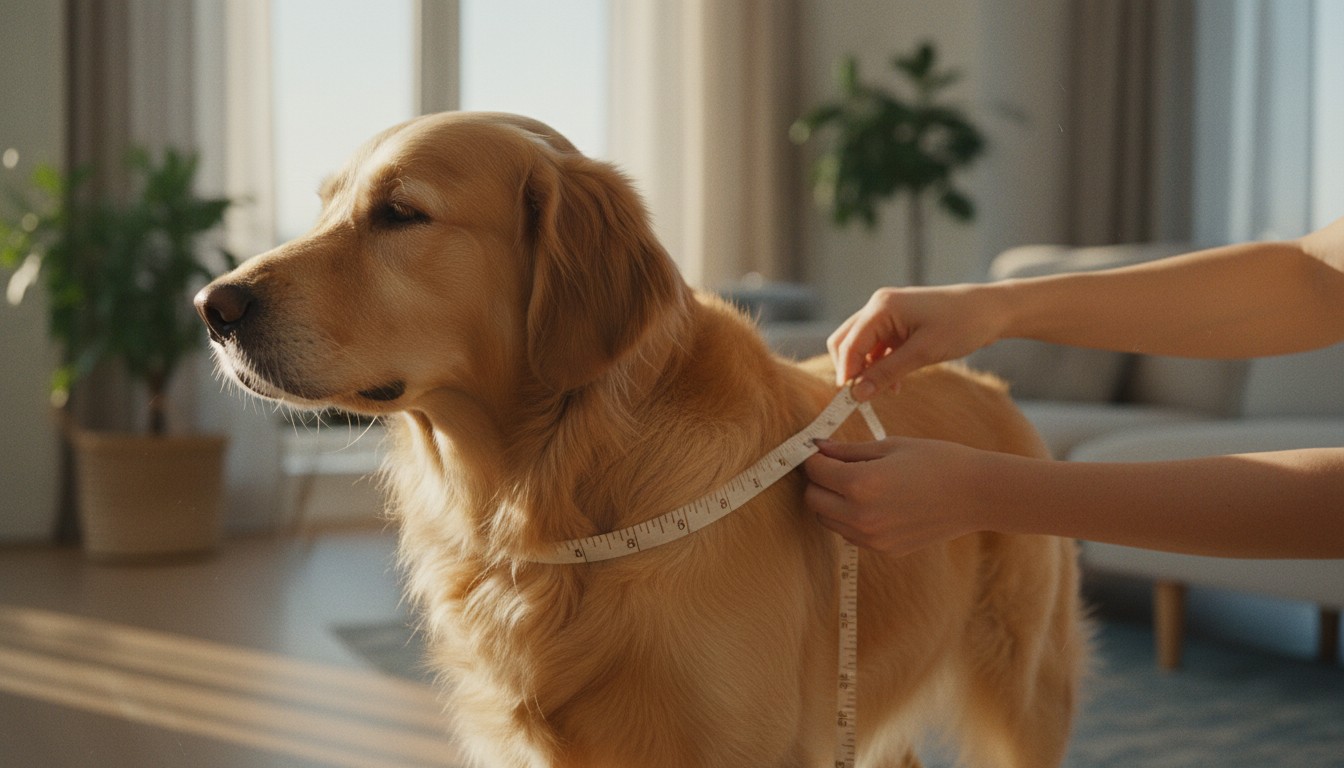
To achieve a perfect fit, you must move beyond generic 'Small' or 'Large' labels. Use a soft tailor's tape measure to record three key points in centimetres. First, measure the base of the neck, lower than where a collar would sit. Second, measure the girth at the widest part of the ribcage, usually about three to five fingers' width behind the front legs. Finally, measure the length of the chest plate—the piece that runs between the front legs. \n\nThis 'Golden Triangle' of measurements ensures the harness doesn't sit too close to the axilla (armpit). In New Zealand's damp climate, a harness that is too close to the armpit will trap moisture and grit, leading to painful 'gear rub' or fungal infections. The girth strap should sit far enough back that it stays on the ribcage and doesn't compress the soft tissue of the abdomen. If you are shopping at local retailers like Petstock, bring your measurements to compare against the manufacturer's specific sizing charts, as NZ brands often vary significantly from international imports.
The Two-Finger Rule and Girth Security
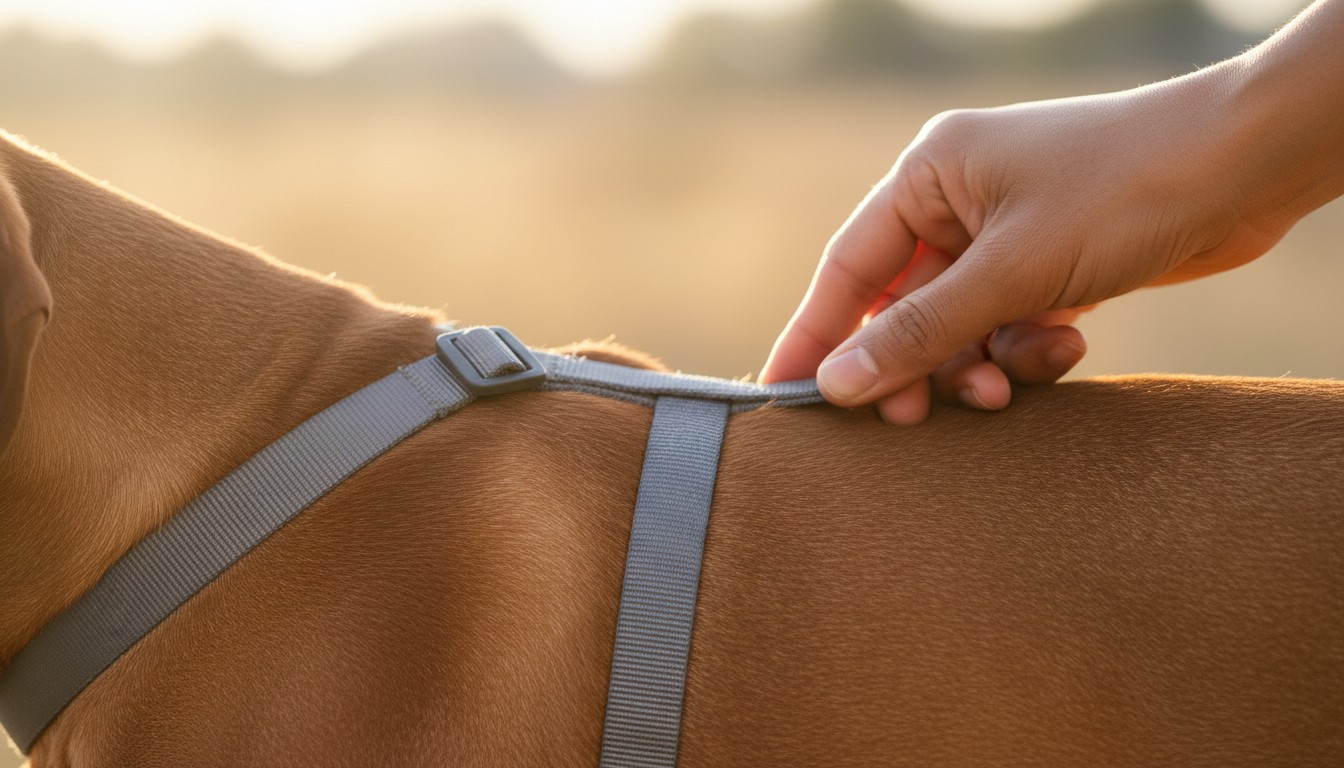
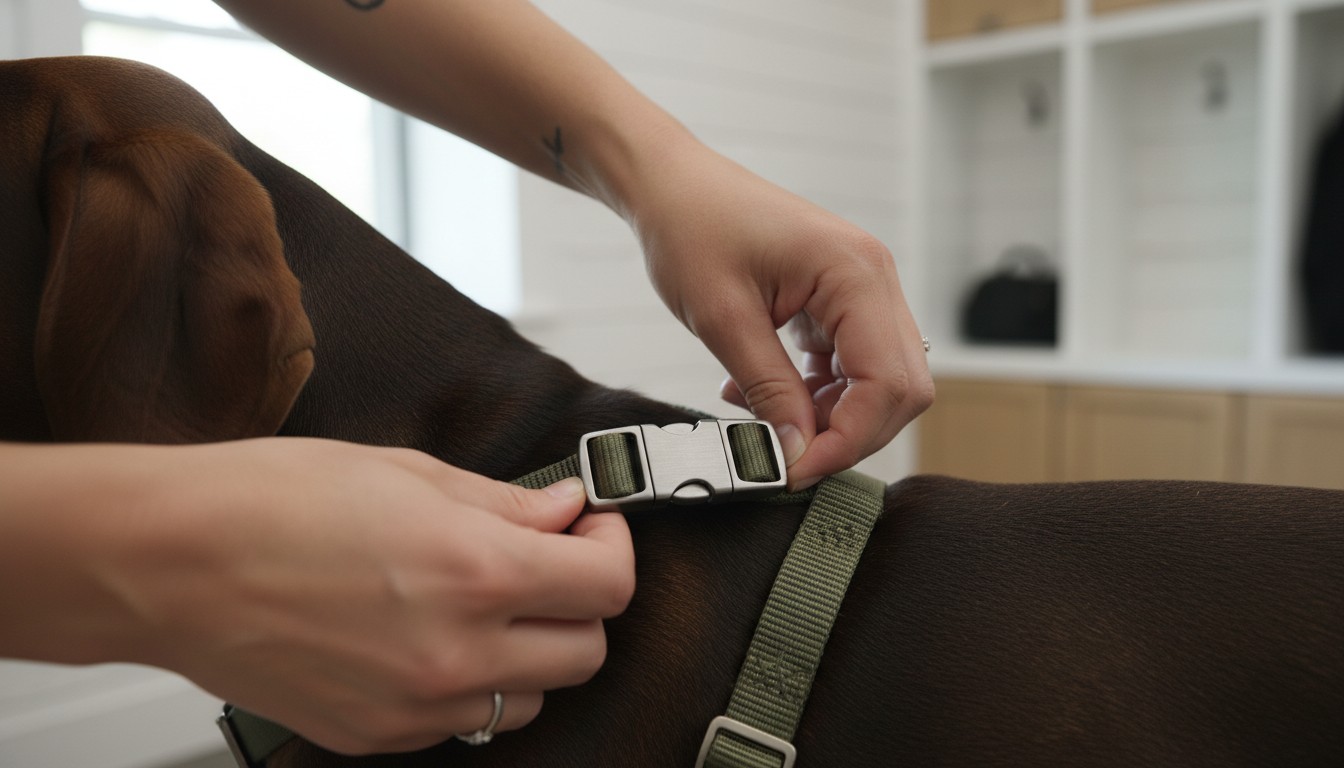
A common mistake is leaving the harness too loose to 'ensure comfort,' but a loose harness is often more dangerous than a slightly snug one. A loose harness shifts during movement, causing friction that leads to hair loss and skin irritation. Conversely, a harness that is too tight can restrict breathing and cause distress. The gold standard for checking tension is the 'two-finger rule.' You should be able to slide two fingers flat between the harness straps and your dog's body at any point. \n\nCheck this tension while the dog is standing, sitting, and lying down. In New Zealand, many dogs are 'escape artists,' particularly during firework season or near busy Auckland roads. A harness that is too loose allows a dog to 'reverse' out of the gear by ducking their head and pulling backward. If the girth strap is properly tightened to the two-finger rule and positioned behind the widest part of the ribs, the skeletal structure acts as a natural stopper, preventing the harness from being pulled over the chest and off the dog.
Troubleshooting Common Fit Issues
Even with the right measurements, you may encounter issues like 'tipping' or 'gaping.' Tipping occurs when the harness leans to one side, usually because the lead is attached to a side-ring or the straps are unevenly adjusted. This uneven pressure can cause the dog to walk diagonally, which stresses the hips over time. If you notice gaping at the neck, the harness is likely too large in the front, which can cause the dog to trip over the chest plate when they lower their head to sniff. \n\nAnother sign of poor fit is a sudden reluctance to walk or 'freezing' when the harness is produced. This often indicates that the harness is pinching or that the dog finds the overhead application process aversive. For dogs sensitive to things touching their ears, look for harnesses with neck-clips. If your dog experiences persistent rubbing despite a good fit, consider a fleece-lined or padded option, which is particularly beneficial for short-haired breeds like Greyhounds or Vizslas frequently seen in NZ's urban dog parks. If movement issues persist, consult a canine physiotherapist to check for underlying skeletal sensitivities.
FAQ
How do I know if my dog's harness is restricting their shoulder?
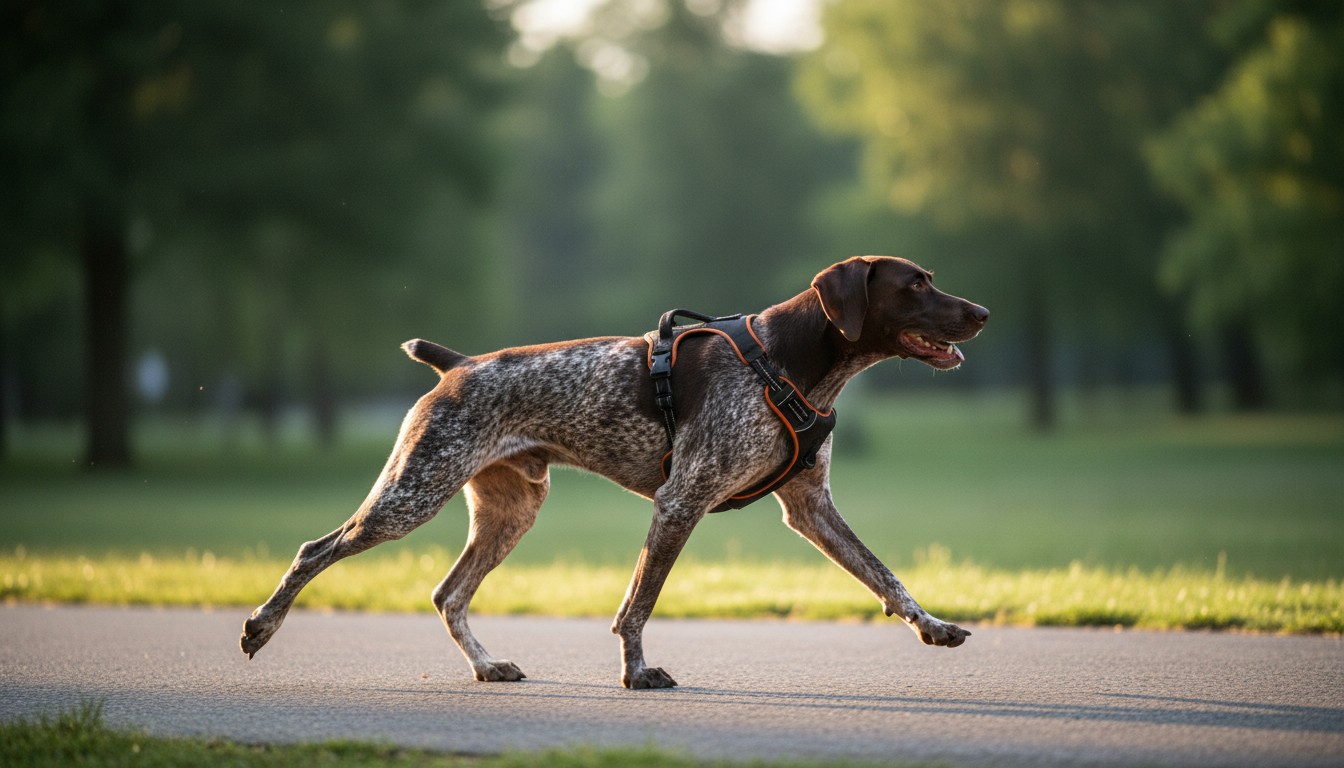
Observe your dog from the side while they walk on a flat surface. If the harness strap covers the shoulder blade and you see the fabric bunching or the dog taking shorter, 'choppy' steps compared to their movement without a harness, the gait is likely restricted.
My dog keeps getting sores in their armpits; what should I do?
This is usually caused by the girth strap sitting too close to the front legs. Look for a harness with a longer chest piece that moves the girth strap further back onto the ribcage, and ensure you clean the harness regularly to remove NZ grit and salt.
Can a harness be used for a dog that pulls excessively?
Yes, but choose a Y-front harness with a front-clip attachment. This redirects the dog's momentum without the skeletal restriction caused by 'no-pull' harnesses that use horizontal chest bars, which can damage the shoulder joints over time.
Conclusion
Achieving the perfect fit requires a balance of anatomical knowledge and practical observation. By focusing on a Y-front design, utilizing the two-finger rule, and ensuring the girth strap sits well back from the armpits, you provide your dog with the best possible gear for New Zealand's unique landscapes. Remember to regularly inspect your harness for wear and tear, especially after salt-water swims or muddy bush walks. If your dog shows signs of lameness, persistent skin irritation, or extreme reluctance to wear their gear, it is essential to consult with a veterinarian or a certified canine rehabilitation practitioner. A well-fitted harness is an investment in your dog’s long-term mobility and happiness, ensuring they can join you on adventures for years to come.
References & Sources
This article was researched using the following sources:

