














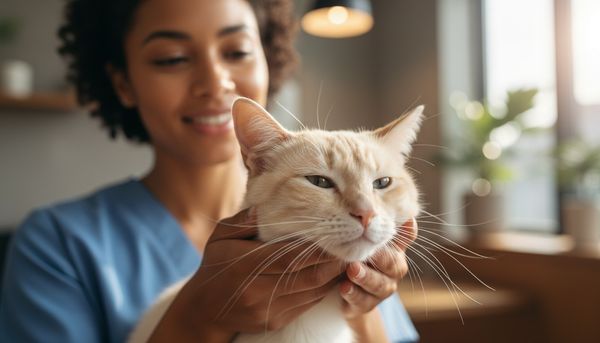
In the bustling veterinary landscape of India, from the crowded clinics of Old Delhi to the high-end animal hospitals of South Mumbai, pet parents are often focused solely on medical expertise. However, how your pet is handled physically is just as vital as the prescription they receive. Implementing low-stress veterinary protocols is a modern, science-based approach that prioritises the emotional well-being of dogs and cats. These protocols aim to reduce fear, anxiety, and stress (FAS) during medical examinations. By choosing a clinic that adheres to these standards, you are not just ensuring a calmer visit today, but also preventing long-term behavioral trauma that can make future healthcare nearly impossible for your pet. This guide will walk you through the specific indicators of low-stress handling that every Indian pet owner should look for during their next visit.
The Waiting Room: More Than Just a Seating Area
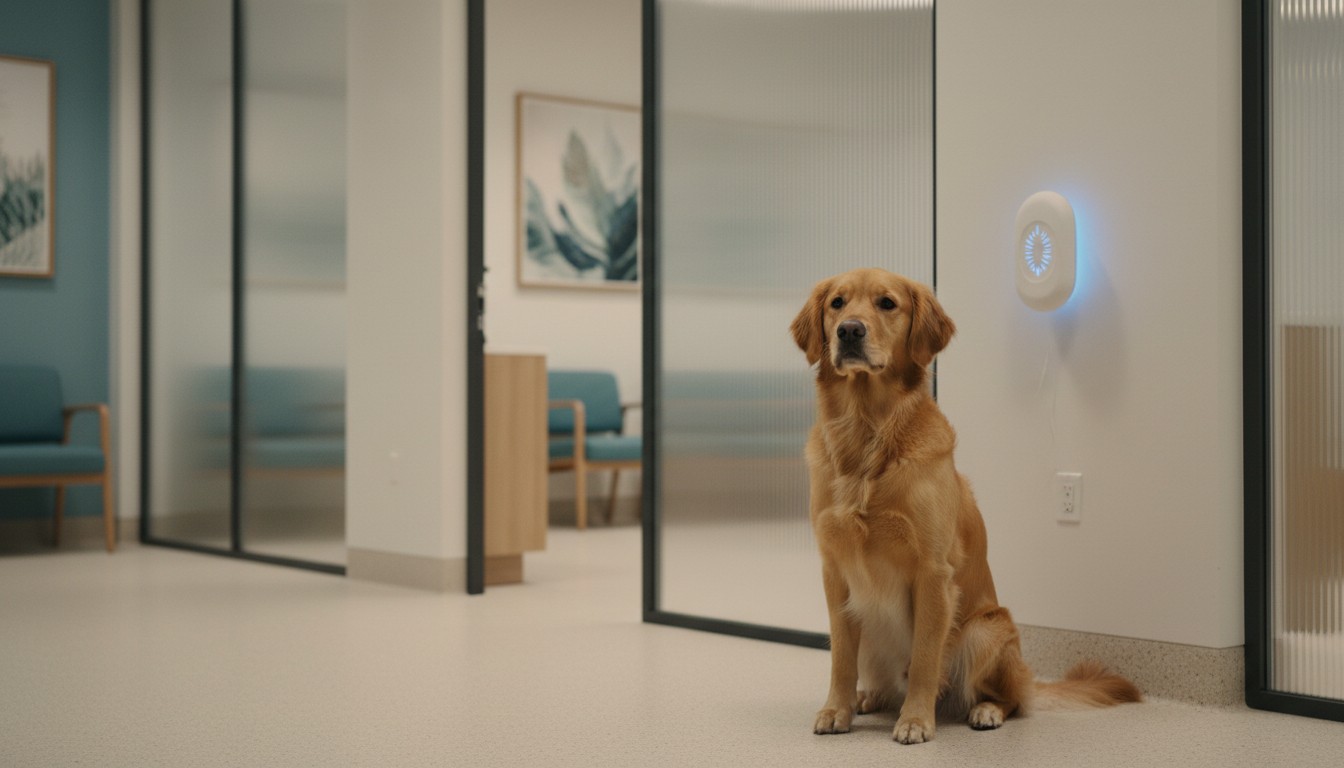
In many Indian veterinary clinics, the waiting area can be a chaotic melting pot of barking dogs, nervous cats, and high-volume street noise. A clinic committed to low-stress veterinary protocols will actively manage this environment. Look for physical barriers or partitioned seating that prevents direct eye contact between animals, which is a common trigger for aggression or fear. High-quality clinics may even offer separate waiting zones for cats and dogs, or suggest that you wait in your air-conditioned car until the vet is ready for your appointment.
Beyond the physical layout, pay attention to the sensory details. Many modern clinics in metros like Bengaluru and Delhi now use synthetic pheromone diffusers (such as Feliway for cats or Adaptil for dogs) to create a calming olfactory environment. The floor should have non-slip mats or rugs; a dog sliding on a polished marble floor feels physically insecure, which immediately spikes their stress levels. If the clinic is quiet, uses soft lighting, and smells like a home rather than a chemical factory, they are likely prioritising low-stress principles.
The 'Less is More' Approach to Physical Handling
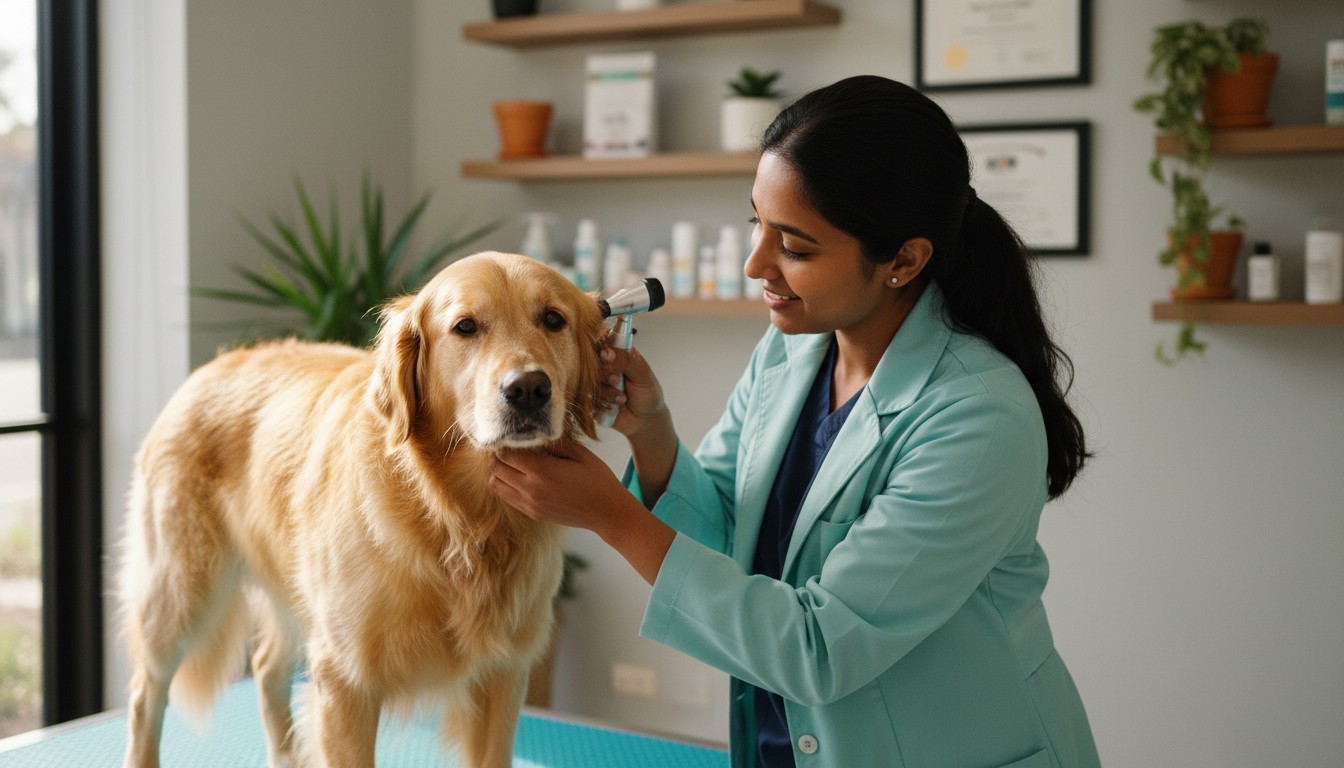
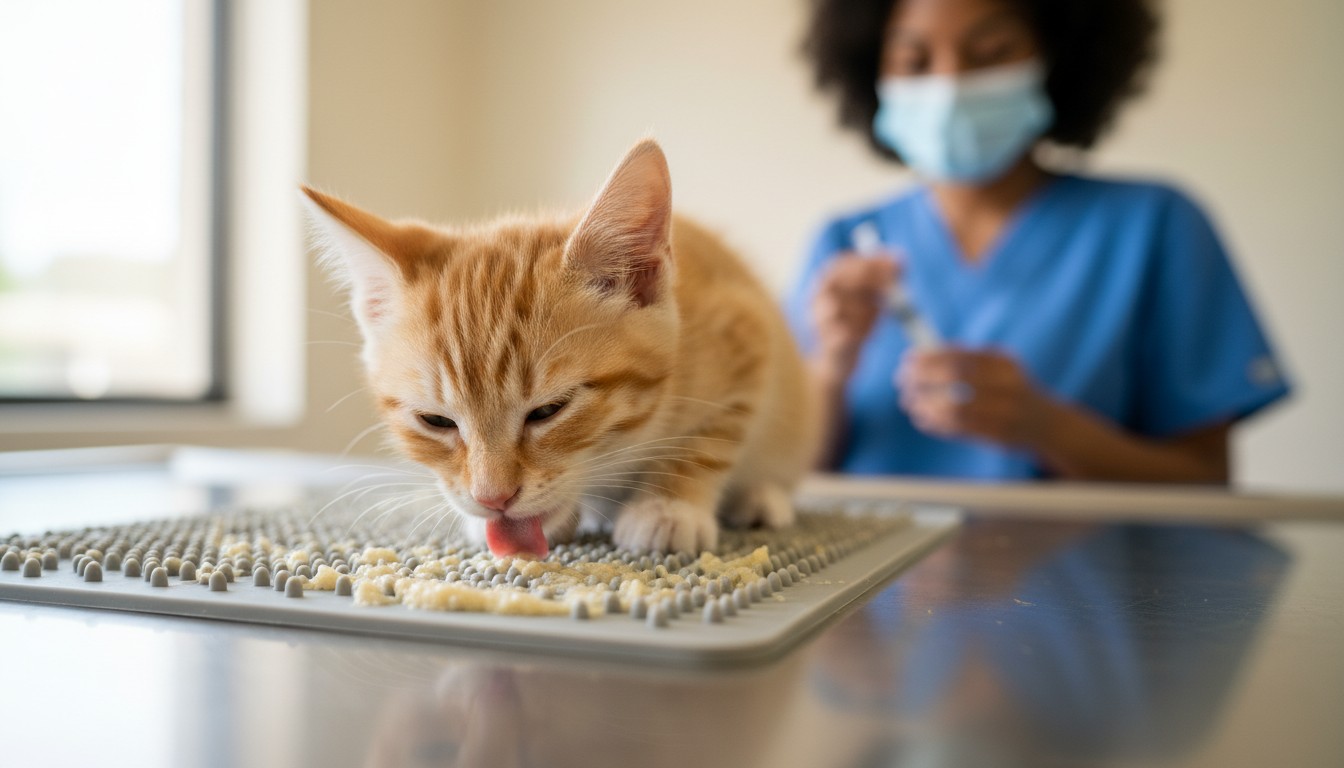
Traditional veterinary restraint often involves 'scruffing' cats or using 'alpha rolls' on dogs—techniques that are now considered outdated and potentially harmful. In a clinic following low-stress veterinary protocols, you will notice a 'less is more' philosophy. Instead of pinning an animal down to draw blood, staff may use distraction techniques, such as a 'lick mat' covered in peanut butter or wet food (like those from Royal Canin or local brands like Chip Chop).
The vet should move slowly and predictably. For cats, the 'purrito' technique—wrapping the cat gently in a towel—is a hallmark of fear-free handling, as it provides a sense of security while allowing access to specific body parts. If a vet or technician is constantly trying to overpower your pet rather than using treats and gentle repositioning, it is a sign that they lack training in modern behavioral science. In an Indian context, where pets may already be stressed by heat and humidity, this gentle touch is crucial for preventing heat-related distress during the exam.
The Power of Positive Reinforcement and High-Value Rewards
A significant indicator of a low-stress environment is the abundance of treats. In India, many traditional vets discourage feeding before an exam, but low-stress advocates suggest bringing your pet 'hungry' so that treats are highly motivating. The clinic should offer a variety of high-value rewards, ranging from boiled chicken pieces to commercial treats. This 'counter-conditioning' helps the pet associate the clinic with positive experiences rather than pain or fear.
Observe how the vet delivers these rewards. They should be offered before, during, and after any potentially uncomfortable procedure, like a vaccination or temperature check. This isn't just about 'spoiling' the pet; it is about keeping their brain occupied with something pleasurable so the nervous system doesn't enter 'fight or flight' mode. If your vet is dismissive of your request to use treats, or if they lack an 'emergency stash' of snacks for their patients, they are not fully embracing low-stress veterinary protocols.
Troubleshooting: When the Protocol Isn't Working
Even the best low-stress veterinary protocols can sometimes fail if a pet is already in a state of extreme panic. It is important to know when to stop. If your pet is panting excessively, trembling, or attempting to bite despite gentle handling, a low-stress vet will suggest rescheduling the appointment. They might prescribe 'pre-visit pharmaceuticals' (PVPs)—safe, mild sedatives or anti-anxiety medications to be administered at home before the next visit.
In India, there can sometimes be a stigma around 'drugging' a pet, but these medications are essential tools for welfare. They allow the pet to remain calm enough to actually learn that the vet's office isn't a place of horror. If a vet insists on 'pushing through' an exam while your pet is screaming or fighting, this is a major red flag. A true professional understands that the pet's long-term mental health is more important than completing a nail trim or a minor check-up in a single session.

FAQ
How do I find a vet in India who follows low-stress protocols?
While formal 'Fear Free' certification is still emerging in India, look for clinics that advertise 'feline-friendly' or 'positive handling' practices. You can also call ahead and ask if they allow you to use treats during the exam and if they avoid scruffing cats.
Are these low-stress visits more expensive?
Generally, the consultation fee is similar to traditional clinics (₹800 to ₹2500 in major metros). While some specialised clinics might charge slightly more for the extra time taken, the long-term savings on behavioral therapy and sedated exams make it more cost-effective.
Can I bring my own treats and toys to the vet?
Absolutely. In fact, most low-stress vets encourage this because your pet already has a positive association with their own toys and preferred snacks. Bringing a familiar smelling blanket from home can also provide a sense of security.
Conclusion
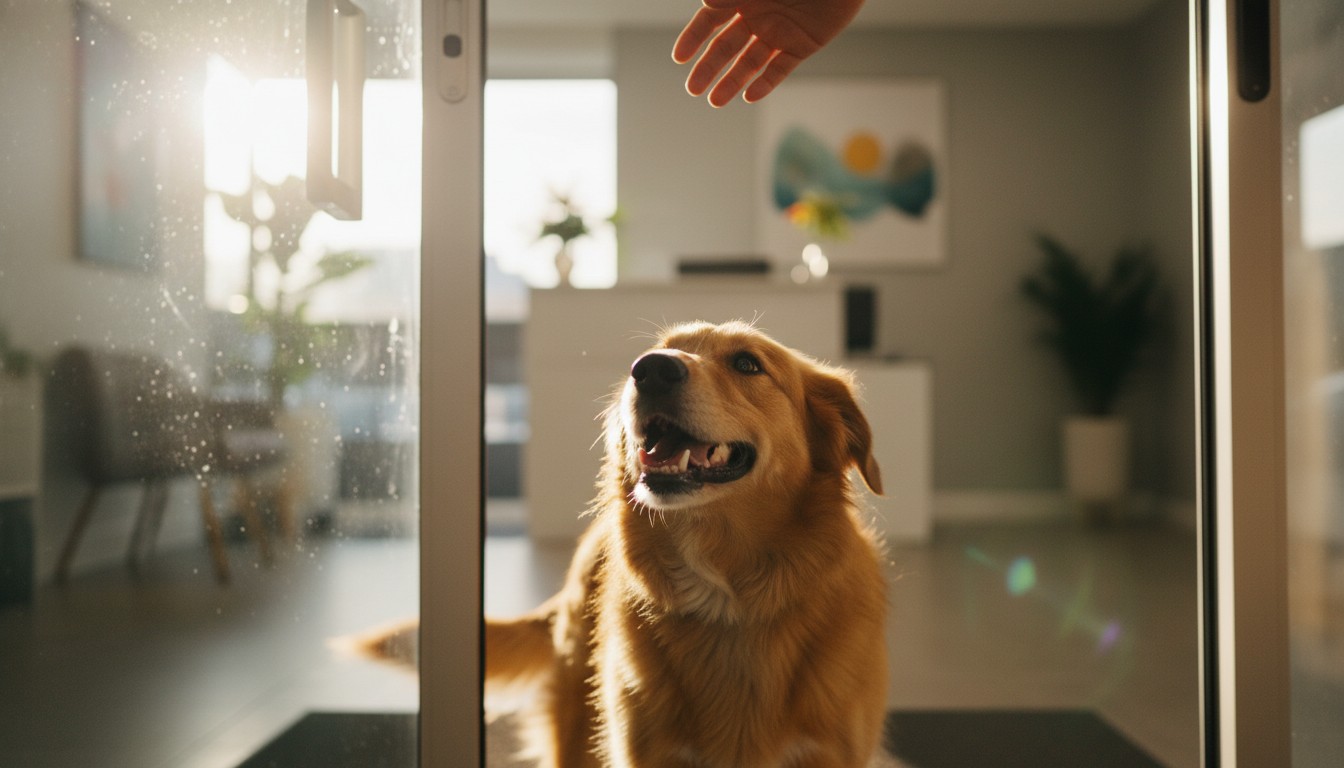
Evaluating low-stress veterinary protocols is about more than just finding a 'nice' doctor; it is about ensuring your pet receives medical care that respects their biological and emotional needs. By looking for indicators like partitioned waiting areas, the use of high-value treats, and a 'less is more' handling style, you can significantly improve your pet's quality of life. In India's rapidly evolving pet care sector, your demand for better standards drives the industry forward. Always remember that you are your pet's primary advocate. If a handling technique feels wrong or overly aggressive, do not hesitate to speak up. For pets with severe aggression or deep-seated trauma, always consult a certified animal behaviorist alongside your veterinarian to create a comprehensive desensitisation plan. Safety for both the staff and the pet is paramount, and modern science provides the tools to achieve it without fear.
References & Sources
This article was researched using the following sources:


