














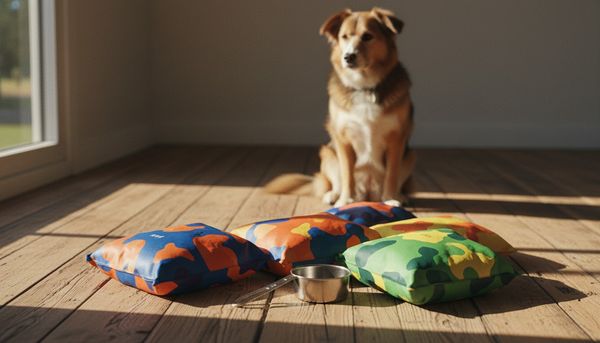
Most pet parents in India are familiar with the standard 7-day rule: mix 25% of the new food for two days, then 50%, then 75%. However, what happens when the 'mix it slowly' advice fails? If your dog develops persistent diarrhoea or refuses to eat once you hit the 50% mark, you are dealing with a stalled food transition. This can be incredibly frustrating, especially when you have invested in premium brands like Farmina, Royal Canin, or specialized Indian brands like Drools Focus. Understanding why a transition stalls is the first step toward a successful dietary change. This guide moves beyond the basics to provide an expert troubleshooting framework for dogs with sensitive stomachs, ensuring your pet gets the nutrition they need without the digestive distress often seen in our varying Indian climate.
The 50% Wall: Why Your Dog’s Digestion Hits a Standstill
The most common point of failure in any dietary change is what experts call the '50% Wall.' At this stage, the concentration of new ingredients—different proteins, fats, or fibre sources—reaches a critical mass in the gut. For many dogs in India, especially those prone to 'Indie-tummy' or sensitive breeds like Golden Retrievers and GSDs, the gut microbiome needs more than 48 hours to adjust to a new enzyme requirement. When the transition is too fast for the specific dog, the result is often soft stools or gas.
It is vital to distinguish between a temporary 'adjustment' and a genuine 'intolerance.' If the stool is soft but formed, it is likely an adjustment issue. However, if it is liquid or contains mucus, the transition has stalled. In the humid climates of coastal India or the extreme heat of the north, digestive systems are already under slight environmental stress, making them more reactive to sudden nutritional shifts. Pushing through a stall rarely works; instead, you must evaluate the microbial load and the rate of gastric emptying.
The Strategic Reset Protocol: Stepping Back to Move Forward
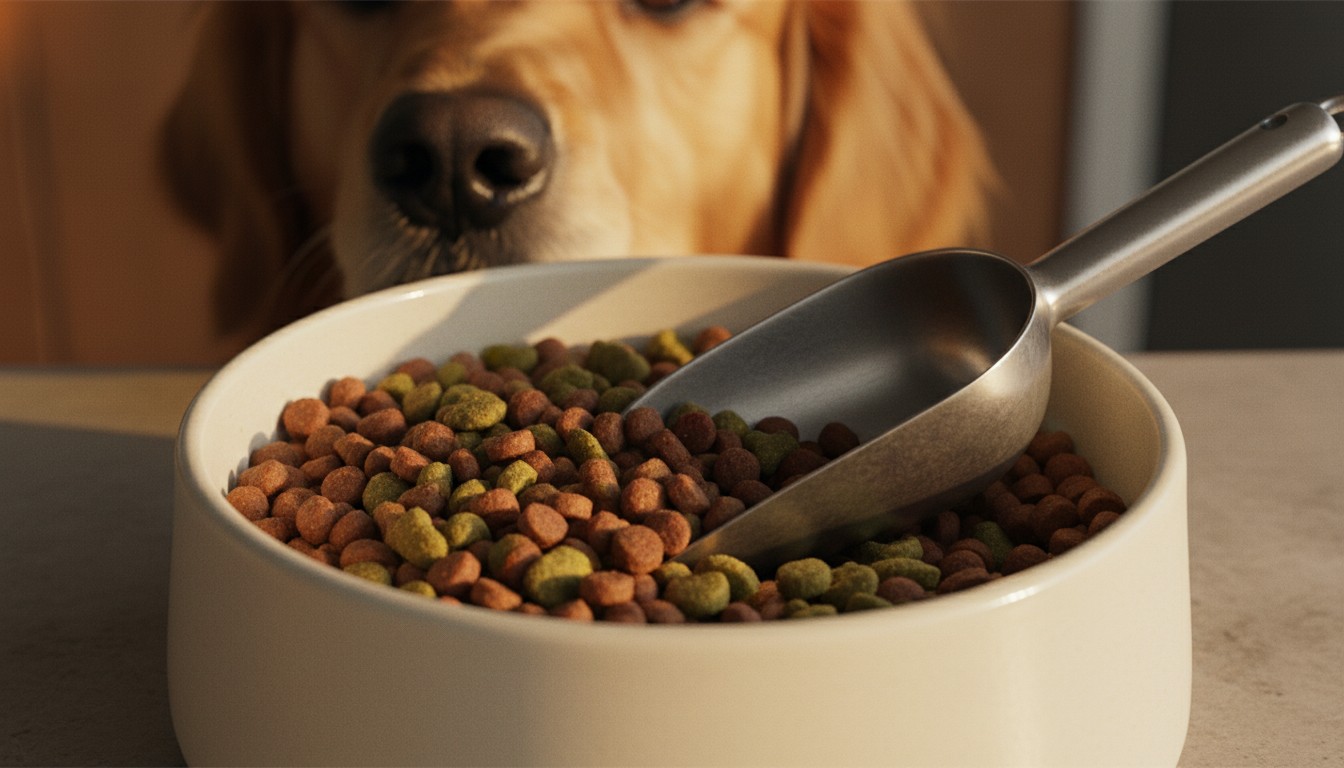
When a stalled food transition occurs, the 'Reset Protocol' is your most effective tool. Instead of quitting the new food entirely and wasting a ₹5,000 bag of kibble, you simply retreat to the last successful ratio. If your dog was fine at 25% new food but developed issues at 50%, return immediately to the 25% mix for at least five days. This is not a failure; it is a recalibration. This longer 'holding period' allows the intestinal villi to adapt without being overwhelmed.
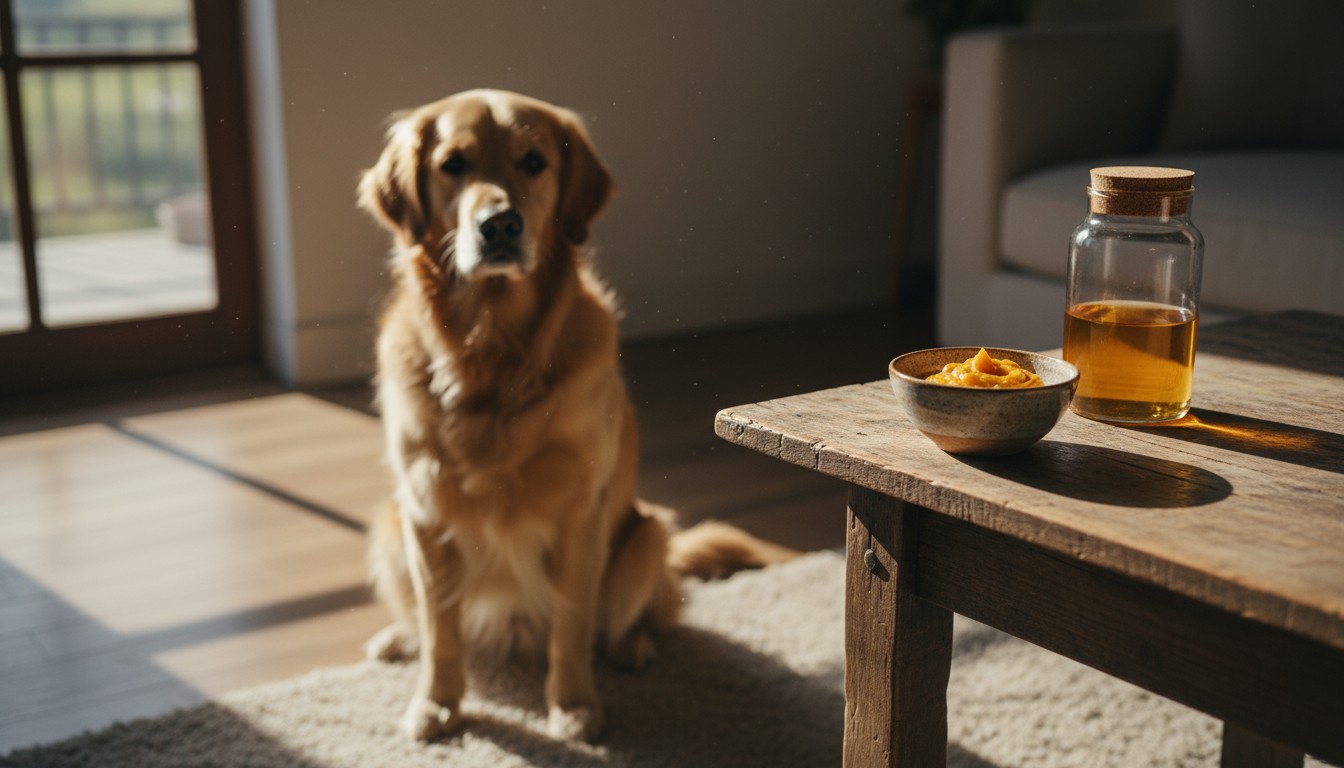
During this reset, many Indian veterinarians recommend incorporating a bland 'bridge' meal. A mixture of well-cooked white rice and fresh curd (dahi) can be added to the kibble. The curd acts as a natural probiotic, while the starch in the rice helps firm up the stool. Ensure the rice is pressure-cooked until very soft, a common practice in Indian households that works wonders for canine digestion. This protocol should be maintained until the stools are consistently firm for 72 hours before attempting to increase the new food percentage again.
Identifying Ingredient Incompatibility vs. Adjustment Needs
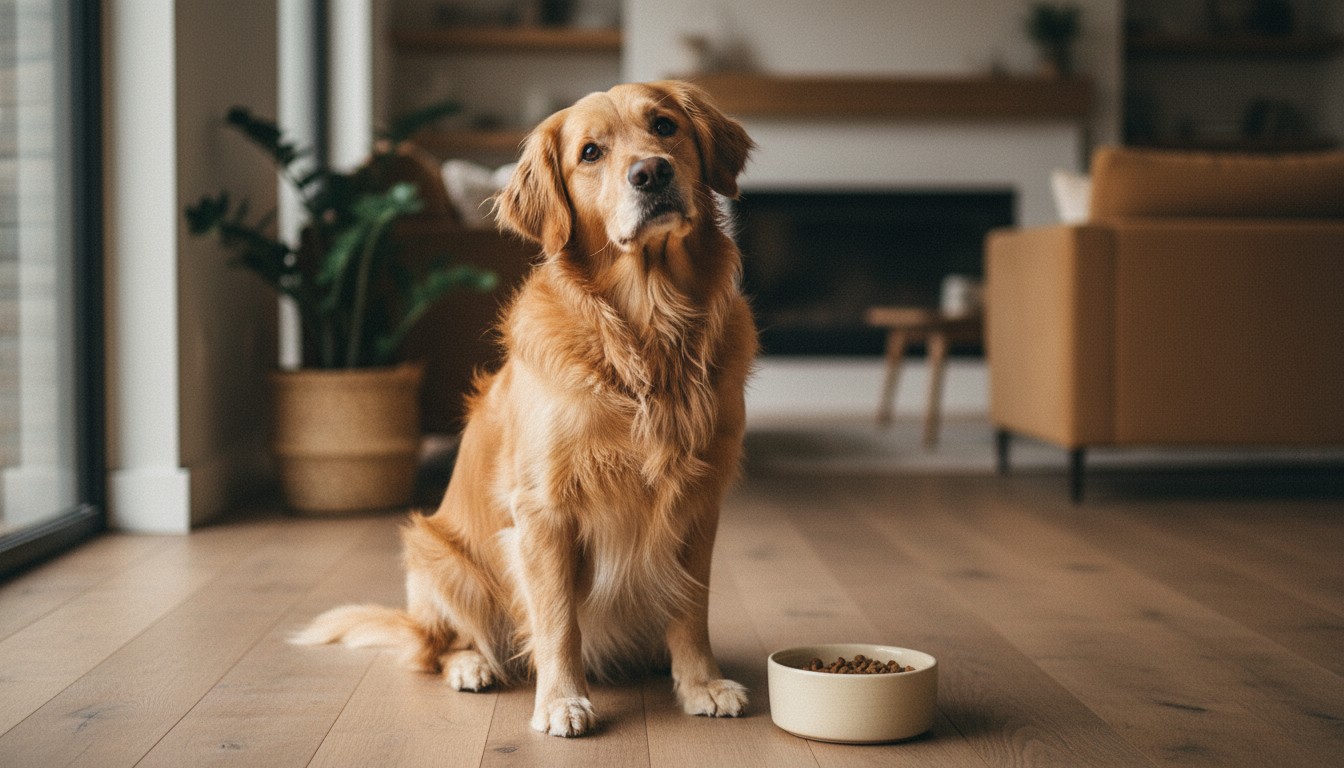
One of the hardest tasks for a pet owner is deciding if a food is 'bad' for their dog or just 'new.' Ingredient incompatibility usually manifests as systemic signs: extreme itchiness, red paws, or vomiting shortly after eating. If your dog is lethargic or shows signs of abdominal pain (the 'prayer stretch' position), the food may contain an allergen or a fat level that is too high for their pancreas to handle. For instance, moving from a chicken-based diet to a high-fat lamb diet can trigger issues in sedentary city dogs.
Conversely, an adjustment period is purely gastrointestinal and usually involves only the stool quality. If your dog is still energetic and eager to eat, they likely just need a 'Micro-Transition.' This involves increasing the new food by only 10% every three days rather than the standard 25% jumps. In India, many commercial foods use different preservatives or grain fillers (like sorghum or bajra versus maize); if the new food uses a significantly different carbohydrate source, the body needs extra time to produce the specific amylase required for breakdown.
Gut Support: Using Probiotics and Hydration in the Indian Climate
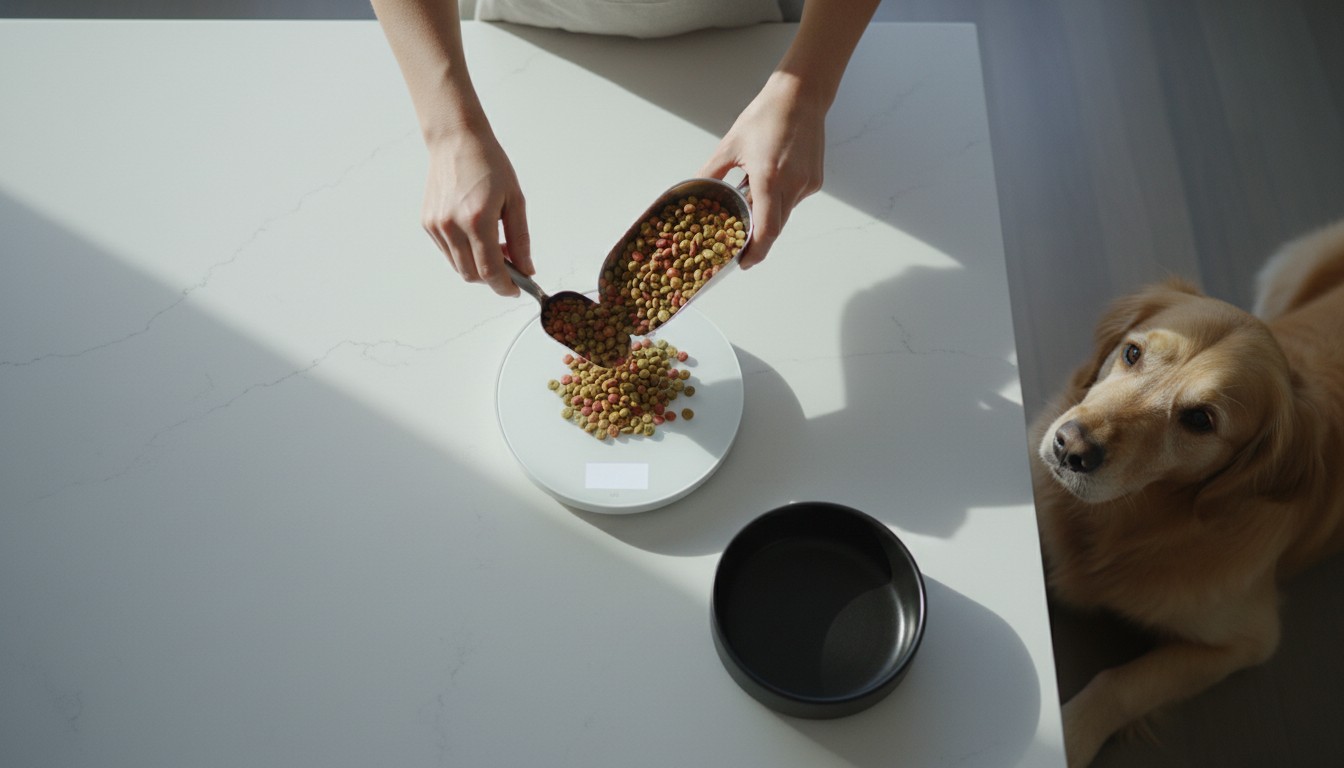
The success of a food transition often hinges on the 'gut-brain-axis' and the health of the microbiome. In the Indian context, where water quality can vary, ensuring your dog has access to filtered or boiled-and-cooled water is essential during a food switch. Dehydration can exacerbate digestive stalls. Adding a veterinary-grade probiotic like FortiFlora or an Indian alternative like Gutwell can provide the beneficial bacteria needed to colonize the gut and outcompete the gas-producing bacteria that cause transition distress.
Furthermore, consider the timing of your transition. Avoid switching foods during the height of the monsoon, when humidity can lead to rapid spoilage of kibble once the bag is opened, or during the extreme heat of May, when a dog's appetite naturally dips. If the transition stalls during these times, environmental stress is likely a contributing factor. Using airtight containers is critical in India to prevent the fats in the new food from oxidizing, which can cause 'steatorrhea' (fatty stools) that owners often mistake for a failed transition.
FAQ
My dog has diarrhoea at the 50% mark; should I stop the new food?
Do not stop immediately. Instead, revert to the 25% ratio that worked previously. Hold that ratio for 5-7 days and add a tablespoon of fresh curd (dahi) to help stabilize the gut before trying to increase the new food again.
How can I tell if my dog is allergic to the new food?
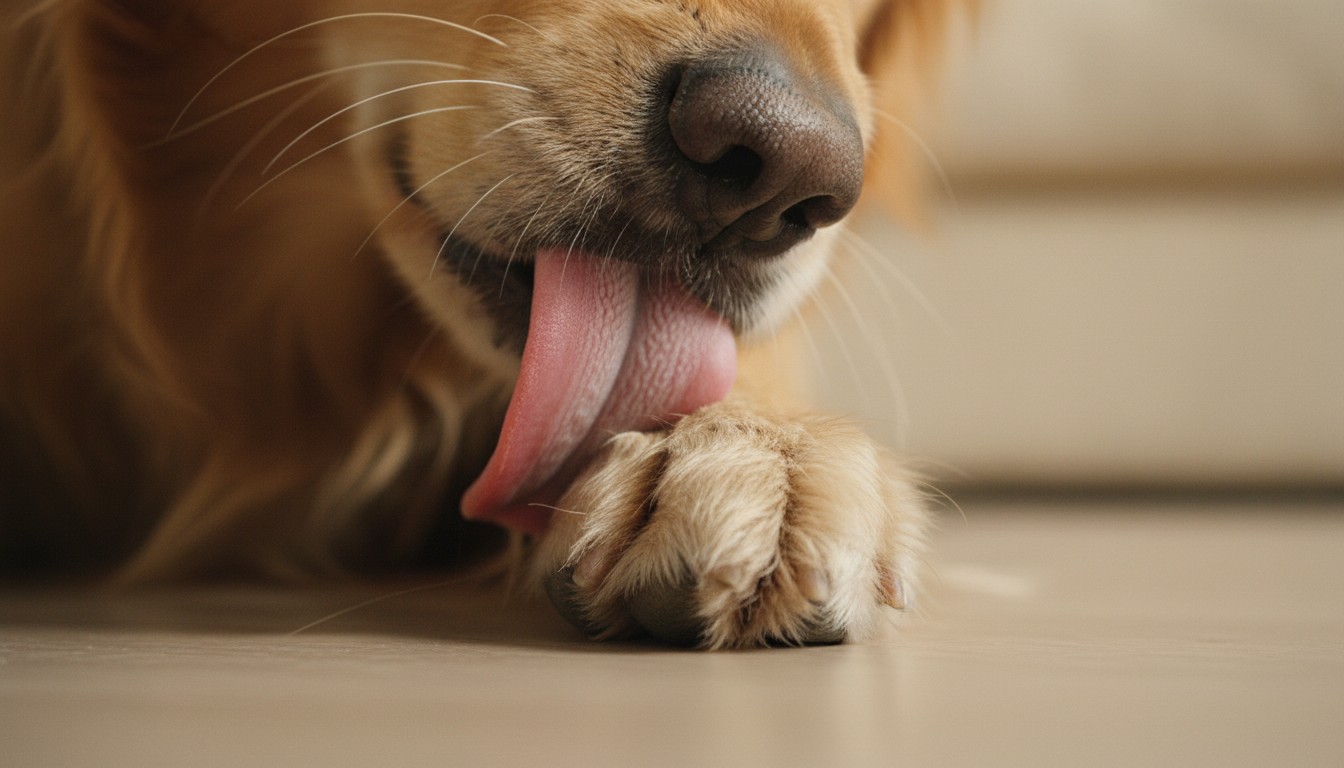
Allergies usually involve more than just soft stools. Look for red, itchy skin, frequent ear infections, or chronic paw licking. If these occur alongside digestive issues, the ingredients may be incompatible with your dog's system.
Is it okay to use human medicines like Digene or Enterogermina for a stalled transition?
While some vets suggest Enterogermina (a probiotic), you should never give human antacids or medications without professional guidance. For a stalled transition, a natural approach of rice and curd is safer until you consult your vet.
How long can a 'slow' transition actually take?
For dogs with very sensitive stomachs, a transition can safely take 3-4 weeks. Moving in 10% increments every few days is a perfectly acceptable way to ensure their system adapts without distress.
Conclusion
Mastering a dog food transition requires moving beyond the rigid 7-day rule and adopting a flexible, observation-based approach. By identifying the '50% Wall,' utilizing the Reset Protocol, and supporting the gut with local staples like curd and rice, you can successfully navigate even the most stubborn digestive stalls. Remember that the goal is long-term nutritional health, not a race to finish a bag of kibble. If your dog shows signs of severe lethargy, blood in the stool, or persistent vomiting, stop the transition immediately and consult a veterinarian. Most transitions, however, can be saved with patience and a 'Micro-Transition' strategy tailored to your dog's unique needs and the Indian environment.
References & Sources
This article was researched using the following sources:


