














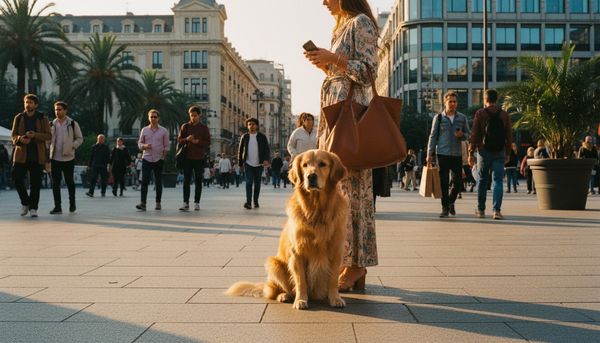
For many Indian pet parents, the word 'socialisation' conjures images of puppies romping together in a housing society park or greeting every passerby on a busy Bengaluru street. However, this common misconception—that socialisation equals interaction—is exactly what creates 'frustrated greeters' and reactive dogs. Real socialisation as neutrality is the art of teaching your dog that the world is a backdrop, not a playground. By prioritising neutrality, you ensure your dog remains calm and focused on you, regardless of whether a stray cow is wandering past or a noisy auto-rickshaw is backfiring nearby. In this guide, we will explore how to shift your training focus from forced greetings to rewarding disengagement, creating a pet that is truly reliable in the diverse and often chaotic environments found across India.
The Socialisation Myth: Why 'Meeting Everyone' Fails
In many Indian urban centres, there is a cultural pressure to have a 'friendly' dog. We often allow every neighbour, child, and fellow dog owner to approach our puppies. While well-intentioned, this constant stream of high-arousal interactions teaches your dog that every living thing in the environment is a source of intense excitement. When you eventually need to walk past a distraction without stopping—perhaps a group of 'Indies' (local street dogs) or a crowded market—your dog becomes frustrated because they have been conditioned to expect a greeting.
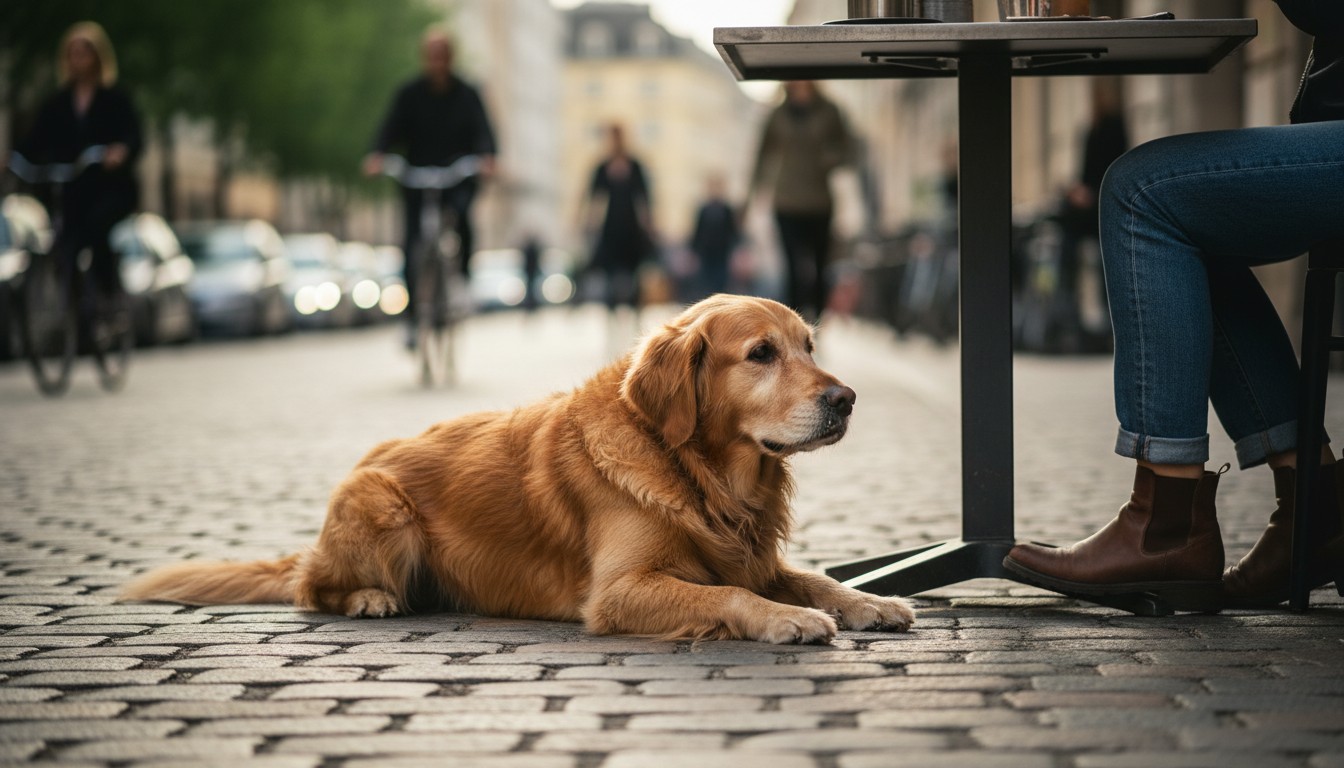
This frustration often manifests as barking, lunging, or 'pancaking' (lying down and refusing to move). By redefining socialisation as neutrality, we move away from the 'party' atmosphere and toward a state of calm observation. The goal is not to make your dog dislike others, but to make others irrelevant. A dog that can sit calmly while children play nearby is far more 'socialised' than one that must frantically lick every face it sees. This shift in perspective is crucial for navigating the high-density living common in cities like Mumbai, Delhi, or Pune.
The Neutrality Protocol: Rewarding the 'Check-In'
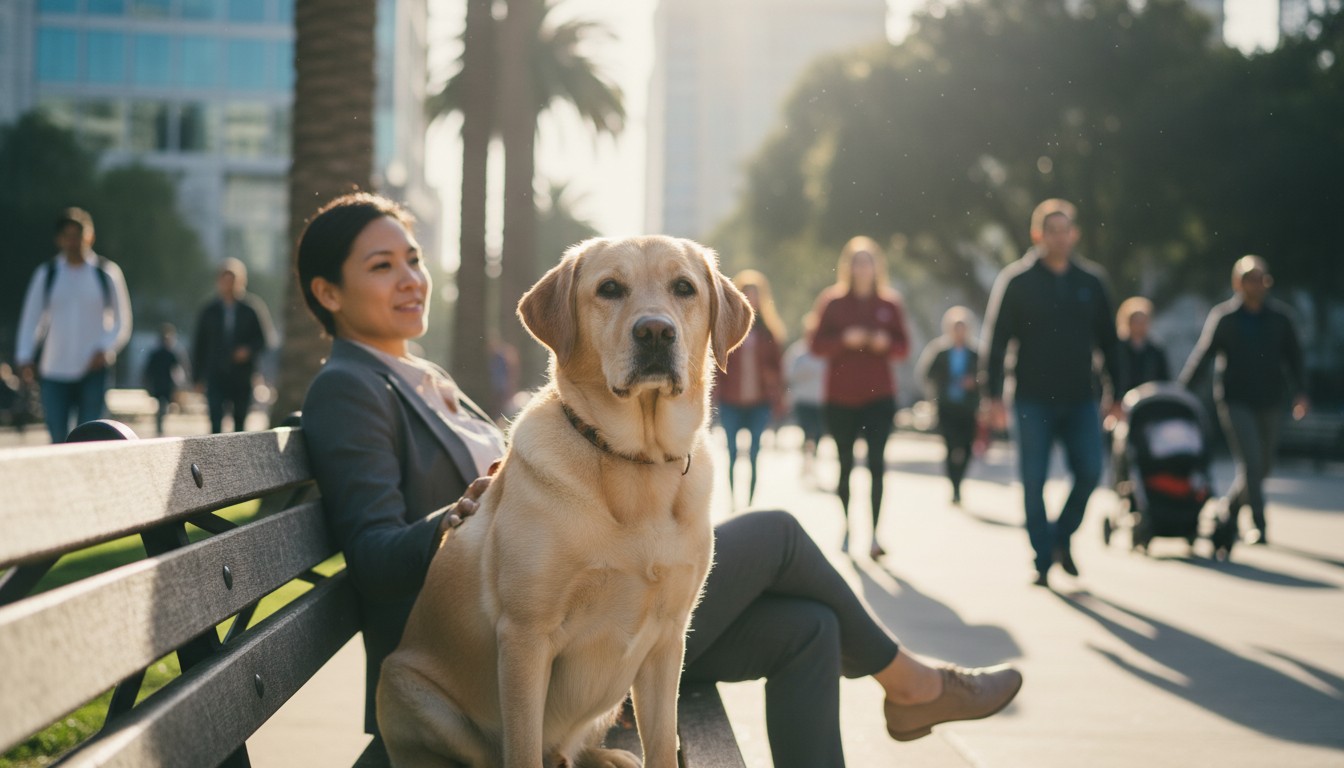
The core of socialisation as neutrality is rewarding your dog for choosing you over a distraction. This requires a transition from 'commanding' focus to 'capturing' it. Start in a relatively quiet area, such as your apartment balcony or a quiet corner of your housing society. Use high-value rewards that your dog rarely gets—think small cubes of unseasoned boiled chicken or tiny pieces of paneer.
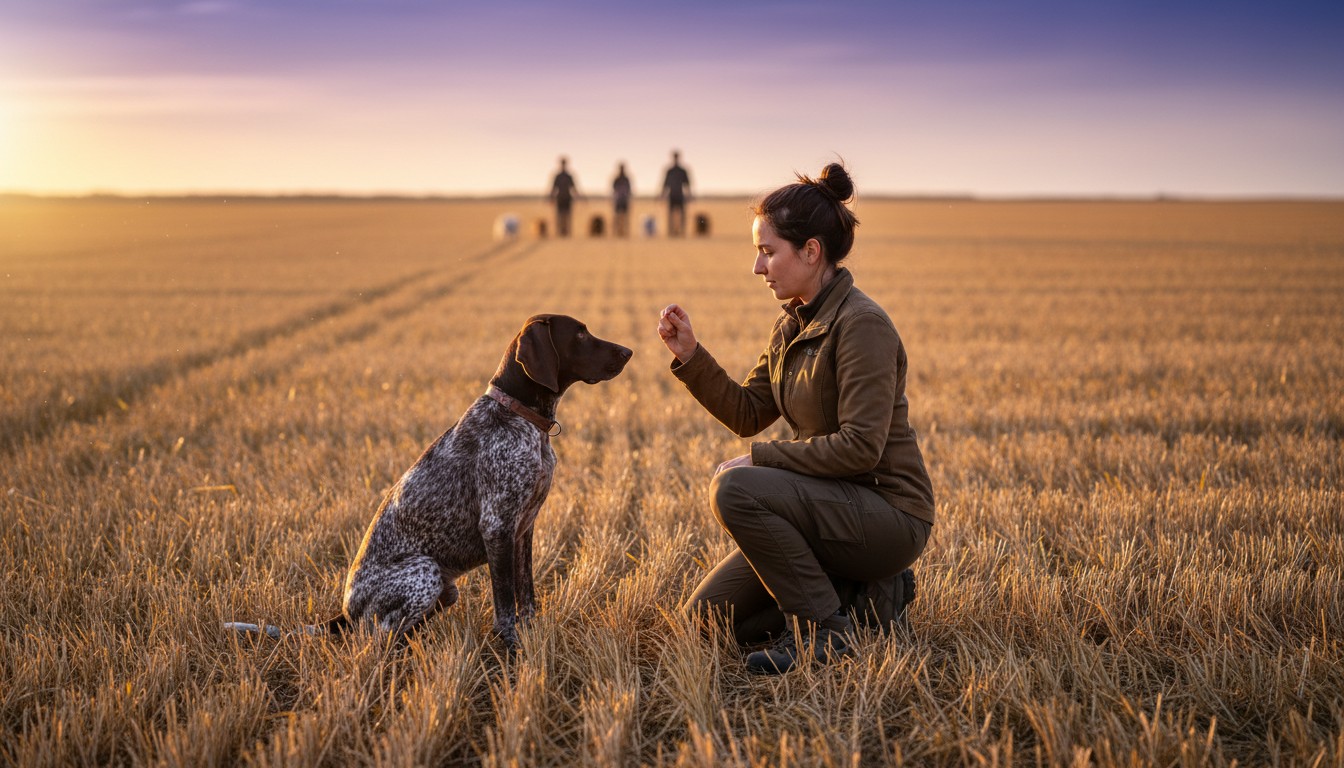
When your dog notices a distraction—perhaps a person walking by or a bird—wait for the split second they look away from the trigger and back at you. This is the 'check-in'. Mark this moment with a clear 'Yes!' or a clicker and reward them immediately. You are effectively teaching your dog that looking at a distraction is the cue to look at you for a reward. Over time, the sight of a distraction becomes a signal for focus rather than a reason to pull. Practise this at a distance of at least 5 to 10 metres initially, ensuring your dog stays below their 'threshold'—the point where they become too excited to listen.
Navigating Indian Streets: Handling Unique Distractions
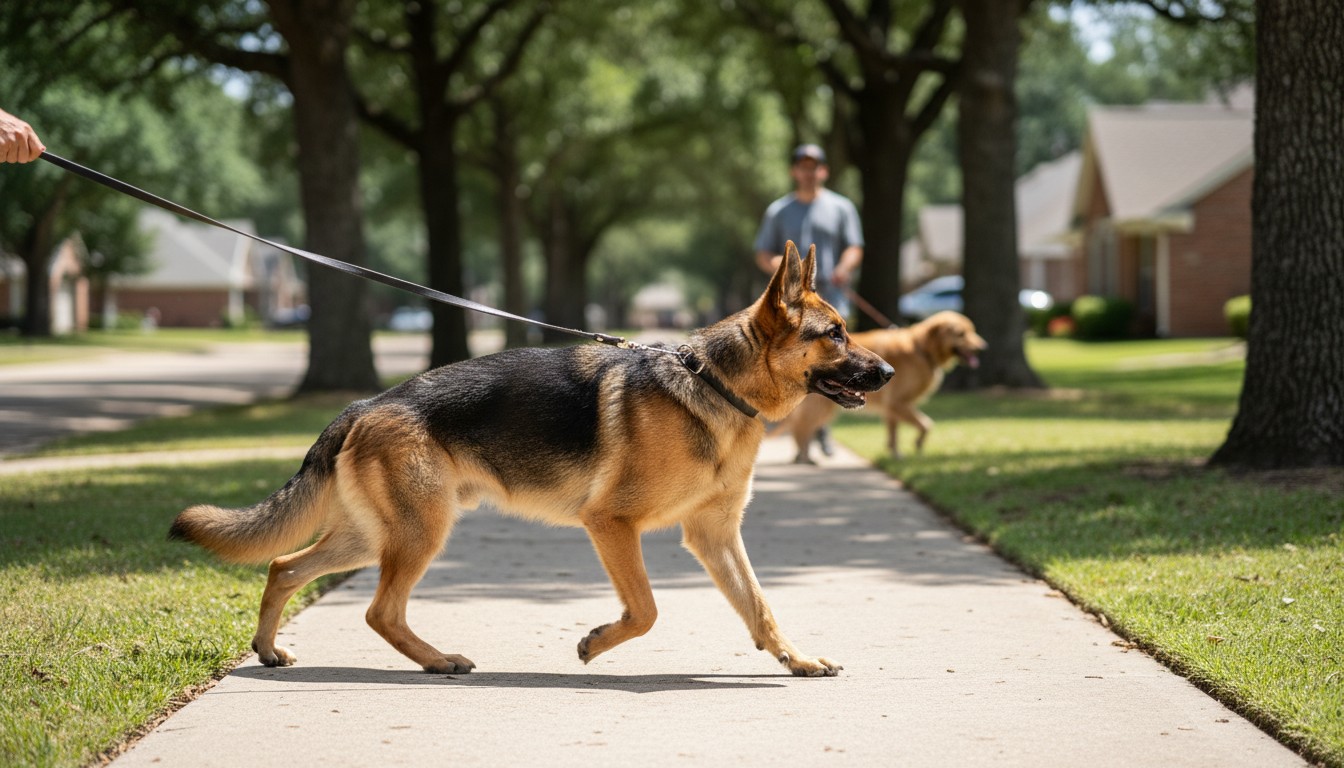
Training for neutrality in India presents unique challenges compared to Western suburbs. Our environments are multi-sensory: the smell of street food, the sound of pressure horns, and the presence of free-roaming animals. To build socialisation as neutrality in these settings, you must manage the environment carefully. If you encounter a pack of street dogs, do not attempt to 'socialise' your dog with them. Instead, use the distance to your advantage.
Move to the other side of the road or use a parked car as a visual barrier. Reward your dog for remaining calm as you move past. Similarly, when walking through a local 'Kirana' store area with heavy foot traffic, keep your sessions short—no more than 5 to 10 minutes. The sensory overload can be tiring for a puppy. By keeping sessions brief and successful, you build a positive association with the chaos. If your dog begins to tuck their tail or refuse treats, it is a sign they are overwhelmed; move to a quieter area immediately. Consistency in these diverse settings builds a dog that is 'bomb-proof' across any Indian terrain.
The 'Look at That' (LAT) Technique for Deep Focus
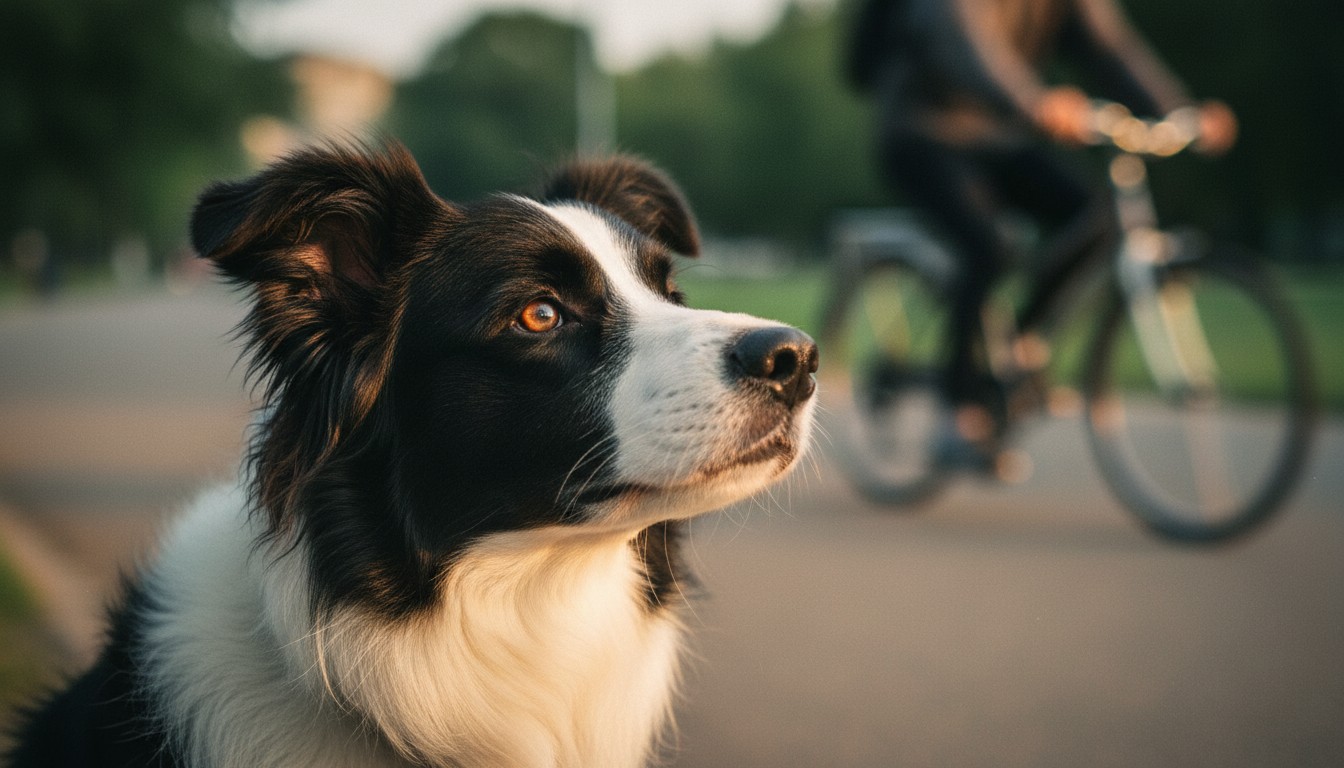
Developed by trainer Leslie McDevitt, the 'Look at That' (LAT) game is a powerhouse for building neutrality. It turns the trigger into the 'start button' for a rewarding game. When your dog sees something they would usually bark at—like a delivery rider on a scooter—you mark the moment they look at the object (before they react) and then reward them when they turn back to you.
This technique is particularly useful for 'frustrated greeters' who want to rush toward every person they see. In an Indian context, where strangers may often approach you and your dog without asking, the LAT technique gives your dog a job to do. It changes the emotional response from 'I must go meet that' to 'Oh, there's a person, I should check in with my owner for a treat'. Ensure your rewards are pea-sized to avoid overfeeding during long training walks. If the dog cannot disengage, you are too close; increase the distance until they can successfully look at the trigger and then back at you without stress.
Troubleshooting: When the Environment Wins
Even with perfect socialisation as neutrality training, things will go wrong. An off-leash dog might run up to you, or a sudden firecracker (common during Indian festive seasons like Diwali) might startle your pup. If your dog loses their cool and starts barking or lunging, the training session is over. Do not scold them, as this adds more negative energy to an already stressful situation. Instead, calmly and quickly increase the distance between your dog and the trigger.
Once your dog has calmed down, ask for a simple, known behaviour like a 'Sit' or 'Touch' to reset their brain and reward them. If you find your dog is consistently failing at a certain distance, you must regress your training. Go back to a quieter environment or a greater distance. Many owners make the mistake of progressing too fast because the dog had 'one good day'. Reliability is built over months of boring, successful repetitions, not one-off wins. Keep a log of triggers that cause a reaction so you can plan specific 'neutrality sessions' for those objects later.
Safety, Professional Help, and Long-Term Success
Socialisation as neutrality is a lifelong process, but it is most critical during the first year of a dog's life. While most owners can handle basic neutrality training, some cases require professional intervention. If your dog displays genuine aggression (snarling, snapping, or biting) rather than just excited frustration, consult a certified canine behaviourist immediately. In India, look for professionals certified by international bodies like the IAABC or those with proven experience in force-free methods.
Safety is paramount: always use a sturdy, fixed-length leash (avoid retractable leashes which offer no control in busy areas) and a well-fitted Y-shaped harness. During high-risk times like festivals with loud noises, it is better to keep your dog at home in a safe 'decompression' space rather than forcing a neutrality session. Your dog’s mental well-being should always come before a training goal. By respecting their limits and focusing on calm indifference, you will eventually have a companion who can accompany you to cafes, parks, and through the vibrant streets of India with ease.
FAQ
Does neutrality training mean my dog can't have friends?
Not at all. Your dog can still have 'best friends' they play with in controlled environments. Neutrality training simply ensures they don't feel the need to meet every stranger or dog they see on the street.
How do I stop strangers in India from petting my dog during training?
Be assertive but polite. You can say, 'He’s in training, please don't pet him right now,' or use a 'Do Not Pet' leash wrap. Most people will respect your space if you explain it's for the dog's education.
At what age should I start neutrality training?
You can start as soon as you bring your puppy home. Even inside the house, you can reward them for ignoring the vacuum cleaner or the doorbell. For outdoor sessions, start once your vet confirms they are safe to go out after vaccinations.
Conclusion
Mastering socialisation as neutrality is a gift you give to both yourself and your dog. It transforms stressful, arm-wrenching walks into peaceful strolls and ensures your pet can participate in your life without being overwhelmed by the environment. Remember that in the vibrant, high-energy context of India, a calm dog is a safe and happy dog. Consistency, high-value rewards like paneer or chicken, and a deep respect for your dog's comfort levels are your best tools. Start small, be patient, and focus on those quiet 'check-ins'. Over time, the world will stop being a series of distractions and start being a place where your dog feels completely at ease by your side. For complex cases of reactivity, never hesitate to reach out to a professional trainer to ensure a safe and positive journey.
References & Sources
This article was researched using the following sources:


