















Bringing a new pet home is a joyous occasion for Indian families, but for the animal, it is often a period of extreme sensory overload. Moving from a shelter or a breeder into a busy 2BHK or 3BHK apartment involves a barrage of new smells, sounds, and faces. To ensure a smooth transition, creating a low-stimulus decompression zone for pets is essential. This dedicated space serves as a 'sensory airlock,' allowing your new companion to process their environment without being overwhelmed. By managing cortisol levels—the body's primary stress hormone—you can prevent long-term anxiety and build a foundation of trust from day one. In this guide, we will explore how to engineer the perfect quiet space tailored for the Indian urban environment.
The Science of Decompression: Managing Cortisol Spikes
When a pet enters a new environment, their sympathetic nervous system goes into overdrive. In India's bustling urban centres like Mumbai or Bengaluru, the external environment—filled with honking cars, street vendors, and high-density living—can keep a pet in a constant state of 'high alert.' This leads to elevated cortisol levels, which can take several days to return to baseline. A low-stimulus decompression zone is not just a room; it is a clinical necessity for stress recovery.
Behavioural experts often cite the '3-3-3 Rule': three days of feeling overwhelmed, three weeks of settling in, and three months of building trust. During the first three days, the decompression zone acts as a buffer. By limiting the space the pet has to 'patrol,' you reduce their cognitive load. Instead of worrying about every door and window in the flat, they only need to feel safe in one small, controlled area. This focus on environmental management is far more effective than immediate obedience training, as a stressed brain cannot learn effectively.
Selecting and Configuring the Physical Space
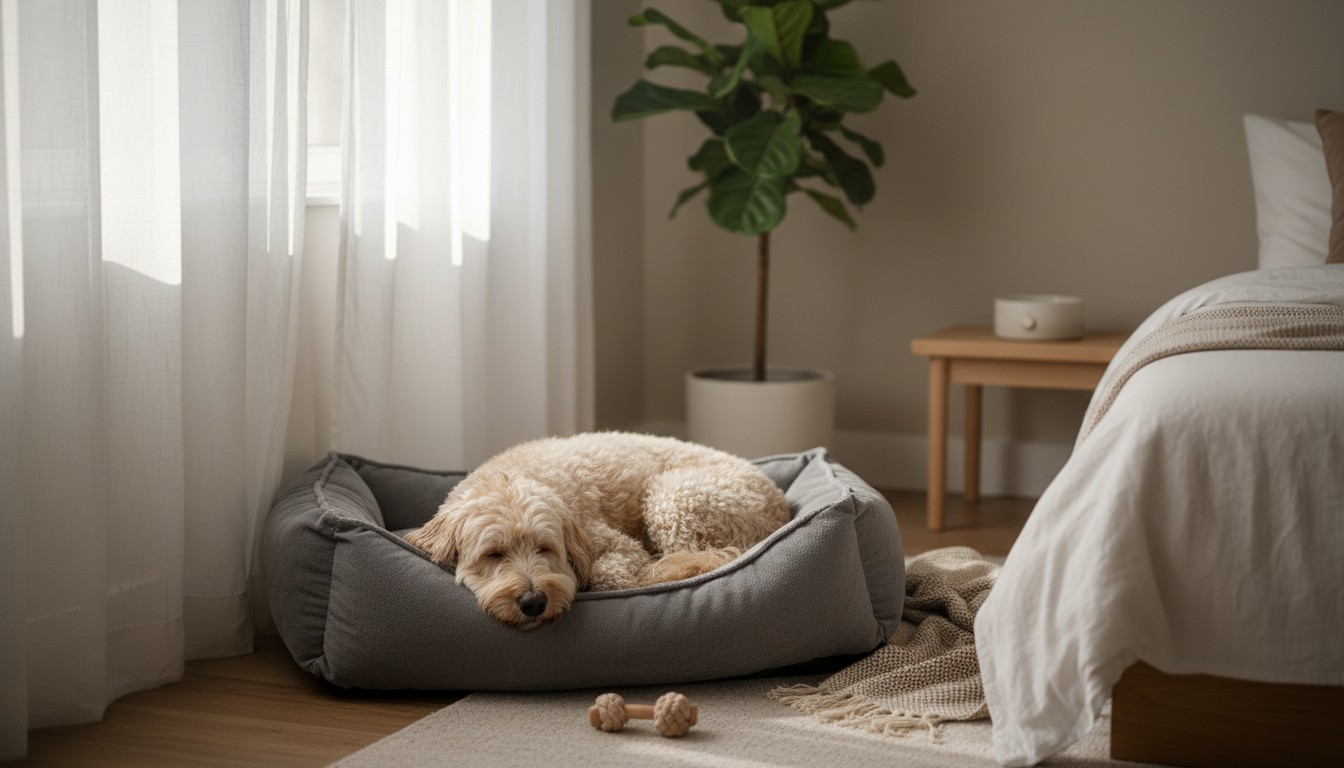
The ideal decompression zone should be a low-traffic area. In typical Indian apartment layouts, a spare guest room or a study is the best choice. If you live in a smaller studio, a quiet corner far from the kitchen (where noises like pressure cookers can be startling) is preferable. The goal is to create a 'den' atmosphere. Avoid balconies or areas near the main entrance where the sound of the doorbell or neighbours in the hallway might trigger barking or hiding.
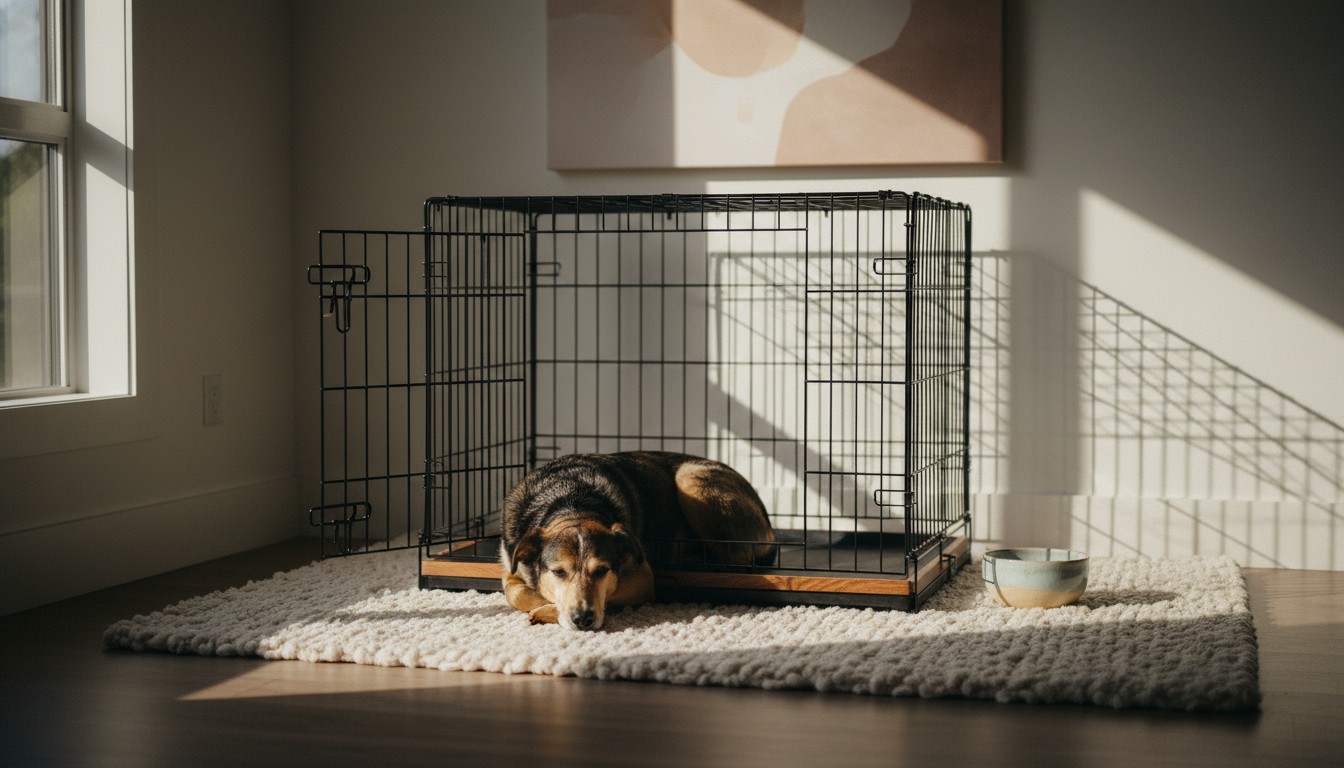
Equip the space with a comfortable bed, a water bowl, and a few 'low-octane' toys like a Lickimat or a Snuffle mat, which encourage calming activities. If you are using a crate, it should be an open-door sanctuary, covered with a heavy cotton bedsheet or a dark 'purdah' to create a dark, secure interior. Ensure the flooring is non-slip; many Indian homes have marble or vitrified tiles which can be slippery and cause anxiety for dogs. Placing a large, stable cotton 'dhurrie' or rubber matting can provide the necessary traction for a confident gait.
Acoustic Dampening and Light Control
Indian cities are rarely quiet. Between festive celebrations, construction, and traffic, the decibel levels can be a major stressor. To create a true decompression zone, you must address acoustic comfort. Use heavy, 'blackout' style curtains (easily found at local markets or retailers like FabIndia) to dampen external street noise. These curtains serve a dual purpose: they also allow you to control light levels. Dimmer environments naturally encourage rest and help reset the pet's circadian rhythm, which is often disrupted during a move.
Consider playing 'white noise' or calming classical music specifically composed for pets. Research suggests that species-specific music can significantly lower heart rates in shelter environments. In India, where ceiling fans are ubiquitous, the constant rhythmic 'whir' can actually act as a helpful form of white noise. However, ensure the fan is on a medium setting; high-speed fans can create 'wind' sensations that some nervous cats or dogs find unsettling. Aim for a consistent, low-decibel environment where sudden sharp noises are minimised.
Scent Neutrality and Olfactory Comfort
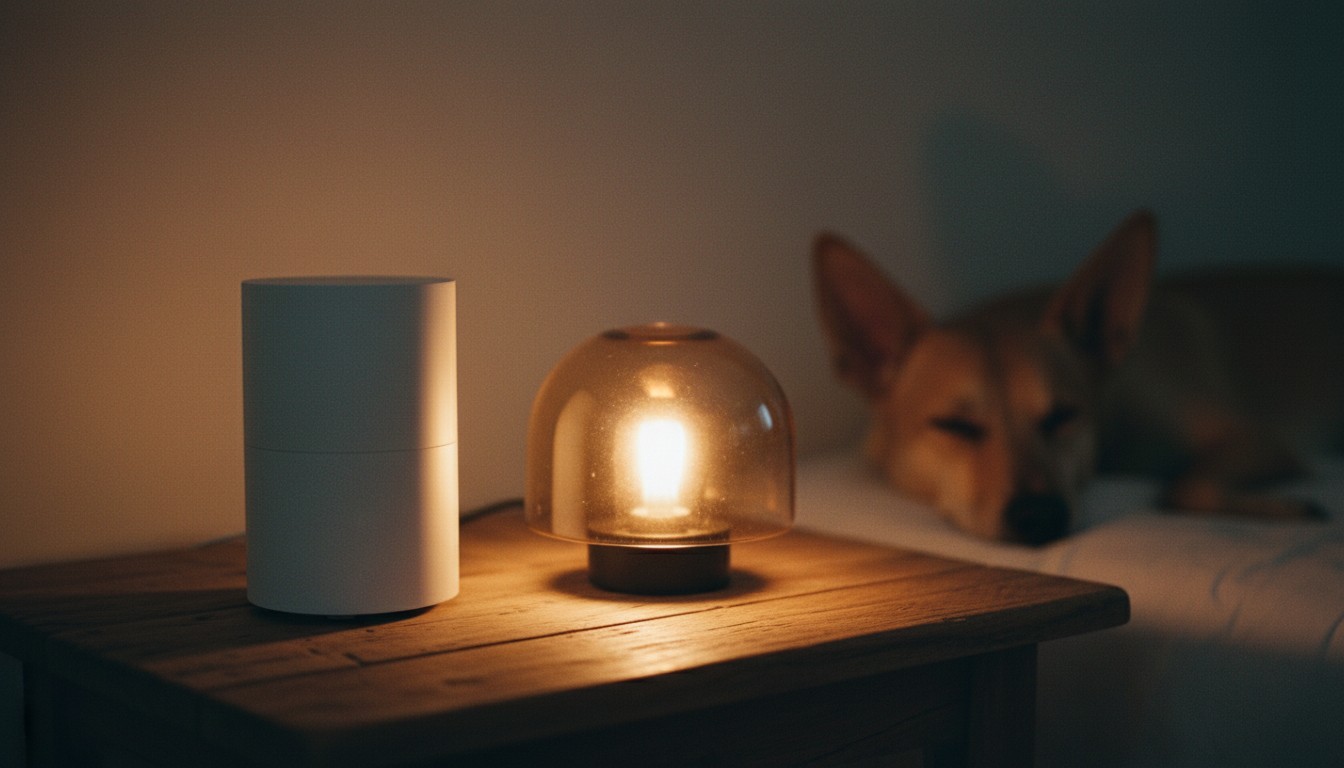
A pet's primary sense is smell. While we might find the scent of 'agarbattis' (incense) or strong floor cleaners like phenyl pleasant, these can be overwhelming for a new pet. During the decompression week, maintain scent neutrality. Avoid using strong room fresheners, scented candles, or essential oil diffusers in the pet's zone. These can mask the pet's own scent and the familiar smells of their bedding, making them feel like they are in a sterile, alien environment.
To aid the transition, try to include a 'scent bridge.' If the pet came from a foster home or shelter, ask for a piece of cloth or a toy that smells like their previous location. If that isn't possible, an old cotton T-shirt worn by you (the new owner) can help them familiarise themselves with your scent in a non-threatening way. In India, synthetic pheromone diffusers (such as Feliway for cats or Adaptil for dogs) are becoming increasingly available through platforms like Supertails or at premium vet clinics. These release a synthetic version of the 'appeasing pheromone' that mothers produce, providing a subconscious signal of safety.

Troubleshooting: Identifying Sensory Overload
Even with a perfect setup, some pets may struggle. It is vital to recognize the signs of sensory overload versus typical settling-in behaviour. If your pet is constantly pacing, panting (when not hot), excessively grooming, or refusing high-value treats (like pieces of boiled chicken or paneer), they are likely still in a state of high cortisol. In these cases, you may need to 'step back'—reduce the size of their zone further or decrease the amount of human interaction they are receiving.
If the pet is hiding, do not force them to come out. Let them remain in their 'den' until they choose to explore. Conversely, if the pet is showing 'zoomies' (frenetic random activity periods), this might be a release of pent-up stress. However, if you see signs of 'displacement behaviours'—such as a dog suddenly sniffing the floor intensely during an interaction—it means they need a break. If these symptoms persist beyond the first 72 hours without any signs of softening (like a relaxed tail or yawning), it may be time to consult a certified animal behaviourist in your city.
FAQ
How long should my pet stay in the decompression zone?
Most pets benefit from a minimum of 3 to 7 days in a restricted zone. You should only expand their access to the rest of the house once they are consistently eating, sleeping deeply, and approaching you with a relaxed body posture.
Can I stay in the room with my new pet?
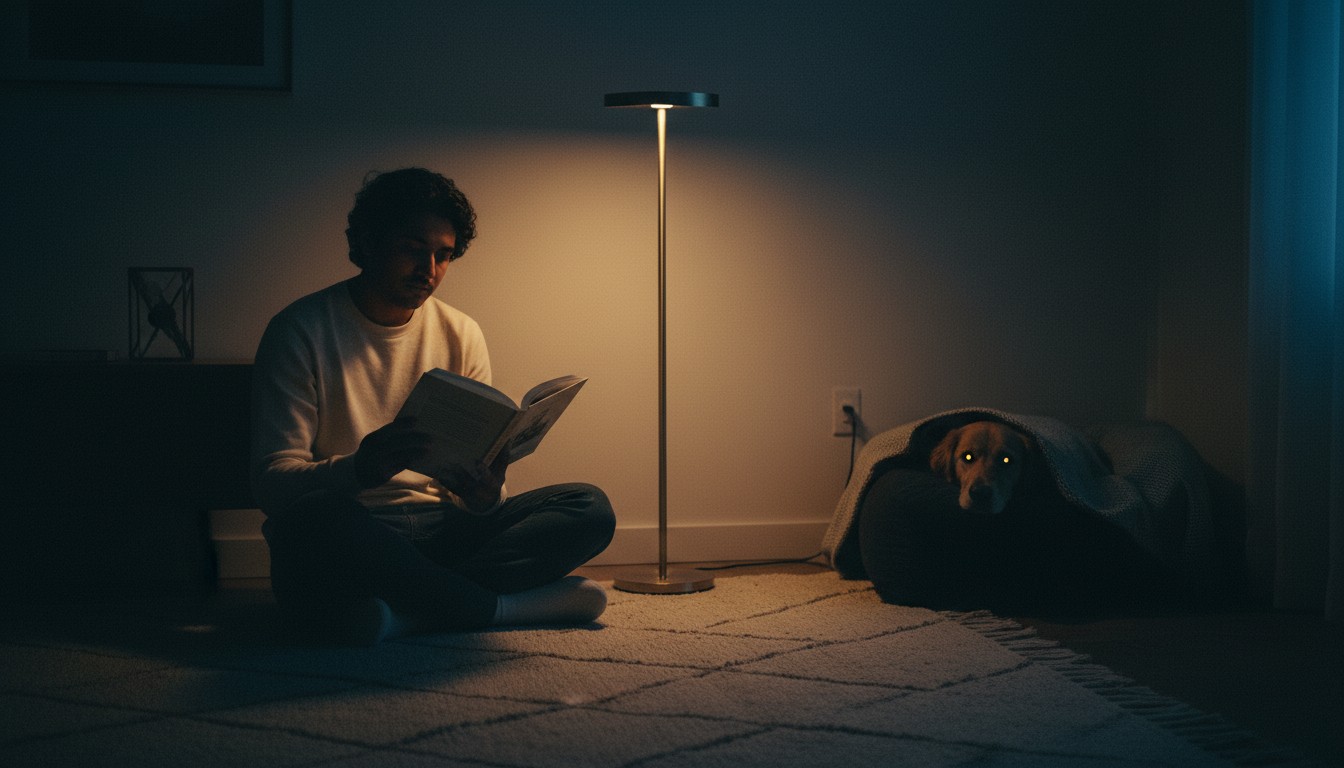
Yes, but be a 'boring' presence. Sit on the floor and read a book or use your laptop without forcing interaction. This allows the pet to get used to your presence and scent without the pressure of direct eye contact or touch.
Is a balcony a good decompression zone?
Generally, no. In India, balconies are exposed to significant noise, pigeons, and weather changes. The visual stimulation of things moving outside can keep a pet's stress levels high rather than allowing them to decompress.
What if my pet cries when left alone in the zone?
If your pet shows extreme distress, they may have separation anxiety. You can move their bed to your bedroom for the night, but maintain the low-stimulus environment there as well. Gradually build up their confidence being alone for short durations.
Conclusion
Creating a low-stimulus decompression zone is the single most impactful step you can take to ensure your new pet's long-term well-being. By controlling the acoustics, lighting, and olfactory environment, you provide them with the biological 'breathing room' they need to lower their cortisol levels. Remember that while you are excited to show off your new family member to friends and extended family, the first week should be about quiet observation and slow introductions. If your pet shows persistent signs of aggression or extreme lethargy, consult your veterinarian or a professional trainer. With patience and a well-designed environment, your pet will soon feel confident enough to leave their safe zone and start their new life as a cherished member of your household.
References & Sources
This article was researched using the following sources:

