














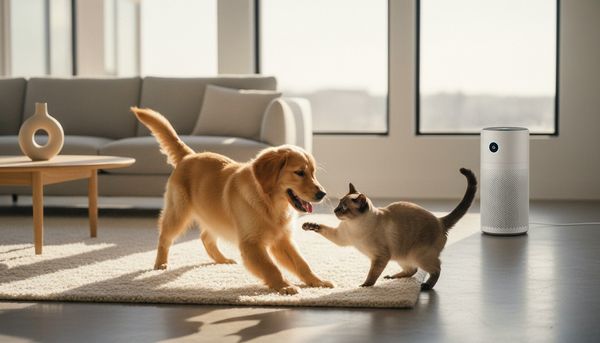
In many Indian households, the pleasant aroma of a Mysore sandalwood diffuser or a calming lavender candle is synonymous with wellness. However, for those of us sharing our homes with furry companions, the intersection of essential oil diffusers and pets is a complex safety issue. Unlike humans, pets have uniquely sensitive respiratory systems and metabolic pathways that make common home fragrances potentially lethal. While the market is flooded with 'natural' aromatherapy products, the lack of regulation means many pet parents are unknowingly exposing their animals to toxic aerosolised compounds. This guide explores the biological mechanisms of harm, focusing on how these airborne particles are processed by your pet's body and why the continuous operation of diffusers in enclosed Indian apartments poses a cumulative risk to their health and long-term liver function.
The Mechanism of Harm: Aerosolised Droplets and Inhalation
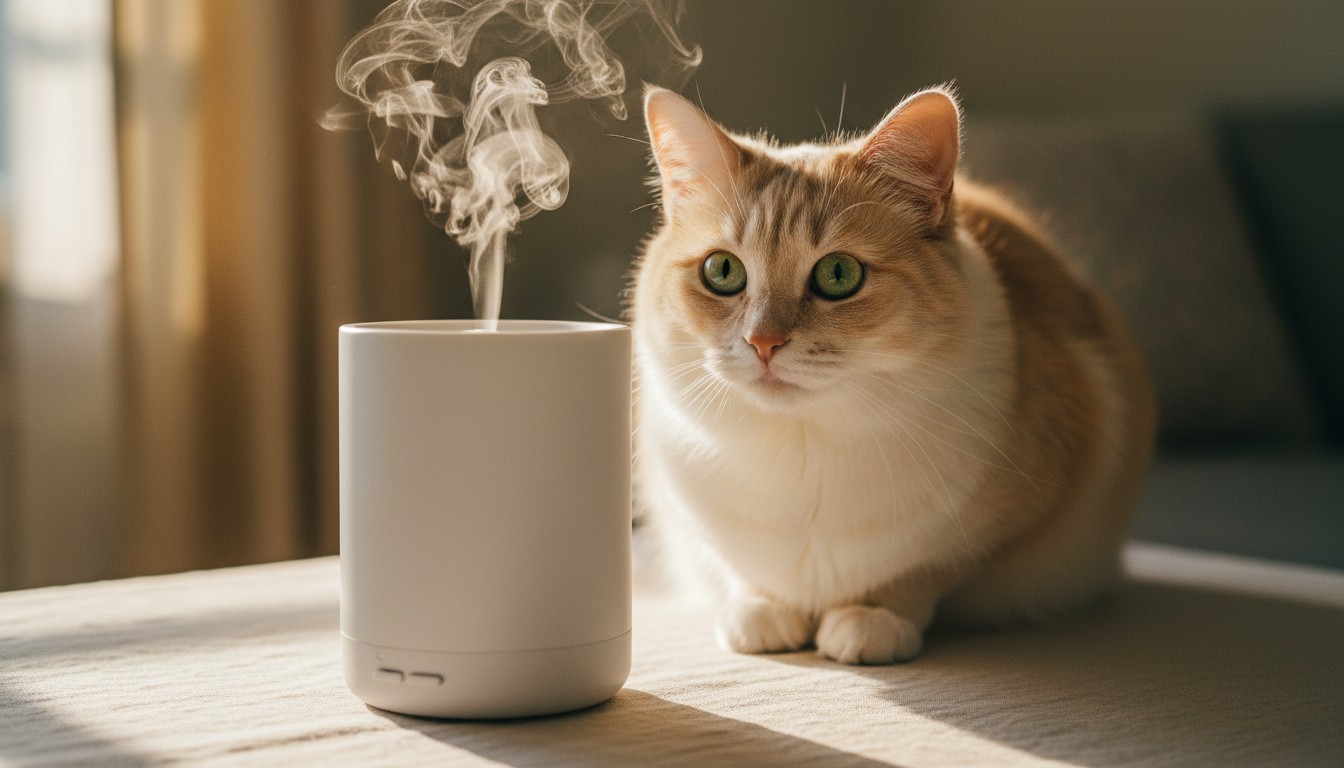
To understand why essential oil diffusers and pets are a risky combination, we must look at how these devices work. Ultrasonic diffusers, the most common type found in Indian homes, use water and ultrasonic waves to create a fine mist. This mist is not just a gas; it consists of tiny, aerosolised droplets of oil. These droplets linger in the air and are easily inhaled by pets. Once inhaled, the volatile organic compounds (VOCs) enter the bloodstream directly through the lungs, bypassing the digestive system's initial filtration. This rapid absorption can lead to immediate respiratory irritation or systemic toxicity.
Beyond inhalation, there is the often-overlooked risk of surface contamination. These micro-droplets eventually settle on surfaces, including your pet's fur. Because cats and dogs are fastidious groomers, they inevitably lick these oils off their coats. This leads to a double-edged sword of exposure: primary inhalation and secondary ingestion. In a compact apartment in a city like Mumbai or Bangalore, where airflow might be restricted during the monsoon or summer months, the concentration of these droplets can reach dangerous levels very quickly. This cumulative exposure is what makes continuous diffusion particularly hazardous compared to a quick spray of a room freshener.
Furthermore, the 'natural' label on many essential oils sold in India can be misleading. Pure oils contain high concentrations of phenols and monoterpenes, which are the primary culprits in aromatherapy-related pet illnesses. Even if an oil is organic, its chemical structure remains unchanged and potentially toxic. Pet owners must recognise that 'natural' does not equate to 'pet-safe,' especially when the delivery method involves constant aerosolisation in a shared living space.
The Liver Connection: Why Cats and Dogs Struggle with Phenols
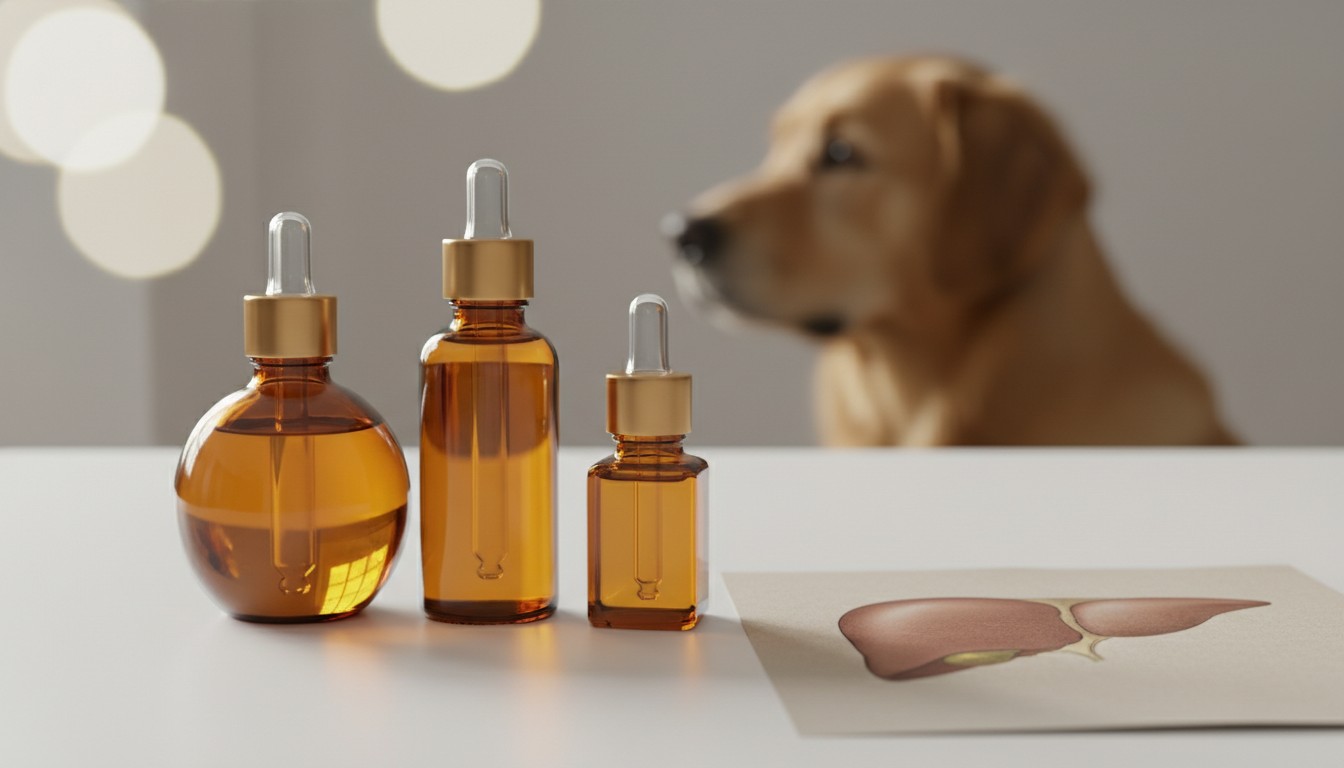
The biological risk of essential oil diffusers and pets lies largely in the liver. Cats, in particular, are uniquely vulnerable because they lack a specific liver enzyme called glucuronyl transferase. This enzyme is responsible for 'glucuronidation,' the process by which the liver breaks down and eliminates certain chemicals, specifically phenols and monoterpenoid hydrocarbons. These compounds are found in abundance in popular oils like Tea Tree (Melaleuca), Peppermint, and Oregano. Without the ability to process these substances, the toxins accumulate in the cat's system, leading to acute or chronic liver failure over time.
Dogs are slightly better at metabolising these compounds, but they are by no means immune. Large doses or long-term exposure can still overwhelm a dog's liver, leading to hepatotoxicity. Symptoms of liver distress are often subtle at first—perhaps your pet is a bit more lethargic than usual or has a slightly reduced appetite. In many Indian households, these signs are dismissed as 'the heat' or seasonal changes, but they may be the first indicators of chemical overload. By the time jaundice or vomiting occurs, the liver damage may already be advanced.
It is also important to consider the size of the animal. A 5kg Persian cat or a 10kg Indie dog will reach toxic thresholds much faster than a 70kg human. When we run a diffuser for six hours in a bedroom, we are effectively 'overdosing' our pets relative to their body mass and metabolic capacity. Understanding this physiological difference is crucial for any pet parent who enjoys aromatherapy. The goal should always be to minimise the burden on their internal organs, especially when they cannot communicate their discomfort.
The Agarbatti and Candle Problem: Particulates in the Air
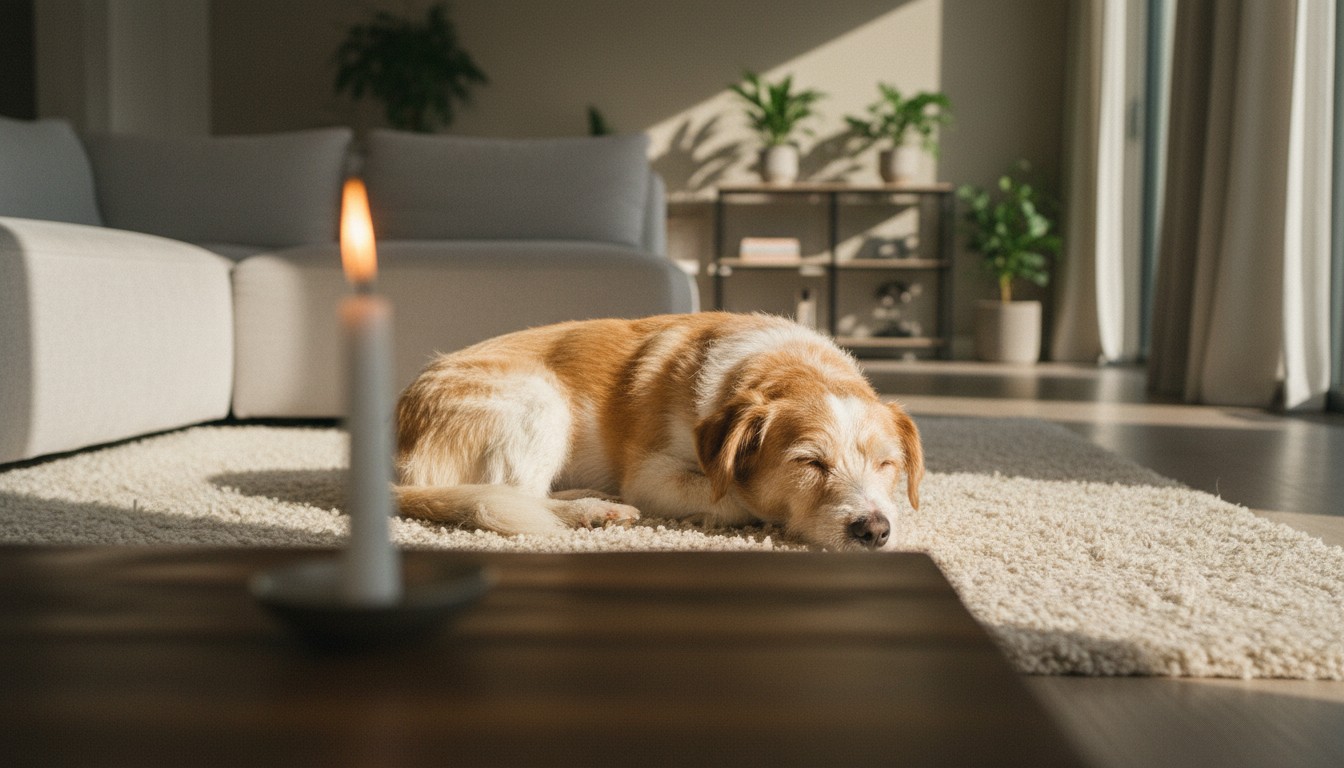
In India, the use of agarbattis (incense sticks) and scented candles is deeply rooted in cultural and religious practices. However, these products introduce a different kind of airborne hazard: particulate matter (PM). When an agarbatti or a paraffin-based candle burns, it releases fine particles (PM2.5) and carbon monoxide into the indoor environment. For pets with pre-existing respiratory issues like feline asthma or canine bronchitis, this smoke can trigger immediate and severe respiratory distress. The soot from paraffin candles also contains toluene and benzene, known carcinogens that are particularly harmful in enclosed spaces.
Many popular agarbattis sold in local markets use synthetic fragrances and binders that produce more irritating smoke than traditional sandalwood or dhoop. In a small puja room, the PM2.5 levels can skyrocket to several times the safe limit within minutes. Because pets spend a significant portion of their time near the floor where these particles settle, they are exposed to higher concentrations than humans. This is especially true for 'brachycephalic' breeds (flat-faced) like Pugs, Boxers, or Persian cats, who already have compromised airways and struggle to clear inhaled irritants.
If you must use candles or incense, switching to soy or beeswax candles with lead-free wicks and choosing high-quality, charcoal-free incense can reduce the risk. However, the best practice is to ensure the pet is not in the room during the ritual and that the space is thoroughly ventilated immediately after. The 'traditional' way of filling a home with thick incense smoke is a significant contributor to indoor air pollution that most Indian pet owners overlook, yet it is one of the easiest hazards to mitigate with better habits.
Recognising Symptoms of Toxicity in Indian Homes
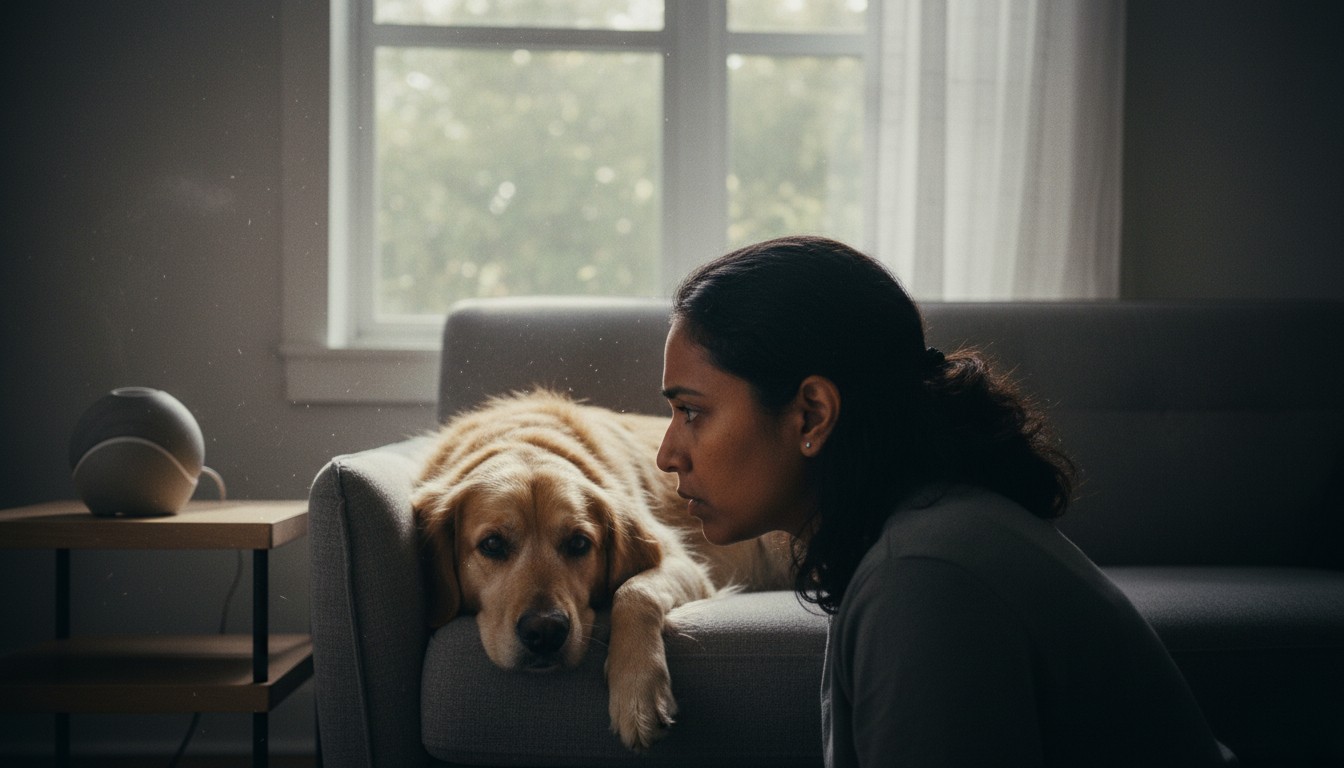
Recognising the signs that essential oil diffusers and pets are clashing is vital for early intervention. Because our pets cannot tell us they have a headache or feel nauseous, we must be vigilant observers. Early respiratory signs include watery eyes, squinting, sneezing, or a runny nose. If you notice your dog or cat rubbing their face against the sofa or pawing at their nose after you turn on a diffuser, they are likely experiencing immediate irritation from the aerosolised droplets. More severe signs include coughing, wheezing, or 'laboured breathing' where the chest moves significantly.
Systemic toxicity, resulting from liver strain or ingestion, presents differently. Watch for ataxia (unsteadiness on feet or a 'drunken' walk), excessive drooling, and vomiting. In severe cases, tremors or seizures can occur. In India, where many pets are active outdoors, these symptoms are sometimes mistaken for heatstroke or common viral infections. However, if the symptoms coincide with the use of a new oil or an increase in candle usage, the environmental link should be investigated immediately. A quick way to test is to remove the pet to fresh air; if their condition improves rapidly, the airborne hazard is the likely culprit.
If you suspect toxicity, the first step is to turn off all diffusers and open all windows. If the pet has oil on its fur, do not let them lick it; instead, wash the area with a mild, pet-safe dish soap (like a diluted natural wash) to remove the residue. Avoid using human shampoos which can further irritate their skin. If the pet is lethargic or breathing heavily, a visit to a local veterinarian is mandatory. Bring the oil bottle or candle with you so the vet can identify the specific compounds involved, such as Eucalyptus or Tea Tree, which may require specific supportive care like IV fluids or hepatoprotectants.
Safer Alternatives and Air Quality Management
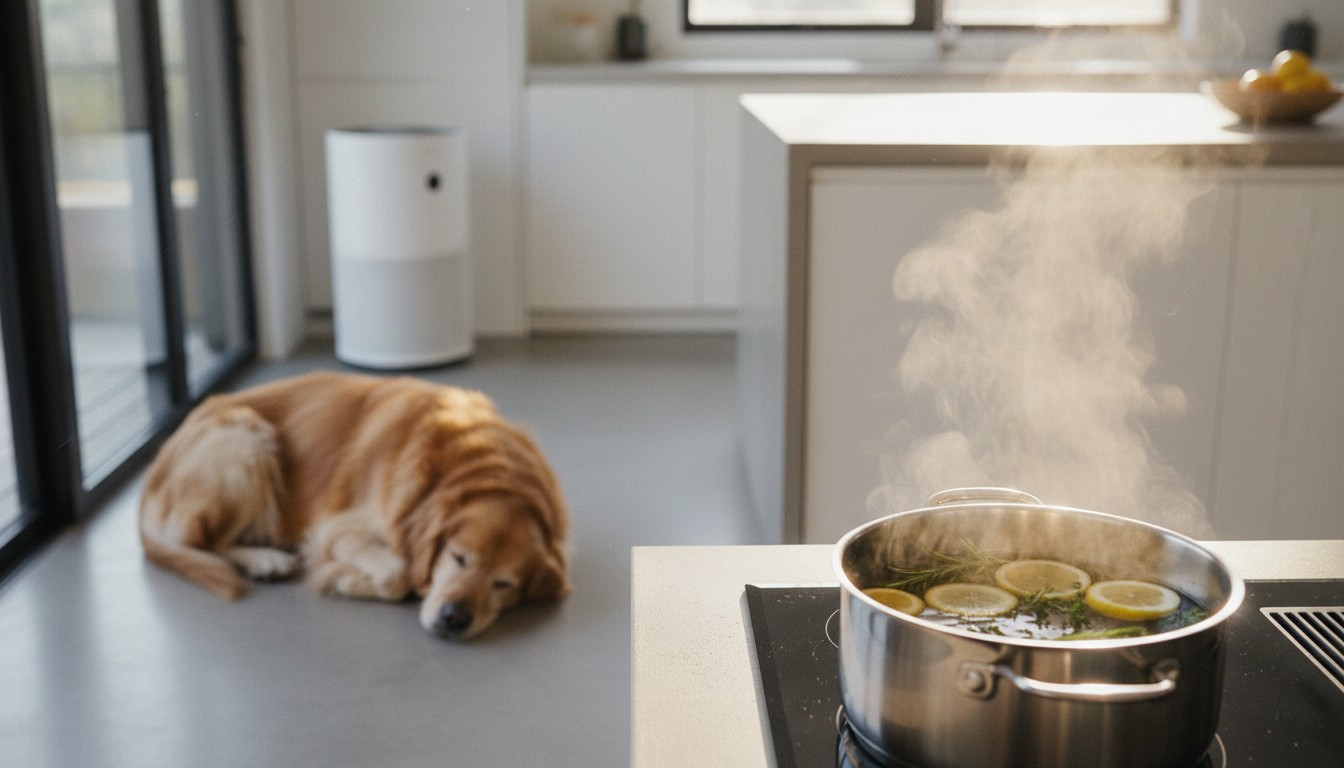
You don't have to live in a scent-free home to keep your pets safe, but you do need to be strategic. The safest way to maintain a fresh-smelling home in India, especially during the humid monsoon season, is through superior ventilation and air purification rather than masking odours with fragrances. Investing in a HEPA-filter air purifier is highly effective at removing both pet dander and the PM2.5 particles from incense or cooking. Many modern units from brands like Dyson or Philips are specifically designed to handle VOCs, providing a cleaner environment for both you and your animals.
If you still want to use essential oils, opt for 'passive' diffusion rather than active ultrasonic misting. A passive diffuser, such as a reed diffuser or a lava stone, allows the oil to evaporate naturally without creating heavy droplets that settle on fur. Even then, only use pet-safer oils like Lavender (in moderation), Frankincense, or Valerian, and always ensure the pet can leave the room to a 'scent-free' zone if they feel overwhelmed. Never diffuse oils in a room where a pet is confined, such as a crate or a small bedroom with a closed door. The 'freedom to exit' is the most important safety rule.
For those seeking a fresh scent, consider simmering natural ingredients on the stove, such as cinnamon sticks, ginger, or orange peels in water. This 'stovetop potpourri' provides a pleasant aroma without the concentrated chemical load of essential oils. Additionally, using enzymatic cleaners (like those from Indian brands like Heads Up For Tails) helps eliminate the source of pet odours rather than just covering them up. By focusing on cleanliness and air circulation, you can achieve a healthy, inviting home without compromising your pet's long-term health.
Troubleshooting: What to Do When Things Go Wrong
Despite our best intentions, accidents happen. A pet might knock over a diffuser and get concentrated oil on their skin, or a curious puppy might chew on a scented candle. If your pet has skin contact with concentrated essential oils, do not use water alone to wash it off, as water can actually drive the oil deeper into the skin. Instead, apply a carrier oil (like coconut or olive oil which are common in Indian kitchens) to the area to dilute the essential oil, then wash with a mild soap. This 'oil-cuts-oil' method is much more effective at removing the toxic residue safely.
If your pet has ingested a scented candle or oil, do not induce vomiting unless specifically instructed by a vet. Many essential oils are corrosive and can cause 'aspiration pneumonia' if vomited back up into the lungs. Instead, offer a small amount of water or milk to rinse the mouth and contact a poison control centre or your local clinic immediately. In India, many multi-speciality vet hospitals are now open 24/7 in major cities, and it is wise to have their number saved on your fridge for such emergencies.
Lastly, be wary of DIY 'pet-safe' recipes found online. Many suggest using diluted tea tree oil for fleas or lavender for anxiety. While these oils have medicinal properties, the margin for error is extremely small. What works as a topical treatment in a clinical setting can be toxic when used incorrectly at home. If you are ever unsure about a product, the 'sniff test' is a good start: if the scent is strong to you, it is 10,000 times stronger and more irritating for your dog or cat. When in doubt, leave it out.
FAQ
Which essential oils are most toxic to cats in India?
Tea tree (Melaleuca), peppermint, citrus (lemon/orange), and cinnamon are highly toxic to cats. These oils contain phenols and monoterpenes that feline livers cannot process, potentially leading to rapid liver failure even through inhalation.
Is it safe to burn agarbattis around my pet?
Generally, it is best to avoid burning agarbattis in the same room as your pet. The smoke contains high levels of particulate matter and VOCs that can irritate their lungs and trigger asthma, especially in smaller rooms with poor ventilation.
Can I use a diffuser if my dog is in a different room?
Yes, provided the home is well-ventilated and the dog has the freedom to move away from the scent. Ensure the door to the 'scent-free' room remains open and the diffuser is not placed near the home's return-air vents.
What are the signs of essential oil poisoning in dogs?
Common signs include unsteadiness (ataxia), excessive drooling, vomiting, and a slow heart rate. You might also notice respiratory distress like coughing or wheezing if they have inhaled a high concentration of aerosolised oil.
Conclusion
The wellness benefits we derive from essential oil diffusers and scented candles must be balanced against the physiological realities of our pets. In the context of Indian homes, where compact spaces and seasonal ventilation challenges are common, the risk of cumulative toxicity is real. By understanding the science of inhalation and the limitations of your pet's liver, you can make informed choices that protect their health. Always prioritise air quality through ventilation and HEPA filtration over synthetic or concentrated scents. If you choose to use aromatherapy, do so with extreme caution, selecting only pet-safer oils and never confining your animal in a scented space. If you ever notice changes in your pet's breathing or behaviour, consult a veterinarian immediately. Your pet's safety is worth the extra effort of creating a truly healthy, toxin-free environment.
References & Sources
This article was researched using the following sources:
