















When you walk into a pet store in India, from a local boutique in Mumbai to a large retail chain like Heads Up For Tails, the first thing you are told to check on a bag of kibble is the first ingredient. Most pet parents feel a sense of relief when they see 'Chicken' or 'Lamb' at the top of the list. However, this is often a carefully crafted illusion created through a technique known as ingredient splitting. This industry practice involves breaking down a single, less desirable ingredient into several smaller components to ensure a protein source remains the most prominent item on the label. Understanding ingredient splitting is essential for anyone who wants to ensure their pet is receiving high-quality nutrition rather than a bag full of cleverly disguised fillers. By the end of this guide, you will be able to see past marketing jargon and choose the best for your furry companion.
What Exactly is Ingredient Splitting?
To understand ingredient splitting, we must first understand how pet food labelling works in India and globally. Regulatory bodies require ingredients to be listed in descending order of weight. This means the ingredient that weighs the most before processing is listed first. Manufacturers use this rule to their advantage by taking a high-volume, low-cost filler like corn or peas and dividing it into various sub-forms. For example, instead of listing 'Corn' as 30% of the formula, they list 'Corn Gluten Meal' at 10%, 'Corn Flour' at 10%, and 'Ground Whole Corn' at 10%. By doing this, each individual corn component weighs less than the meat source, allowing the meat to jump to the number one spot on the list.
This tactic is particularly prevalent in 'premium' kibbles found in Indian metropolitan markets where consumers are willing to pay ₹3,000 or more for a 10kg bag. While the label says 'Chicken' first, the combined weight of the split grains often far exceeds the actual meat content. It is a legal way to make a grain-heavy product appear meat-based, tricking the consumer into believing they are purchasing a high-protein diet for their carnivore-leaning pets.
The Mathematics of Marketing: Fresh Meat vs. Dry Meal
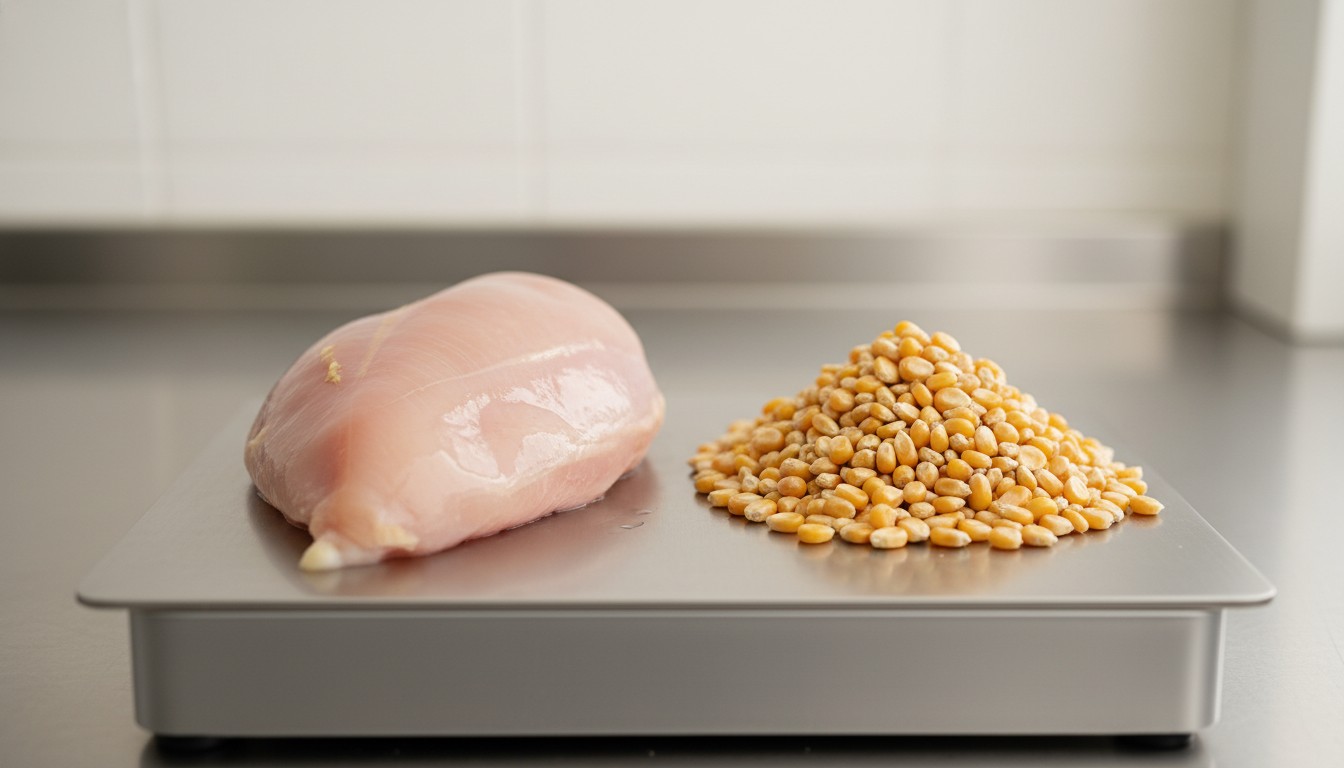
Another layer of the 'Meat First' myth involves the water weight of fresh meat. Fresh chicken or fish is roughly 70% to 80% water. When a manufacturer lists 'Fresh Chicken' as the first ingredient, they are weighing it while it is still full of moisture. During the extrusion process—the method used to make dry kibble—that water is cooked away. What remains is a much smaller fraction of the original weight. Conversely, grain splitters like pea protein or corn meal are already dry when weighed, meaning their volume remains consistent through processing.
When you combine the trick of using water-heavy fresh meat with ingredient splitting, the result is a label that looks fantastic but offers subpar nutrition. If you were to remove the water from that first-listed 'Fresh Chicken' and add together the three different types of corn listed further down, you would often find that the grain is actually the primary ingredient by a significant margin. For Indian pet owners trying to manage allergies or weight issues, this lack of transparency can lead to ongoing health struggles for their dogs that seem inexplicable until the label is truly decoded.
Common Red Flag Ingredients to Watch For
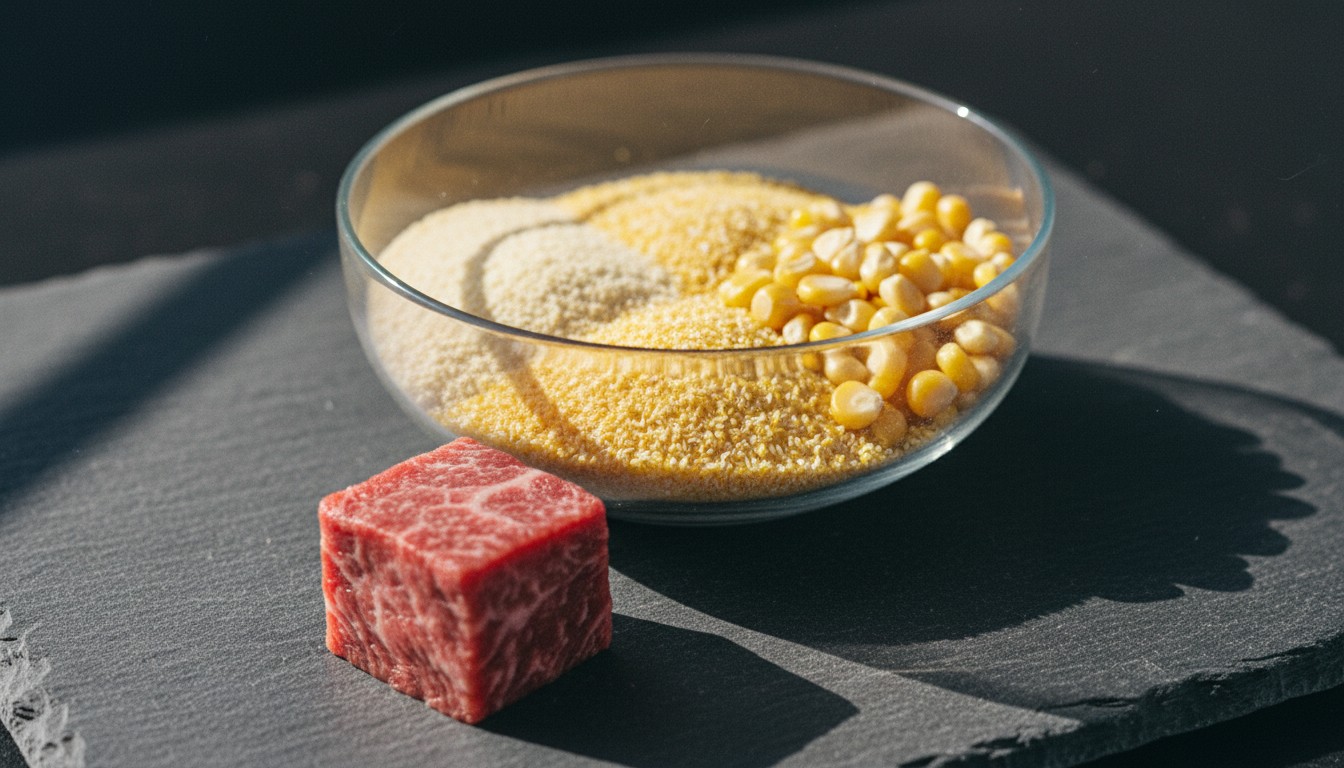
Identifying the 'splits' requires a keen eye for specific patterns. The most common culprits in the Indian market are peas, potatoes, and corn. In 'grain-free' foods, which have become a massive trend in cities like Bengaluru and Delhi, manufacturers often substitute grains with legumes. Look for a label that lists 'Peas,' 'Pea Fibre,' 'Pea Protein,' and 'Pea Flour.' If you see three or more of these in the first seven ingredients, you are looking at a pea-based food, not a meat-based one.
In more traditional diets, corn is the primary target for splitting. You might see 'Yellow Corn,' 'Corn Gluten Meal,' and 'Maize' (the common term for corn in India) all on the same bag. Other common split ingredients include variations of rice, such as 'Brewers Rice,' 'Rice Bran,' and 'Rice Flour.' While these ingredients aren't inherently toxic, they serve as cheap sources of calories and carbohydrates rather than the high-quality amino acids your pet needs for muscle maintenance and immune health. When these are split, the manufacturer is essentially hiding the high carbohydrate count of the food.

How to Mentally Recombine Ingredients While Shopping
The next time you are at a pet shop or browsing an online retailer like Amazon India, use the 'Rule of Three' to mentally recombine ingredients. If you see three variations of the same plant-based product within the top ten ingredients, mentally move that plant to the number one spot. For example, if a label reads: 'Lamb, Brewers Rice, Lamb Meal, Rice Bran, Rice Flour,' you should perceive this as a 'Rice and Lamb' formula, where rice is likely the dominant ingredient.
Another expert tip is to look for the first fat source listed, such as 'Chicken Fat' or 'Vegetable Oil.' Usually, everything listed before the first fat source makes up the bulk of the food. If that list is cluttered with multiple versions of the same grain or legume, the food is grain-heavy. Additionally, pay attention to 'Meal' versus 'Fresh' meat. While 'Lamb' sounds better than 'Lamb Meal,' the meal is actually a concentrated protein source that has already had the water removed. A high-quality food will often list a specific meat meal (like 'Salmon Meal') as a secondary ingredient to provide a stable protein base that doesn't disappear during cooking.

Why Manufacturers Use These Tactics and the Cost of Quality
The primary driver behind ingredient splitting is profit. Meat is the most expensive component of any pet food. By using split ingredients, companies can lower their production costs while still charging a premium price based on a 'Meat First' marketing claim. In India, where many premium pet foods are imported, the costs are already high due to shipping and customs duties. Consumers often assume that a higher price point (₹5,000+ for a large bag) guarantees higher quality, but that is not always the case.
When a company prioritises profit over nutrition, they use these labelling loopholes to appeal to the human desire for a 'natural' or 'high-protein' diet without actually providing it. This is why some dogs on expensive kibble may still have dull coats, low energy, or large, frequent stools—signs that they are consuming more fibre and carbohydrates than their bodies can efficiently process. Understanding this allows you to stop paying for marketing and start paying for actual nutrition. Investing in a truly meat-dense food may actually save you money in the long run by reducing veterinary bills related to poor diet and allowing you to feed smaller portions because the food is more nutrient-dense.
Troubleshooting Label Confusion and Expert Advice
Reading labels can be overwhelming, especially when brands use scientific-sounding names for simple fillers. If you are struggling to determine if a food is right for your pet, start by looking at the 'Guaranteed Analysis' section. In India, while the front of the bag might be flashy, the back must provide the percentages of protein, fat, and fibre. For a healthy adult dog, you generally want to see a protein percentage above 25% and fat above 12%, though these needs vary by breed and activity level. If the protein is high but the first three ingredients are split grains, that protein might be coming from low-quality plant sources like 'Corn Gluten Meal' rather than animal muscle.
If your pet shows signs of allergies, such as itchy paws or ear infections, the 'splits' might be the culprit you’ve been overlooking. Many owners switch from a 'Chicken and Corn' food to a 'Chicken and Pea' food, not realising that the pea content is just as high as the corn was. When things go wrong—such as persistent digestive upset or lethargy—it is time to consult a veterinary nutritionist. They can help you formulate a diet or find a brand that uses transparent labelling. Always transition to a new food slowly over 7-10 days to avoid upsetting your pet's stomach, and always ensure fresh water is available.
FAQ
What is the most common ingredient that gets split on labels?
Corn and peas are the most frequently split ingredients. You will see them listed as corn gluten meal, corn flour, and maize, or pea protein, pea flour, and pea fibre to make meat appear as the primary ingredient.
Is ingredient splitting illegal in pet food manufacturing?
No, it is not illegal. Manufacturers are following the law by listing ingredients by weight; they are simply dividing one ingredient into multiple sub-ingredients so that each part weighs less than the primary meat source.
How can I tell if a food has high meat content despite splitting?
Look for a specific meat 'meal' (like Chicken Meal or Salmon Meal) in the top three ingredients. Unlike 'Fresh Chicken,' a 'Meal' is already rendered and dried, meaning its weight on the label is its true weight in the final product.
Should I avoid all pet foods that use ingredient splitting?
Not necessarily, but you should be aware of it to ensure you are paying a fair price for the nutritional value. If a budget-friendly food uses it, it may be acceptable, but 'Ultra-Premium' foods should generally avoid these deceptive tactics.
What does 'Maize' mean on an Indian pet food label?
Maize is simply another word for corn. Manufacturers in India often use both terms on the same label to split the ingredient while making the list look more varied to the average consumer.
Conclusion
In conclusion, being a savvy pet parent in India means looking beyond the 'Meat First' claim on the front of the bag. Ingredient splitting is a clever but common tactic that can lead you to overpay for a diet that is heavy on fillers and light on high-quality animal protein. By learning to mentally recombine these split ingredients and understanding the impact of water weight in fresh meats, you can make more informed choices for your pet's health. Remember that the best food for your pet is one that provides transparent, high-quality nutrition tailored to their specific needs. If you suspect your pet’s current diet is causing health issues, or if you're confused by complex labels, always seek guidance from a qualified veterinarian or a certified pet nutritionist to ensure your companion thrives for years to come.
References & Sources
This article was researched using the following sources:


