














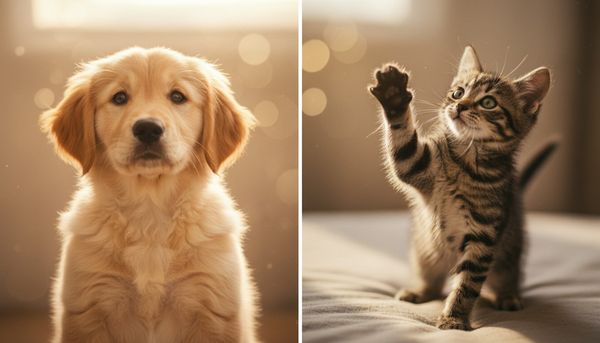
Bringing a new pet home in India, whether a playful Indie puppy or a curious kitten, is a journey filled with joy. However, many owners are blindsided when their once-brave companion suddenly cowers at a pressure cooker's whistle or barks at a stationary bicycle. These sudden shifts are known as developmental fear periods. Understanding developmental fear periods is crucial because these biological windows are when young animals are most susceptible to 'fear imprinting'—a process where a single traumatic event can result in a lifelong phobia. In the busy, high-stimulus environment of Indian cities like Mumbai or Delhi, navigating these phases requires more than just patience; it requires a specific strategy to ensure your pet grows into a confident adult rather than one who lives in a state of constant anxiety.
The Timeline: When to Expect Fear Imprinting Windows
Puppies and kittens undergo two primary fear periods. The first occurs between 8 and 11 weeks of age. In India, this often coincides with the time a pet is brought home and starts their initial vaccinations. During this window, any negative experience—be it a rough handling at the vet or a sudden loud burst of firecrackers—can have a disproportionate impact on their psyche. The animal is literally wired to learn what is 'dangerous' for survival, but in a domestic setting, this can misfire.
The second fear period, often called the 'fear of the unknown' phase, occurs between 6 and 14 months for dogs and slightly earlier for cats. This phase is particularly challenging because it coincides with adolescence and hormonal shifts. You might notice your pet suddenly reacting to things they have seen a hundred times before, such as a trash bin on the pavement or a person wearing a helmet. It is important to remember that this is a physiological stage of brain development, not a sign of 'bad' behaviour or a sudden change in personality. Recognising these windows allows you to adjust your training intensity and protect your pet from overwhelming situations that could lead to permanent trauma.

Identifying Fear vs. Natural Caution
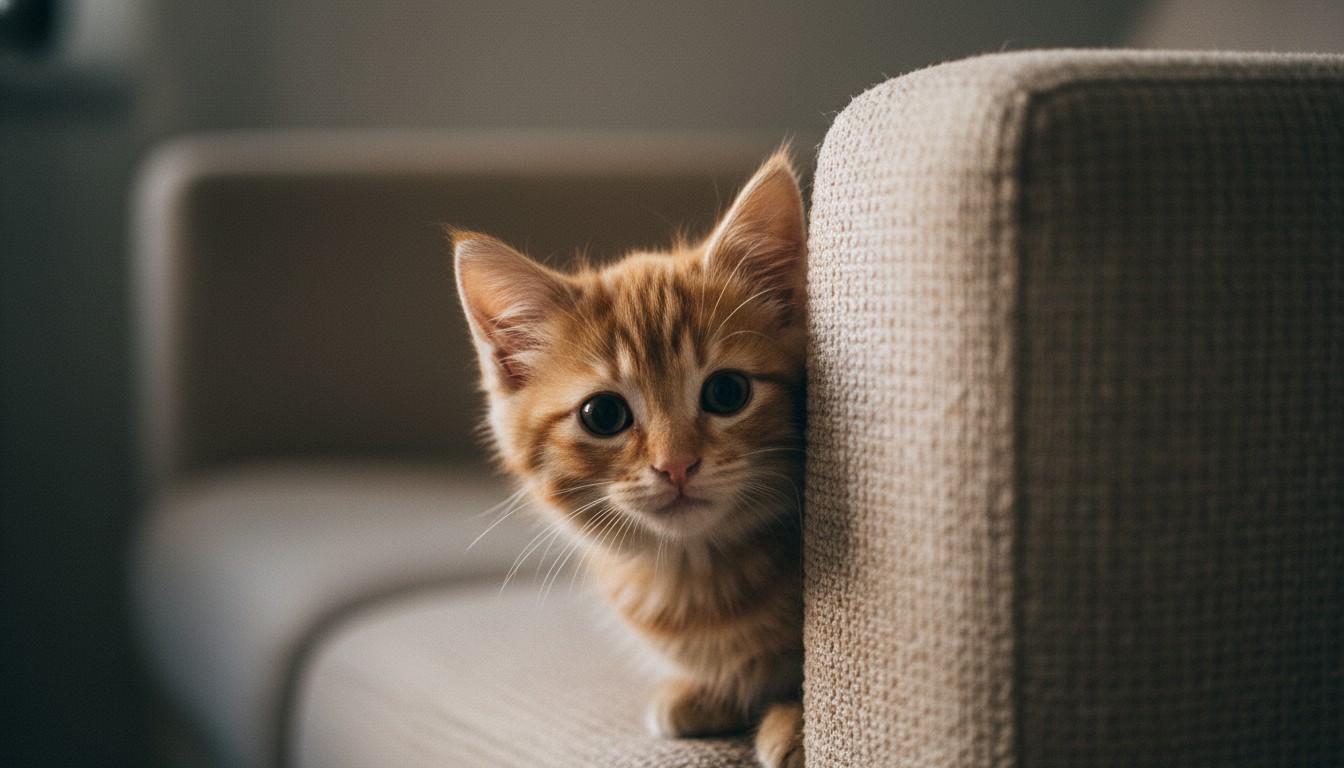
Distinguishing between a temporary developmental fear period and general caution is vital for proper intervention. General caution is a slow, inquisitive approach to something new. In contrast, a developmental fear response is often sudden and intense. Your pet might exhibit 'spooking'—jumping back, tucking their tail, or even growling at an object that was previously ignored. In kittens, this often manifests as 'piloerection' (hair standing on end), hissing, or darting under the sofa for extended periods.
Observe the recovery time. If your pet encounters a loud honking car on a busy Indian street and recovers within seconds to sniff a nearby lamp post, it is likely just caution. However, if they remain 'shut down,' refuse treats, or try to bolt for the rest of the walk, they are likely in a fear period. During these stages, their brain is in a state of high alert. Punishing this behaviour—such as scolding a dog for barking at a stranger—is counterproductive. It confirms to the pet that the situation is indeed stressful and that you, their protector, are also a source of unpredictability. Instead, focus on observing their body language: dilated pupils, panting when it isn't hot, and flattened ears are all clear signals that your pet has reached their threshold and needs a gentle exit from the situation.
The 'Jolly Routine' Protocol: Actionable Steps
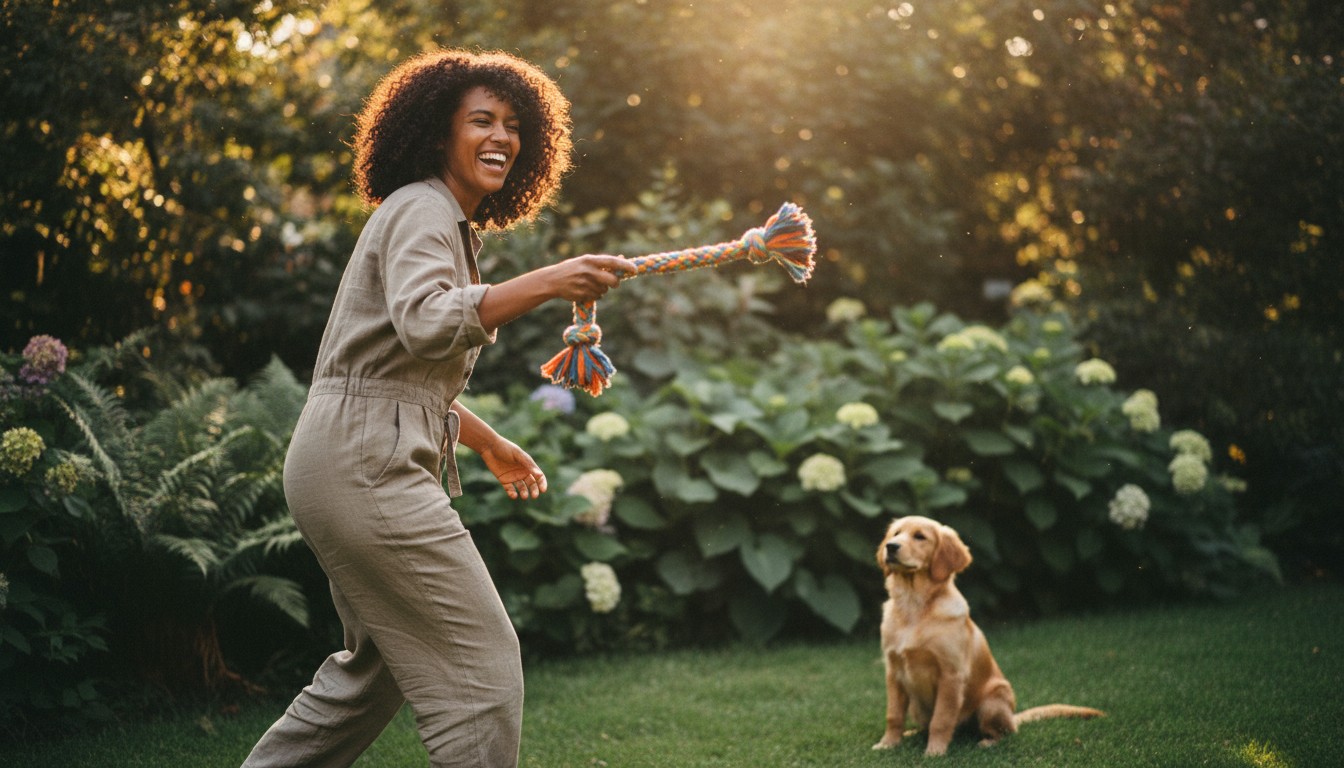
When your pet reacts fearfully, the natural human instinct is to 'coddle'—picking them up, cooing 'it's okay,' and stroking them. While well-intentioned, this can inadvertently reinforce the fear by providing a reward (affection) for the fearful state. Experts recommend the 'Jolly Routine' instead. This involves you acting happy, playful, and completely unconcerned by the 'scary' object. If your puppy barks at a delivery person's motorbike, start a light-hearted game of fetch nearby or trot away while humming a happy tune. Your confidence acts as a social cue that the environment is safe.
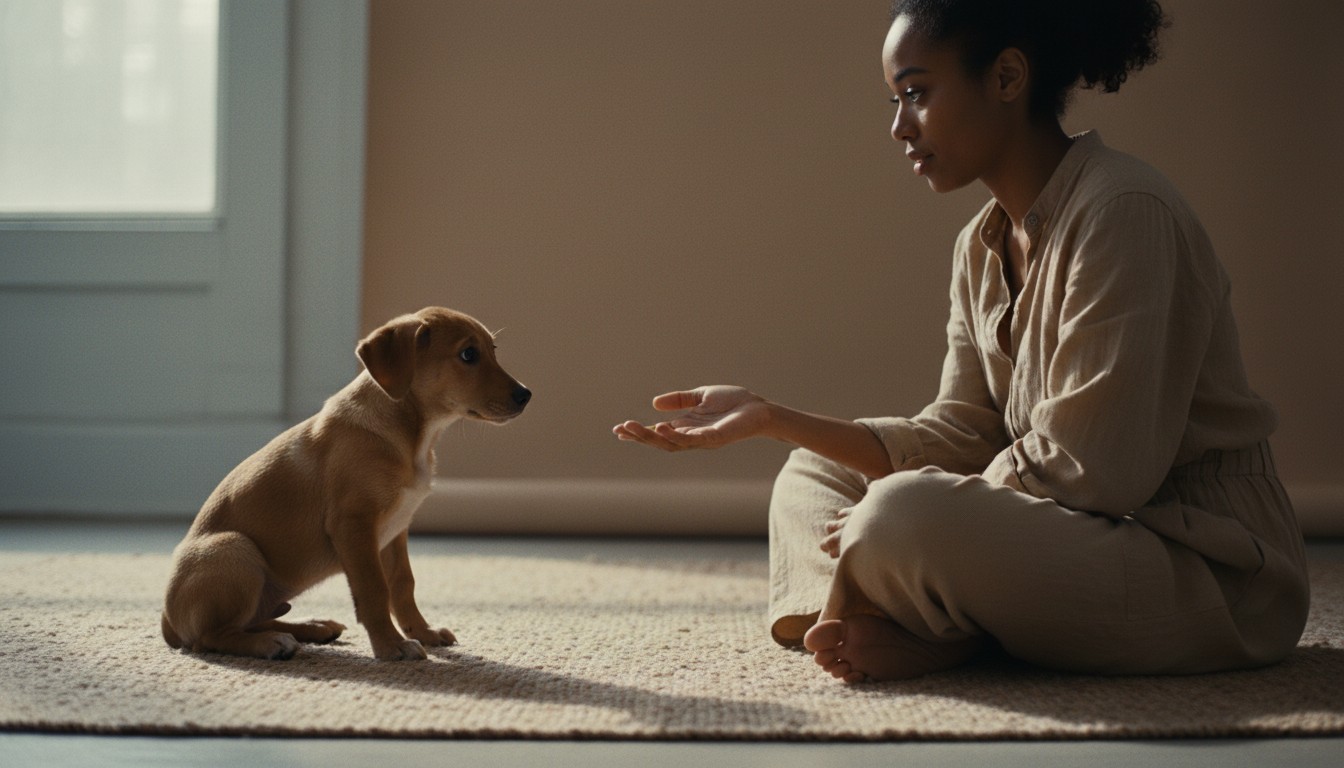
If the pet is too scared to play, increase the distance between them and the trigger. In a crowded Indian apartment complex, this might mean moving to a different corner of the park. Use high-value treats (like small pieces of boiled chicken or specialized Indian pet treats) to create a positive association. The goal is counter-conditioning: changing the emotional response from 'That motorbike is scary' to 'When motorbikes appear, I get chicken and my owner is happy.' Do not force the pet to interact with the object. Let them approach it at their own pace. If they take one step forward, praise them. If they choose to stay back, respect that boundary. Building confidence is a marathon, not a sprint, and forcing interaction during a fear window often leads to a complete breakdown in trust.
Troubleshooting Common Challenges and When to Seek Help
Not every fear response will vanish with a 'Jolly Routine'. If your pet's fear is escalating or if they are showing signs of redirected aggression (nipping at you when startled), it is time to reassess. Common mistakes include over-socialisation, where owners take a puppy in a fear period to a high-stress environment like a busy market or a loud festival, thinking it will 'toughen them up.' This usually results in flooding—a psychological state where the animal is so overwhelmed they stop reacting, which is often mistaken for 'calmness' but is actually deep distress.
If your pet stops eating, stops sleeping, or begins showing 'fear-aggression' that persists for more than three weeks, consult a certified animal behaviourist. In India, look for professionals certified by international bodies or reputable local organisations like the KCI (Kennel Club of India) who use force-free methods. Signs that you need professional help include: your pet injuring themselves trying to escape, persistent hiding for more than 48 hours, or a complete refusal to go on walks. A professional can help design a systematic desensitisation plan tailored to your specific environment, ensuring that a temporary phase doesn't become a permanent handicap for your pet's quality of life.

FAQ
Can I prevent fear periods from happening?
No, fear periods are a natural biological stage of brain development in both puppies and kittens. You cannot prevent them, but you can manage how your pet experiences them by avoiding high-stress situations during these windows and maintaining a calm, upbeat attitude.
Is it okay to carry my puppy if they are scared of a street dog?
If there is a genuine safety threat from an aggressive street dog, you must pick up your puppy. However, if the fear is due to a non-threatening object or a calm dog, it is better to lure them away with treats or toys to build their confidence rather than carrying them, which can reinforce the idea that the world is a dangerous place.
How long does a typical fear period last?
Most developmental fear periods last between one to three weeks. If your pet’s fearful behaviour continues beyond this timeframe without improvement, it may no longer be a developmental phase and could require intervention from a professional animal behaviourist.
Conclusion
Navigating developmental fear periods is a standard part of pet parenthood that requires a delicate balance of protection and encouragement. By recognizing the biological timing of these windows and employing techniques like the 'Jolly Routine', you can prevent temporary spooking from turning into lifelong trauma. Always remember that your pet isn't being 'difficult' or 'stubborn' during these phases; they are simply trying to make sense of a world that suddenly feels much more threatening. With the right support, your puppy or kitten will emerge from these periods more resilient and confident. If you find yourself overwhelmed, do not hesitate to reach out to a professional trainer who uses positive reinforcement. Your calm leadership is the best tool for helping your pet navigate the vibrant but often noisy landscape of life in India.
References & Sources
This article was researched using the following sources:


