














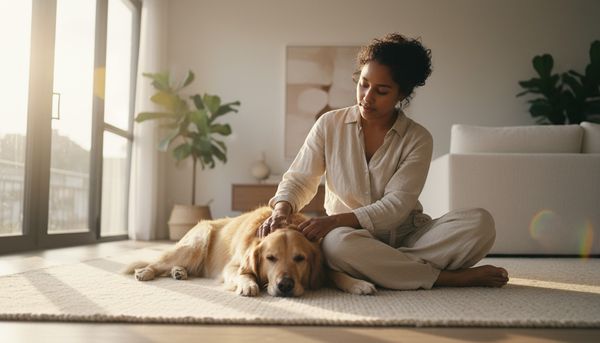
As a pet parent in India, you likely know your companion’s quirks better than anyone else. However, relying solely on visual cues can be misleading, as many animals instinctively hide pain or discomfort. Conducting a systematic nose-to-tail at-home health exam once a week is the most proactive way to safeguard your pet's wellbeing. By establishing a baseline of what is 'normal' for your dog or cat, you can identify subtle changes—such as a small lump under the fur or a slight change in gum colour—long before they become emergency situations. This structured routine transitions your care from reactive to preventive, ensuring that your pet remains healthy throughout the changing Indian seasons, from the dusty summers to the humid monsoons.
The Face and Mouth: Checking the Vital Indicators
Begin your nose-to-tail at-home health exam at the front. Start by looking at the eyes; they should be bright, clear, and free of discharge. In many parts of India, dust and pollution can cause minor irritation, but persistent redness or cloudiness requires professional attention. Move to the nose—while a 'wet nose' isn't the only sign of health, it should be free of crusting or unusual discharge.
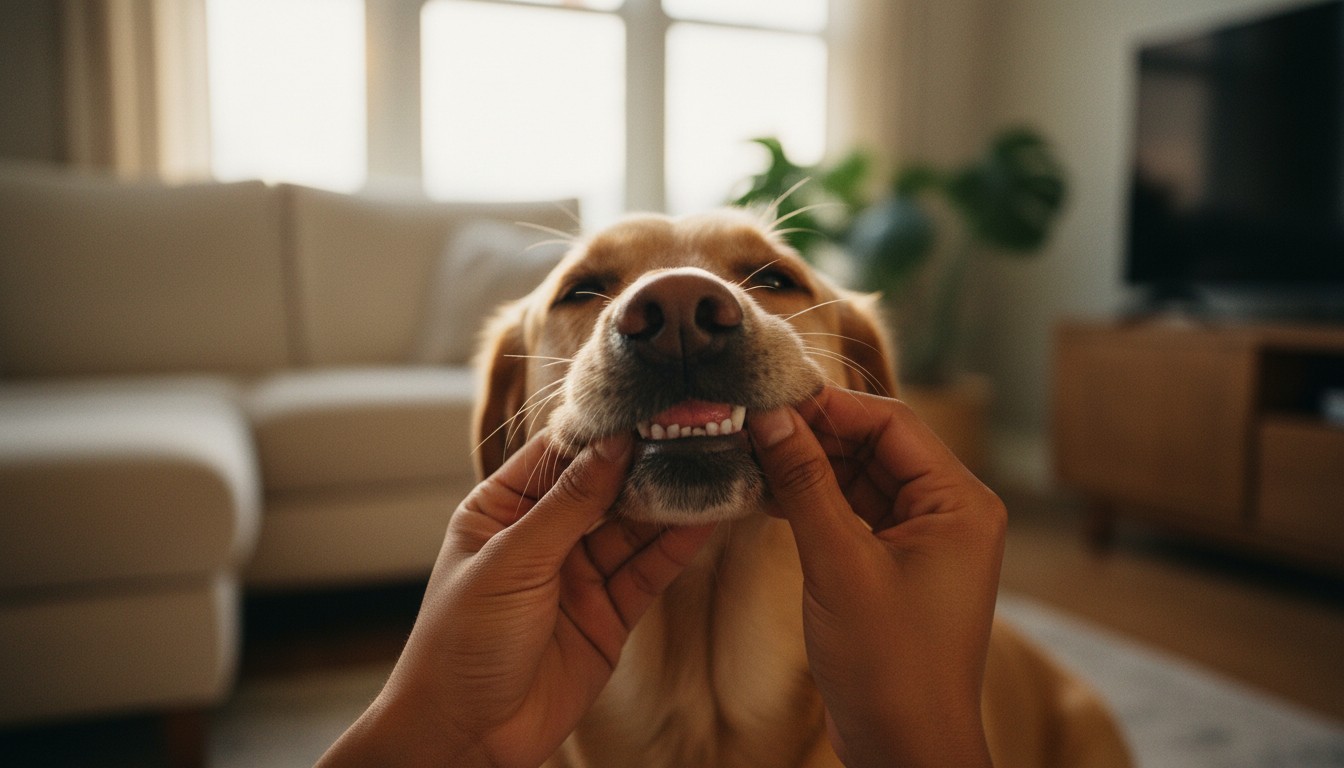
The mouth is perhaps the most critical area. Gently lift the lips to inspect the gums. They should be a healthy 'bubblegum' pink. Use the tactile technique of checking the Capillary Refill Time (CRT). Press your finger firmly against the gum until it turns white, then release. The pink colour should return in less than two seconds. If it takes longer, or if the gums appear pale, blue, or deep red, it may indicate circulation issues or heatstroke, which is a common risk during Indian summers. Finally, smell their breath. While 'dog breath' is normal, a sickly sweet or putrid odour can signal dental decay or internal metabolic issues.
Lymph Nodes and the Neck: Feeling for Abnormalities
Moving back from the jaw, you should check the submandibular lymph nodes. These are located near the junction where the jaw meets the neck. In a healthy pet, these nodes are usually about the size of a small pea or bean and can be quite difficult to feel. Use your fingertips to apply light, circular pressure. If you feel a firm, enlarged mass (the size of a marble or larger), it may indicate that the body is fighting an infection or inflammation.
Continue the inspection down the neck and towards the shoulders. This is a common area for ticks and fleas to hide, especially in the high-humidity environments of coastal India or during the monsoon. Feel for any 'scabs' that might actually be engorged ticks. Additionally, check for skin flexibility. Gently 'tent' the skin on the back of the neck; it should snap back instantly. If it remains peaked, your pet may be suffering from dehydration, a frequent concern during the intense heatwaves seen in North India.
The Torso and Abdomen: Palpating for Internal Health
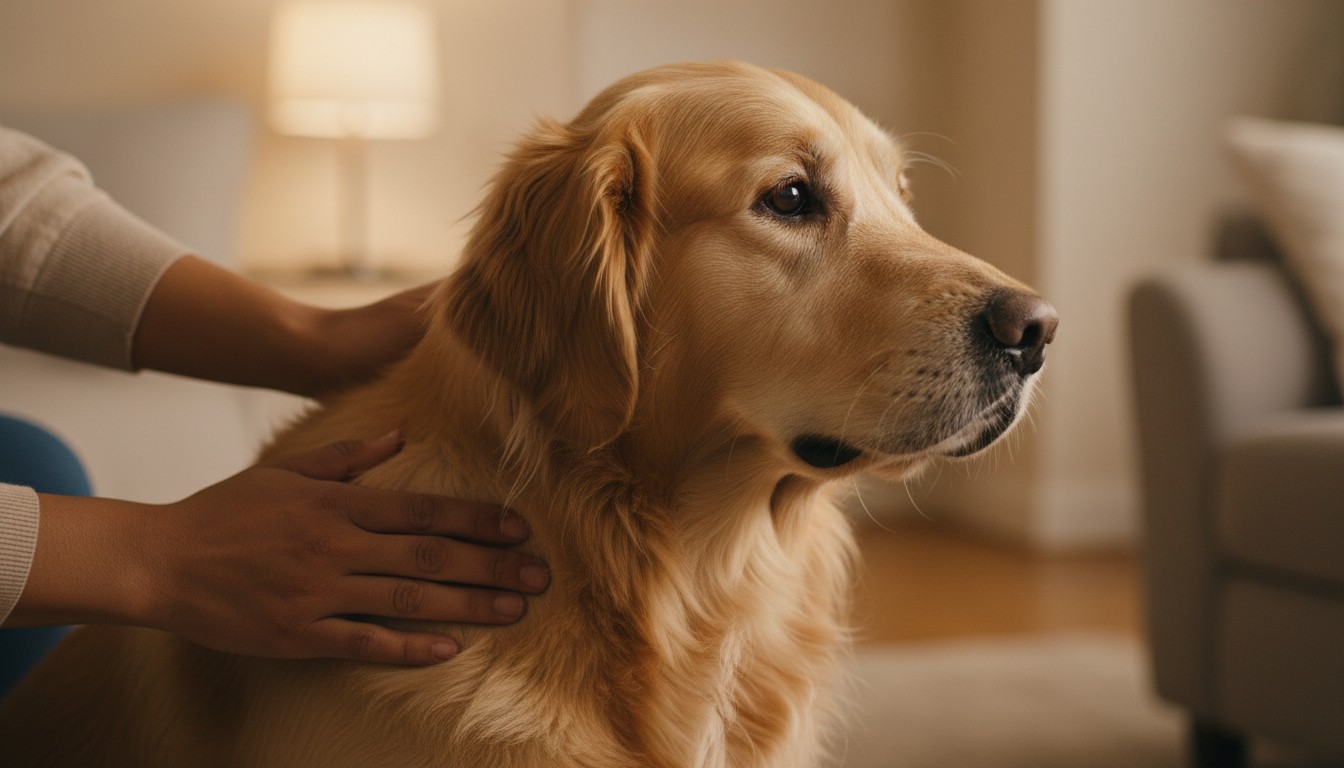
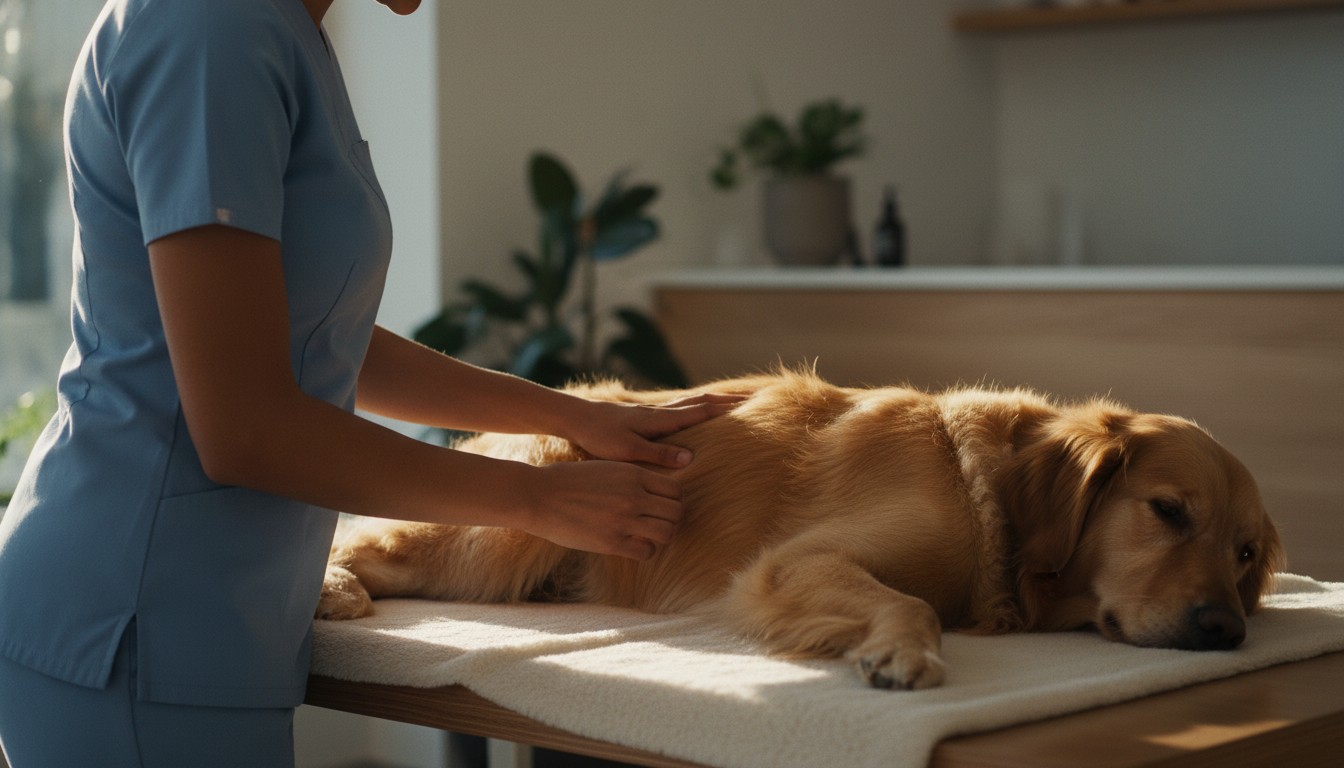
The torso inspection involves both the skin and the underlying structures. Run your hands firmly along the ribcage. You should be able to feel the ribs under a thin layer of fat without seeing them prominently. In India, many 'Indie' or street-mix rescues can be prone to being underweight, while pampered house pets often lean toward obesity. Feeling the ribs helps you monitor their Body Condition Score (BCS) accurately.
Next, perform a gentle abdominal palpation. Place one hand on either side of the belly, just behind the ribs, and press very gently upwards and inwards. The abdomen should feel soft and relaxed. If your pet tenses up, groans, or if the area feels 'tucked up' and hard like a drum, this could indicate abdominal pain, bloating, or gastrointestinal distress. Be particularly vigilant if you notice any asymmetrical swelling. During this stage, also part the fur to check the skin for 'hot spots' or fungal infections, which are extremely common during the Indian monsoon due to trapped moisture in the coat.
Limbs, Paws, and Tail: Mobility and Surface Checks
Finish the exam by working down each leg. Feel the joints—the elbows, knees (stifles), and hocks—for any heat or swelling. Gently flex and extend each limb to check for a full range of motion. Resistance or a 'grinding' sensation can be an early sign of arthritis, especially in older Labradors and German Shepherds, which are popular breeds in India.
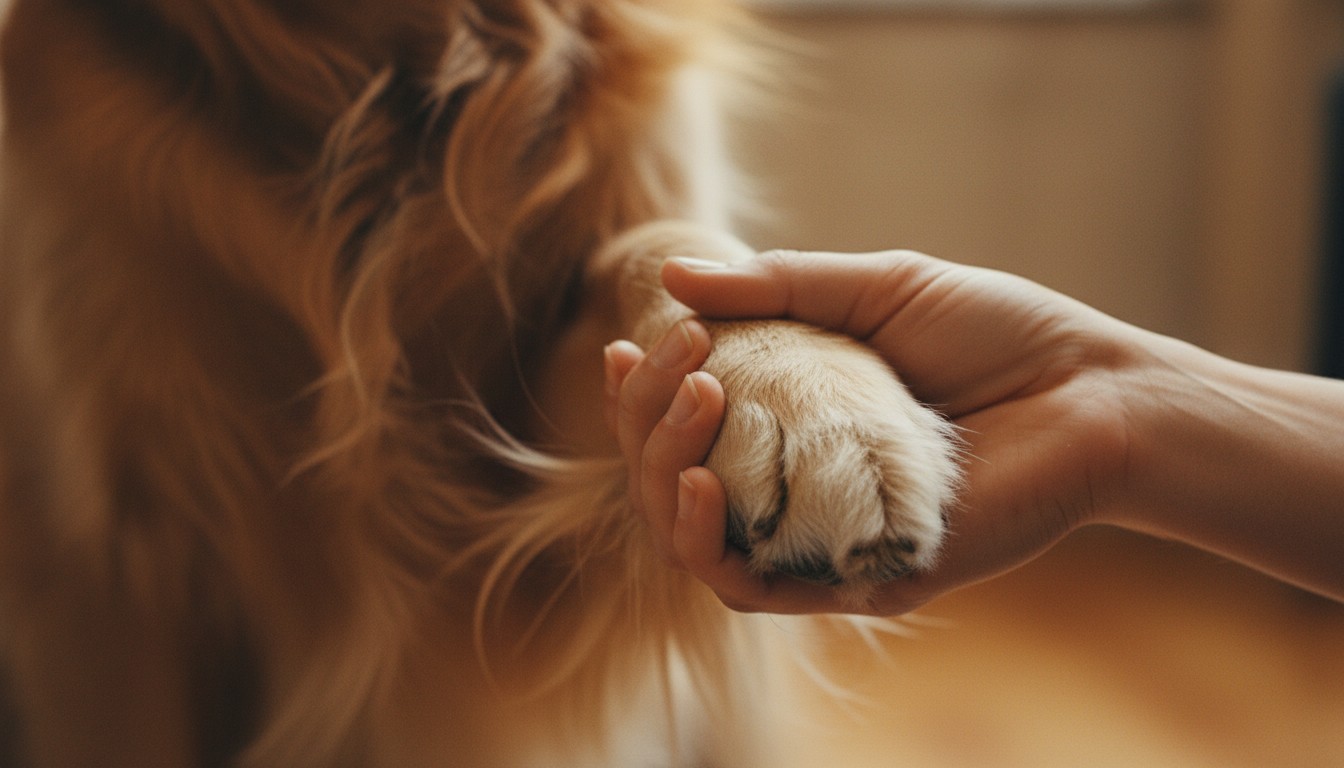
Pay close attention to the paws. Inspect between the toes for 'interdigital cysts,' thorns, or 'grass awns' that can get stuck during walks in parks. Given the prevalence of rough pavement and hot asphalt in Indian cities, check the paw pads for cracks or burns. Ensure the nails are trimmed to a length where they don't click loudly on the floor, as overgrown nails can alter a dog's gait and cause skeletal issues over time. Finally, run your hand down the tail to check for any kinks, masses, or loss of hair at the base, which often points to flea-allergy dermatitis.
Troubleshooting: What to Do When the Exam Goes Wrong
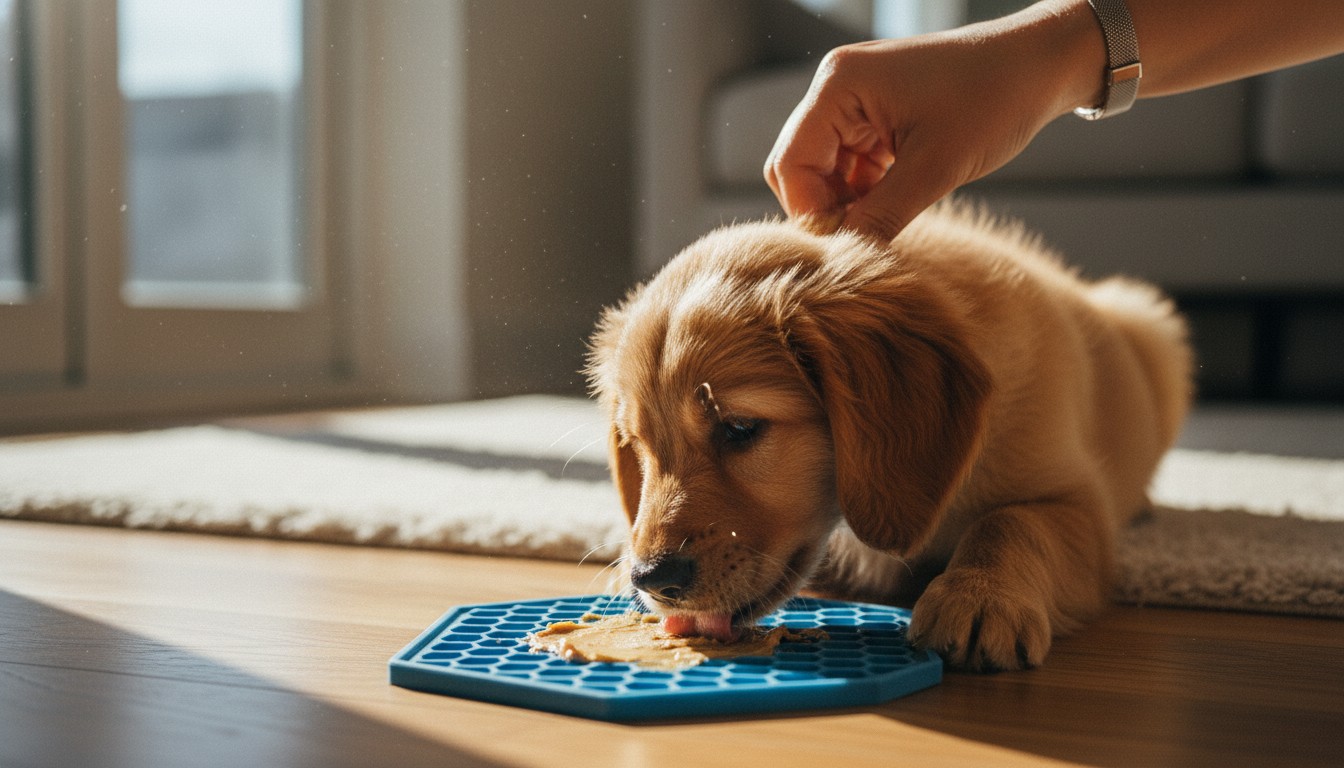
Not every pet will enjoy a systematic nose-to-tail at-home health exam initially. If your pet becomes aggressive, growls, or tries to escape, do not force the process. This resistance itself is information; it might mean the area you touched is painful. Stop the exam and try again later with high-value treats, such as a bit of boiled chicken or a lickable treat, to create a positive association.
If you find a lump, do not panic, but do not ignore it either. Note its location, size (e.g., 'size of a 5-rupee coin'), and whether it is hard, soft, or moves under the skin. If you find a tick, use a proper tick-removal tool rather than your fingers to ensure the head isn't left behind, which can cause local infections. If you encounter any 'red flag' symptoms during your check—such as blue gums, extreme abdominal pain, or an inability to stand—skip the rest of the exam and head to an emergency vet immediately.
FAQ
How often should I perform a nose-to-tail health exam?
You should aim to perform this check once a week. Doing it frequently helps you learn what is normal for your pet, making it much easier to spot a new lump or a slight change in gum colour as soon as it appears.
What does it mean if my dog's lymph nodes are enlarged?
Enlarged lymph nodes (lymphadenopathy) suggest that the immune system is responding to something, which could range from a minor local infection or skin allergy to more serious conditions like lymphoma. If you find a firm lump near the jaw or behind the knees, consult your vet.
My pet’s skin doesn't snap back when I pinch it. Is that bad?
Yes, this is known as 'poor skin turgor' and is a classic sign of dehydration. If the skin remains 'tented' for more than a second, ensure your pet has access to fresh water and consult a vet, especially if they are also lethargic or vomiting.
Conclusion
Performing a systematic nose-to-tail at-home health exam is an essential skill for every responsible pet owner in India. By spending just ten minutes a week physically inspecting your companion, you bridge the gap between annual vet visits and daily observations. This practice not only helps in early disease detection—potentially saving you thousands of rupees in intensive veterinary treatments—but also strengthens the bond of trust between you and your pet. Always remember that while this exam is a powerful tool, it does not replace professional veterinary diagnostics. If you find anything unusual, or if your pet's behaviour shifts suddenly, contact your local veterinarian for a thorough clinical evaluation. Keep a small notebook to record your findings so you can provide an accurate history during your next appointment.
References & Sources
This article was researched using the following sources:

