














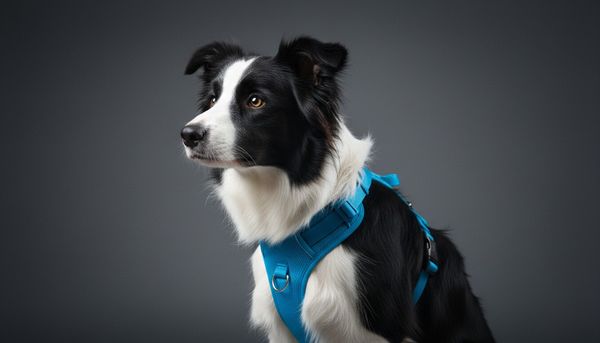
Finding the perfect harness fit is more than a matter of style; it is a fundamental requirement for your dog's long-term musculoskeletal health. In India, where many pet owners are transitioning from traditional collars to harnesses, understanding the anatomy of gear is crucial. A poorly fitted harness can restrict natural movement, lead to joint inflammation, or even allow a fearful dog to escape during a busy walk in Indiranagar or Bandra. This guide moves beyond brand names to focus on the biomechanics of how a harness interacts with your dog's skeletal structure. By learning to identify the landmarks of the shoulder and ribcage, you can ensure your dog moves freely and comfortably, whether they are a robust Labrador or a lean Indian Pariah Dog.
The Biomechanics of the Shoulder and Y-Shape Advantage
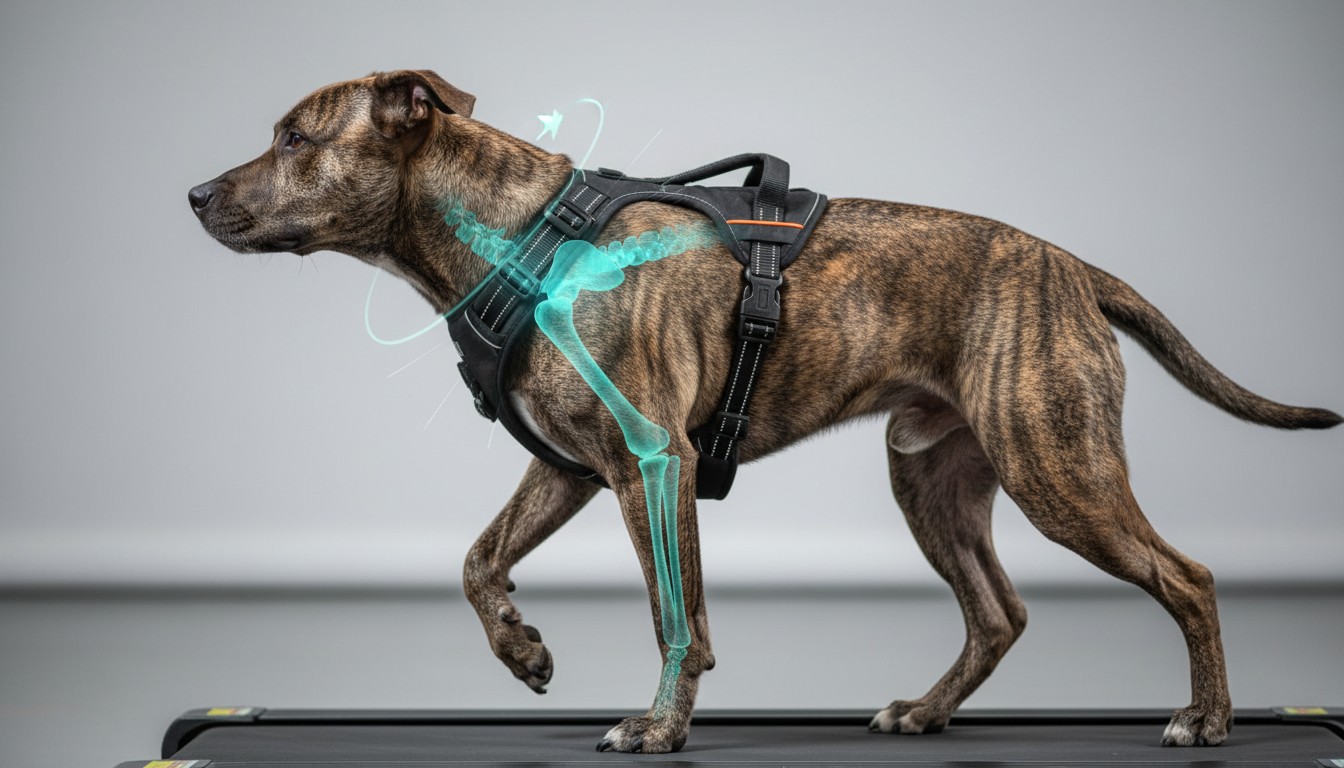
The most critical aspect of a perfect harness fit is the preservation of shoulder movement. Many 'no-pull' harnesses feature a horizontal strap that sits across the chest, often referred to as a Norwegian or T-belt style. While effective for control, this strap directly blocks the humerus and scapula. When a dog walks, their shoulder blades should glide freely. A horizontal strap acts like a physical barrier, forcing the dog to shorten its stride and potentially leading to gait abnormalities over time.
Experts recommend the 'Y-shaped' harness as the gold standard for biomechanical health. In this design, the straps follow the natural contours of the neck and chest, meeting at the sternum (the breastbone). This configuration leaves the shoulder joint completely unobstructed. When viewed from the front, the harness should form a clear 'Y' shape rather than a straight line. This allows for a full range of motion during high-energy activities, such as running in a local park or navigating uneven terrain during a weekend trek outside Pune or Bengaluru.
The Three Pillars of Precision Measurement
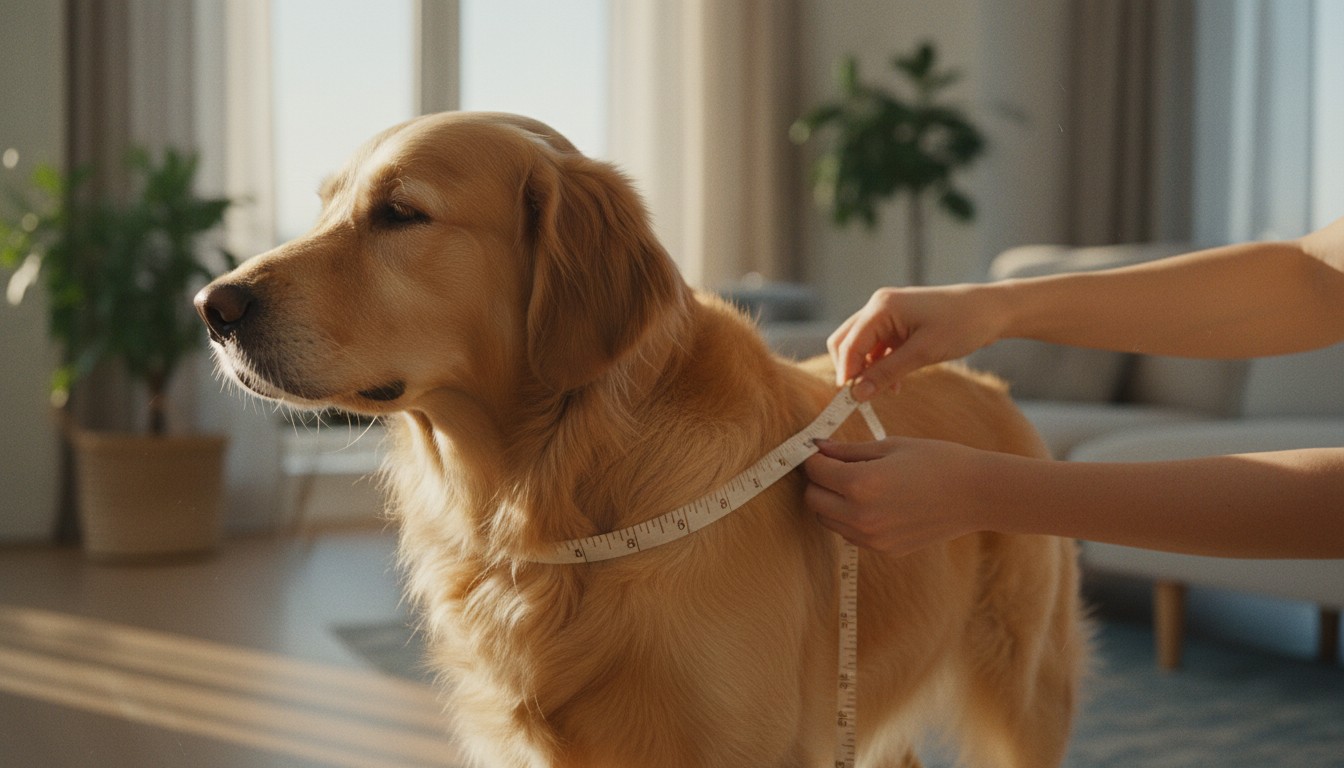
To achieve a perfect harness fit, you must move beyond generic 'Small' or 'Large' sizing. Every dog's geometry is unique, especially with the diverse mix of breeds found in India. You will need a soft measuring tape and three primary measurements in centimetres: the lower neck, the chest girth, and the top-line length.
First, measure the lower neck where it meets the shoulders, not where a collar usually sits. This ensures the harness neck opening is large enough to rest on the skeletal structure rather than the soft tissue of the throat. Second, measure the widest part of the chest, typically 2 to 5 centimetres behind the front armpits. This is the 'girth' measurement. Finally, measure the distance from the base of the neck to the end of the ribcage along the spine. These three numbers provide a blueprint for a harness that won't slide or chafe. For Indian Pariah Dogs with deep chests and narrow waists, the girth measurement is particularly vital to prevent the harness from being too loose and causing an escape risk.
The Two-Finger Rule and Skeletal Landmarks
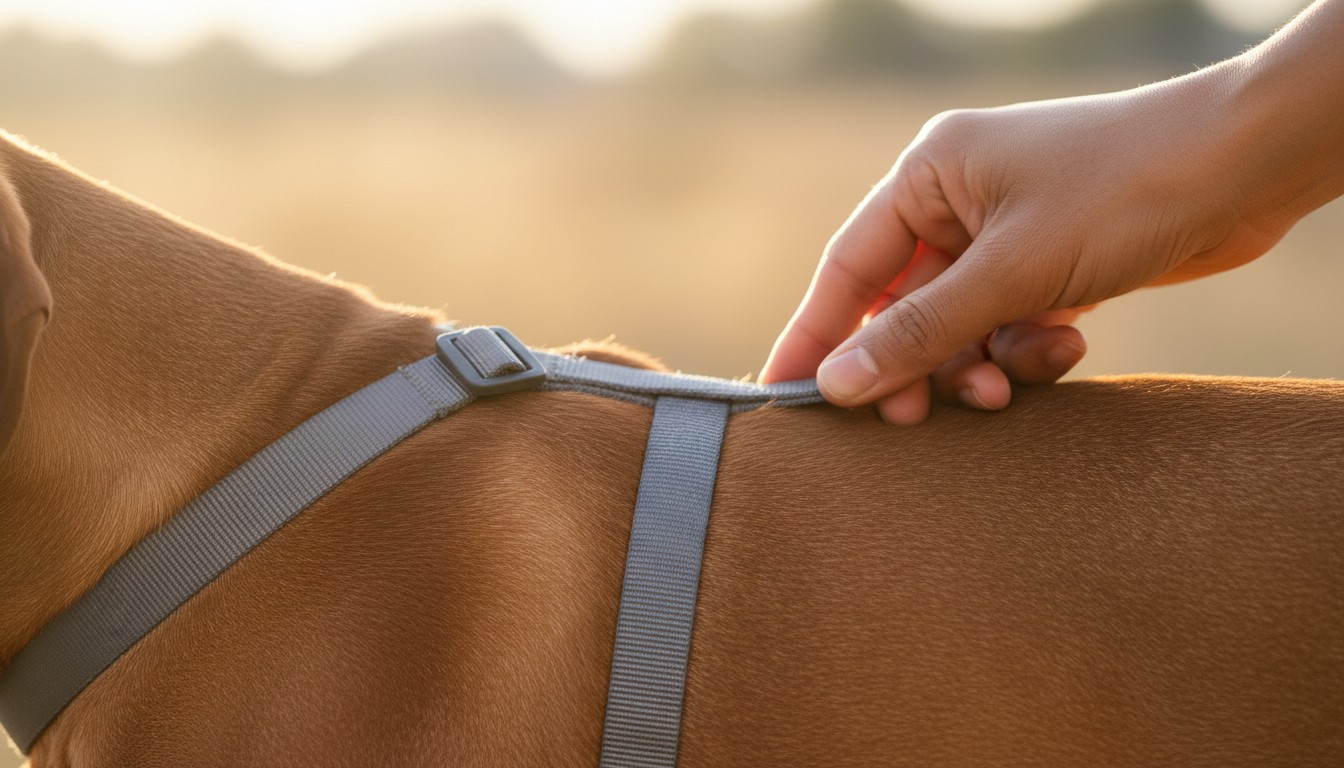
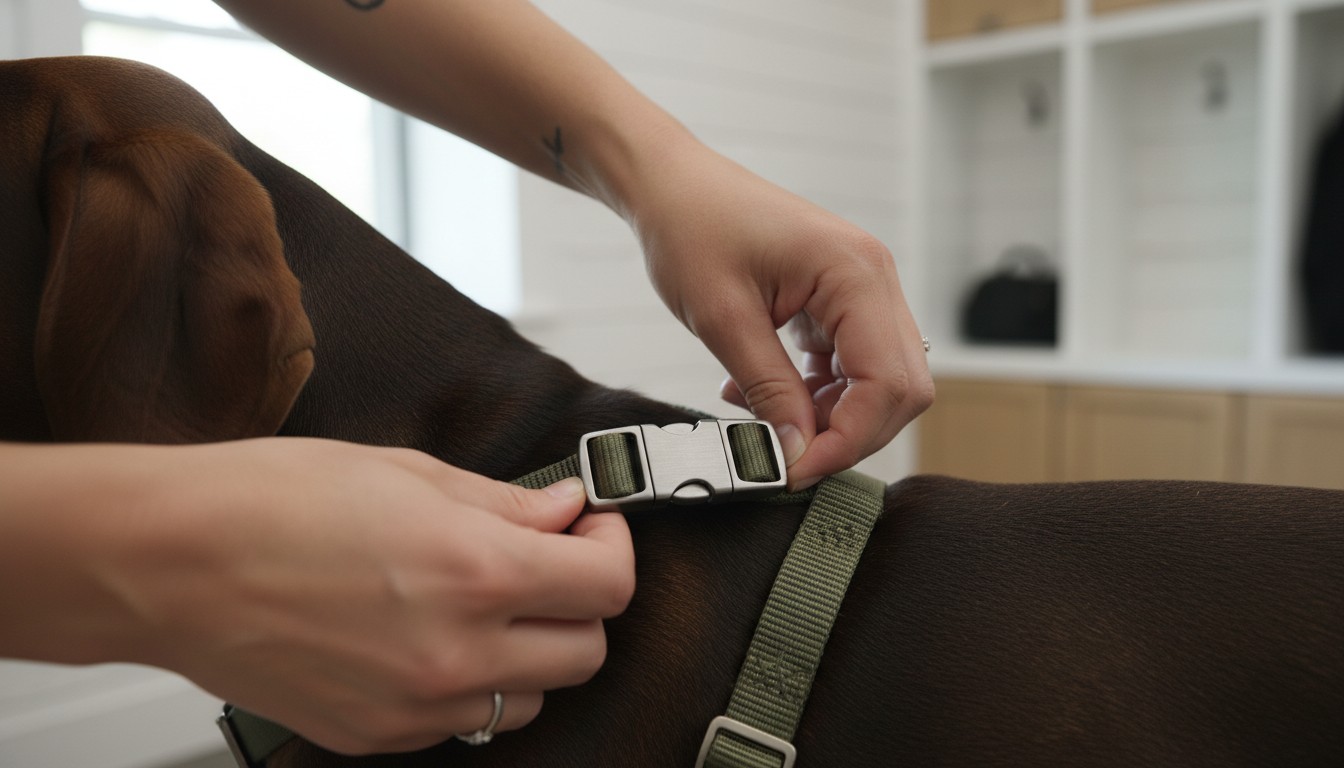
Once the harness is on, you must verify the tension using the 'two-finger rule'. You should be able to fit two fingers flat between the harness straps and your dog’s body at any point. If you can fit more, the harness is too loose and may cause chafing or allow the dog to slip out. If you cannot fit two fingers, it is too tight and will restrict breathing and blood flow. This balance is essential in India's humid climate, where skin irritation can quickly escalate into hot spots.
Next, perform a skeletal check. Feel for the 'prosternum'—the bony point at the front of the chest. The 'V' of the Y-shaped harness should sit right on this bone. If it sits higher, it is pressing against the trachea; if lower, it may be impeding the front legs. Then, check the space behind the armpits. There should be a gap of roughly two to three fingers' width between the armpit and the girth strap. This prevents the harness from rubbing against the sensitive skin of the axilla (armpit) during movement, which is a common cause of walking-related discomfort.
Identifying Gait Restriction During Movement
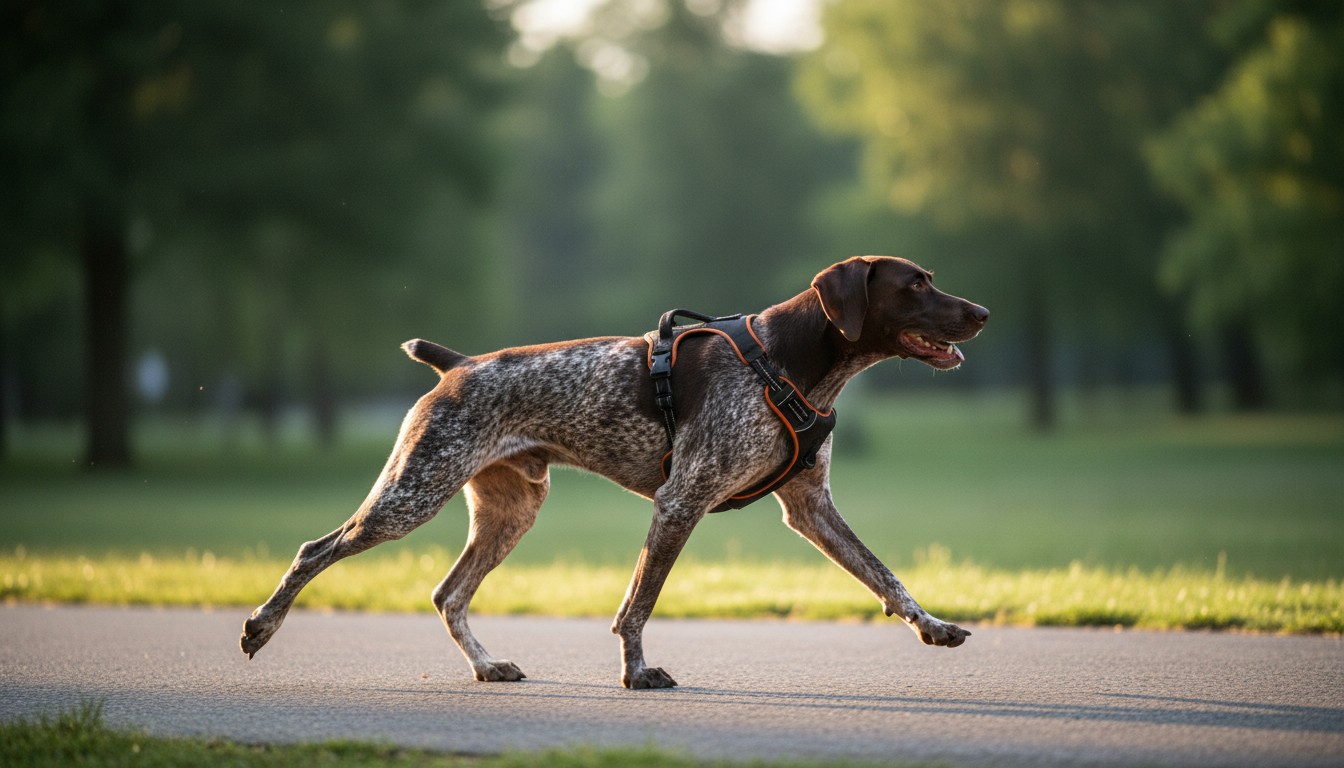
A harness may look perfect while the dog is standing still, but the true test of a perfect harness fit happens in motion. Take your dog for a short walk on a loose lead and observe them from the side and the front. Look at the front legs—is the dog reaching forward fully, or does the stride look 'choppy'? A restrictive harness often causes a dog to turn their elbows outward or flatten their front-end movement to avoid hitting the straps.
Watch the skin around the harness. If the fabric is pulling and creating folds in the skin or coat, the adjustment is uneven. In India, many owners walk their dogs on paved roads or tiled compound paths; listen to the sound of the claws. An uneven gait caused by a poor harness fit can lead to asymmetric wear on the nails or a clicking sound as the dog compensates for the restriction. If the dog is constantly stopping to scratch at the harness or seems reluctant to walk faster, these are clear indicators that the gear is interfering with their natural biomechanics.
Troubleshooting Common Fit Issues and Escape Risks
Even with careful measuring, problems can arise. One common issue is 'muffin-topping', where the harness is so tight it creates bulges of skin. This is not just an aesthetic issue; it indicates restricted circulation. Conversely, a harness that is too loose will 'roll' across the back. If you see the D-ring sliding from side to side as the dog walks, the girth or neck straps need tightening. This instability can cause fur matting, especially in long-haired breeds like Shih Tzus or Lhasa Apsos popular in India.
For 'escape artists' who have mastered the art of backing out of a harness, a three-strap or 'security' harness is the best solution. These have an additional strap that sits further back on the waist, behind the widest part of the ribcage. Because the waist is narrower than the chest, the dog cannot physically pull the harness over their head. If you find your dog is constantly slipping their harness during walks near heavy traffic, switching to this anatomical design is a critical safety upgrade that doesn't require over-tightening the primary straps.
Material Selection and Climate Considerations
In India, the material of the harness is as important as the fit. During the intense heat of the North Indian summer or the high humidity of coastal regions like Chennai or Mumbai, heavy padding can cause overheating. Look for breathable air-mesh materials or lightweight nylon webbing. A perfect harness fit won't help if the dog is suffering from heat stress because the gear trapped too much body heat against the skin. Avoid dark colours like black or deep navy if you walk during the day, as these absorb more solar radiation.
Monsoon season brings another challenge: dampness. A wet harness that doesn't dry quickly can cause fungal infections or skin chafing. If your dog gets caught in the rain, remove the harness immediately upon returning home and clean it to remove salt and dirt. Opt for hardware made of stainless steel or high-quality brass to prevent rust from the high moisture levels. Checking the integrity of the buckles and stitching every week is a vital safety habit, as the extreme Indian weather can degrade synthetic fibres over time, leading to unexpected gear failure.
FAQ
How can I tell if a harness is too tight for my dog?
Use the 'two-finger rule': you should be able to snugly fit two fingers between any strap and your dog's skin. If you cannot, or if you see the skin bulging around the straps (muffin-topping), the harness is too tight and needs immediate adjustment.
Is a Y-shaped harness better than a chest-strap harness?
Yes, from a biomechanical perspective, Y-shaped harnesses are superior. They allow for full shoulder rotation and do not compress the delicate soft tissues of the throat, whereas horizontal chest straps can restrict a dog's natural gait and lead to long-term joint issues.
My dog keeps backing out of their harness; what should I do?
If your dog is an escape artist, look for a 'three-strap' or 'escape-proof' harness. These feature an extra strap that sits around the dog's narrow waist, making it physically impossible for them to pull the harness forward over their larger ribcage and head.
How often should I check the fit of my puppy's harness?
Puppies grow incredibly fast, sometimes changing size in just a week. You should check the fit of a puppy's harness every 3-5 days using the two-finger rule and adjust as necessary to ensure it doesn't become painfully restrictive as they develop.
Conclusion
Ensuring a perfect harness fit is a dynamic process that requires regular observation and adjustment. By prioritizing a Y-shaped design and respecting your dog's skeletal landmarks, you protect their mobility and enhance their enjoyment of the outdoors. Remember to account for the unique challenges of the Indian climate by choosing breathable materials and maintaining your gear against the elements. If you notice your dog limping, showing signs of skin irritation, or behaving fearfully when the harness is brought out, it is time to reassess the fit or consult a professional trainer or veterinarian. A well-fitted harness is the foundation of a safe, happy, and healthy life for your canine companion.
References & Sources
This article was researched using the following sources:

