















It is a scenario many pet parents in India know too well: your usually gentle Golden Retriever or street-rescued Indie suddenly growls at a familiar neighbor or snaps when you try to move them off the sofa. To the observer, the reaction seems 'unprovoked' or 'out of the blue'. However, behavior experts know that these outbursts are rarely sudden. Instead, they are the physiological result of trigger stacking in pets. This phenomenon occurs when multiple minor stressors—which your pet might usually tolerate—accumulate over hours or even days, pushing their nervous system past its breaking point. Understanding the biology behind this cumulative stress is essential for preventing aggression and ensuring a happy, safe life for your companion.
The Physiology of the 'Stress Bucket'
To understand trigger stacking in pets, we must first look at the endocrine system. When an animal perceives a threat—be it a loud 'pataka' (firecracker) or a high-speed Swiggy delivery bike—their body releases a surge of adrenaline and cortisol. Adrenaline provides an immediate burst of energy for 'fight or flight', but it dissipates quickly. Cortisol, the primary stress hormone, is much slower to leave the system. In many cases, it can take anywhere from several hours to three full days for cortisol levels to return to baseline after a significant event.
Think of your pet’s emotional capacity as a bucket. Every minor stressor adds a cup of water to that bucket. A single event, like a slightly too-rough grooming session or the sound of a heavy monsoon thunderstorm, doesn't overflow the bucket on its own. However, if the water (stress) is added faster than it can drain (recovery), the bucket eventually overflows. This overflow is what we see as a 'sudden' snap or bite. The final 'trigger' might be something as insignificant as a drop of water—like a family member walking past—but it was the cumulative volume that caused the disaster.

Common Environmental Triggers in India
Living in an urban Indian environment presents unique challenges for our pets. Our cities are high-stimulus zones that can lead to rapid trigger stacking. Common daily stressors include the constant honking of traffic, the high-pitched bells of vegetable vendors, and the scent of unfamiliar street dogs on your building's staircase. During festive seasons like Diwali or even local weddings, the intensity of noise and air pollution can keep a pet’s cortisol levels permanently elevated for weeks.
Even positive excitement can contribute to the bucket. A long play session at a dog park in Bengaluru or a busy house party with many guests can be just as taxing on the nervous system as a negative event. When you combine these with physiological stressors common in the region, such as extreme summer heat (reaching 40°C+ in many states) or the humidity of the monsoon, the pet's 'fuse' becomes significantly shorter. A pet that is physically uncomfortable due to heat is far more likely to experience trigger stacking than one in a climate-controlled environment.
Recognising Stress Residue and Micro-Signals
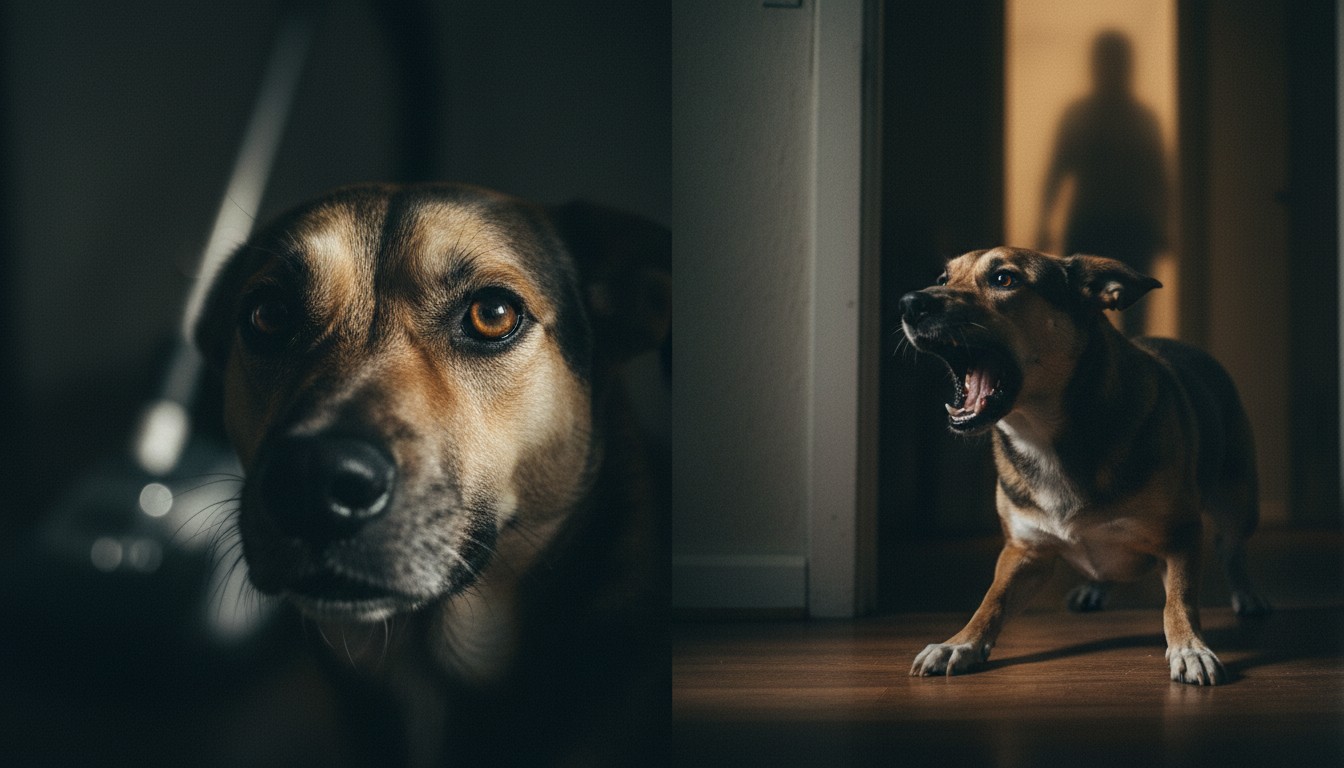
One of the biggest mistakes owners make is assuming that once a stressor is gone, the stress is gone too. This 'stress residue' is the cortisol lingering in the blood. To spot a pet that is nearing their threshold, you must look for micro-signals. These are subtle body language cues that indicate the bucket is nearly full. In dogs, this includes 'whale eye' (showing the whites of the eyes), frequent lip licking, or sudden 'shake-offs' as if they are wet, even when dry. A pet might also exhibit 'displacement behaviors', such as intense sniffing of the ground or sudden grooming of a paw.
When a pet is 'stacked', they may lose their ability to follow known commands like 'sit' or 'stay'. This isn't disobedience; it is a cognitive shutdown. Their brain is shifted into survival mode, and the prefrontal cortex—the part responsible for learning and logic—is effectively offline. If your usually obedient pet starts ignoring you after a walk through a crowded market, they aren't being stubborn; they are likely overwhelmed and trying to process the chemical cocktail currently flooding their brain.
Implementing a Cortisol Vacation
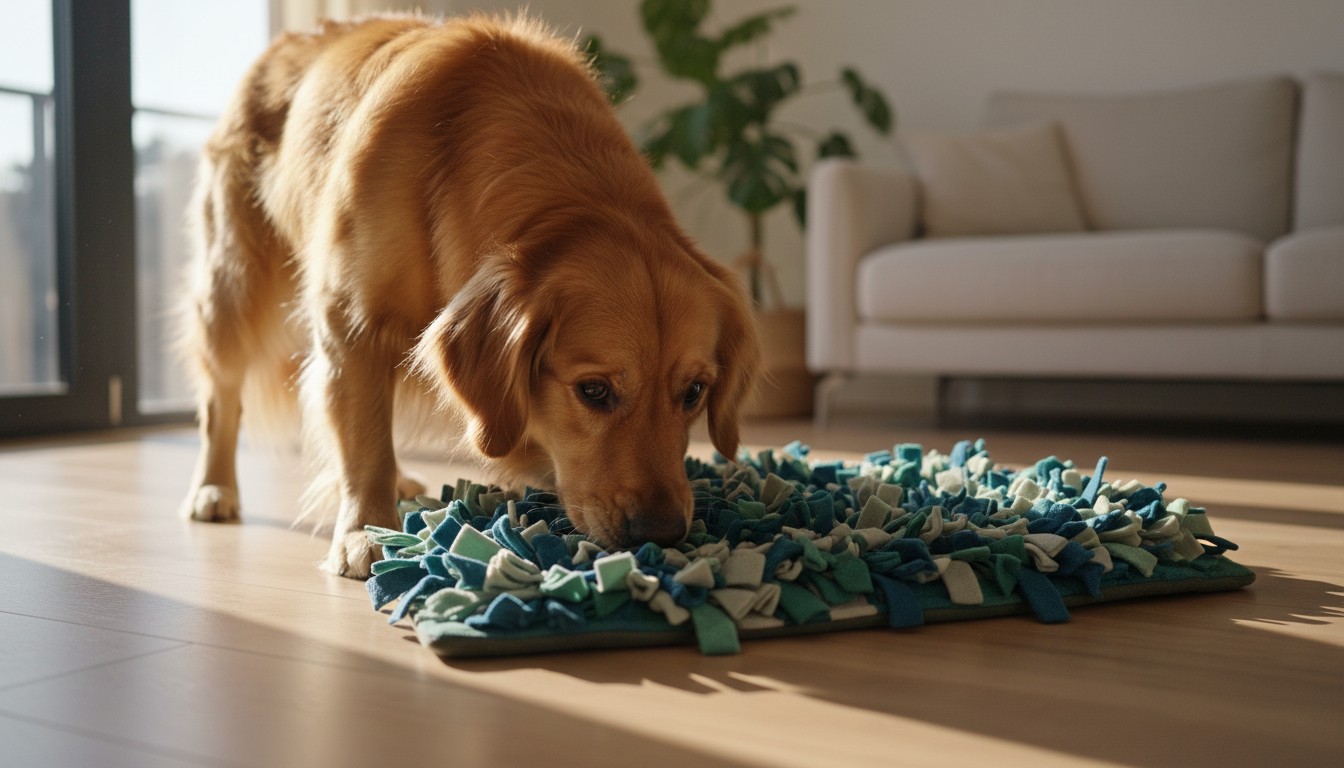
If you suspect your pet has experienced a high-stress event or a series of minor ones, the most effective treatment is a 'cortisol vacation'. This is a period of 48 to 72 hours where you deliberately minimize all stressors to allow their hormones to return to baseline levels. During this time, skip the high-traffic walks and avoid inviting guests over. Instead of vigorous fetch sessions, which spike adrenaline, focus on 'scent work' or giving them a long-lasting chew like a yak milk bar or a stuffed toy filled with peanut butter. Licking and sniffing are naturally soothing activities that help lower heart rates.
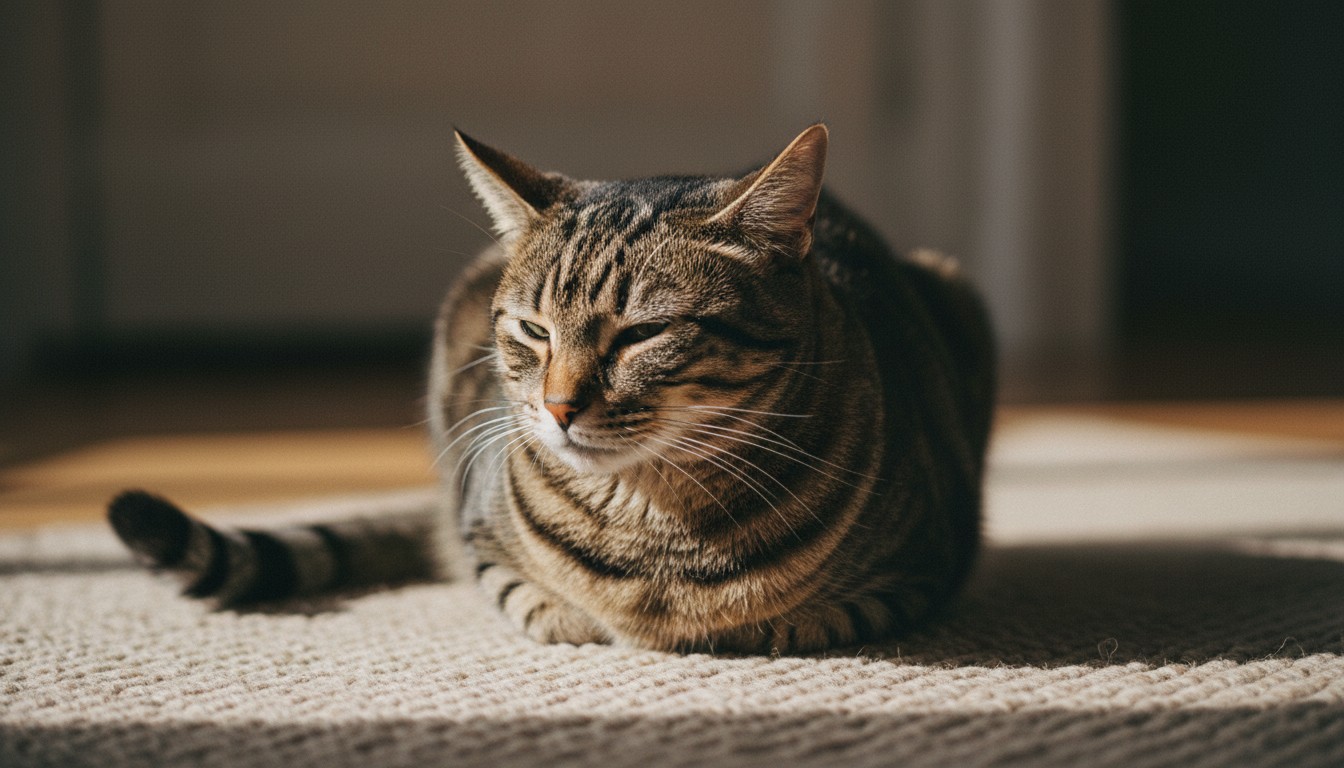
In the Indian context, this might mean walking your dog very early in the morning or late at night to avoid the chaos of the streets. If your pet is a cat, ensure they have access to vertical spaces and 'hidey-holes' where they won't be disturbed by children or domestic help. The goal is to let the 'drain' in the stress bucket work without adding any more water. Consistency during these 72 hours is crucial; one 'bad' interaction can reset the clock on their physiological recovery.
Troubleshooting: When the 'Snap' Occurs
What should you do if the stacking leads to a reaction? First, do not punish the pet. Punishing a growl or a snap is like taking the batteries out of a smoke alarm; the fire (the stress) is still there, but you’ve removed the warning signal. If you punish the warning, the pet may skip the growl next time and go straight to a bite. Instead, calmly remove the pet from the situation. Increase the distance between them and the trigger immediately. Use a neutral tone and guide them to a 'safe zone' like their crate or a quiet bedroom.
If you find that your pet's bucket seems to overflow frequently or with very little provocation, it is time to seek professional help. In India, look for certified canine behaviorists or veterinarians who specialize in behavior. Frequent snapping can sometimes be linked to underlying medical issues. For example, hip dysplasia or skin allergies (common in breeds like Labradors in India) cause chronic pain, which acts as a permanent 'base level' of water in the stress bucket, making the animal much more reactive to minor external events.

FAQ
Can a happy event cause trigger stacking?
Yes. Physiological stress is the body's response to any high-arousal event. A long day at a pet birthday party or a visit from a favorite relative causes an increase in heart rate and hormones. If the pet doesn't get quiet time to decompress afterward, this 'happy' stress adds to the same bucket as 'scary' stress.
How long does cortisol stay in a dog's system?
While adrenaline drops quickly, cortisol can remain elevated for 24 to 72 hours after a stressful event. This is why a dog might seem 'grumpy' or reactive on Tuesday because of a scary vet visit that happened on Sunday.
Is trigger stacking the same as being 'aggressive'?
No. Trigger stacking is a physiological state of being overwhelmed. Even the most well-tempered pet has a threshold. An outburst caused by trigger stacking is an expression of an overtaxed nervous system, not a permanent personality trait or inherent aggression.
Does the Indian heat affect trigger stacking?
Absolutely. High temperatures cause physical discomfort and increase irritability. Heat stress acts as a foundational stressor, meaning your pet starts their day with a 'partially full' bucket, leaving less room for other daily stressors like noise or strangers.
Conclusion
Trigger stacking in pets is a vital concept for every pet owner to master, especially in the vibrant but often chaotic environments found across India. By recognizing that behavior is driven by internal physiology—specifically the slow-acting nature of cortisol—we can move from being frustrated by our pets to being their protectors. Remember that a snap is often a plea for space from a nervous system that can no longer cope. By monitoring your pet's 'stress bucket', providing mandatory 'cortisol vacations' after big events, and respecting their micro-signals, you can prevent outbursts and build a deeper bond of trust. Always prioritize safety, and do not hesitate to consult a qualified behaviorist if you feel overwhelmed by your pet's reactions.
References & Sources
This article was researched using the following sources:

