














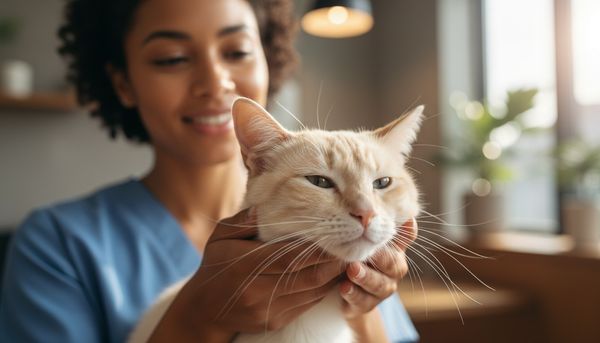
For many pet owners in Ireland, a trip to the local vet can feel like a daunting task, filled with anxious whines or frantic attempts to hide in the car. While we often focus on a vet's medical expertise or bedside manner with us, the physical interaction they have with our animals is what truly defines the experience for the pet. This is where low-stress veterinary handling becomes essential. By choosing a clinic that prioritises modern, science-based handling techniques, you ensure that your pet remains calm, cooperative, and healthy in the long run. In this guide, we will explore exactly how to screen an Irish veterinary practice to ensure they are using the best possible protocols for your dog or cat.
The Waiting Room: More Than Just a Seating Area
The low-stress experience begins the moment you walk through the door of an Irish clinic. A traditional, cramped waiting room where a nervous Jack Russell is face-to-face with a stressed tabby is a recipe for disaster. When screening a new vet, look for physical environmental cues designed to lower cortisol levels. Many modern practices in Dublin and Cork now offer separate waiting areas for cats and dogs, or at least visual barriers such as high-backed seating or frosted glass partitions.
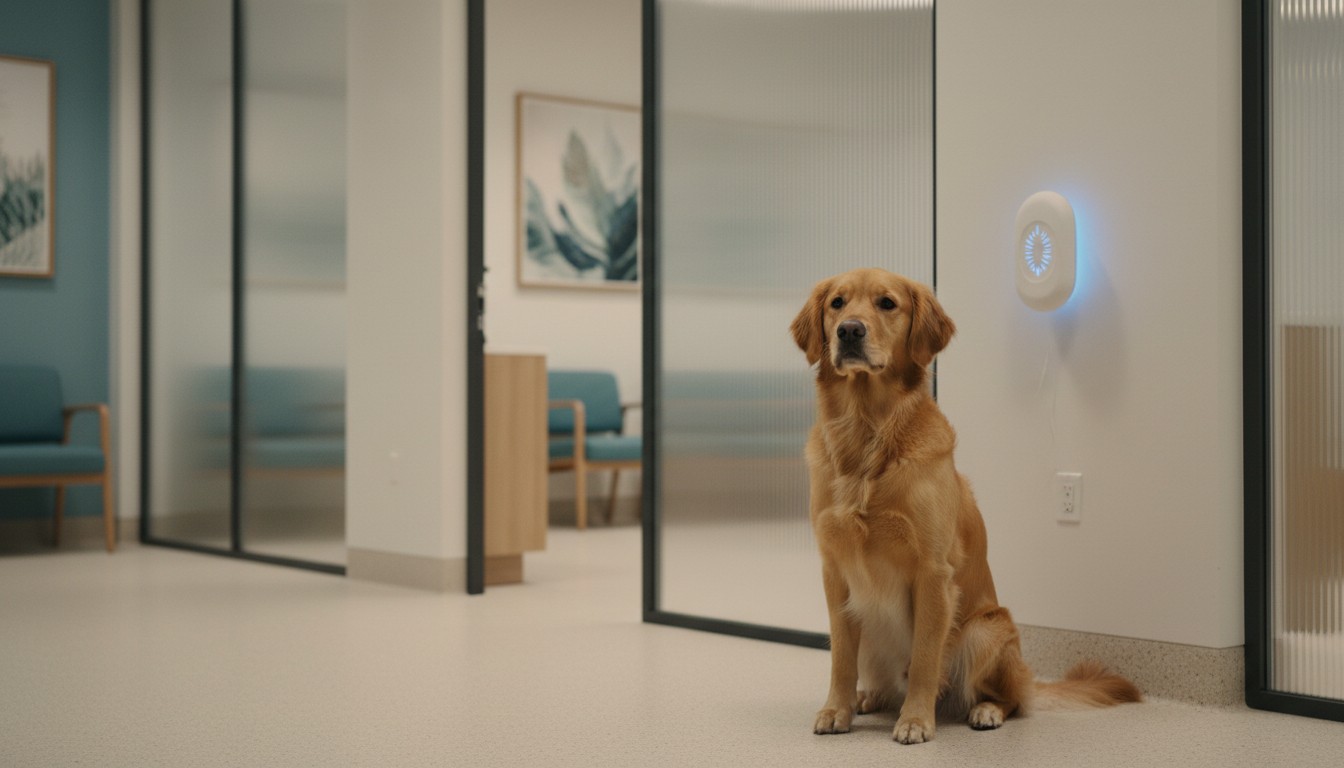
Beyond layout, observe the sensory environment. Are there pheromone diffusers (like Feliway for cats or Adaptil for dogs) plugged into the walls? These synthetic signals mimic natural calming chemicals and can significantly reduce 'waiting room jitters'. Furthermore, look for 'cat parking' stations—raised platforms where you can place a carrier so your cat isn't vulnerable on the floor. A clinic that understands a pet's perspective will strive for a quiet, calm atmosphere, avoiding loud radios or heavy foot traffic near the waiting zones.
Handling Techniques and the 'Treat' Economy
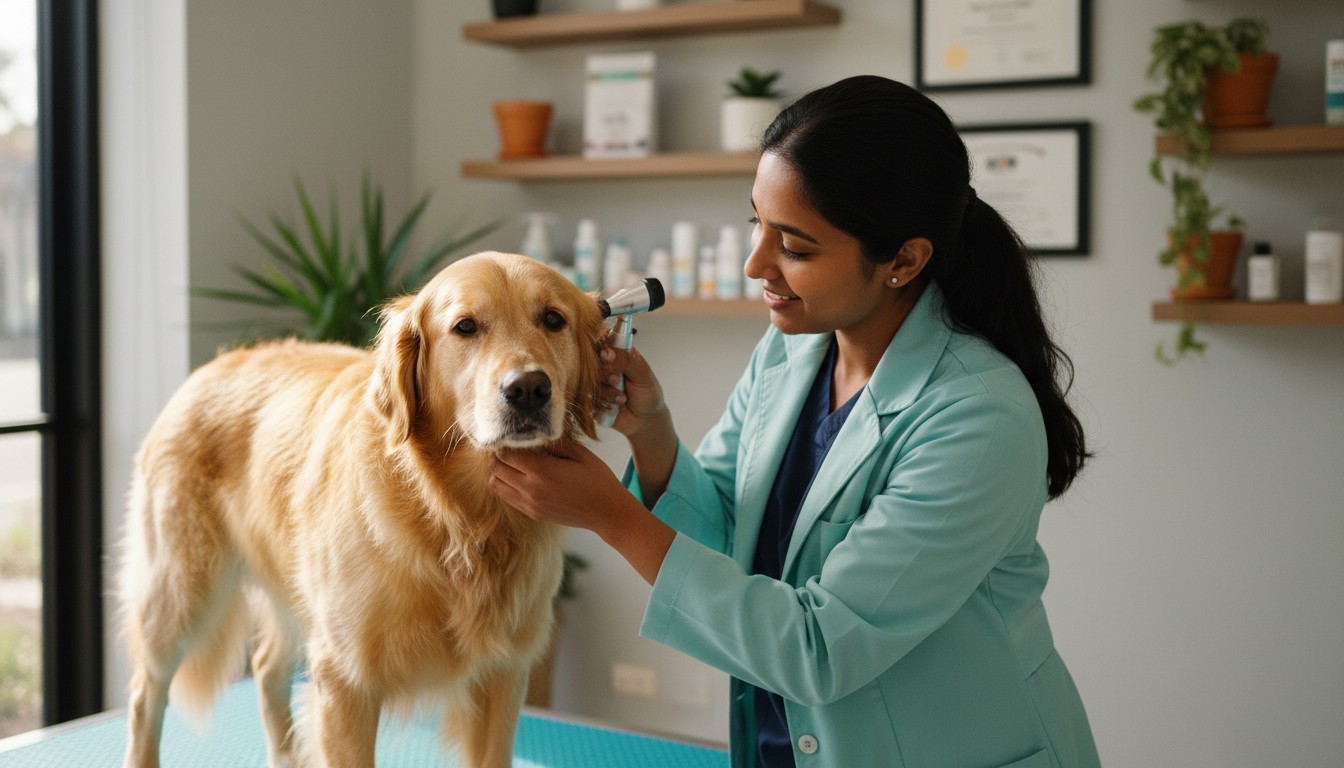
Once in the consulting room, pay close attention to how the vet and vet nurse approach your pet. Low-stress veterinary handling dictates that the exam should happen where the pet is most comfortable. If your large Golden Retriever is terrified of the slippery metal table, a low-stress vet will happily get down on the floor to perform the check-up. They should use non-slip mats on all surfaces to provide the animal with secure footing, which prevents the 'ice-skating' panic many pets feel on clinical stainless steel.
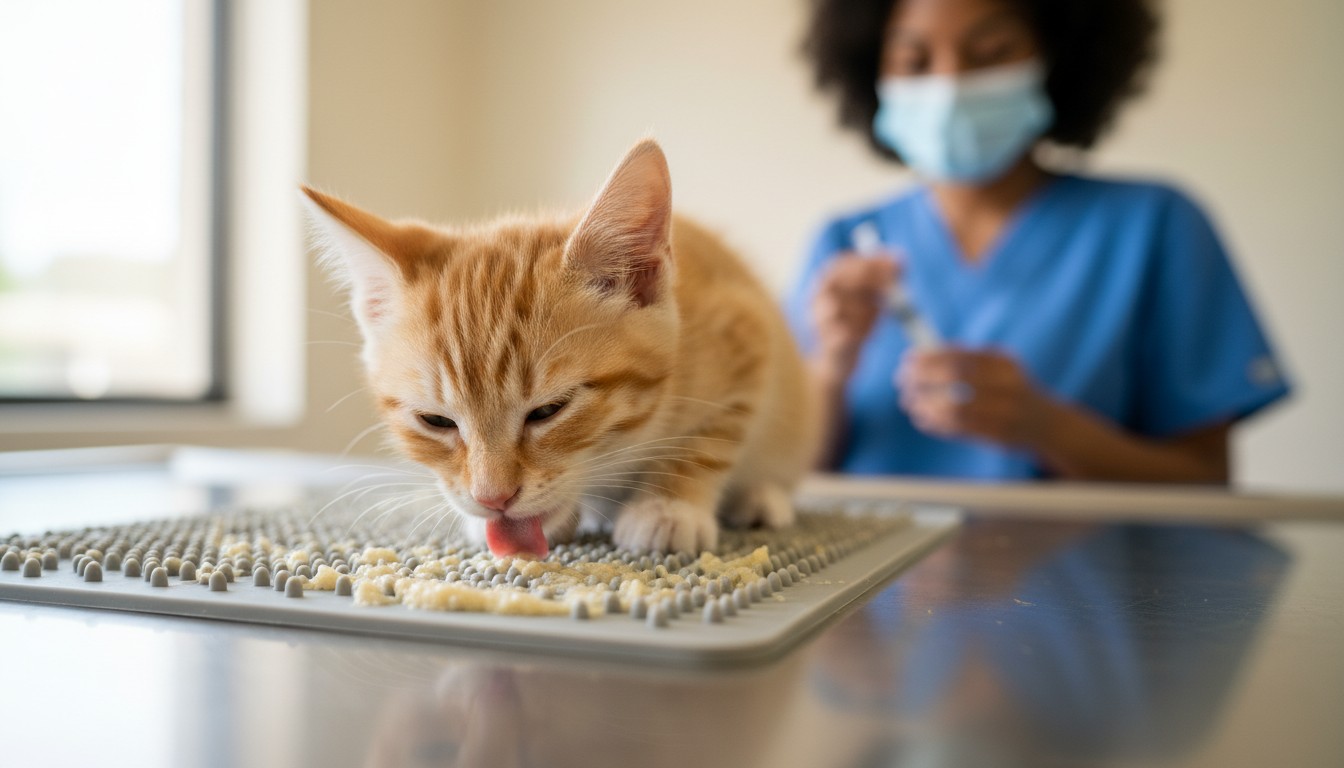
Treats should be used liberally, provided there isn't a medical reason to fast. In Ireland, many clinics use high-value rewards like 'lick-mats' covered in peanut butter (Xylitol-free) or squeezable meat treats. This is known as 'distraction' or 'counter-conditioning'. If the vet is performing a vaccination while your dog is busy licking a treat, the dog barely registers the prick. This builds a positive association with the clinic. If a vet discourages treats or insists on 'muscling through' a procedure without a treat-based distraction, it is a sign they are using outdated, high-stress methods.
The Pace of the Appointment and Consent
One of the most critical indicators of a fear-reduction protocol is the pace of the interaction. A low-stress vet does not rush. They allow the pet to sniff the room and the equipment before beginning. This 'consent-based handling' means the vet reads the animal's body language—ears pinned back, tucked tail, or lip licking—and pauses if the pet shows signs of escalating fear. In a busy Irish practice, time is money, but a quality vet knows that taking five extra minutes today saves hours of struggle in future visits.
Ask the clinic if they support 'Happy Visits' or 'Social Visits'. These are short, 5-minute appointments where your pet comes in, gets a treat and a pat from the staff, and leaves without anything 'scary' happening. These visits are common in progressive clinics across Ireland and are vital for puppies and rescue dogs. If a clinic refuses to accommodate a slower pace or doesn't recognise subtle signs of distress, they are likely prioritising efficiency over the emotional welfare of the animal.
Recognising Professional Low-Stress Certifications
While any vet can claim to be 'gentle', specific certifications provide a standard of proof. In the international veterinary community, 'Fear Free' and 'Low Stress Handling' (developed by the late Dr. Sophia Yin) are the gold standards. When searching for a vet in Ireland, check their website or clinic wall for these credentials. These programmes require staff to undergo rigorous training in animal behaviour, body language, and pharmacological interventions for anxiety.
Additionally, look for the 'Cat Friendly Clinic' accreditation from the International Society of Feline Medicine (ISFM). This is widely recognised by the Veterinary Council of Ireland and ensures the practice meets strict criteria regarding feline handling and facilities. Even if the clinic doesn't have a formal badge, the staff should be able to explain their philosophy on sedation. A low-stress vet will often recommend a mild oral sedative to be given at home before a visit if they know a pet is extremely fearful, rather than 'manhandling' a panicked animal, which can lead to long-term trauma.

Troubleshooting: When the Protocol Fails
Even in the best clinics, things can go wrong. Perhaps your pet is particularly sensitive, or a specific procedure is inherently uncomfortable. The key is how the staff reacts when a pet hits their limit. If you see the use of 'scruffing' (grabbing a cat by the neck skin) or 'pinning' a dog down to the floor, this is a major red flag. Modern science shows these techniques increase fear and can lead to defensive aggression.
If your pet is showing extreme distress—excessive panting, trembling, or attempting to bite—the vet should suggest stopping the appointment and rescheduling with a pharmaceutical plan or a different approach. You should never feel pressured to hold your pet down while they are screaming or struggling. If you feel your concerns are being dismissed with phrases like 'he’s just being dramatic' or 'we just need to get this done', it is time to seek a second opinion. A professional who respects low-stress protocols will always prioritise the pet's long-term mental health over finishing a nail trim.
FAQ
What is 'Fear Free' veterinary care?
Fear Free is a certification programme for veterinary professionals that focuses on reducing fear, anxiety, and stress (FAS) in pets. It involves using specialized handling techniques, environmental adjustments, and sometimes calming medications to ensure the pet has a positive experience.
Is it okay to give my pet a sedative before a vet visit?
Yes, under veterinary supervision. Low-stress vets often prescribe 'pre-visit pharmaceuticals' (PVPs) to take the edge off a pet's anxiety, making the visit safer and more pleasant for everyone involved. This is a compassionate tool, not a 'cop-out'.
How do I find a low-stress vet in Ireland?
Search the 'Fear Free' professional directory or look for 'Cat Friendly Clinic' status on the ISFM website. Alternatively, call local Irish clinics and ask specifically about their handling protocols and if they allow 'Happy Visits' for new patients.
Conclusion
Choosing a vet who utilizes low-stress veterinary handling is one of the most impactful decisions you can make for your pet's lifelong health. By moving away from traditional, forceful methods and embracing a culture of consent and rewards, we prevent the 'vet-phobia' that often keeps owners from seeking necessary care. Remember to look for separate waiting areas, the use of treats, and a willingness to stop a procedure if your pet becomes overwhelmed. If you are ever in doubt, trust your instincts as an owner. Your pet relies on you to be their advocate. For complex behavioural issues or extreme phobias, always consult with a certified clinical animal behaviourist alongside your low-stress veterinary team to develop a comprehensive care plan.
References & Sources
This article was researched using the following sources:


