














Every pet owner in Ireland knows the standard advice: mix the old food with the new over seven days. It sounds simple until you hit day four, and your dog’s digestion goes completely haywire. Whether you are shopping at Petmania or ordering premium Irish kibble online, troubleshooting food transitions is a skill that goes beyond the basic 25/50/75 rule. When the standard timeline stalls, leaving your pup with persistent diarrhoea or a refusal to eat, you need a more nuanced strategy. This guide explores the biological 'stall,' the 50% plateau, and the precise steps required to reset your dog's gut health. We will look at why some transitions require three weeks rather than one and how to tell if the new ingredients are simply incompatible with your dog's unique microbiome.
The Science of the 'Stall': Why Seven Days Often Isn't Enough
The seven-day transition rule is a marketing standard, not a biological one. In reality, the canine gut microbiome—a complex ecosystem of bacteria, fungi, and viruses—needs time to shift its enzymatic production to handle new proteins and fibres. When you perform a switch, you aren't just changing a flavour; you are asking the pancreas and the intestines to recalibrate. For many Irish breeds, particularly those with sensitive constitutions like the Soft Coated Wheaten Terrier or the Irish Setter, this recalibration can take much longer than a week.
A 'stalled' transition usually happens at the 50/50 mark. This is the tipping point where the concentration of new ingredients becomes significant enough to overwhelm the existing gut flora. If the new food contains a higher fat content or a different fibre source (such as switching from maize to sweet potato), the 'good' bacteria can be crowded out by opportunistic species that thrive on undigested nutrients. This lead to gas, bloating, and the dreaded loose stools. Understanding that your dog's internal chemistry is essentially a living laboratory helps reframe a stall as a biological delay rather than a failure of the food itself.
The 50% Plateau: Identifying Diarrhoea vs. Temporary Softness
When troubleshooting food transitions, it is vital to distinguish between a minor digestive 'hiccup' and a genuine intolerance. During the middle of a switch, it is common to see 'soft-serve' consistency stools. If your dog is otherwise energetic, hydrated, and happy to eat, this is typically just a sign to slow down. However, if you see liquid diarrhoea, mucus, or blood, the transition has officially stalled. In these cases, 'pushing through' is the worst thing you can do.
At the 50% mark, the gut is under maximum pressure. If the stool quality deteriorates here, it suggests one of two things: the ratio is changing too quickly for the mucosal lining to adapt, or there is an ingredient mismatch. In Ireland, many popular brands like Connolly's Red Mills or Burns provide excellent nutrition, but a dog moving from a grain-heavy diet to a high-protein, grain-free option may experience an osmotic shift in the bowels. This pulls water into the colon, causing the stall. You must assess if the dog is simply 'acclimatising' or if they are genuinely reacting to a specific allergen like chicken or beef.

The 'Reset' Protocol: Using a Bland Diet to Calm the Gut
If the transition has completely failed and your dog has significant digestive upset, you must initiate the 'Reset' protocol. This involves stopping all kibble for 24 to 48 hours and moving to a bland, highly digestible diet. In Ireland, the traditional 'chicken and rice' is common, but for a more robust reset, consider boiled white fish (like cod or whiting available at local fishmongers) and plain mashed potatoes or pumpkin.
Feed small, frequent meals of this bland mixture—roughly 100g to 150g at a time depending on the dog's size—until the stools return to a firm consistency. This allows the intestinal villi to heal from inflammation. Once the 'all clear' is given by a firm stool, do not jump back to the 50/50 mix. Instead, start by adding just 10% of the new food into the bland diet. This 'micro-transition' acts as a safety net, ensuring the gut isn't shocked twice. It might take an extra 5-7 days, but it prevents the chronic inflammation that leads to long-term dietary sensitivity.
The 21-Day Micro-Transition Schedule
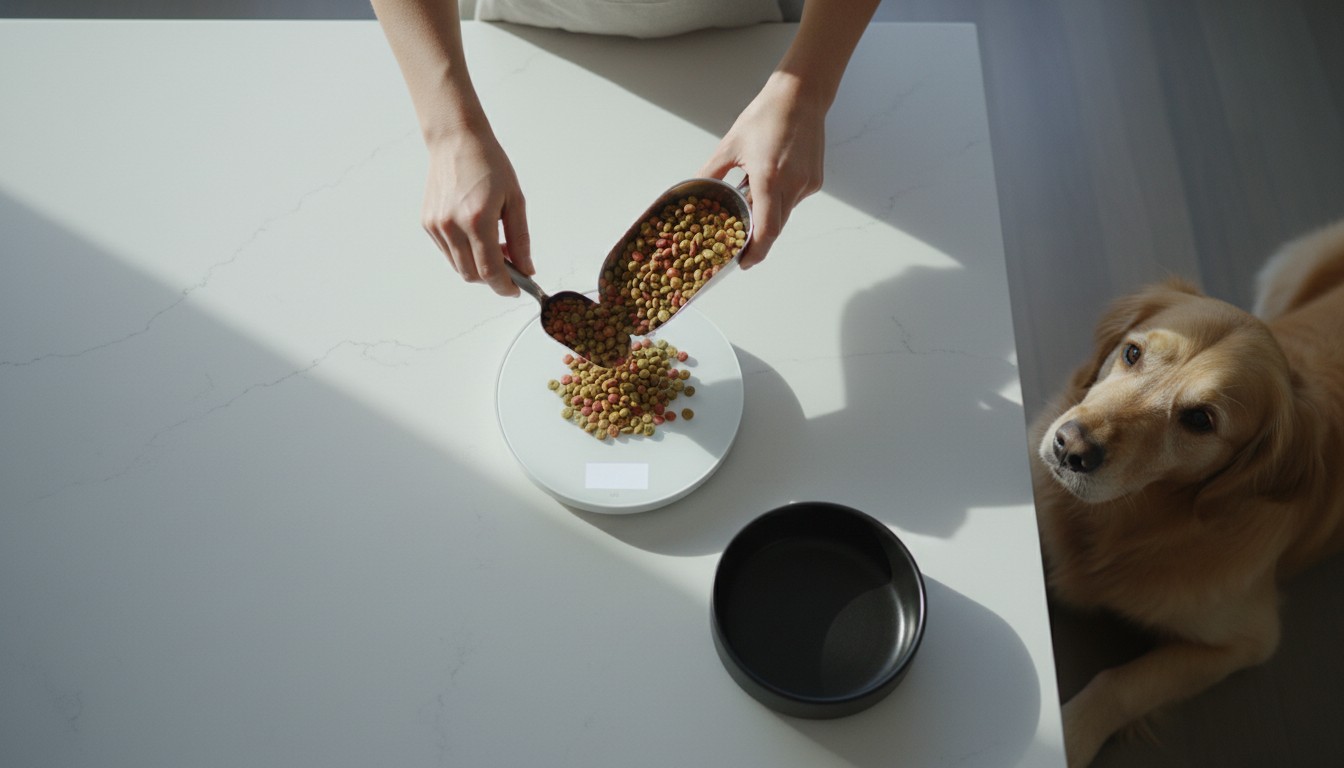
When the 7-day rule fails, the 21-day micro-transition is the gold standard for troubleshooting food transitions. This schedule is particularly effective for dogs with 'IBS-like' symptoms or those moving between radically different formulations (e.g., from dry kibble to raw or cold-pressed food). By spreading the change over three weeks, you provide the microbiome with the necessary window to evolve.
The 21-Day Breakdown:
- Days 1-5: 90% old food, 10% new food.
- Days 6-10: 75% old food, 25% new food.
- Days 11-15: 50% old food, 50% new food (The Critical Phase).
- Days 16-20: 25% old food, 75% new food.
- Day 21: 100% new food.
During this extended period, many owners find it helpful to add a high-quality probiotic, such as YuMOVE or a vet-recommended brand like Pro-Kolin, to the meal. These supplements introduce beneficial bacteria directly, which can help bridge the gap during the transition. If the stool softens at any stage, simply drop back to the previous ratio for three more days until it firms up again.
Identifying Ingredient Incompatibility and Allergic Triggers
Sometimes, no amount of slow mixing will work. If you have followed a 21-day schedule and the dog still has gas, itchy skin, or chronic loose stools, you are likely dealing with an ingredient incompatibility. In the Irish market, common triggers include wheat, maize, and specific animal proteins like beef or chicken. Even high-quality foods can be the wrong 'fit' for a specific dog's biology.
Look for 'hidden' ingredients. For example, a food might be marketed as 'Lamb-based' but contain 'poultry fat' or 'fish meal' lower down the list. If your dog has a known sensitivity to chicken, that small amount of poultry fat could be the reason for the stalled transition. If you suspect an allergy, consult your vet about an elimination diet or a hydrolysed protein food. This is a medicalised version of the reset where the protein molecules are broken down so small that the immune system doesn't recognise them as threats, allowing the gut to finally settle.
When to Consult an Irish Vet
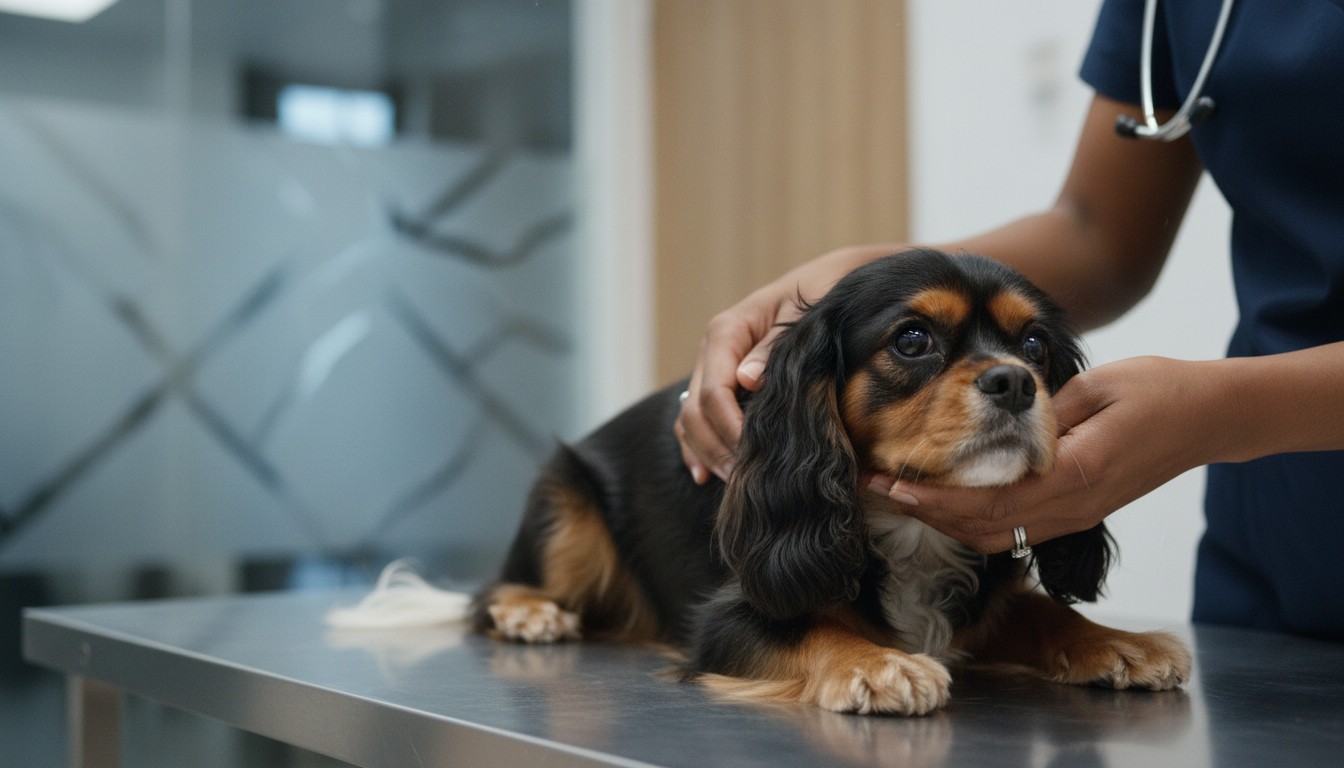
While most food transition issues can be handled at home with patience, there are 'Red Flag' moments where professional intervention is required. If your dog experiences vomiting alongside diarrhoea, this could indicate a more serious condition like pancreatitis or a bacterial infection (like Salmonella or Campylobacter), which are occasionally seen in raw-fed dogs if hygiene isn't perfect.
In Ireland, your local vet can perform a quick faecal test to rule out parasites like Giardia, which often mimic the symptoms of a failed food switch. If your dog becomes lethargic, loses their appetite entirely (anorexia), or if you see significant amounts of bright red blood or black, tarry stools, seek emergency care. In major cities like Dublin, Cork, or Galway, many clinics offer 24-hour emergency services. Do not wait more than 48 hours if a puppy is having watery diarrhoea, as they can dehydrate rapidly. A vet may prescribe a short course of gastrointestinal support medication or a prescription diet to get the transition back on track.
FAQ
My dog has diarrhea at the 50% mark, should I stop the new food?
Not necessarily. If the diarrhea is mild, drop back to the 75% old / 25% new ratio for three days. If it is severe or contains blood, stop the new food immediately and use a bland diet (fish and rice) to reset the gut before trying again much more slowly.
Can I use probiotics to help a stalled food transition?
Yes, probiotics are highly effective for troubleshooting food transitions. They provide the gut with beneficial bacteria that help digest new ingredients. Start the probiotics three days before the transition begins and continue for the duration of the switch.
How do I know if the new food is actually making my dog sick?
If the dog shows signs of 'allergic' reactions like itchy skin, ear infections, or constant gas even after three weeks of a slow transition, the food is likely a mismatch. Genuine illness usually presents with vomiting or lethargy, which requires a vet visit.
What is the best bland diet for a dog in Ireland?
A combination of boiled white fish (cod or haddock) and plain white rice or mashed potatoes (no butter or salt) is ideal. These ingredients are very low in fat and easy for the Irish dog's digestive system to process during a reset.
Conclusion
Troubleshooting food transitions requires a shift in mindset from following a rigid calendar to observing your dog's specific biological responses. While the 7-day rule works for many, the 'stalled' transition is a common reality that demands a slower, more deliberate approach. By utilizing the 'Reset' protocol, implementing a 21-day micro-transition, and monitoring for ingredient sensitivities, you can successfully navigate even the most sensitive digestive systems. Remember, the goal is long-term gut health, not a fast switch. If you encounter persistent issues, blood in the stool, or signs of dehydration, always consult your local Irish vet to ensure there isn't an underlying medical condition. With patience and the right strategy, you can find the perfect nutritional balance for your canine companion.
References & Sources
This article was researched using the following sources:

