














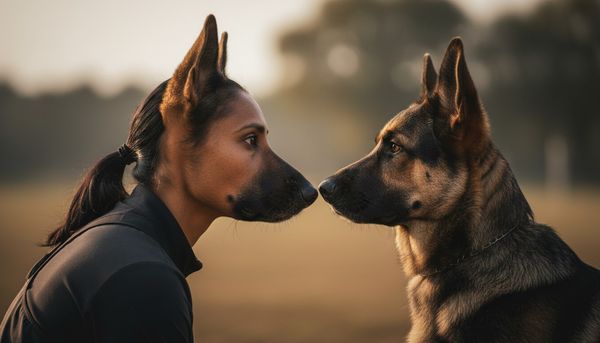
When we embark on a training journey with our companions, we often focus on the outcome—the perfect 'stay' or a reliable 'recall'. However, the foundation of this communication lies in pet training cues, specifically the intricate process of cue selection and discrimination. It is not merely about the words we choose, but how our pets perceive them within their own sensory architecture. In Ireland, whether you are training a pup in St. Anne's Park or a cat in a Galway terrace, understanding how linguistic and visual inputs are processed is the key to clear, frustration-free communication. Most training failures are not due to a 'stubborn' animal, but rather a lack of clarity in the signals we provide.
The Science of Salience: Why Visual Signals Win
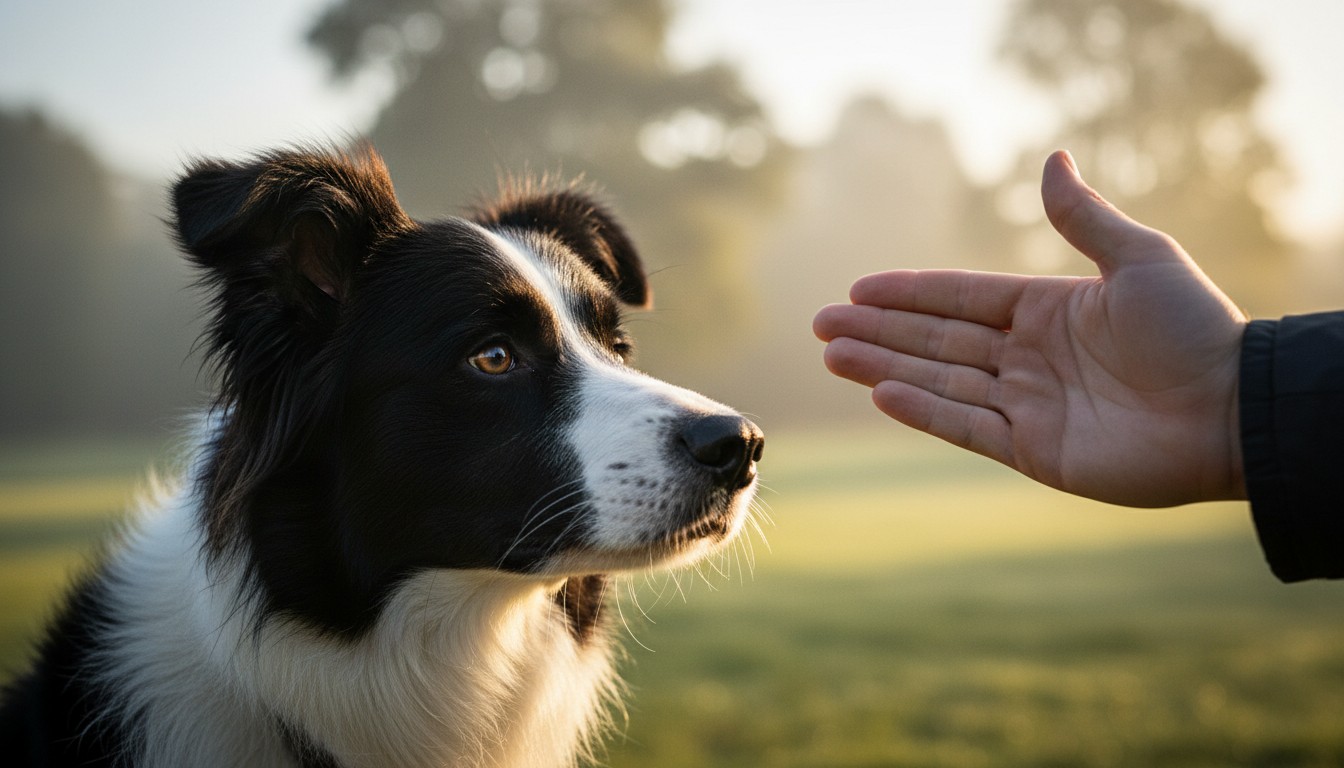
In the world of pet training cues, not all signals are created equal. Biological research suggests that dogs, in particular, are naturally more attuned to body language than vocalisation. This is known as the hierarchy of salience. When a trainer provides both a verbal command and a hand gesture simultaneously, the animal almost always prioritises the visual signal. This can lead to 'overshadowing', where the pet never actually learns the word because the hand gesture is so much more prominent.
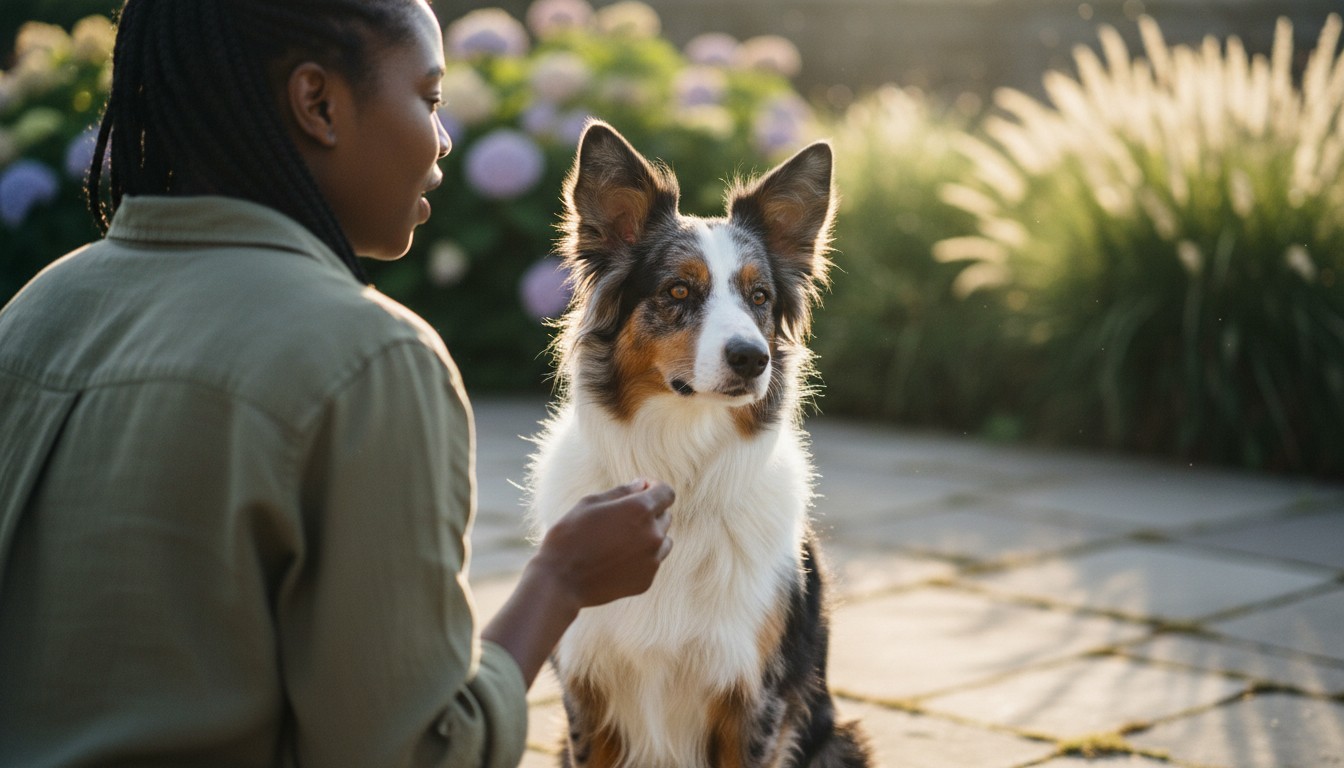
In an Irish home setting, you might notice your dog sits perfectly when you have a treat in your hand and move it over their head, but they look puzzled when you simply say 'Sit' from across the room. To build a robust response, we must understand that visual signals are processed faster by the canine brain. When introducing a new behaviour, start with the physical prompt, then gradually fade it out to let the verbal cue take center stage. This ensures the pet isn't just following your hand like a magnet but is actually discriminating between different modes of communication.
Building Your Verbal Library: Phonetic Distinctness
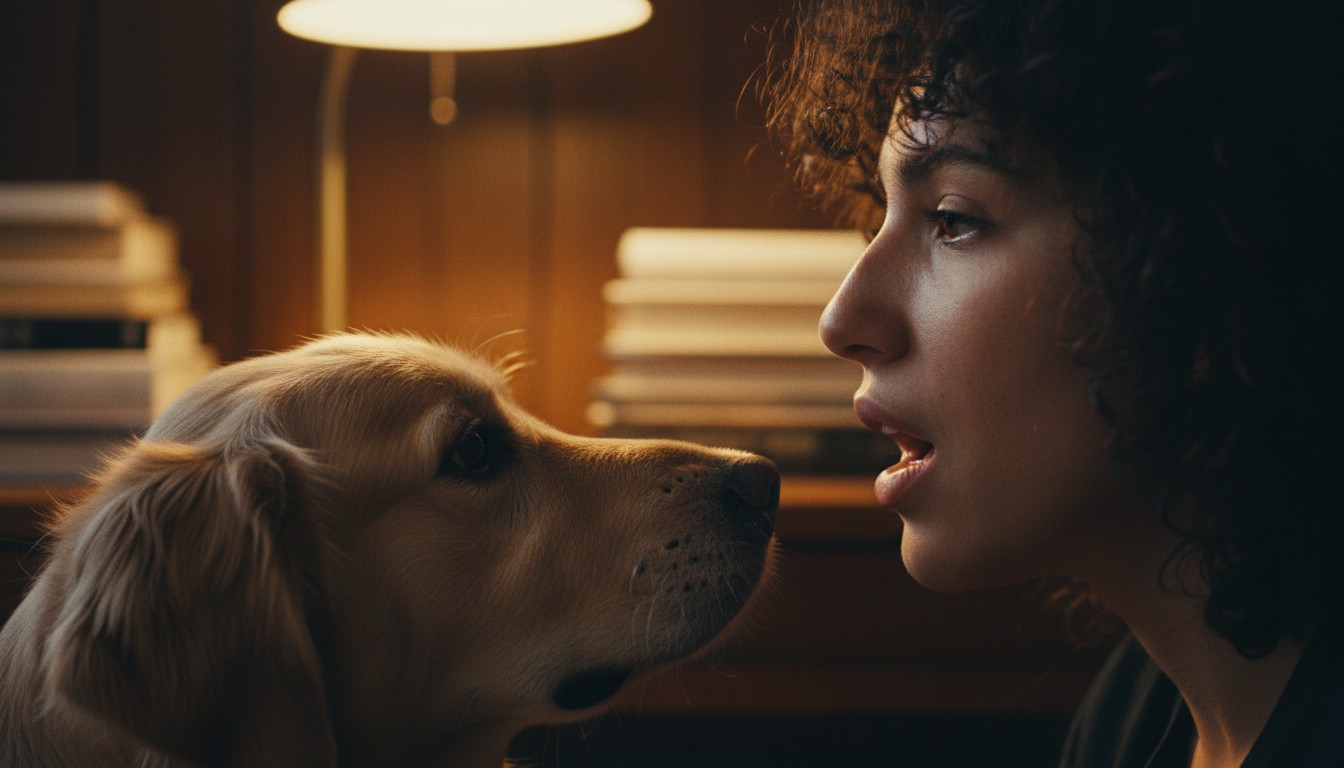
Choosing the right words for your pet training cues is akin to designing a user interface; the buttons need to look and feel different to avoid errors. Pets do not understand English syntax; they recognise phonetic patterns. A common mistake among Irish pet owners is choosing words that sound remarkably similar. For instance, 'Walkies' and 'Cookies' or 'No' and 'Go' share similar vowel sounds and cadences. From a distance or in a noisy environment like a busy high street, these words become a muddled mess of 'O' sounds.
To ensure high discrimination, choose words with hard consonants and varying syllable counts. Instead of 'Down' (which can sound like 'Sit' to some dogs if spoken sharply), try 'Floor' or 'Lie'. Instead of 'Stay', which is often hissed, try 'Wait' or 'Wait There'. When selecting your library, say the words aloud while standing a few metres away from a family member. If they find it hard to distinguish between them, your pet certainly will too. Consistency is the final pillar; ensure everyone in the household—from the kids to the grandparents—uses the exact same lexicon.
Overcoming Learned Irrelevance and Cue Poisoning
Two major hurdles in the linguistic architecture of training are learned irrelevance and cue poisoning. Learned irrelevance occurs when a cue is repeated so often without consequence that the pet treats it like background noise—much like the sound of a distant tractor in the countryside. If you say 'Come, come, come' while your dog is busy sniffing a patch of gorse, they learn that 'Come' is optional. To fix this, you must only give a cue once. If the pet doesn't respond, you have a motivation or distraction issue, not a hearing one.
Cue poisoning is more severe. This happens when a cue is associated with a negative outcome. If you only call your cat 'Here' to put them in a carrier for a trip to the vet, or call your dog 'Inside' to end their fun in the garden, the cue itself becomes a warning of something unpleasant. To 'clean up' a poisoned cue, it is often easier to discard the word entirely and start fresh with a new one. For example, if 'Recall' is poisoned, switch to 'Touch' or 'Here' and pair it with high-value rewards like pieces of Irish cheddar or boiled chicken.
Discrimination Drills: Testing True Understanding
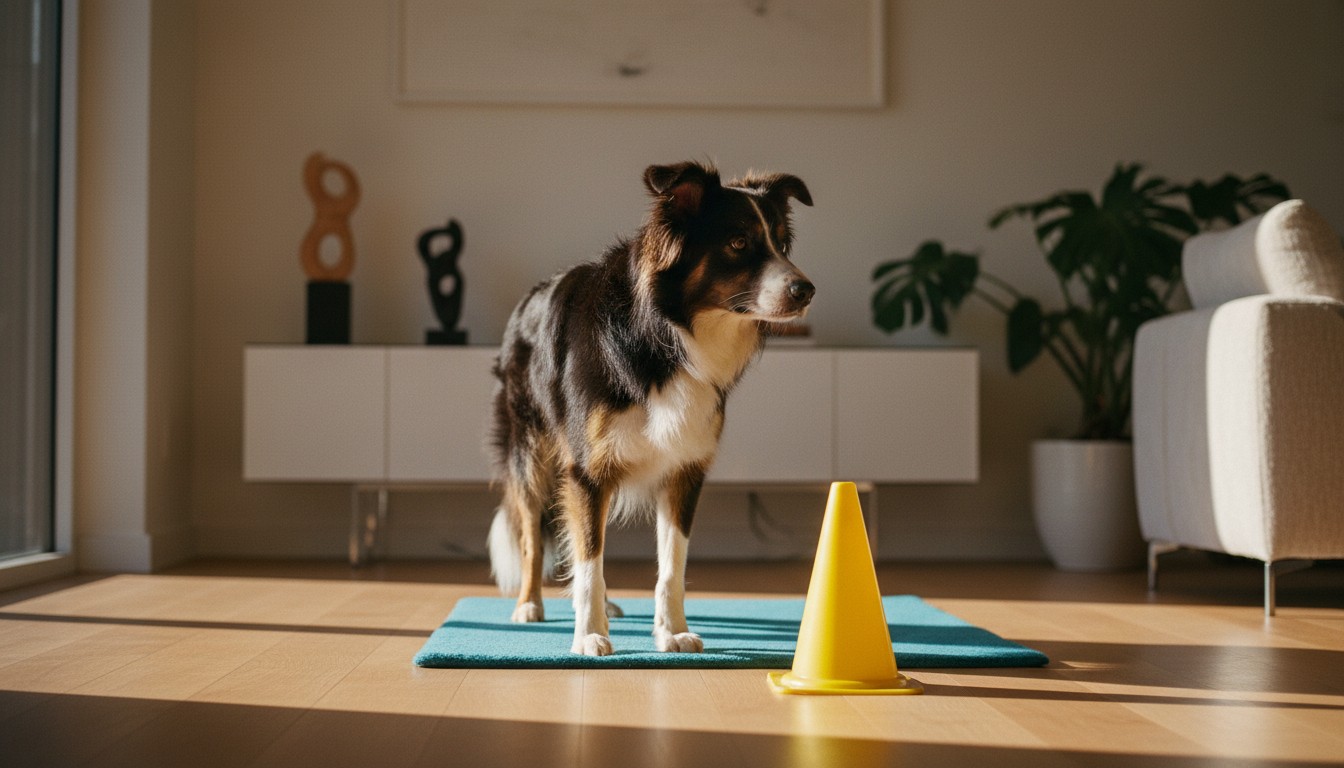
How do you know if your pet truly understands a cue or is just guessing based on the context? Discrimination drills are the gold standard for testing this. Start by asking for two very different behaviours in a low-distraction environment. For example, ask for a 'Sit' followed by a 'Spin'. If the pet performs the correct action three times in a row, they are likely discriminating. However, many pets rely on 'contextual cues'—they sit because you are standing in front of the cupboard where the treats are kept, not because you said the word.
To advance these drills, try changing your own body position. Can your pet 'Lie Down' if you are sitting on the sofa? Can they 'Wait' if you are facing away from them? This process, known as generalisation, is vital for pets in Ireland who need to be well-behaved in various settings, from a rainy walk on a pier to a crowded café in Cork. True discrimination means the pet responds to the cue regardless of the surrounding environment or your physical posture. If they fail when you change one variable, go back a step and reinforce the basics.

Troubleshooting: When the Signal Gets Lost
If your training has hit a plateau, it is time to audit your signals. First, check for 'leaking' body language. Are you leaning forward slightly before you say 'Down'? Your pet might be reacting to the lean rather than the word. Second, consider the 'Lump vs. Split' theory. If you are asking for a complex behaviour, you might be 'lumping' too many criteria together. 'Split' the task into smaller, distinct cues that are easier for the pet to discriminate.
Another common issue is the 'Double Cue'. This is when you use two signals at once without meaning to, such as nodding your head while saying 'Yes'. The pet may become dependent on both signals. To fix this, record a training session on your phone. Watch it back to see if your hands are moving while you speak. If you see accidental signals, work on keeping your body neutral until the verbal cue is delivered. If your pet appears stressed, yawning, or looking away, they may be confused by conflicting signals. In such cases, take a break and simplify the session. If progress remains stalled after several weeks of adjustment, consulting a certified behaviourist in your local area is recommended.
FAQ
Can I use Irish language words for my pet's cues?
Absolutely. In fact, using Irish (Gaeilge) words like 'Suigh' (Sit) or 'Fan' (Stay) can be very effective because they are phonetically distinct from the English words your pet might hear in everyday conversation, reducing the risk of accidental triggers.
Why does my dog ignore me when I call from the back of the garden?
This is often due to a lack of 'cue salience' at a distance. Sounds dissipate and visual cues become smaller. You may need to retrain the 'Recall' cue specifically at increasing distances, ensuring the reward is significantly higher to compete with the distractions of the garden.
My pet only listens when I have a treat. What should I do?
This indicates the treat has become part of the cue itself (a bribe) rather than a reward. To fix this, keep treats in a pouch or on a nearby table. Give the cue first, wait for the behaviour, then reach for the reward. This clarifies that the verbal or visual cue is the trigger.
Conclusion
Mastering pet training cues is about more than just obedience; it is about building a shared language that respects the cognitive abilities of our animals. By choosing phonetically distinct words, acknowledging the power of visual signals, and avoiding the pitfalls of cue poisoning, you create a training environment rooted in clarity and trust. Remember that training is an ongoing conversation. Be patient with your pet and yourself as you refine your linguistic architecture. If you find yourself struggling with complex behaviours or if your pet shows signs of significant anxiety, do not hesitate to reach out to a professional trainer or behaviourist. With consistency and the right approach, you'll find that 'stubbornness' was simply a misunderstanding waiting to be cleared up.
References & Sources
This article was researched using the following sources:


