














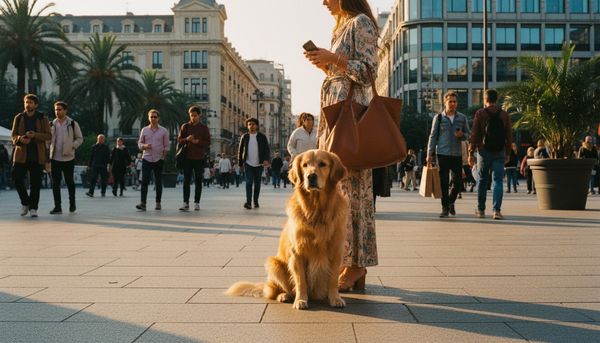
For years, dog owners across Ireland have been told that socialising a puppy means meeting as many people and dogs as possible. However, modern canine science is shifting toward a much more effective concept: socialisation as neutrality. Rather than encouraging your dog to greet every Golden Retriever in Phoenix Park or every passerby on Grafton Street, the goal should be teaching them to exist calmly in these environments. When we prioritise interaction over observation, we often inadvertently create 'frustrated greeters'—dogs that bark and lunge because they expect to play with everything they see. By focusing on socialisation as neutrality, you are teaching your dog the most valuable life skill: the ability to disengage from the world and focus on you.
The Myth of the Social Butterfly
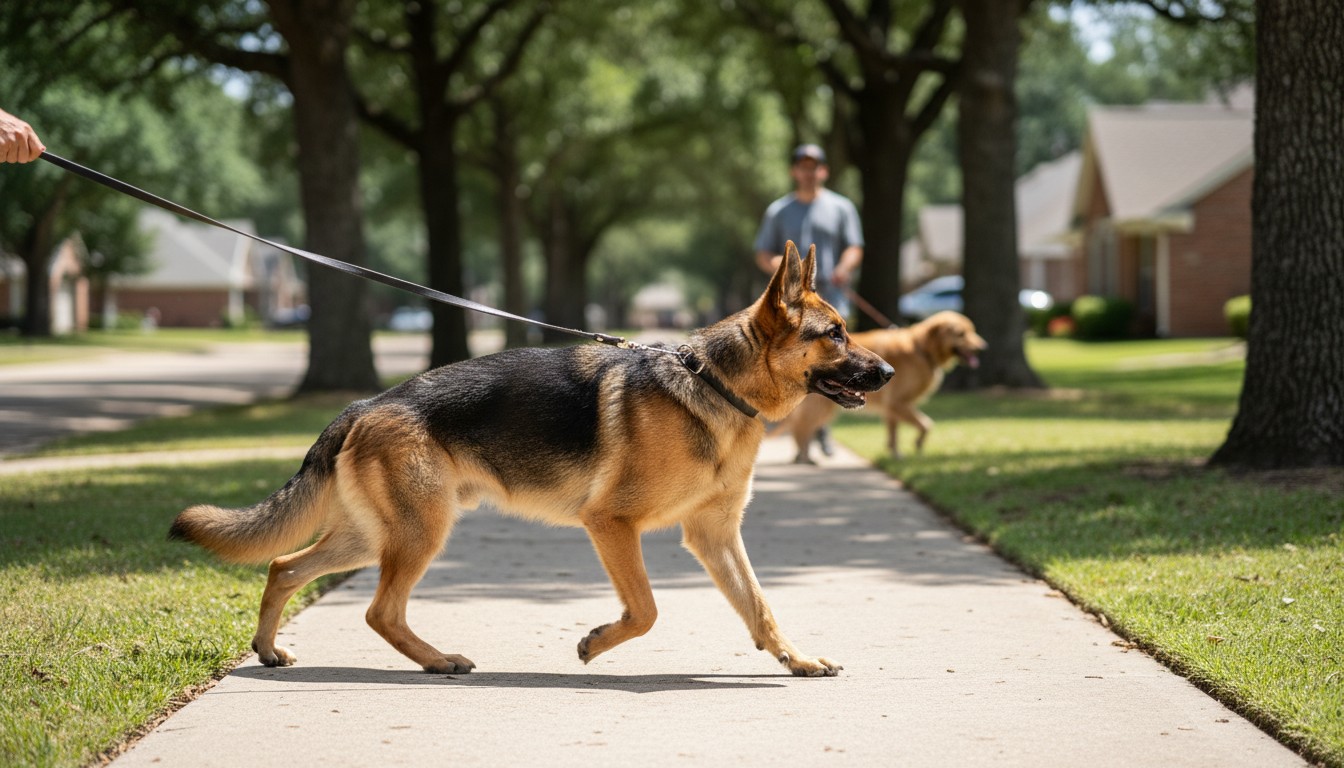
The traditional view of socialisation often leads to over-stimulated dogs. When a puppy is allowed to greet every person and animal they encounter, they develop an expectation that the world is a giant playground. In the context of an Irish town centre or a busy Sunday market, this expectation becomes a problem. If the dog is on a lead and cannot reach the 'distraction,' their excitement turns into frustration, which manifests as barking, pulling, and spinning. This is why socialisation as neutrality is so critical.
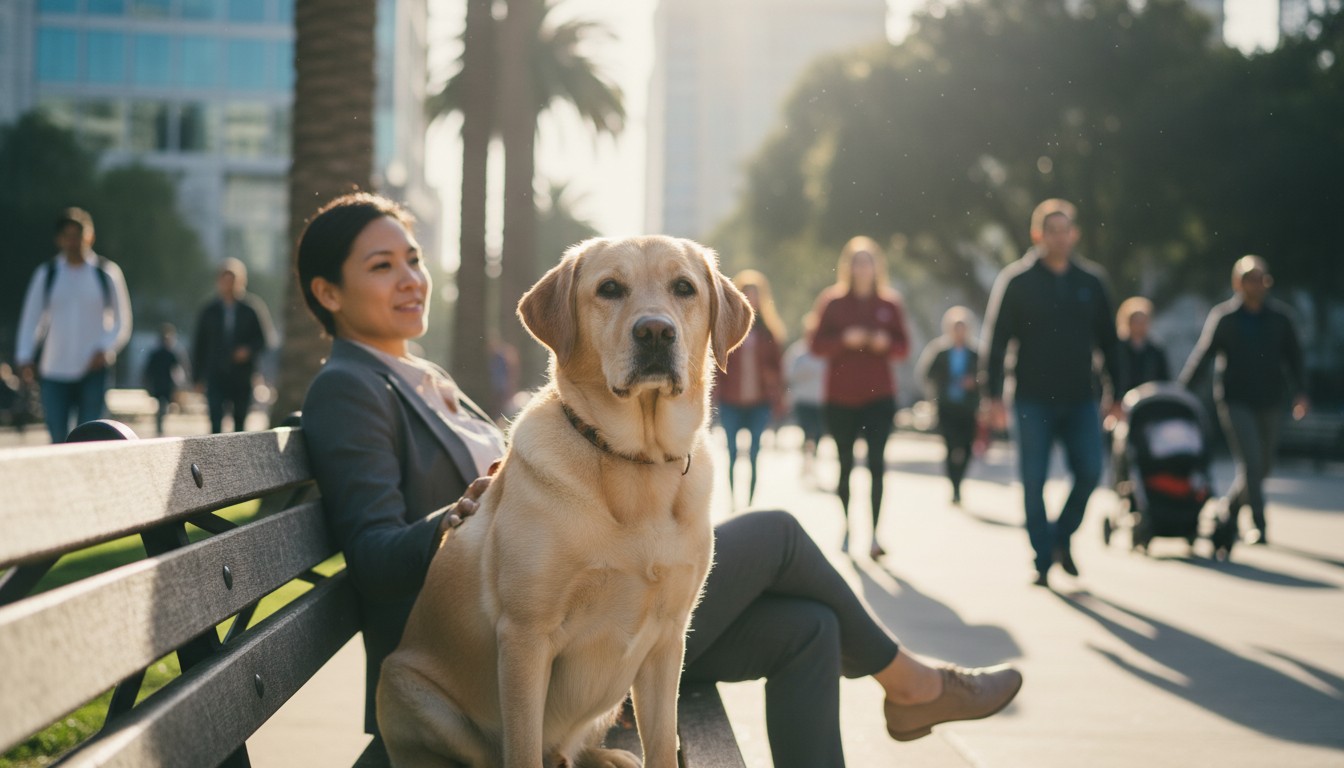
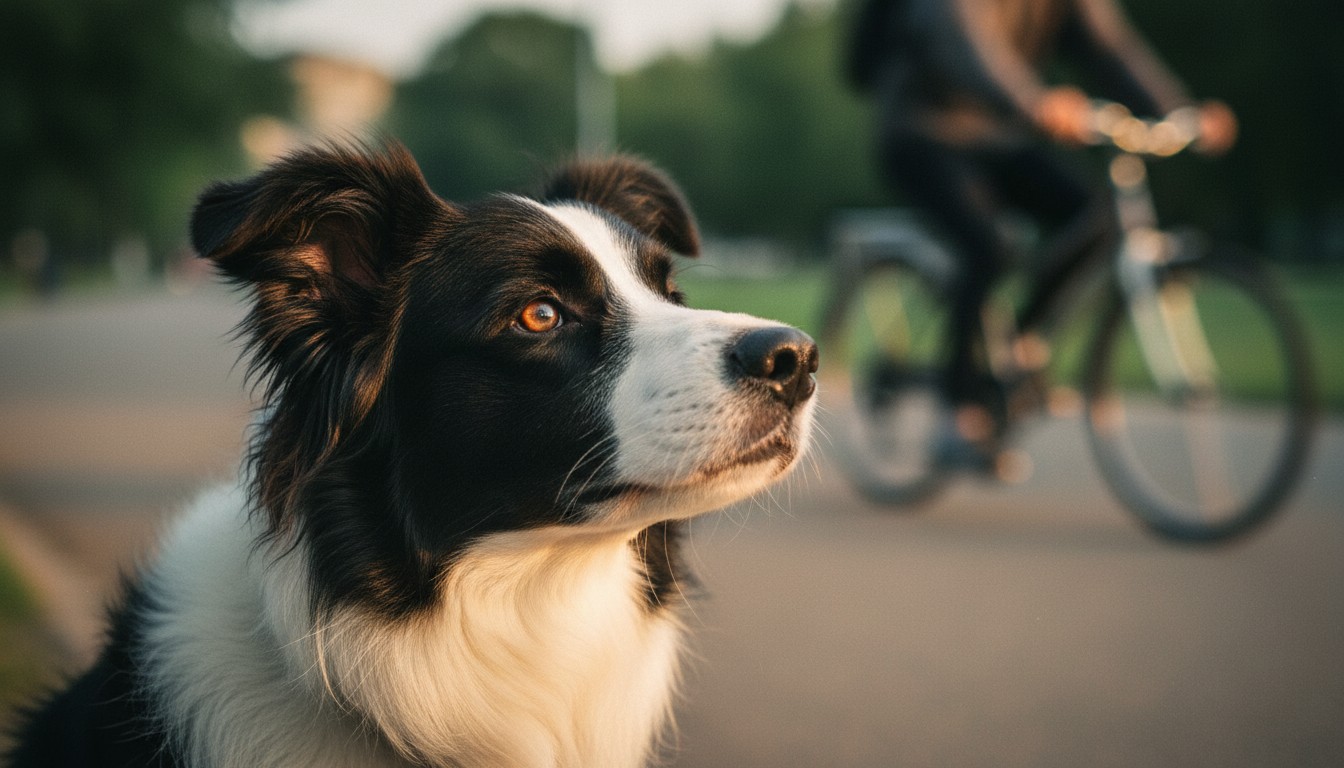
True socialisation is about exposure without interaction. It is about your dog seeing a cyclist, a child on a scooter, or a flock of birds and deciding that these things are not worth their attention. Experts now suggest that 80% of your socialisation outings should involve simply sitting on a bench and watching the world go by. This builds a dog that is 'neutral' to their environment. A neutral dog is a safe, confident, and relaxed companion who can accompany you to a pet-friendly café in Cork or a busy beach in Galway without causing a scene.
The 'Watch and Dismiss' Protocol
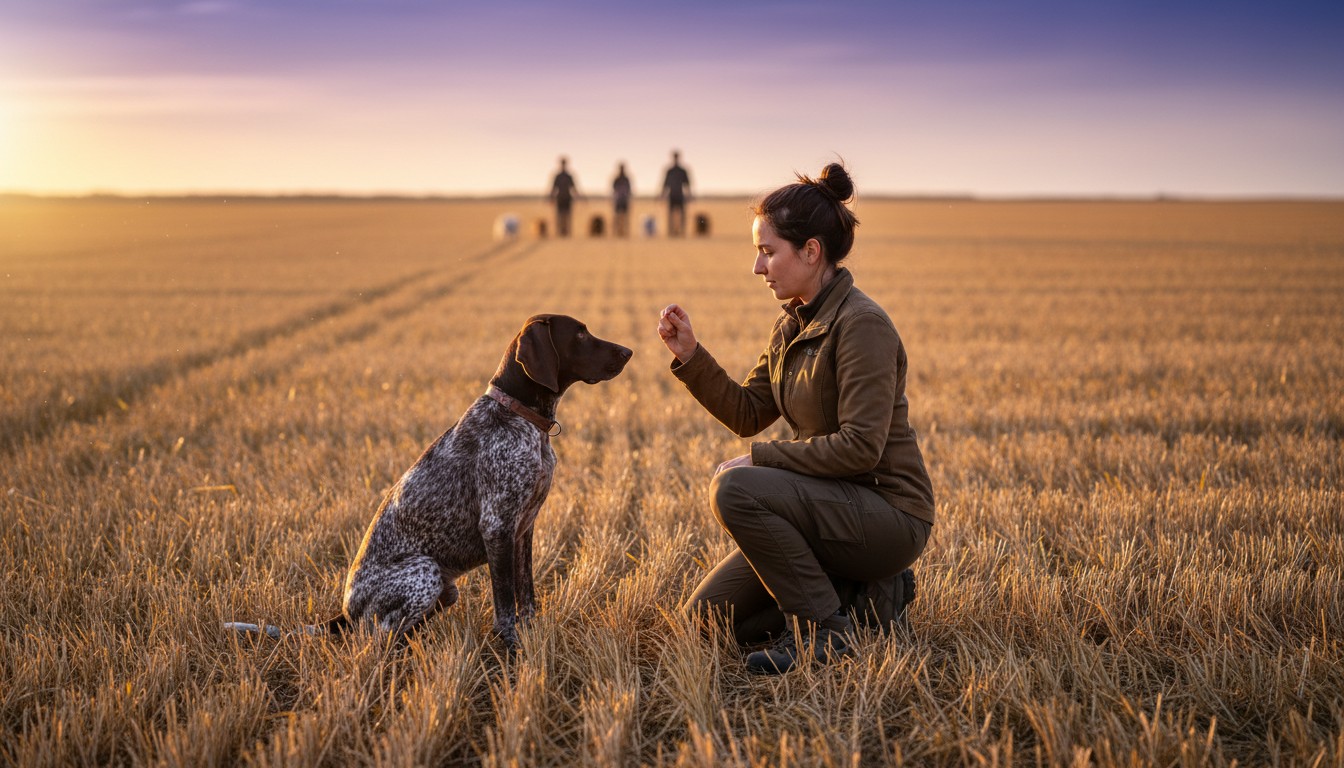
To teach your dog to ignore distractions, you need a systematic approach to rewarding disengagement. This is often called the 'Look at That' (LAT) game or the 'Watch and Dismiss' protocol. Start in a low-distraction environment, like your own garden or a quiet cul-de-sac. When your dog notices something—perhaps a neighbour putting out the bins—wait for the split second they look away from the object and back at you. Immediately mark this with a 'Yes!' or a clicker and provide a high-value treat.
You are essentially paying your dog for choosing to ignore the environment. As they get better at this, you can move to more challenging locations, such as the perimeter of a local GAA pitch during a match. The key is to keep the dog under their 'threshold.' If they are already barking or lunging, you are too close to the distraction. Move back until they can observe without reacting. Over time, the sight of a distraction becomes a cue for the dog to check in with you, rather than a signal to move toward the trigger.
Neutrality in the Irish Context
Ireland offers unique challenges and opportunities for neutrality training. Our weather often means we spend time in hardware stores like Woodie's or pet-friendly shops when it’s raining. These are fantastic 'controlled' environments for neutrality work. Walking your dog through a shop and rewarding them for keeping a loose lead while ignoring the displays and other shoppers is elite-level socialisation. Similarly, the presence of livestock in rural areas requires a high level of neutrality. A dog that can walk past a field of sheep in County Meath without pulling is a dog that has mastered socialisation as neutrality.
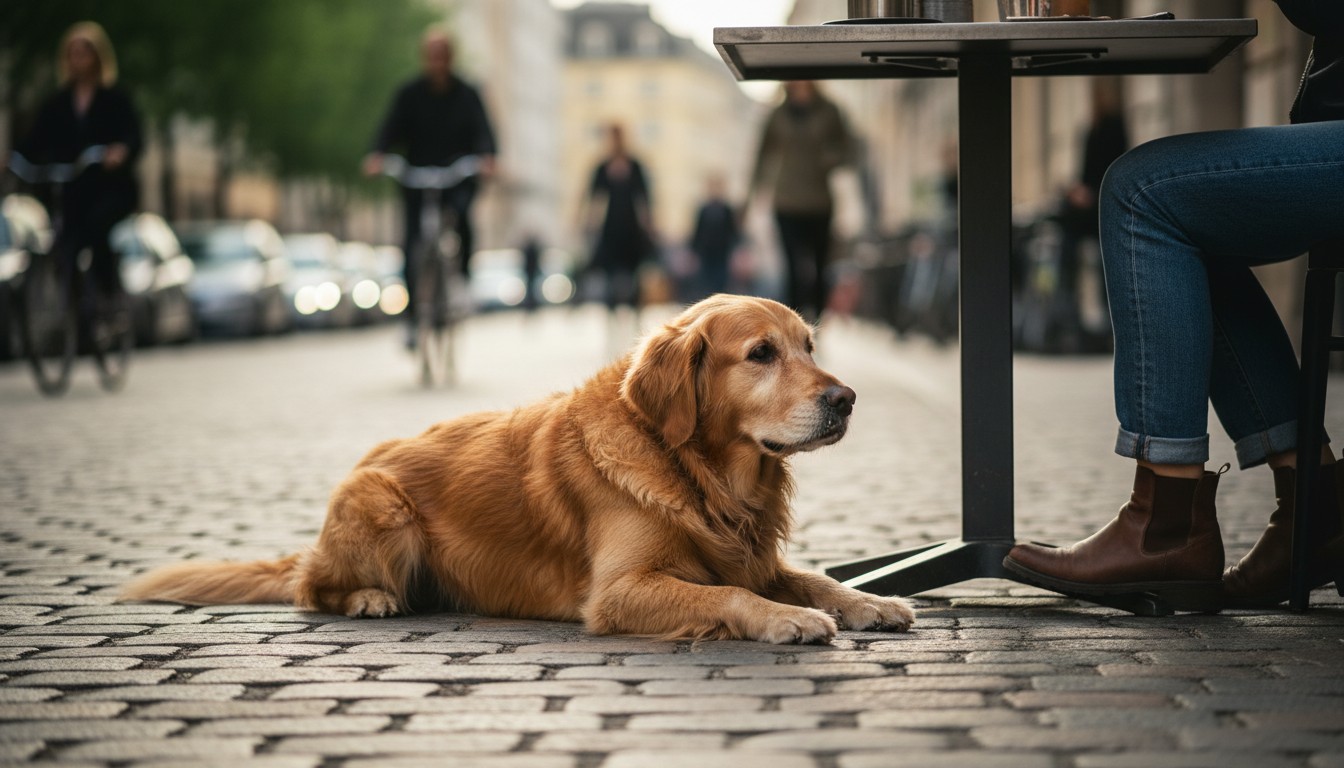
Consider 'stationing' exercises at a local coffee shop. Grab a coffee, find a table at the edge of the seating area, and place a mat down for your dog. Reward them for staying on the mat (settling) while life happens around them. In Ireland, where 'dog-friendly' is becoming the norm in hospitality, having a dog that can settle under a table at a pub or café is a huge asset. This isn't just about obedience; it's about the dog feeling calm enough to relax despite the noise and movement.
Troubleshooting: When Things Go Wrong
Even with the best training, your dog will occasionally be overwhelmed. If your dog begins to bark, lunge, or refuse treats, they have crossed their 'stress threshold.' At this point, learning stops, and the brain's 'fight or flight' system takes over. The most important thing to do is increase distance. Don't try to force a 'sit' or 'stay' in the face of a trigger that is too close; simply turn around and walk away calmly. Once the dog has settled, you can re-evaluate the distance needed for success.
Another common issue is the 'Velcro dog' effect, where the dog ignores the environment but becomes obsessively focused on the treats in your hand. Neutrality means the dog is aware of the environment but indifferent to it. If they are just staring at your pocket, they aren't actually processing the distraction. Encourage 'environmental scanning' where the dog looks at the distraction, then chooses to look away. If you find your dog is consistently reactive regardless of distance, it may be time to consult an Irish accredited behaviourist (such as those registered with the APDT Ireland) to rule out underlying fear or pain.
The Hierarchy of Distractions
Not all distractions are created equal. To successfully implement socialisation as neutrality, you must understand your dog's personal hierarchy. For some, a pigeon is a minor curiosity; for others, it's a high-level trigger. Start by making a list of things your dog notices. Typical Irish distractions include: cyclists, umbrellas, livestock, other dogs on leads, and children running. Rate these from 1 to 10. Start your neutrality training with level 1-3 distractions at a distance of at least 10 metres.
Slowly work your way up the list. By the time you reach level 10 distractions—perhaps a group of dogs playing fetch at the local park—your dog should have a strong history of being rewarded for neutrality. Remember that 'trigger stacking' is real. If it’s a windy day (common in Ireland!), your dog’s baseline stress might be higher, making them more reactive to things they usually ignore. Be prepared to adjust your expectations based on the day's conditions and your dog's current state of mind.
FAQ
Is socialisation as neutrality the same as ignoring my dog?
No, it is actually a very active form of training. While you want your dog to ignore the distraction, you are constantly monitoring their body language and rewarding their choice to remain calm. You are very engaged with your dog, but you are teaching them to be less engaged with the world.
Can I still let my dog play with other dogs?
Yes, but play should be a 'planned event' with known, compatible dogs in a safe area. It shouldn't be a random occurrence with every dog you meet on a lead. This helps your dog understand that being on a lead means 'business/calm time,' while off-lead time with friends is for play.
How long does it take to see results with neutrality training?
Consistency is key. You will likely see a difference in focus within 2-3 weeks of daily practice. However, reaching total neutrality around high-level triggers can take months of gradual exposure, especially for breeds with high prey drive or naturally anxious temperaments.
What if someone approaches me to let their dog 'say hello'?
In Ireland, people are very friendly, but it is okay to say, 'Sorry, we’re in training right now, so he can’t say hello.' Using a 'In Training' lead wrap can also help signal to other owners that you need space to work on neutrality.
Conclusion
Socialisation as neutrality is the missing piece of the puzzle for many Irish dog owners. By shifting your focus from 'meeting and greeting' to 'observing and dismissing,' you build a foundation of calm that will last a lifetime. This approach reduces the risk of reactivity and ensures that your dog can accompany you on all of life's adventures, from quiet walks in the Slieve Bloom Mountains to the hustle and bustle of Dublin city. Remember to be patient, keep your treats high-value, and always respect your dog's threshold. If you find yourself struggling, don't hesitate to reach out to a qualified force-free trainer in your local area. Happy training, and enjoy the peace that comes with a truly neutral dog.
References & Sources
This article was researched using the following sources:


