














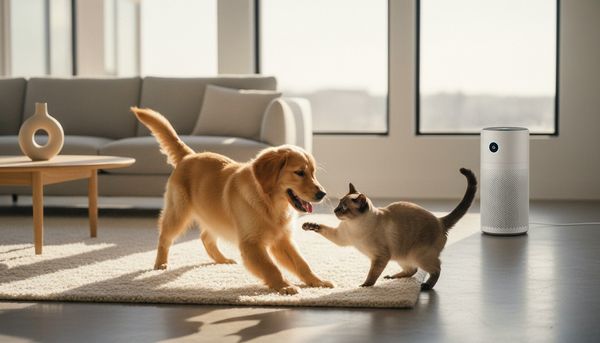
In the damp and often chilly climate of Ireland, creating a 'cosy' atmosphere at home is a national pastime. Whether it is lighting a scented candle on a rainy Tuesday in Galway or running an ultrasonic diffuser to brighten a dark Dublin winter evening, home fragrances are everywhere. However, many owners remain unaware of the invisible airborne hazards for pets that these products create. While we enjoy the scent of lavender or eucalyptus, our companion animals are processing these aerosolized droplets and particulates through highly sensitive respiratory systems and unique metabolic pathways. This guide explores the biological mechanisms of how common home scents can lead to significant health issues, from acute respiratory distress to cumulative liver toxicity, and provides practical steps to maintain a truly safe environment for your pets.
The Biological Mechanism: How Pets Process Airborne Particles
To understand why airborne hazards for pets are so significant, we must look at the physiological differences between humans and animals. Dogs and cats have a much higher respiratory rate than humans, meaning they inhale a greater volume of air—and any pollutants it contains—relative to their body size. Furthermore, cats are uniquely vulnerable because they lack the necessary liver enzyme, UDP-glucuronosyltransferase, required to metabolise and eliminate certain compounds found in essential oils, particularly phenols and monoterpenes.
When a diffuser release micro-droplets into the air, these substances are absorbed through the lungs and enter the bloodstream almost instantly. Unlike ingestion, where the liver has a chance to filter toxins via the 'first-pass' effect, inhalation allows these chemicals to bypass initial filtration. For birds, the risk is even more acute; their incredibly efficient respiratory systems, designed for the high-oxygen demands of flight, make them hypersensitive to even trace amounts of aerosolized oils or candle soot. In a poorly ventilated Irish cottage or a modern, air-tight apartment, these concentrations can reach toxic levels in a matter of hours.
The Chemistry of Fragrance: Phenols and Monoterpenes
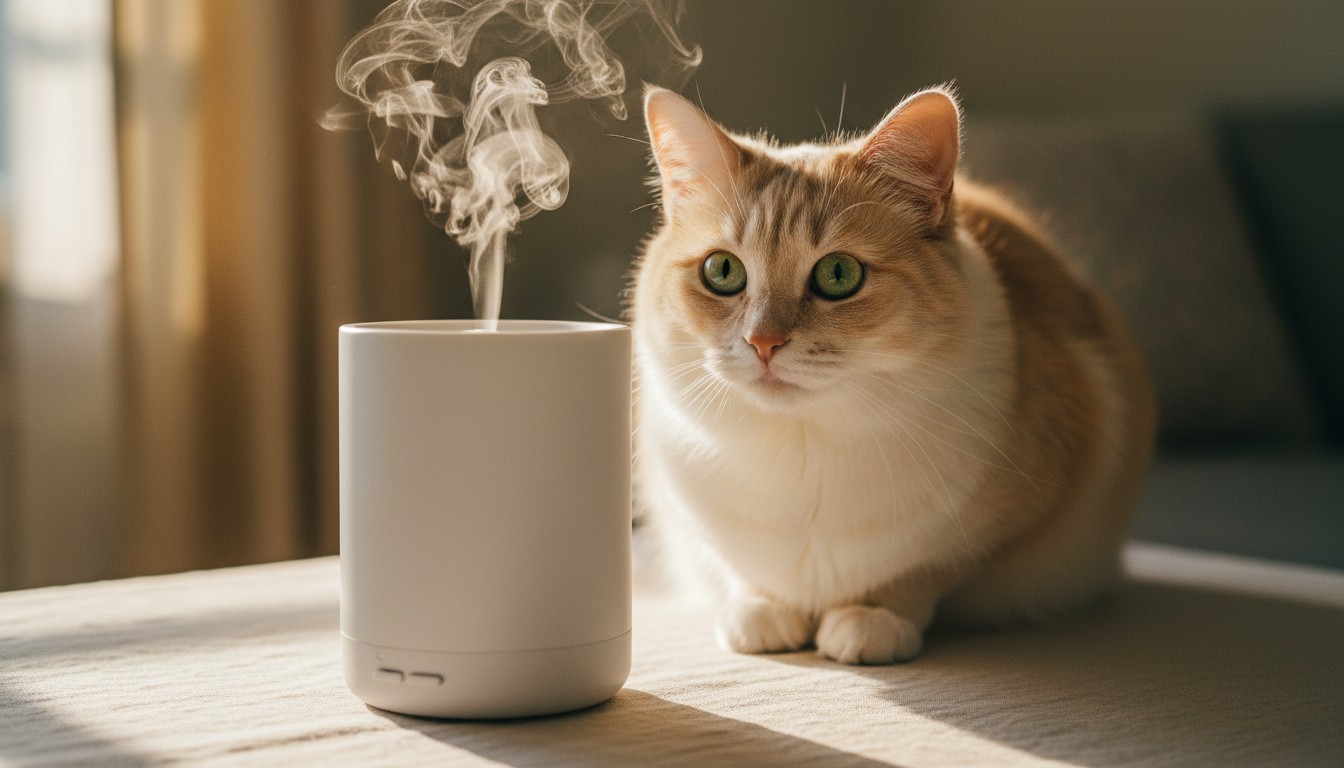
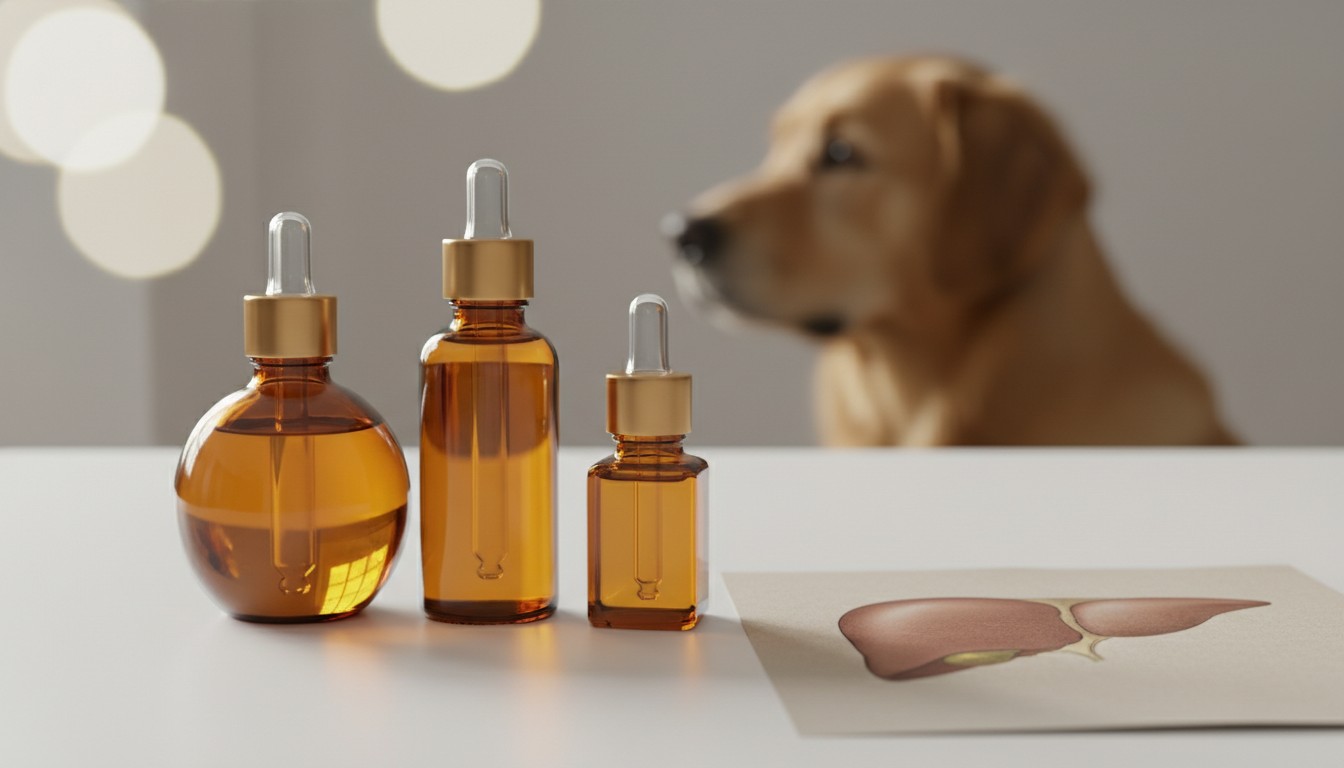
The marketing of 'all-natural' products often gives pet owners a false sense of security. In reality, many of the most popular essential oils used in Irish households contain chemical structures that are naturally toxic to animals. Phenols, found in oils like oregano, clove, and thyme, are notoriously difficult for the feline liver to process. Similarly, monoterpene hydrocarbons, prevalent in citrus oils and tea tree (melaleuca), can cause central nervous system depression and liver failure if inhaled or ingested over time.
Many common diffusers sold in Irish health shops use ultrasonic technology to create a fine mist. This mist eventually settles on the pet’s fur. Because cats are fastidious self-groomers, the inhalation risk is compounded by an ingestion risk. What began as an airborne hazard for pets quickly becomes an internal toxin. Even 'safe' oils can become dangerous if they are poor quality or contain synthetic extenders like phthalates, which are known endocrine disruptors. Always check the botanical name of an oil before use; for example, 'lavender' is generally safe for dogs, but 'lavandin' or hybrid varieties can contain higher levels of camphor which is irritating.
Diffusers vs. Candles: Comparing the Inhalation Risks
While both diffusers and candles contribute to airborne hazards for pets, they do so through different mechanisms. Passive diffusers (like reed sticks) present the lowest inhalation risk but a high spill risk. Active diffusers, such as ultrasonic or nebulising models, are more concerning as they actively saturate the air with concentrated droplets. These droplets can irritate the delicate lining of a dog's nasal passages, leading to a diminished sense of smell and chronic sneezing.
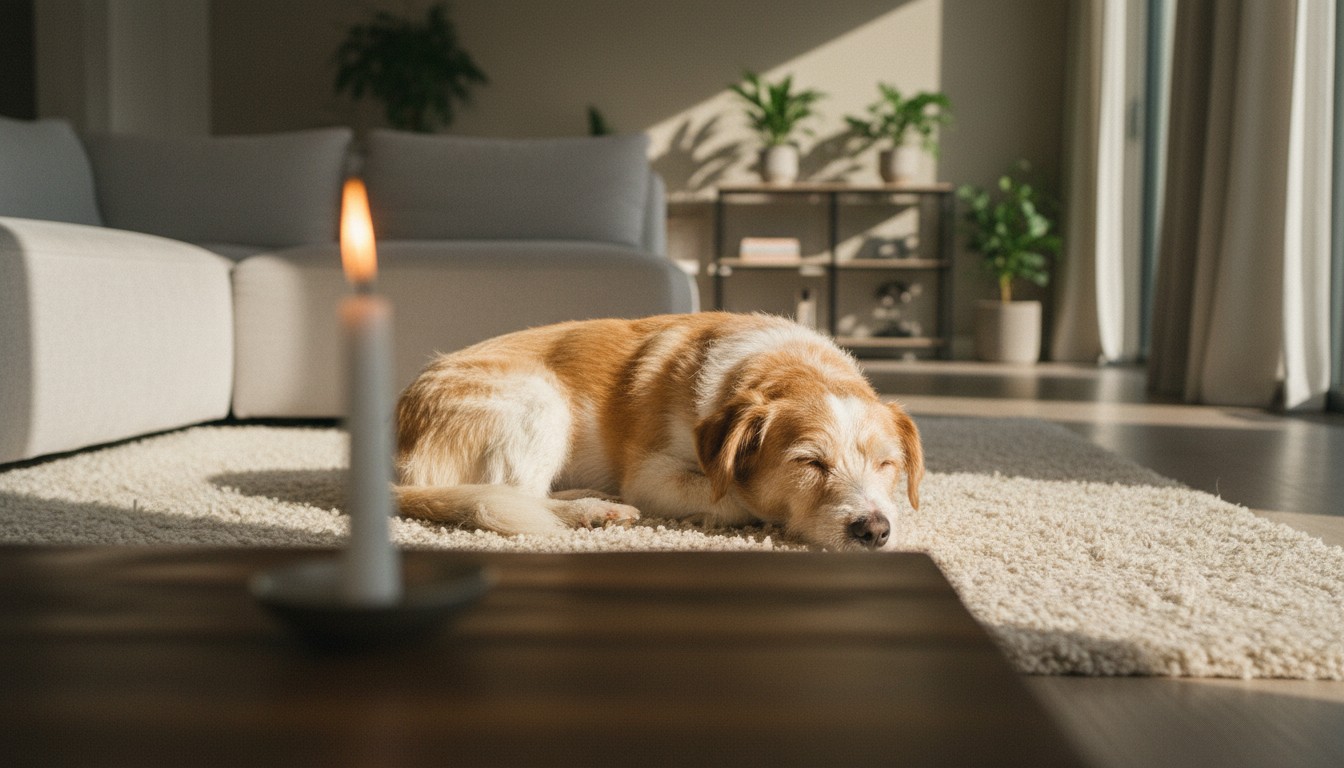
Scented candles, particularly those made from paraffin wax, release Volatile Organic Compounds (VOCs) and particulate matter (soot) when burned. Paraffin is a petroleum byproduct; when it burns, it can release toluene and benzene, which are known carcinogens. Even if you switch to soy or beeswax, the synthetic fragrances used in many mass-market candles can trigger feline asthma or exacerbate canine bronchitis. In the winter months, when Irish homes are sealed tight to conserve heat, these particulates have nowhere to go, leading to a 'trapped air' effect where the concentration of pollutants increases with every hour the candle burns.
Recognising Symptoms of Airborne Toxicity
Identifying when your pet is suffering from airborne hazards is critical for early intervention. Unlike a sudden ingestion of a toxin, inhalation toxicity often manifests as a slow decline or subtle behavioural changes. Common early signs include watery eyes, persistent sneezing, or a 'wet' sounding cough. You might notice your cat spending more time in a room where a diffuser is not present, or your dog becoming lethargic and reluctant to play after you light your favourite scented candles.
More severe symptoms of acute toxicity include stumbling (ataxia), muscle tremors, and vomiting. In cats, look for 'laboured breathing'—where the cat breathes with an open mouth or shows excessive abdominal movement. This is a medical emergency. If you observe these signs, the first step is to immediately move the pet to fresh air. Open windows to clear the room, but be mindful of the Irish weather; a sudden drop in temperature can also stress a sick pet. If symptoms do not resolve within 15 minutes of exposure to fresh air, or if they worsen, a visit to a vet is required to check for lung inflammation or elevated liver enzymes.

Troubleshooting and Safer Home Alternatives
If you are struggling to give up home fragrances, there are ways to mitigate the risks. First, audit your products. Swap paraffin candles for 100% soy or beeswax with cotton wicks and no added synthetic dyes. Ensure any essential oils used are diluted significantly and never used in a room where a pet is confined. If your pet shows mild irritation, such as a single sneeze, stop using the product immediately and observe. If the sneezing stops, you have identified the trigger.
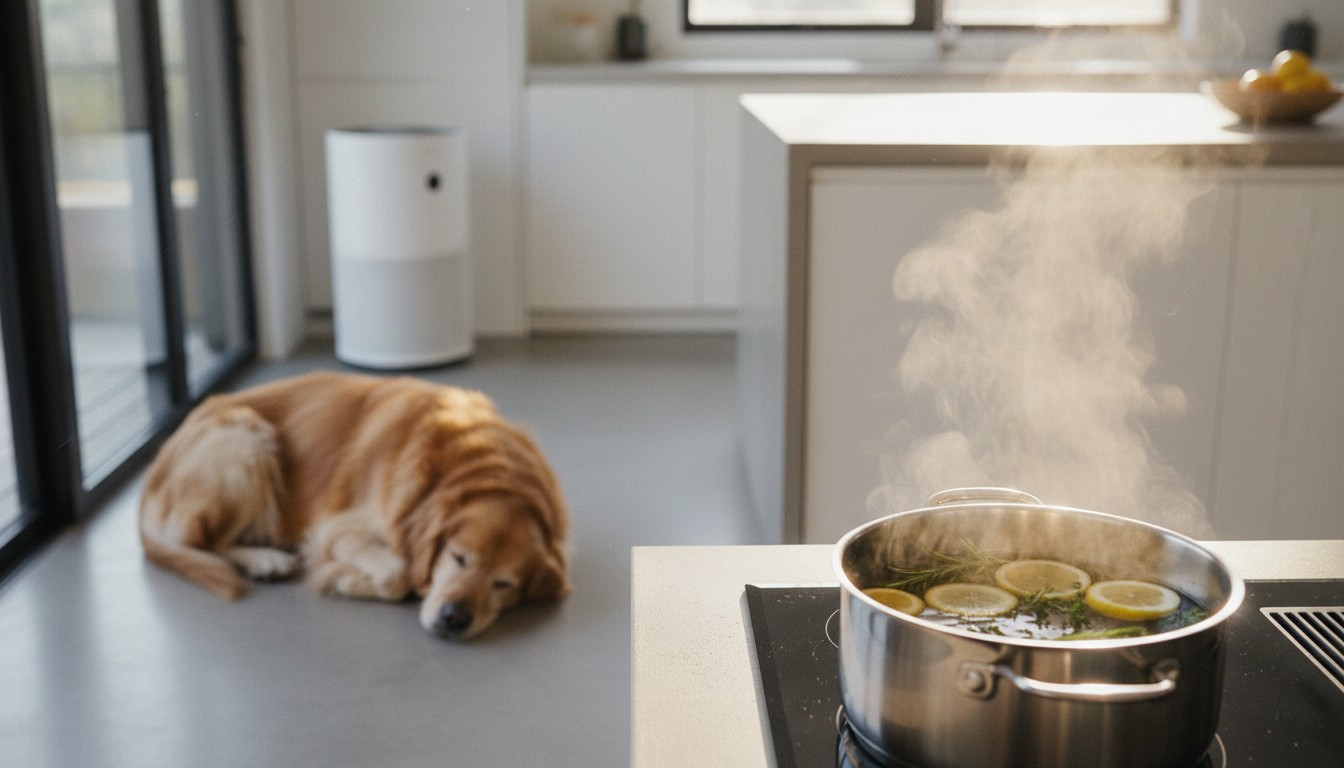
Improving air quality is the most effective way to counter airborne hazards for pets. Investing in a high-quality HEPA air purifier can help capture particulates and VOCs. In Ireland, ventilation is often overlooked during the colder months; however, opening a window for just ten minutes a day can significantly reduce the concentration of indoor pollutants. For a safer scent, consider 'simmer pots'—boiling water on the stove with pet-safe ingredients like sliced apples, cinnamon sticks (in moderation for dogs), or fresh ginger. This provides a natural aroma without the concentrated chemical load of essential oils or the soot of candles.
FAQ
Is it safe to use a diffuser if my pet is in a different room?
It is safer, but not entirely risk-free. Air circulates throughout the home, and micro-droplets can travel through hallways or ventilation systems. If you do use one, ensure the pet has a clear exit path and the room is well-ventilated.
What are the most toxic essential oils for cats?
Oils high in phenols and monoterpenes are most dangerous. These include Tea Tree (Melaleuca), Peppermint, Eucalyptus, Cinnamon, Clove, Thyme, and Citrus oils. Even small amounts inhaled over time can lead to liver damage in felines.
Can I use 'pet-safe' candles available in Irish shops?
While 'pet-safe' candles are generally better because they avoid paraffin and lead wicks, they can still cause issues for pets with pre-existing respiratory conditions like asthma. Always monitor your pet's breathing the first few times you light any new candle.
Does the size of my home affect the risk level?
Yes, smaller Irish homes or apartments concentrate airborne hazards more quickly. In smaller spaces, VOCs and particulates reach toxic thresholds much faster than in large, open-plan houses with high ceilings and better airflow.
Conclusion
Creating a fragrant home should not come at the expense of your pet’s health. By understanding the chemical nature of phenols and VOCs, and the biological vulnerabilities of our cats and dogs, we can make informed choices. Moving away from paraffin candles and concentrated ultrasonic diffusers toward safer alternatives like HEPA filtration and natural simmer pots ensures that your home remains a sanctuary for every family member. If you ever notice changes in your pet’s breathing, activity levels, or grooming habits, do not hesitate to seek professional advice. In Ireland, many vets offer 24-hour emergency services; keep their number saved on your phone for peace of mind. Your pet relies on you to manage their environment—keep their air clean, and they will live a longer, healthier life by your side.
References & Sources
This article was researched using the following sources:

