















Bringing a new pet home to your house in Ireland is an exciting milestone, but many owners are caught off guard when their once-brave explorer suddenly cowers at a simple bin bag or a parked car. These sudden shifts are known as developmental fear periods, specific biological windows where a young animal's brain becomes hyper-sensitive to scary stimuli. Unlike general caution, these phases can result in traumatic imprinting if handled incorrectly. In this guide, we will explore how to identify these sensitive windows and implement the right training protocols to ensure your puppy or kitten grows into a confident, well-adjusted adult dog or cat.
The Biology of Sensitivity: Understanding Fear Windows
In both dogs and cats, the brain undergoes significant rewiring during the first year of life. Developmental fear periods are temporary phases where the amygdala—the part of the brain responsible for processing fear—becomes more active. For puppies, the primary fear period typically occurs between 8 and 11 weeks of age, often coinciding with their first trip to a vet clinic or their arrival in a new home. A secondary fear period usually manifests between 6 and 14 months, often referred to as the 'adolescent' fear phase.
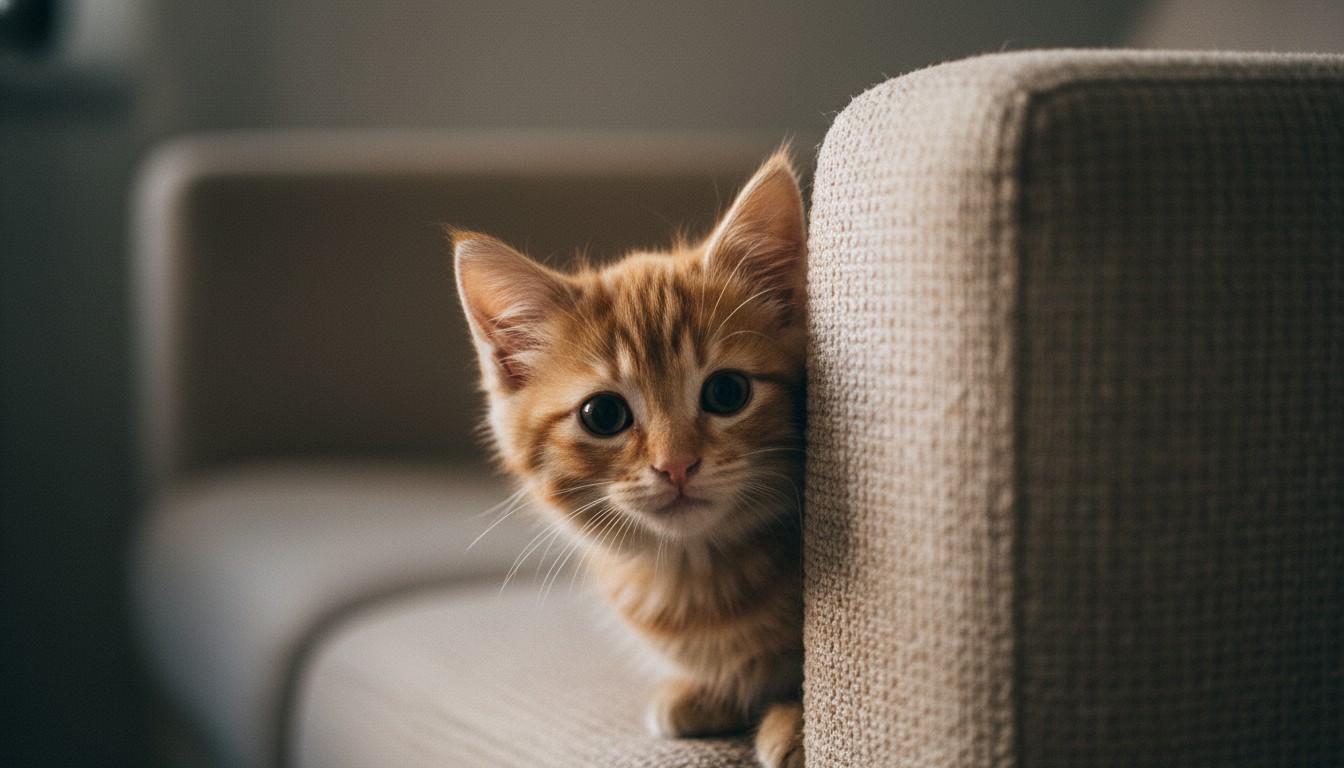
Kittens follow a tighter schedule, with their primary socialisation window closing as early as 7 to 9 weeks, followed by a secondary sensitivity period during their teenage months. During these times, a single frightening experience—such as a loud clap of thunder over the Wicklow Mountains or a sharp encounter with a vacuum cleaner—can leave a lasting negative impression. Understanding that these are biological milestones, rather than personality flaws, is the first step for any Irish pet owner.

Identifying the Shift: Caution vs. Fear Period
Distinguishing between a 'spooky' day and a true developmental fear period is essential for proper management. A pet in a fear period will show intense reactions to objects or situations they previously ignored. You might notice your puppy 'pancake' (lie flat on the ground) when seeing a cyclist on a Dublin street, or your kitten may bolt and hide behind the sofa when they hear the doorbell.
Key indicators of a fear period include dilated pupils, tucked tails, and a refusal to take high-value treats like small pieces of Irish cheddar or boiled chicken. If your pet normally loves their treats but suddenly ignores them in the presence of a 'scary' object, they are likely over their emotional threshold. This is not the time for 'tough love' or forcing the animal to approach the object; rather, it is a signal that you need to increase the distance between your pet and the source of their anxiety immediately.
The 'Jolly Routine': Confidence Over Coddling
When a pet shows fear, our human instinct is to scoop them up and whisper, 'It's okay, don't be afraid.' However, in the world of animal behaviour, this soothing tone can inadvertently signal to the pet that you, too, are concerned. Instead, professional trainers recommend the 'Jolly Routine.' This involves the owner acting silly, happy, and slightly exaggerated to change the emotional atmosphere of the situation.
If your puppy barks at a postbox, start moving in the opposite direction while using a high-pitched, happy voice and perhaps doing a little skip. This 'jolly' energy suggests to the puppy that the situation is a game rather than a threat. You aren't ignoring the fear; you are providing a confident model for the pet to follow. Pair this with 'Scatter Feeding'—tossing a handful of kibble or treats on the ground—to engage their nose and brain, which naturally lowers their heart rate and helps them disengage from the scary stimulus.

Managing Irish Environments: Traffic and Livestock
Living in Ireland presents unique challenges during fear periods, from the rumble of the Luas in the city to encountering livestock in rural areas. During a secondary fear period, a puppy that was previously fine with sheep or cows might suddenly bark frantically at a gate. To manage this, avoid 'flooding'—which is the practice of throwing the pet into the deep end of their fear in hopes they will get over it. This almost always backfires.
Instead, focus on 'Distance and Duration.' If your pet is afraid of the bin lorry, stand 20 metres away where they can see it but remain calm enough to eat a treat. Gradually decrease that distance over several days. For city dwellers, visiting a local Maxi Zoo or Petmania during quiet hours can provide controlled socialisation opportunities without the overwhelming noise of peak-time traffic. Always keep your pet on a secure harness and lead during these phases, as the 'flight' response is very strong and they may try to bolt into the road.

Troubleshooting: When Things Go Wrong
Even the most diligent owners will experience 'mishaps' where a pet gets genuinely spooked. If your pet has a major panic event, the best course of action is 'Stress Detox.' For the next 48 to 72 hours, keep their environment extremely predictable and low-stress. Skip the busy park and stick to a quiet garden or a familiar short walk. This allows the cortisol (stress hormone) levels in their bloodstream to return to baseline.
Signs that you should adjust your approach include the pet becoming increasingly reactive over several weeks, or if the fear begins to generalise—for example, if a fear of the vet clinic turns into a fear of any building with a glass door. If your pet’s behaviour does not improve after a few weeks of careful management, or if they show aggression (growling, snapping) when afraid, it is time to seek professional help. In Ireland, look for trainers or behaviourists accredited by the APDT Ireland or the IMDT to ensure they use science-based, force-free methods.

The Kitten Perspective: Fear in Felines
While much of the research focuses on dogs, kittens also undergo significant developmental fear phases. Because kittens are both predators and prey, their fear responses can be even more sudden. Between 10 and 14 weeks, many kittens go through a period of increased wariness toward strangers. To navigate this, use interactive play. A wand toy with feathers is an excellent tool for building confidence, as it allows the kitten to hunt and 'kill' prey in the presence of something they find slightly scary.
Ensure your kitten has vertical space—like a cat tree or a cleared shelf—where they can observe the world from a safe height. In an Irish home, this might mean a perch near a window where they can watch the rain without feeling vulnerable. If you are introducing a kitten to a resident cat during a fear period, slow down the process significantly. Use scent swapping (exchanging bedding) for several days before allowing visual contact to ensure the kitten doesn't associate the other cat with a state of high alarm.
FAQ
How long do developmental fear periods usually last?
Most fear periods are short-lived, typically lasting between one and three weeks. However, if a traumatic event occurs during this window, the fear can become permanent without proper counter-conditioning.
Should I ignore my dog when they are afraid?
You should never ignore your pet's distress, but you should avoid 'coddling' them with high-pitched, worried sympathy. Instead, provide a calm, 'jolly' presence and move them away from the scary object to a distance where they feel safe again.
Can I prevent fear periods from happening?
No, fear periods are a natural part of brain development. You cannot prevent them, but you can manage the environment to ensure your pet doesn't have a traumatic experience during these sensitive weeks.
My 10-month-old dog is suddenly barking at the postman. Is this a fear period?
Yes, this is likely the 'secondary fear period' which often occurs during adolescence (6-14 months). It is a phase where dogs re-evaluate the safety of their environment, and it requires patient, positive reinforcement training.
Conclusion
Navigating developmental fear periods is a standard part of pet ownership that requires a blend of patience and strategy. By recognising these biological windows and employing the 'jolly routine' rather than inadvertent coddling, you can guide your puppy or kitten through their fears with confidence. Remember that every animal is an individual; what scares one may not bother another. The goal is not to eliminate fear entirely—which is impossible—but to teach your pet that they can look to you for guidance when the world feels unpredictable. If you find yourself struggling, don't hesitate to reach out to a qualified Irish behaviourist. With the right approach, these phases will pass, leaving you with a resilient and happy companion for years to come.
References & Sources
This article was researched using the following sources:

