















It is a scenario many Irish pet owners know all too well: your usually placid Golden Retriever or gentle tabby cat suddenly snaps or growls at a family member for something seemingly minor. To the onlooker, it appears unprovoked. However, the reality is rooted deep in biology. This phenomenon is known as trigger stacking, a physiological process where multiple stressors accumulate over hours or even days. When a pet’s internal 'bucket' overflows, even a tiny event—like a hand reaching out for a stroke—can lead to an explosive reaction. Understanding the physiology of trigger stacking is essential for preventing bites and ensuring your pet feels safe in a busy household. By looking past the immediate incident, we can see the 'stress residue' that has been building up long before the snap occurred.
The Physiology of the Stress Response: Cortisol and Adrenaline
To understand trigger stacking, we must first look at the endocrine system. When a pet encounters a stressor—be it a loud An Post delivery van or a territorial encounter with a neighbour's cat—their body activates the Hypothalamic-Pituitary-Adrenal (HPA) axis. This results in an immediate flood of adrenaline for the 'fight or flight' response, followed by a slower, more sustained release of cortisol.
Unlike adrenaline, which dissipates relatively quickly, cortisol can remain elevated in a pet's bloodstream for 48 to 72 hours. If your dog has a stressful encounter at the local park on Monday, their baseline stress level on Tuesday is already higher than normal. This 'stress residue' means they are physically closer to their breaking point (the threshold) before they even leave the house. In Ireland's often unpredictable weather, even a series of heavy thunderstorms or high-wind days can keep a sensitive pet in a state of low-level physiological arousal for nearly a week.

Identifying the 'Stack': A Day in the Life of a Stressed Pet
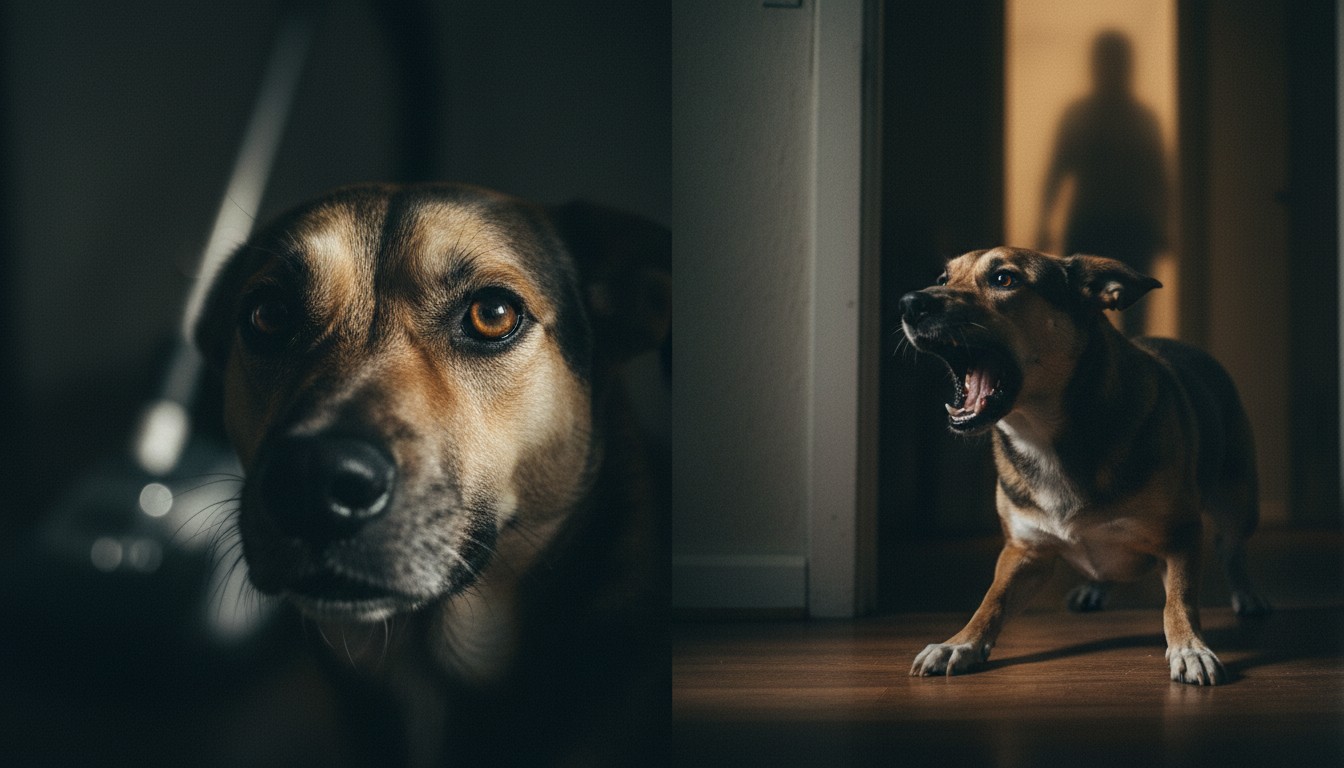
Trigger stacking is rarely about one big event; it is the sum of many small ones. Imagine a typical Tuesday in Dublin: The bin lorries wake the dog at 7:00 am (Trigger 1). On the morning walk, a loose dog rushes up to them (Trigger 2). While the owner is at work, a window cleaner arrives (Trigger 3). By the time the owner returns and tries to clip the dog's nails (Trigger 4), the dog growls.
Individually, none of these events would cause a snap. However, because they occurred in quick succession, the pet never had the chance to return to a physiological baseline. Each event added a layer of cortisol to the 'stack'. Owners often misinterpret the final trigger as the 'cause' of the aggression, when in reality, it was simply the final drop that caused the bucket to overflow. Recognising these subtle physiological shifts—such as panting when it isn't warm, dilated pupils, or 'whale eye' (showing the whites of the eyes)—is crucial for intervening before the snap happens.
The 'Cortisol Vacation': Implementing a Total Reset
When you suspect your pet is trigger stacked, the most effective intervention is a 'cortisol vacation'. This is a period of 48 to 72 hours where you deliberately move the pet's environment into a low-stimulation 'safe mode' to allow their hormone levels to return to baseline. In practice, this means avoiding known triggers entirely.
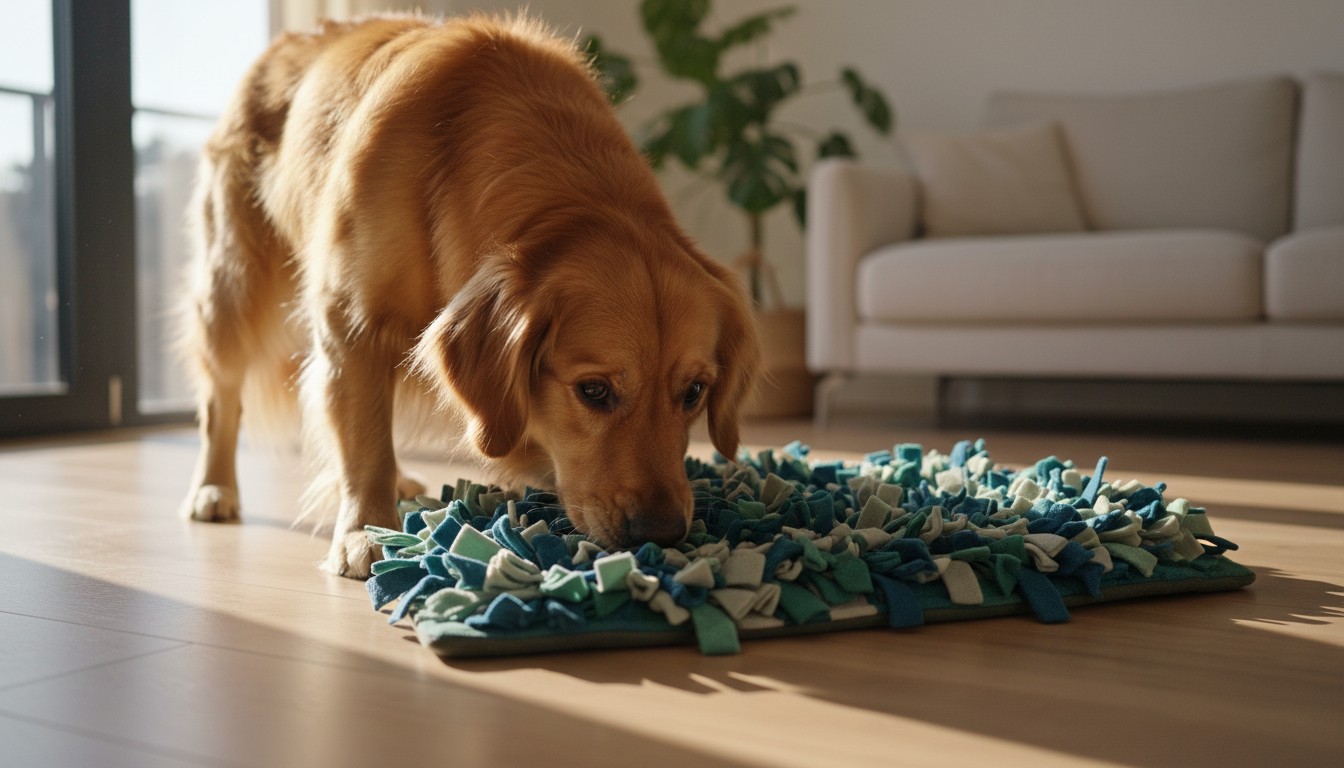
Instead of the usual walk through a busy housing estate or a trip to a local Maxizoo, keep the pet at home. Engage in low-arousal activities like 'sniffaris' in a secure garden, using lick-mats with some plain Greek yoghurt, or providing long-lasting chews. If your pet is particularly reactive to visitors, place a sign on your gate asking people not to ring the bell. By reducing the incoming 'load' on the HPA axis, you allow the kidneys and liver to process the existing cortisol, effectively lowering the pet's reactive threshold. This isn't 'rewarding' bad behaviour; it is a biological necessity for a brain that is currently chemically incapable of making good choices.
Troubleshooting: When the 'Unprovoked' Snap Persists
If you have implemented cortisol vacations and reduced environmental triggers, but your pet remains on edge or continues to snap, it is time to look deeper. Chronic trigger stacking can sometimes mask underlying medical issues. Pain is a massive internal stressor; a dog with undiagnosed hip dysplasia or a cat with dental pain will have a permanently high baseline of cortisol, making them appear 'cranky' or unpredictable.
Common signs that the issue is more than just temporary stacking include:
- A sudden change in temperament in an older pet.
- Reactions to physical touch in specific areas (the lower back or paws).
- Disrupted sleep patterns or loss of appetite.
- Startling awake from a deep sleep.
In these cases, a trip to your vet is essential. It is also important to consult a qualified behaviourist (look for members of the Association of Pet Behaviour Counsellors or similar accredited bodies in Ireland) who can help create a desensitisation programme tailored to your home environment.
FAQ
Can cats experience trigger stacking as well as dogs?
Absolutely. Cats are highly sensitive to environmental changes. Common feline triggers include moving furniture, a new scent in the house, or seeing a stray cat through a window. Their 'stack' often manifests as redirected aggression toward owners or other pets in the house.
My dog seems fine after a scare, why do I need to wait 72 hours?
While your dog may look calm externally, their internal cortisol levels remain elevated for up to three days. During this time, their nervous system is in a 'hyper-vigilant' state, meaning they are significantly more likely to overreact to a second, smaller stressor that they would usually ignore.
Is trigger stacking the same as being 'spoilt'?
No. Trigger stacking is a purely physiological process involving hormones and the nervous system. It has nothing to do with the pet's desire to 'be the boss' or lack of discipline; it is an involuntary survival mechanism that occurs when the brain is overwhelmed by perceived threats.
How can I tell if my pet's 'bucket' is getting full?
Look for subtle signs: 'scanning' the environment constantly, an inability to settle, panting without heat/exercise, or a sudden lack of interest in high-value treats. If your pet stops taking treats they usually love, their brain has likely shifted from 'thinking mode' to 'survival mode'.

Conclusion
Trigger stacking is one of the most misunderstood concepts in pet ownership, yet it explains the vast majority of 'sudden' behavioral changes. By understanding that our pets carry 'stress residue' from previous days, we can become more empathetic and effective guardians. If your pet has a bad day, don't push them to 'face their fears' the next afternoon. Instead, give them the gift of time and a quiet environment to physically recover. Remember, safety should always be your priority; if you are concerned about aggression, use a basket muzzle for walks and consult a professional. With patience and a focus on physiological recovery, you can help your pet move from a state of constant high alert back to the calm, happy companion you know they can be.
References & Sources
This article was researched using the following sources:

