














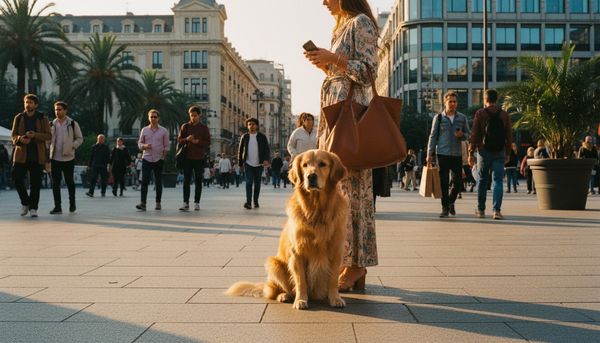
For years, the standard advice for new puppy owners in the UK was simple: let your dog meet everyone. From the local park in Bristol to the busy high streets of London, we were told that more interaction meant a better-adjusted pet. However, modern behaviourists are shifting the focus. Socialisation as neutrality is the revolutionary approach that teaches your dog that the world is interesting but doesn't require an emotional reaction. Instead of creating a 'frustrated greeter' who lunges to meet every passerby, we aim for a dog that can calmly observe a distraction and then simply look away.
The Myth of the 'Friendly' Dog and the Frustrated Greeter
In British culture, we pride ourselves on being polite, and this often extends to our dogs. Many owners feel a social pressure to allow their puppies to greet every dog they see. Unfortunately, this 'forced friendliness' often backfires. When a puppy is taught that every dog or human is a potential playmate, they develop a high level of arousal every time they see a trigger.
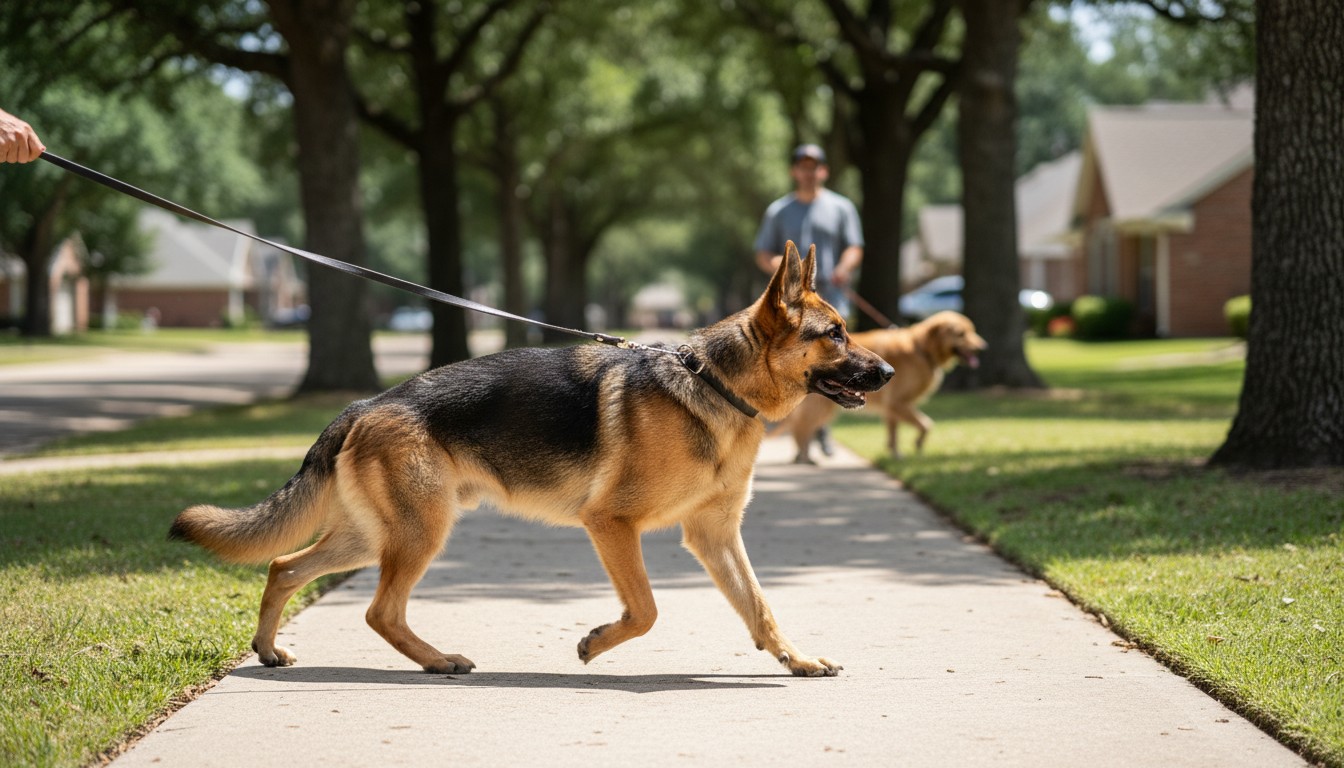
This leads to the 'frustrated greeter' syndrome. You have likely seen it: a dog on a lead, barking and lunging not out of aggression, but out of a desperate, over-excited need to reach the other dog. By prioritising socialisation as neutrality, you prevent this cycle. Instead of teaching your dog that they must interact, you teach them that other dogs are just part of the scenery, no more significant than a park bench or a post box. This builds a foundation of calm behaviour that is far more valuable for navigating a busy Saturday morning at a local market or a crowded pub garden.
The 'Invisible Dog' Mindset: Why Neutrality Wins
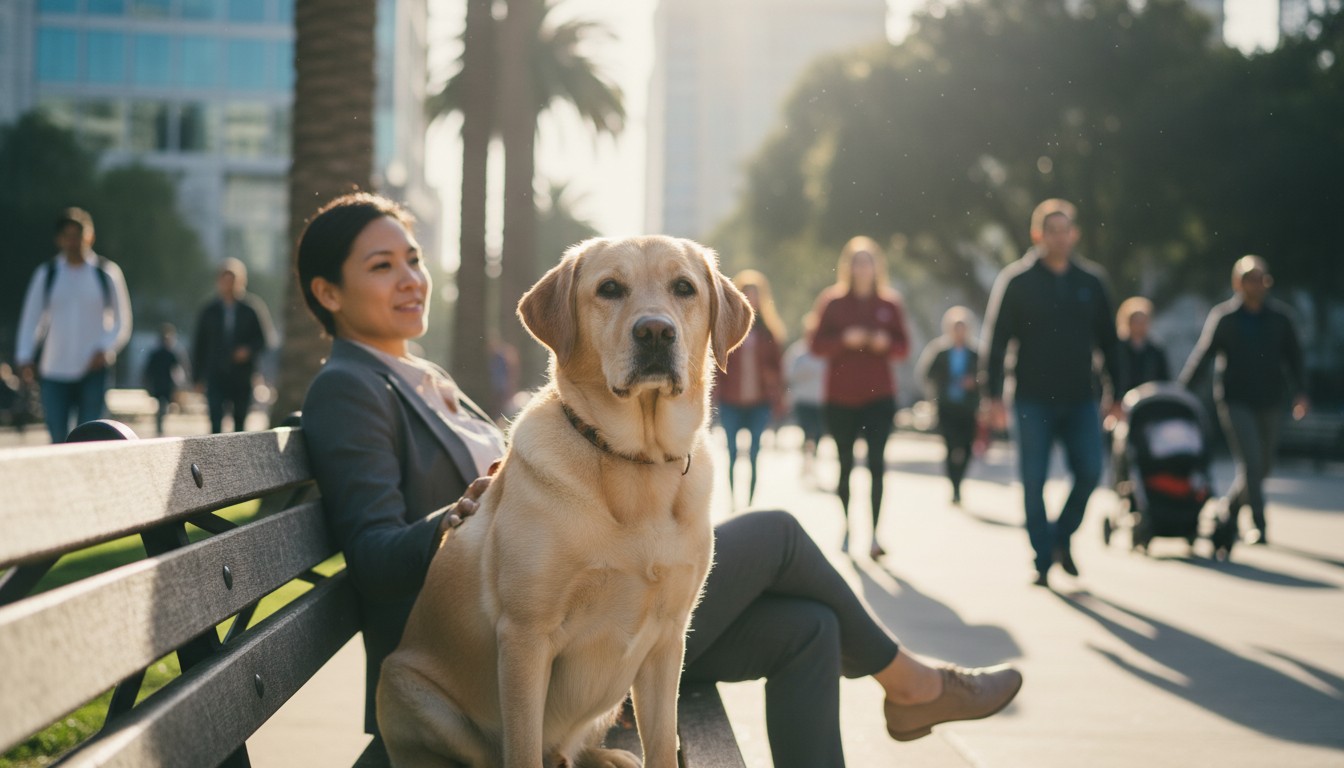
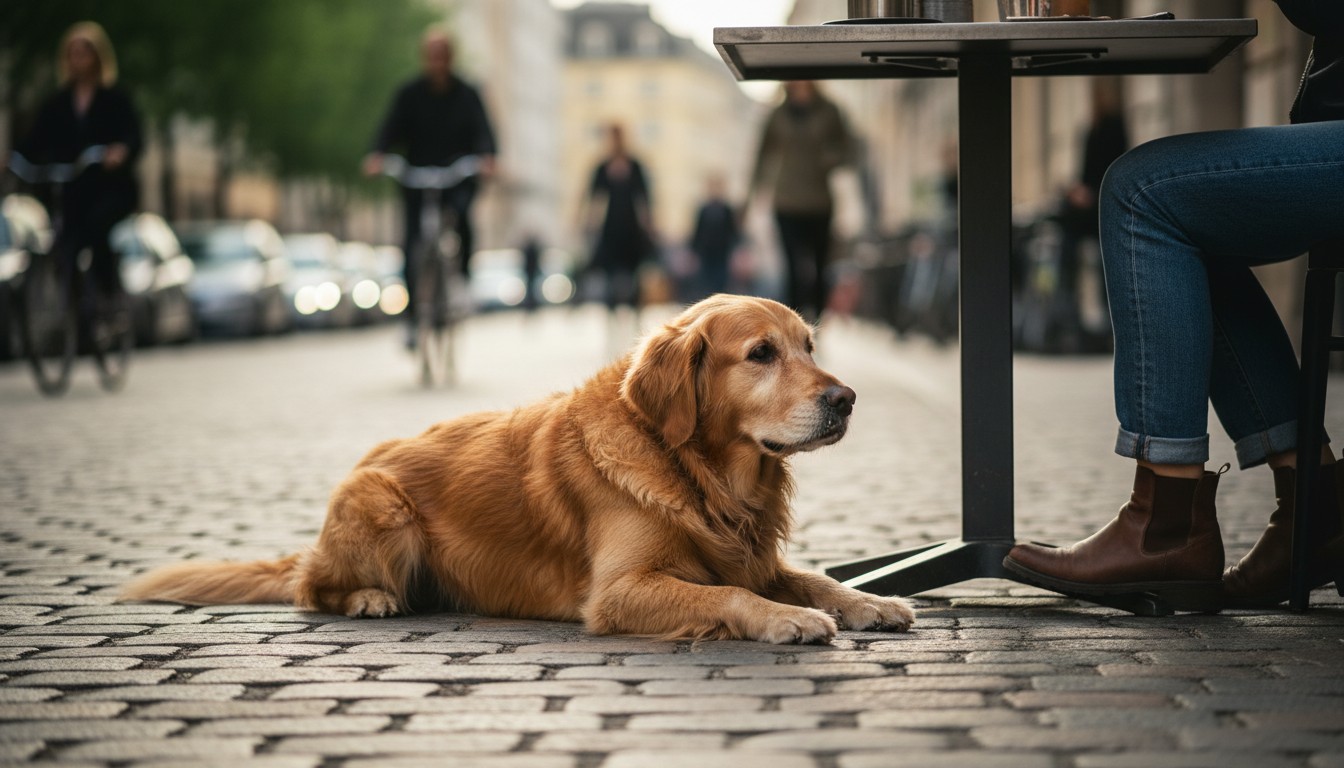
Neutrality isn't about making your dog unfriendly; it is about making them reliable. A neutral dog is an 'invisible dog'—one that can settle under a table at a pub in the Cotswolds or walk through a busy train station like King's Cross without breaking focus. This mindset shifts the goal from 'socialisation' (interaction) to 'habituation' (becoming accustomed to the environment).
To achieve this, we must change our training environments. Instead of going into the middle of a frantic dog park, find a 'neutral' zone. A quiet corner of a park near a Tesco car park or a bench overlooking a footpath is ideal. Here, your dog can watch the world go by from a safe distance. The aim is to reach a state where your dog notices a distraction—a cyclist, a child with a ball, or another barking dog—and chooses to remain relaxed. This lack of reaction is the highest form of social success in modern dog training.
The Engage-Disengage Protocol: Rewarding the Choice
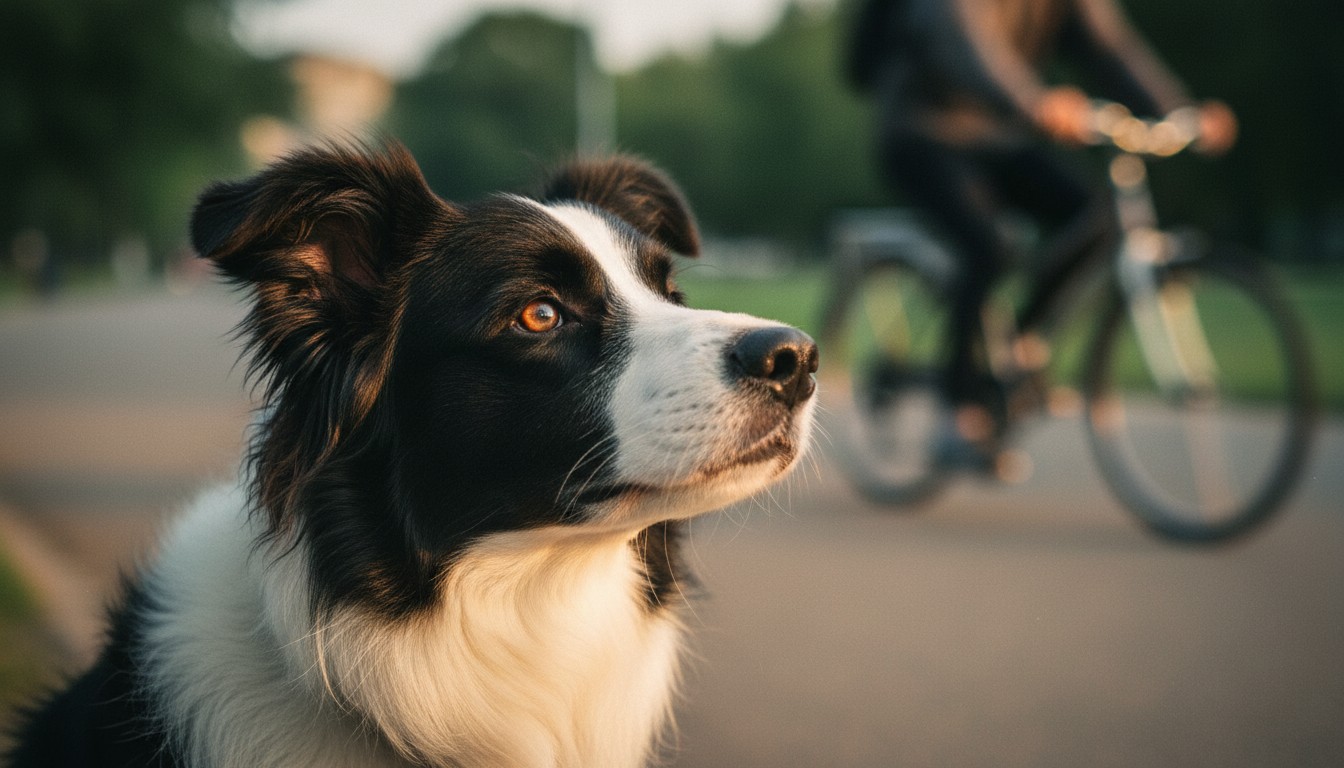
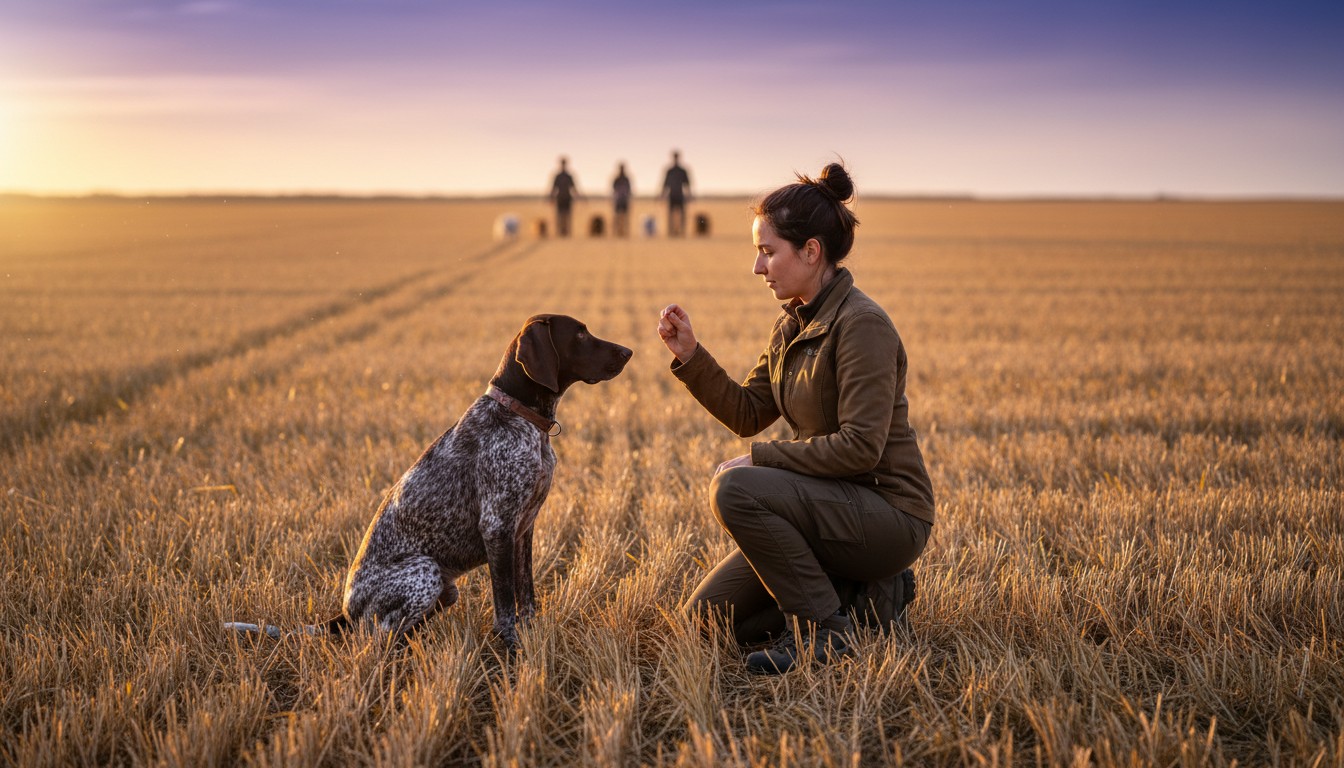
The most effective way to train socialisation as neutrality is through the 'Engage-Disengage' protocol. This science-led method rewards the dog for two things: first, for looking at the distraction without reacting (engaging), and second, for voluntarily looking away back to the owner (disengaging).
Start in a low-distraction area with high-value rewards—think small pieces of roast chicken or a bit of cheese from the fridge. When your dog spots a trigger at a distance, mark the moment they look (using a clicker or a verbal 'Yes!') and give a treat. Once they are consistently looking at the trigger and then at you for a treat, wait a split second. The moment they look away from the trigger on their own, offer a 'jackpot' of rewards. This teaches the dog that disengaging from the environment is far more profitable than fixating on it. Over several weeks, you can gradually move closer to triggers, always ensuring your dog stays below their 'threshold' of excitement.
Navigating the High Street: Real-World Neutrality
Once your dog understands the concept of disengagement, it is time to proof the behaviour in the real world. The British high street offers a perfect, albeit challenging, training ground. The narrow pavements and frequent 'pop-up' distractions like delivery drivers or umbrellas require a dog to be truly neutral.
When walking in these areas, use the 'Three-Second Rule' for any permitted greetings. If you do decide to let your dog meet another, keep the interaction to three seconds, then lure them away with a treat and praise. This prevents the arousal levels from spiking. If you encounter an 'off-lead' dog whose owner is shouting 'don't worry, he's friendly!', use a firm 'Not today, thanks!' and move into a driveway or behind a parked car to maintain your dog's neutrality. Protecting your dog’s space is a vital part of maintaining their calm mindset, especially in the early stages of training.
Troubleshooting: When Things Go Wrong
Even with the best training, setbacks happen. Perhaps a squirrel darts across your path or a car backfires, causing your dog to lunge or bark. If this happens, do not punish the dog. Punishment only adds negative emotion to an already stressful situation. Instead, simply increase the distance between your dog and the trigger as quickly as possible.
If you find your dog is consistently unable to disengage, it usually means you are too close or the environment is too 'loud' for their current skill level. Go back to basics in a quieter area, like your back garden or a local playing field during off-peak hours. Watch for subtle signs of stress: lip licking, yawning, or a 'hard stare' at a trigger. These are indicators that your dog is about to lose their neutrality. If you feel overwhelmed or your dog's reactivity is worsening, consult a professional registered with the Animal Behaviour and Training Council (ABTC) to ensure you are using ethical, evidence-based techniques.
FAQ
Does neutrality mean my dog can't have dog friends?
Not at all. Neutrality simply means your dog doesn't expect to meet every dog. They can still have 'best friends' they play with in safe, off-lead environments, but on the lead and in public, the default behaviour remains calm and indifferent.
At what age should I start neutrality training?
As soon as possible! Puppies have a critical socialisation window between 3 and 14 weeks. However, you can carry a younger puppy in a sling to observe the world before they are fully vaccinated to start building those neutral associations early.
My dog is already a 'frustrated greeter'; is it too late?
It is never too late, but it will take more time. You are essentially 're-wiring' an emotional response. Start at a significant distance from triggers and focus heavily on rewarding the choice to look away.
Conclusion
Socialisation as neutrality is a gift you give to both yourself and your dog. By moving away from the 'everyone is a friend' philosophy, you create a pet that is welcome in more places—from busy cafes to family gatherings. It requires patience, a pocket full of high-quality treats, and the willingness to advocate for your dog's space. Remember, a successful walk isn't measured by how many dogs your puppy played with, but by how many distractions they noticed and chose to ignore. If you find yourself struggling with persistent reactivity or fear, always reach out to an ABTC-accredited trainer for personalised guidance. Happy training, and enjoy the peace of a truly neutral companion.
References & Sources
This article was researched using the following sources:

