















Bringing a new animal into your home is a monumental event, yet most owners focus purely on the gear—the lead, the bowl, and the bed—rather than the environment itself. To ensure a smooth transition, creating a low-stimulus decompression zone for new pets is vital. This dedicated space serves as a sanctuary where sensory input is strictly controlled, allowing your pet's cortisol levels to drop after the high-stress experience of travel or rehoming. By carefully managing light, sound, and scent, you can prevent the 'shutdown' or hyper-arousal often seen in the first week. In the UK, where homes are often compact and bustling, a structured approach to environmental design is the kindest gift you can give a nervous rescue or a wide-eyed puppy.
The Science of Decompression and Cortisol Management
When a pet enters a new environment, their endocrine system is flooded with adrenaline and cortisol. In the animal rescue world, this is often referred to as the 'three-three-three' rule: three days to decompress, three weeks to learn the routine, and three months to feel truly at home. A low-stimulus decompression zone is a tool to speed up this first phase. Without a quiet 'base camp', pets remain in a state of high alert, unable to reach the deep, restorative sleep necessary for cognitive processing and emotional regulation.
From a physiological standpoint, a dog or cat that cannot disengage from distractions will struggle to form positive associations with its new owners. By providing a room where the 'background noise' of life is silenced, you allow the animal's nervous system to reset. In the UK, our homes can be particularly challenging due to street noise or high-traffic layouts. Choosing a spare bedroom or a quiet corner of a study is far more effective than the kitchen or living room, which are usually the loudest hubs of the household. This space should be a 'no-go' area for guests and children during the first few days.
Acoustic Dampening and Soundscape Design
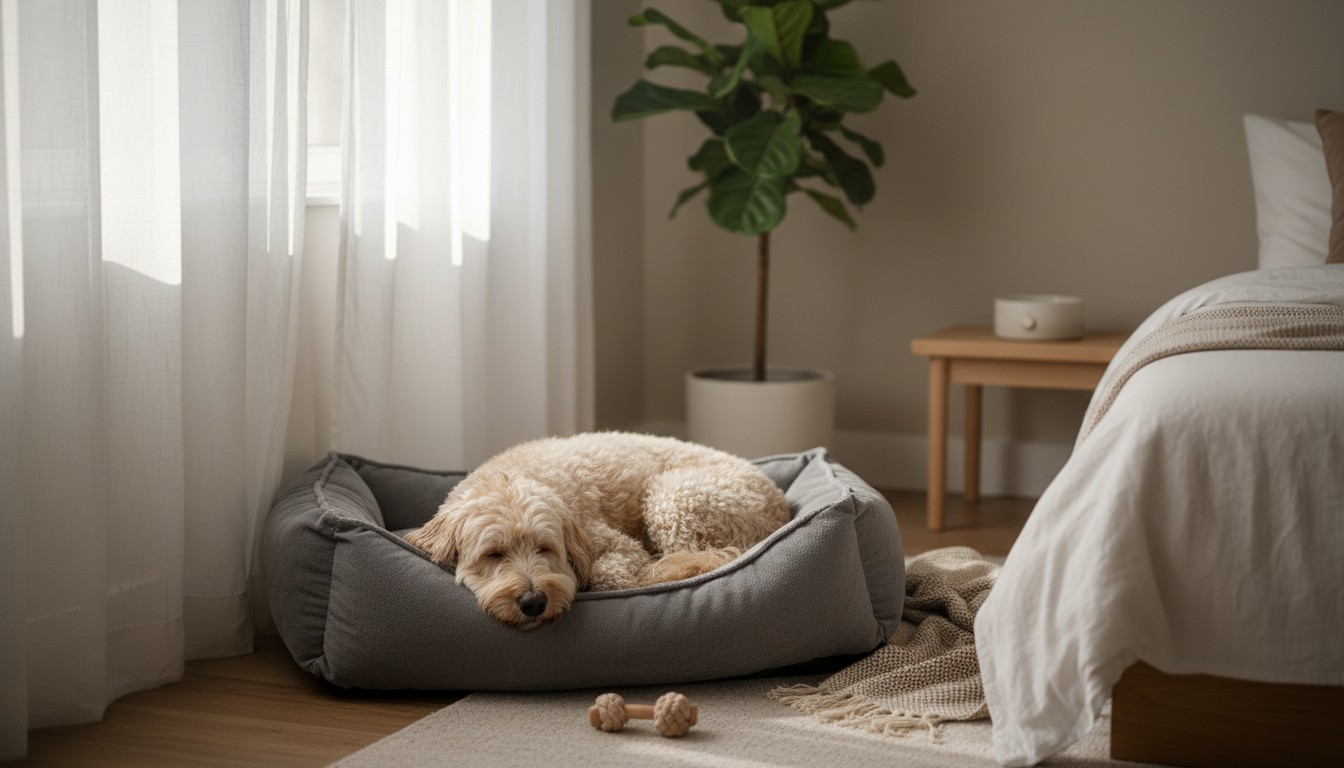
Acoustic management is arguably the most critical component of a decompression zone. Unlike humans, dogs and cats have a much wider frequency range of hearing, meaning the hum of a refrigerator or the distant rattle of a bus can be startling. To dampen these sounds, focus on soft furnishings. Thick-pile rugs from retailers like Dunelm or John Lewis can significantly reduce the 'echo' effect of hard laminate or wooden flooring. Heavy, thermal-lined curtains are also excellent for blocking out the sharp sounds of sirens or passing traffic.
Beyond dampening, you can use 'white noise' or specific auditory therapy to mask unpredictable sounds. Research suggests that classical music—specifically slow-tempo compositions—or reggae can lower heart rates in shelter dogs. Avoid high-pitched radio chatter or television noise, which can be perceived as chaotic. Instead, consider a dedicated pet sound machine or a simple fan. The goal is to create a consistent 'sound blanket' that prevents the pet from being jolted awake by common UK household noises like the post falling through the letterbox or a neighbour’s car door slamming.
Visual Control and Scent Neutrality
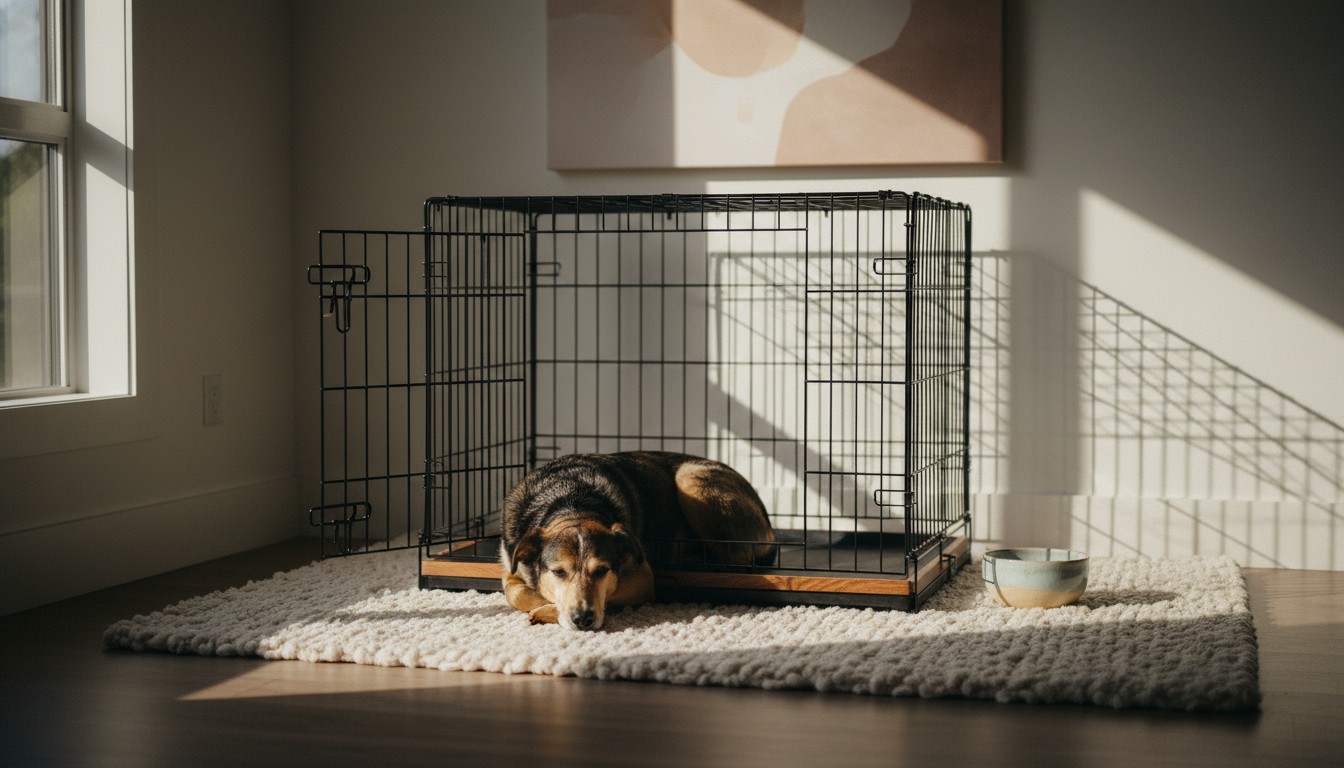
Visual overstimulation is a frequent trigger for anxiety. In the UK, many homes feature large windows or glass doors that look out onto busy streets or gardens with roaming cats. For a decompression zone, you should limit the pet's visual field. Frosted window film (available at B&Q or Argos) is a brilliant, non-permanent solution that lets light in while blocking the sight of 'triggers' like the postman or delivery vans. If film isn't an option, keep blinds partially closed to create a 'den-like' atmosphere.
Olfactory neutrality is equally important. While we might love the scent of a fresh Zoflora-cleaned floor or a Yankee Candle, these can be overwhelming for a new pet whose primary way of navigating the world is through scent. In the decompression zone, avoid strong synthetic fragrances. Instead, introduce calming pheromones such as Adaptil (for dogs) or Feliway (for cats), which are widely recommended by UK vets. You can also place an item of your worn clothing—like a soft cotton t-shirt—near their bed. This allows the pet to associate your scent with safety in a low-pressure environment, without the physical demand of direct interaction.
Troubleshooting: Signs of Sensory Overload
Even with a perfectly designed zone, some pets may struggle. It is vital to monitor for signs that the environment needs further adjustment. In dogs, look for 'displacement behaviours' such as excessive lip licking, yawning when not tired, or panting even when the room is cool. Cats may display 'piloerection' (fur standing on end), dilated pupils, or a refusal to leave a hidden corner for more than 12 hours. If you notice these signs, it may indicate that the zone is still too 'busy'.
A common mistake is trying to 'comfort' the pet too much. If they are hiding under a chair, let them stay there. Forcing interaction can actually increase their cortisol levels. If the pet refuses to eat in the decompression zone after 24 hours, try moving their food bowl further away from their bed or using a high-value topper like plain boiled chicken. If the pet shows signs of extreme distress—such as self-mutilation, constant howling, or aggression—this is the point where you should consult a professional behaviourist or your local vet to rule out underlying pain or severe separation anxiety.

Safety and Professional Guidance Note
While environmental management is a powerful tool, it is not a substitute for professional medical or behavioural advice. Before your pet arrives, ensure the decompression zone is 'pet-proofed' according to UK safety standards—check that no toxic plants (like lilies for cats) are present and that all electrical cords are tucked away behind furniture or in trunking. This is particularly important for puppies and kittens who may chew when stressed.
If your new pet is a rescue from overseas (such as Romania or Spain), their decompression needs may be more intense due to the long travel distance. In these cases, the decompression period may need to be extended from three days to several weeks. Always consult your vet if your pet appears lethargic or has a reduced appetite, as these can be signs of illness rather than just stress. For complex behavioural issues like resource guarding or fear-aggression, we strongly recommend finding a trainer registered with the Animal Behaviour and Training Council (ABTC) in the UK.
FAQ
How long should a pet stay in a decompression zone?
Most experts recommend a minimum of 72 hours (the 'three-day rule') for initial decompression. However, nervous rescue pets or those who have travelled long distances may require a week or longer. Watch for signs of relaxation—like stretching out while sleeping—before expanding their access to the rest of the house.
Should I leave the light on in the decompression zone?
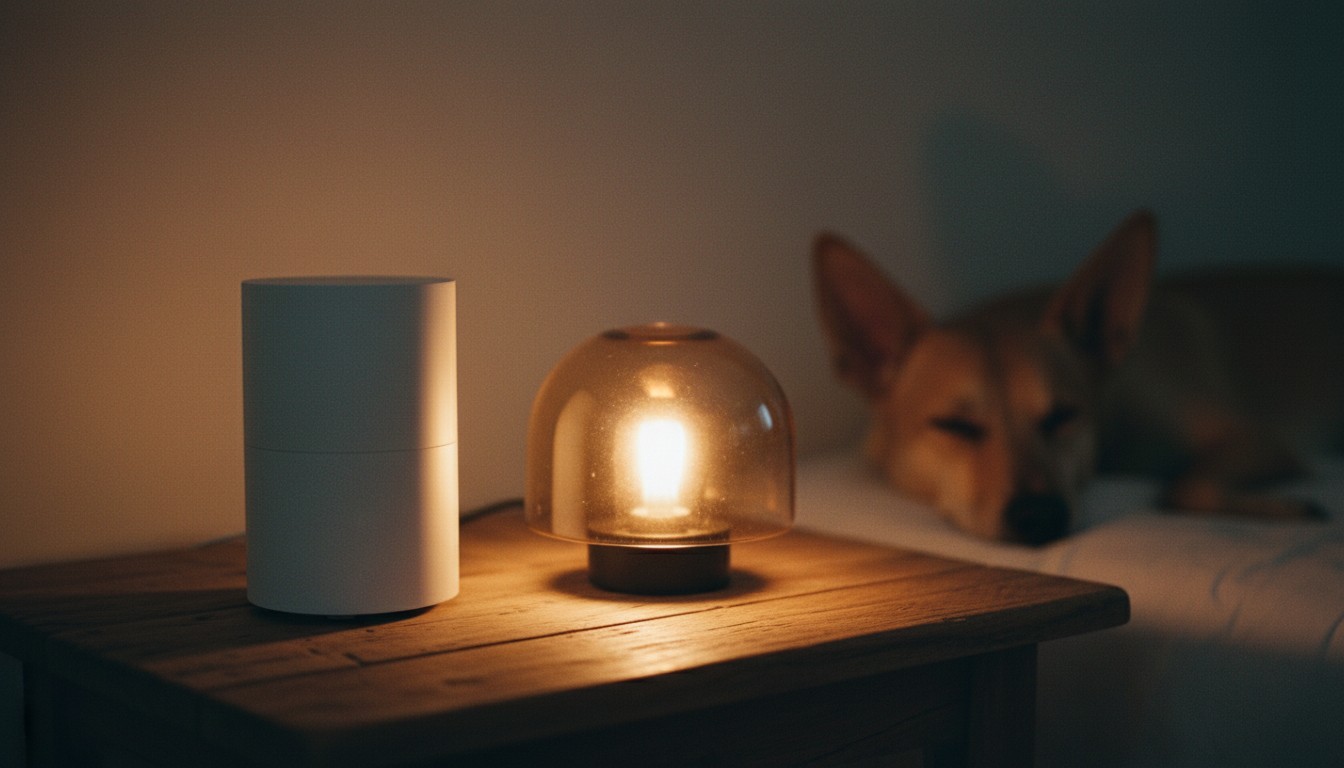
Low, ambient lighting is generally best. Total darkness can be disorienting, while bright overhead LEDs can be harsh. A small nightlight or a lamp with a warm-toned bulb creates a soothing atmosphere that helps the pet feel secure without being overstimulated.
Can I put my pet's crate in the decompression zone?
Yes, a crate can act as a 'den within a den'. Ensure the crate is covered with a heavy blanket on three sides to increase the feeling of security. The decompression zone should contain the crate, but the pet should have the choice to move between the crate and a nearby soft bed.
Conclusion
Designing a low-stimulus decompression zone for new pets is about more than just aesthetics; it is a fundamental part of responsible pet ownership that respects the biological needs of an animal in transition. By prioritising acoustic dampening, visual privacy, and scent neutrality, you provide the 'quiet' required for their brain to process their new reality. Remember that patience is your most valuable asset during this first week. Once you see your pet reliably relaxing, sleeping deeply, and showing curiosity about the door, you can begin the gradual process of introducing them to the rest of your home. If you are ever in doubt about your pet's progress, do not hesitate to reach out to a qualified UK behaviourist to ensure your new companion gets the best possible start in their 'forever' home.
References & Sources
This article was researched using the following sources:


