














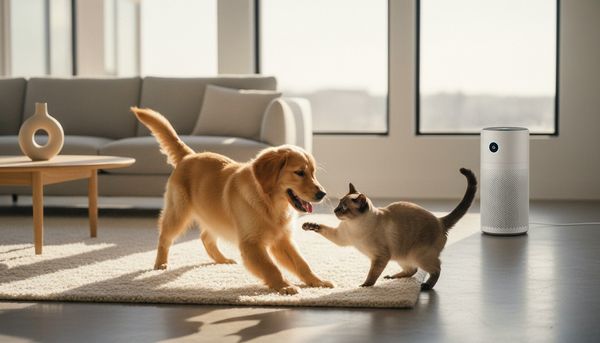
In many UK households, the evening ritual involves lighting a scented candle from John Lewis or switching on an essential oil diffuser to 'unwind'. While these habits create a relaxing atmosphere for humans, they can introduce significant essential oil hazards for pets. Many pet owners assume that 'natural' products are inherently safe, yet for our domestic companions, the air they breathe is a direct pathway for toxins. Unlike humans, cats and dogs have unique physiological limitations that make them highly susceptible to aerosolised droplets and volatile organic compounds (VOCs).
This article explores the biological mechanisms of harm, specifically focusing on how inhalation and secondary ingestion via grooming can lead to acute toxicity. We will examine the cumulative danger of running diffusers in enclosed British flats and provide actionable advice on maintaining a fresh-smelling home without compromising the welfare of your animals.
The Mechanism of Harm: Inhalation versus Ingestion
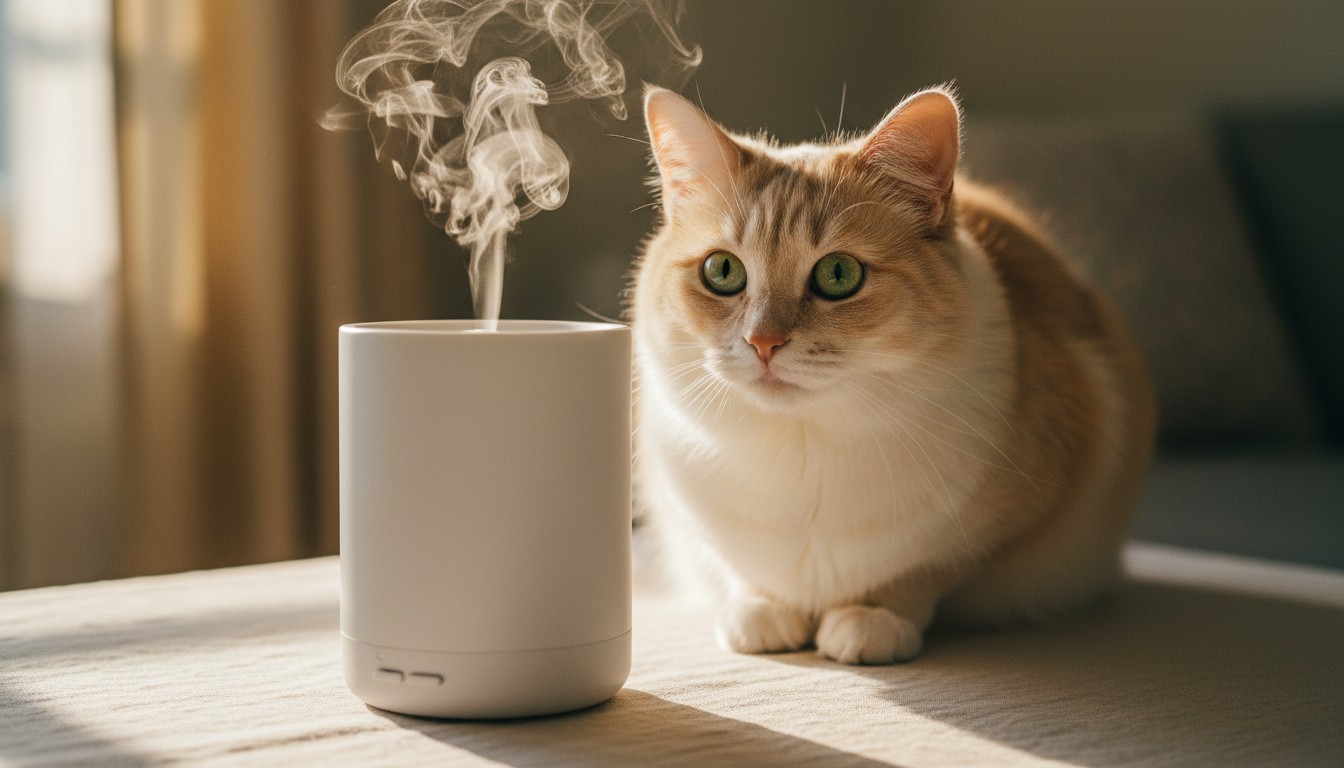
When an essential oil diffuser is active, it breaks down oils into micro-droplets that are dispersed into the air. For a dog or cat, this presents a dual-threat environment. Firstly, these particles are inhaled directly into the respiratory system. Because pets have a higher respiratory rate and smaller lung capacity relative to their body size, they absorb these compounds much faster than we do. In a typical UK semi-detached home where rooms may be smaller and less ventilated during winter months, the concentration of these droplets can reach dangerous levels quickly.
Secondly, there is the issue of secondary ingestion. These aerosolised droplets eventually settle on surfaces, including your pet's fur. Cats, being fastidious groomers, will lick these oils off their coats. This transforms a respiratory hazard into a gastrointestinal and systemic one. Unlike a one-off spill, a diffuser running for several hours a day creates a 'continuous loading' effect, where the pet's body is constantly trying to process new toxins before the previous dose has been cleared. This is particularly problematic in enclosed spaces like a small lounge or bedroom where the pet cannot escape the scent.
Furthermore, 'passive' diffusers like reed diffusers or warming pots also pose risks. While they don't actively mist the air, they still release VOCs. If a pet knocks these over, the concentrated oil can cause immediate chemical burns to the skin or paws, which are then further irritated when the pet tries to lick the area clean.
Biological Vulnerability: Liver Metabolism and Toxic Phenols
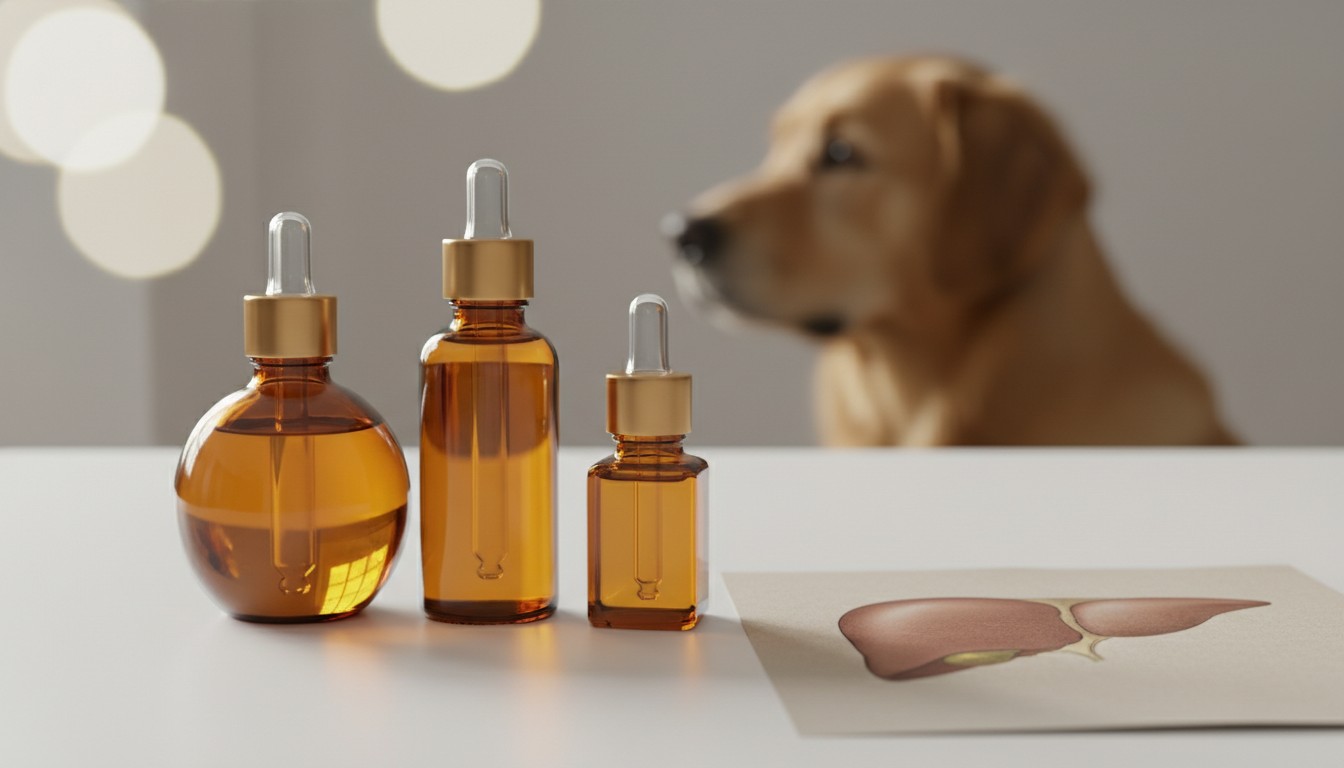
The reason certain essential oil hazards for pets are so severe lies in their internal chemistry. Cats, in particular, lack a vital liver enzyme called glucuronyl transferase. This enzyme is responsible for the 'glucuronidation' process, which breaks down specific compounds like phenols and monoterpenes. Phenols are found in high concentrations in popular oils like Wintergreen, Tea Tree, and Peppermint. Because the feline liver cannot process these efficiently, the toxins accumulate in the bloodstream, leading to liver failure or central nervous system distress.
Dogs are slightly more resilient than cats but are by no means immune. They can still suffer from hepatotoxicity if exposed to high concentrations over time. The cumulative nature of this exposure is what often catches owners off guard. A pet may seem fine for several weeks while a diffuser is used, but the internal damage is building quietly. This is often referred to as 'chronic loading', where the liver's compensatory mechanisms finally fail, leading to a sudden onset of illness that seems to have no immediate cause.
It is also important to distinguish between 'natural' and 'safe'. Many products sold in shops like Boots or Holland & Barrett are marketed as 100% natural, but for a pet, natural compounds like d-limonene (found in citrus oils) are potent neurotoxins. When these are aerosolised, the pet has no way to filter them out. The lack of regulation in the 'home fragrance' industry means that many products do not carry warnings regarding pet safety, leaving the responsibility entirely on the owner to research each individual ingredient.
Scented Candles and the Danger of Particulate Matter
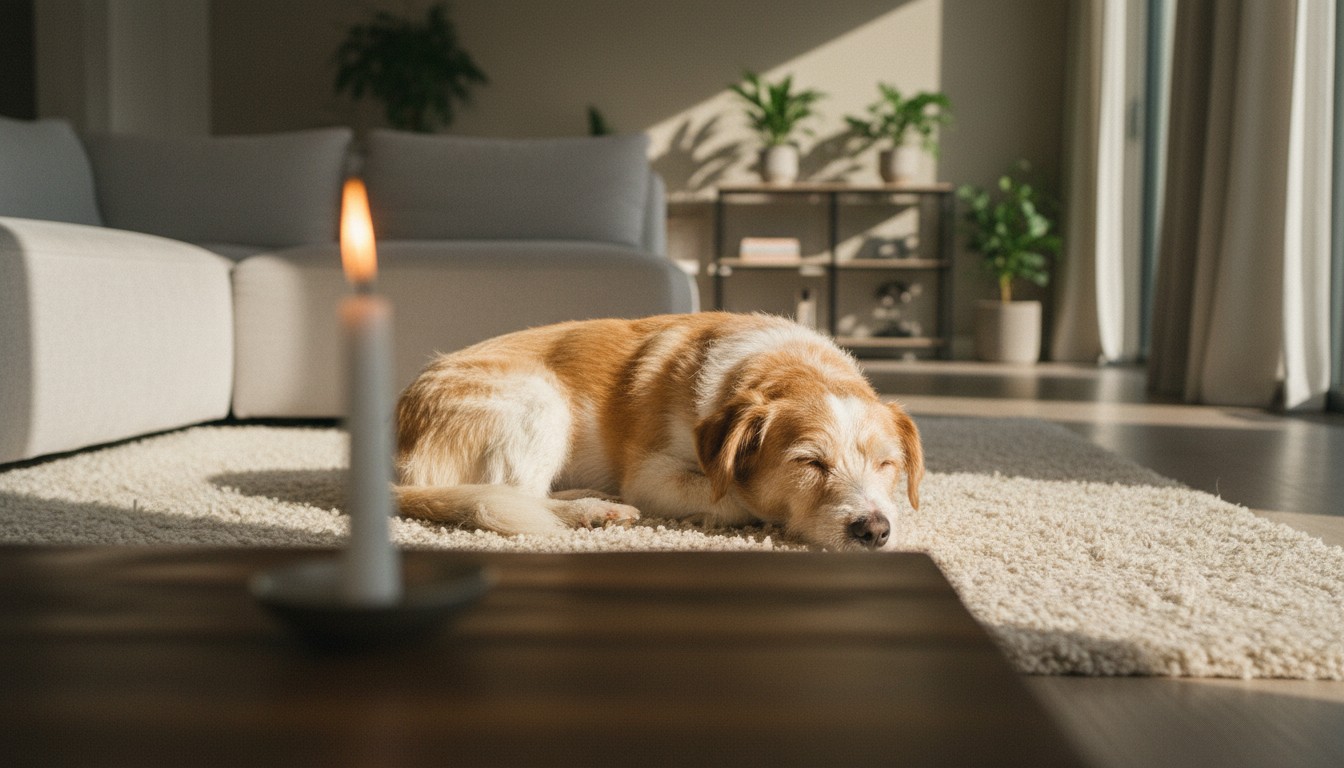
Scented candles are a staple in British homes, especially during the darker winter months. However, they contribute to indoor air pollution through the release of particulate matter and VOCs such as formaldehyde and benzene. Many cheaper candles found in supermarkets are made from paraffin wax, a petroleum by-product. When burnt, paraffin releases soot that can irritate the sensitive respiratory linings of birds, cats, and brachycephalic (flat-faced) dog breeds like Pugs or French Bulldogs.
Even 'luxury' candles can be problematic if they contain high levels of synthetic fragrances or lead-core wicks (though lead wicks are largely banned in the UK, some imported products may still contain them). The 'throw' of a candle—how far the scent travels—is achieved by the release of chemicals into the air. For a bird, whose respiratory system is incredibly efficient and sensitive, the fumes from a single scented candle can be fatal within a very short timeframe. For dogs and cats, the result is more likely to be chronic asthma or allergic bronchitis.
If you must use candles, look for those made from 100% beeswax or soy wax with cotton wicks and no added synthetic fragrances. However, even these 'cleaner' options still consume oxygen and release some level of combustion by-products. The best practice is to limit use to large, well-ventilated rooms and ensure the pet is not in the immediate vicinity of the smoke when the candle is extinguished, as 'snuffing' a candle releases a concentrated burst of soot and carbon monoxide.
Recognising the Signs: Troubleshooting and When to See a Vet
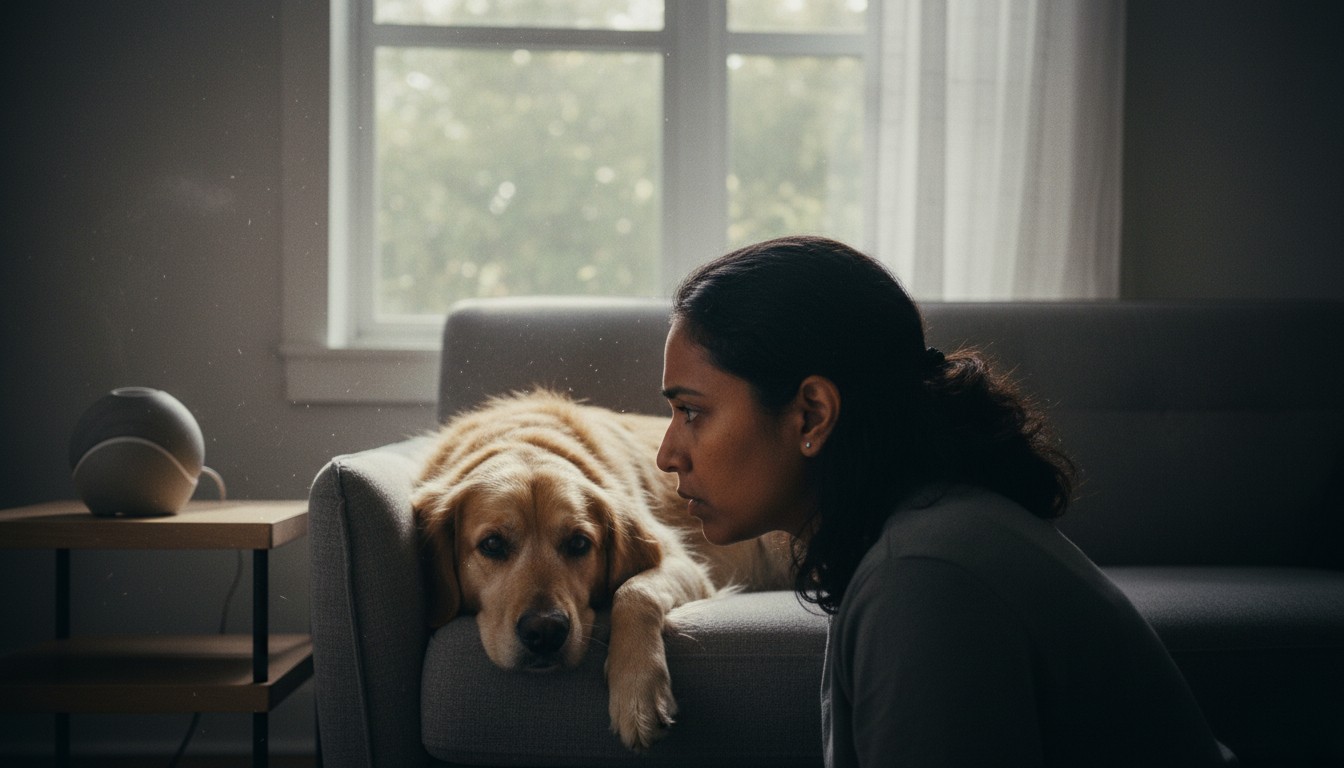
Recognising the early signs of essential oil toxicity can be the difference between a quick recovery and a fatal outcome. Symptoms of respiratory distress include coughing, wheezing, or 'laboured breathing', where the pet’s chest moves significantly more than usual. In cats, this may look like 'open-mouth breathing', which is always a medical emergency. If you notice your pet squinting, having watery eyes, or a running nose after you turn on a diffuser, they are likely reacting to the airborne irritants.
Systemic toxicity, caused by the liver’s inability to process the oils, manifests differently. Watch for signs of lethargy, stumbling (ataxia), or a sudden loss of appetite. In severe cases, pets may experience tremors or seizures. If you suspect your pet has been exposed to toxic levels of essential oils, the first step is to get them into fresh air immediately. Open all windows and doors to flush the room. Do not attempt to induce vomiting if they have licked the oil, as this can cause the oil to be aspirated into the lungs, leading to pneumonia.
If symptoms do not improve within minutes of moving to fresh air, or if you notice any neurological signs like wobbling, you must contact your vet or an emergency out-of-hours service immediately. Take the bottle of oil or the candle with you so the vet can identify the specific compounds involved. In the UK, organisations like the PDSA or Blue Cross provide excellent resources for identifying common household poisons, but they always recommend professional clinical intervention for suspected toxicity.
Safer Alternatives for a Fresh-Smelling UK Home
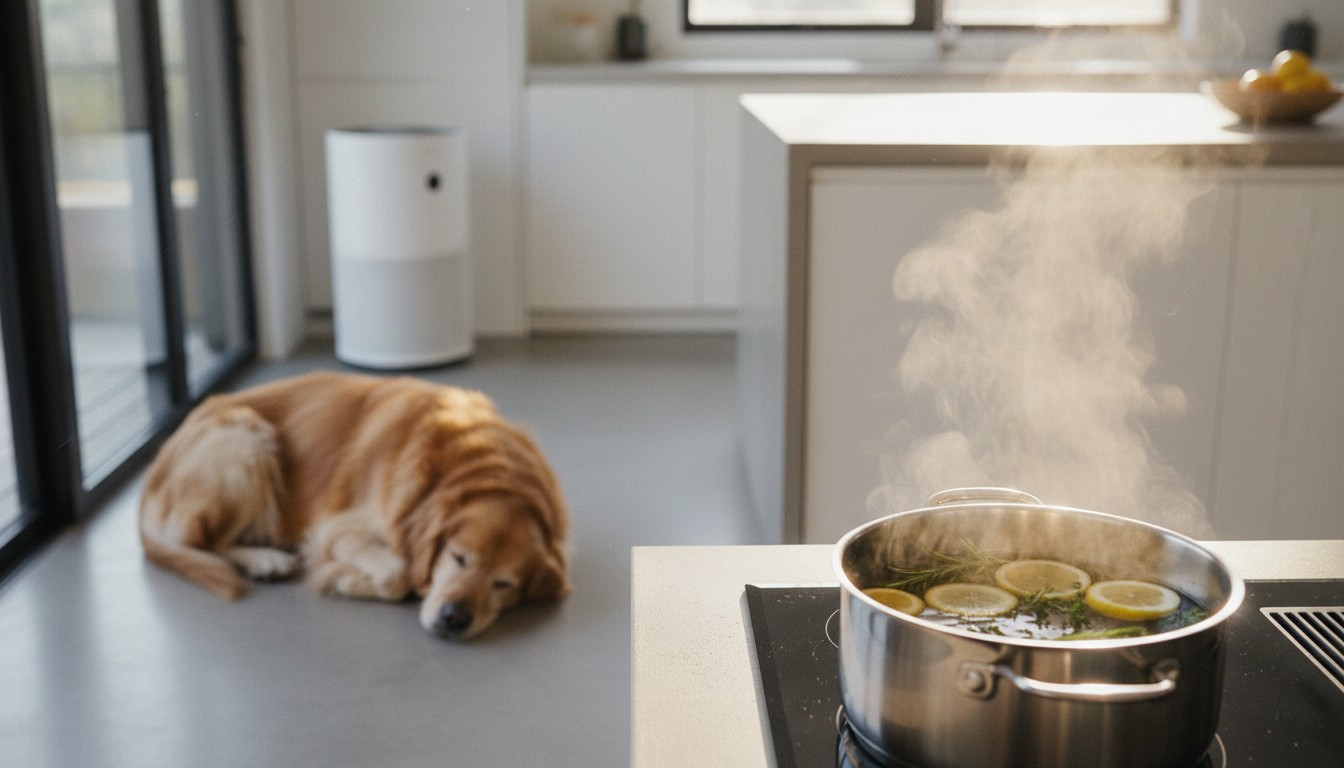
Maintaining a pleasant-smelling home doesn't have to mean risking your pet's health. The most effective way to manage odours is through air purification rather than masking scents. High-quality air purifiers with HEPA and activated carbon filters (available at retailers like Argos or Currys) are excellent at removing both pet dander and existing household odours without adding chemicals to the air. Regularly opening windows to create a cross-breeze—even for ten minutes a day—can significantly improve indoor air quality.
For those who miss the ritual of home fragrance, consider 'simmer pots'. This involve simmering pet-safe ingredients like sliced apples, cinnamon sticks (in moderation), or ginger in a pot of water on the hob. This releases a gentle, moisture-rich scent without the concentrated oils or soot found in commercial products. Always ensure the pot is never left unattended and that the ingredients used are non-toxic to your specific pets.
Another option is the use of high-quality odour neutralisers that are specifically labelled as pet-safe. These typically use enzymes to break down odour molecules rather than covering them up with heavy perfumes. When cleaning, stick to simple solutions like diluted white vinegar or baking soda for surfaces, as these are effective, inexpensive, and pose zero respiratory risk to your animals. By shifting the focus from 'adding scent' to 'removing odour', you create a much healthier environment for every member of the family.
FAQ
Which essential oils are the most toxic to cats and dogs?
Oils high in phenols and monoterpenes are the most dangerous. This includes Tea Tree (Melaleuca), Peppermint, Wintergreen, Pine, Ylang Ylang, and Citrus oils. Even small amounts inhaled through a diffuser can cause liver stress or respiratory irritation.
Can I use a diffuser if it's in a different room from my pet?
While it is safer than having the pet in the same room, it is not risk-free. Air circulates through vents and under doors, and the droplets eventually settle on surfaces that your pet may walk on or lick later. Ensure the room is strictly 'off-limits' and well-ventilated.
Are 'pet-safe' essential oils actually safe?
Some oils like Lavender or Valerian are considered 'safer', but 'safe' is relative. Any aerosolised oil can still irritate a pet with asthma or allergies. Always use highly diluted versions and observe your pet closely for any changes in behaviour or breathing.
What is the safest way to scent my home with pets?
The safest methods are using an air purifier to remove odours, opening windows for ventilation, or using simmer pots with whole ingredients like apples and berries. If using candles, choose 100% beeswax or soy with no synthetic fragrances.
Conclusion
Creating a fragrant home should never come at the expense of your pet's long-term health. The essential oil hazards for pets are real and often invisible, manifesting as chronic liver strain or respiratory distress that can go unnoticed until it becomes an emergency. By understanding the unique biological vulnerabilities of cats and dogs—specifically their inability to process certain phenols—you can make more informed choices about the products you bring into your living space.
Prioritise ventilation and cleanliness over masking scents. If you suspect your pet has been affected by home fragrances, seek veterinary advice immediately. For further guidance on pet-safe environments, consult with your local vet or reputable UK charities like the PDSA. Your pets rely on you to curate a safe 'airspace' for them; a few small changes today can ensure they breathe easily for years to come.
References & Sources
This article was researched using the following sources:


