














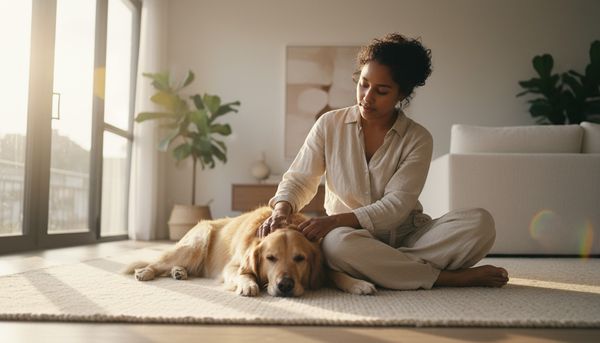
As a devoted pet owner in the UK, you likely know every quirk of your companion's personality. However, identifying subtle physical changes requires more than just a casual glance. Conducting a systematic nose-to-tail pet health exam every week is the most effective way to transition from reactive care to proactive wellness. By establishing a 'normal' baseline for your pet, you can detect lumps, inflammation, or discomfort long before they become clinical emergencies. This structured routine involves a tactile inspection of everything from their dental health to their lymph nodes. In this guide, we will walk you through the professional techniques used by veterinary nurses, localized for British households, ensuring you have the confidence to monitor your pet's health between scheduled visits to the surgery.
The Face of Health: Inspecting Eyes, Ears, and Gums
Begin your exam at the front. A healthy pet’s eyes should be clear, bright, and free from discharge. Gently pull down the lower eyelid; the tissue should be a healthy pink. If you notice 'cloudiness' or excessive tearing, it could indicate an infection or an ulcer. Move to the ears. Instead of just looking, use your sense of smell. A healthy ear should be odourless. If you detect a yeasty or 'musty' smell, or see dark, waxy debris resembling coffee grounds, it often points to a mite infestation or a yeast infection common in damp British climates.
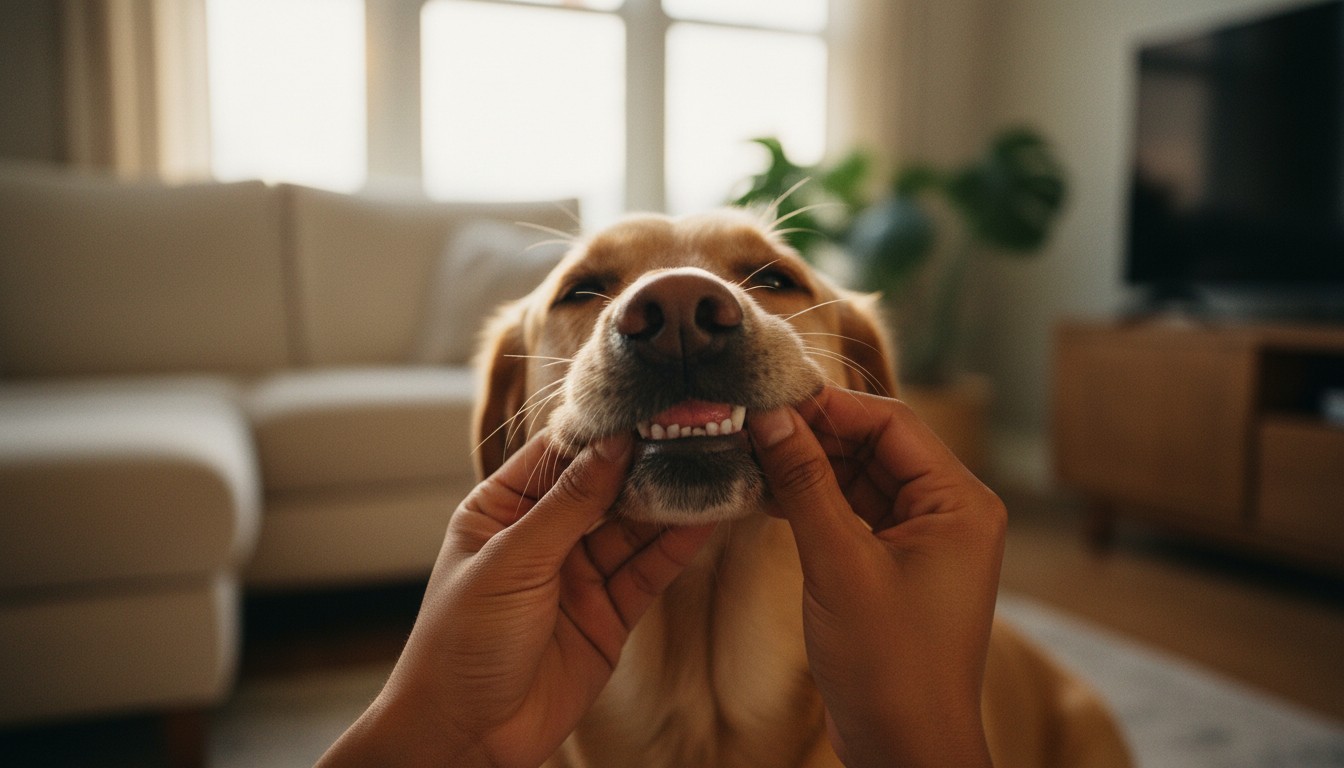
Next, inspect the mouth. Lift the 'flews' (lips) to check the gums. They should be a 'bubblegum pink' colour and feel slippery or wet to the touch. If they feel tacky or dry, your pet may be dehydrated. Perform a Capillary Refill Time (CRT) test by pressing your finger firmly against the gum until it turns white, then release. The colour should return within two seconds. If it takes longer, or if the gums are pale or bright red, contact your vet immediately, as this can signal circulatory issues or systemic illness.
Lymph Nodes and Body Condition Scoring
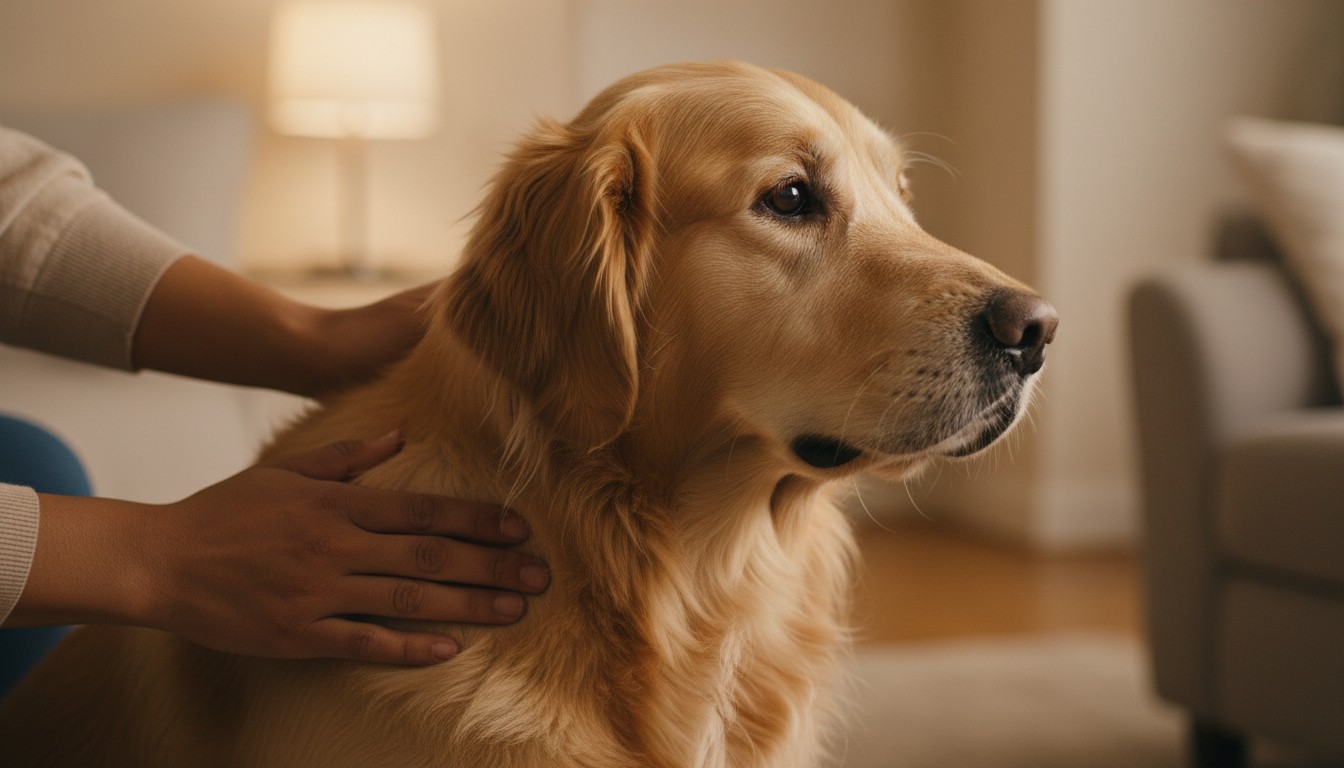
Moving down the neck, it is vital to learn where a pet's lymph nodes are located. These are the filters of the immune system and will swell if there is an infection or more serious underlying condition. The most accessible are the submandibular nodes, located just under the jawline where the neck meets the head. They should feel like small, firm, but mobile peas. If they feel like hard grapes or golf balls, it is an urgent sign to see a professional.
Simultaneously, assess your pet's Body Condition Score (BCS). In the UK, obesity is a significant welfare concern. Run your hands along the ribcage. You should be able to feel each individual rib with light pressure, similar to feeling the back of your hand. If you have to 'dig' to find the ribs, your pet is likely overweight. Conversely, if the ribs are visible or feel like your knuckles when making a fist, they may be underweight. Look for a visible 'waist' when viewing them from above, a common metric used by the Royal Veterinary College to determine healthy weight ranges.
Abdominal Palpation and Skin Quality
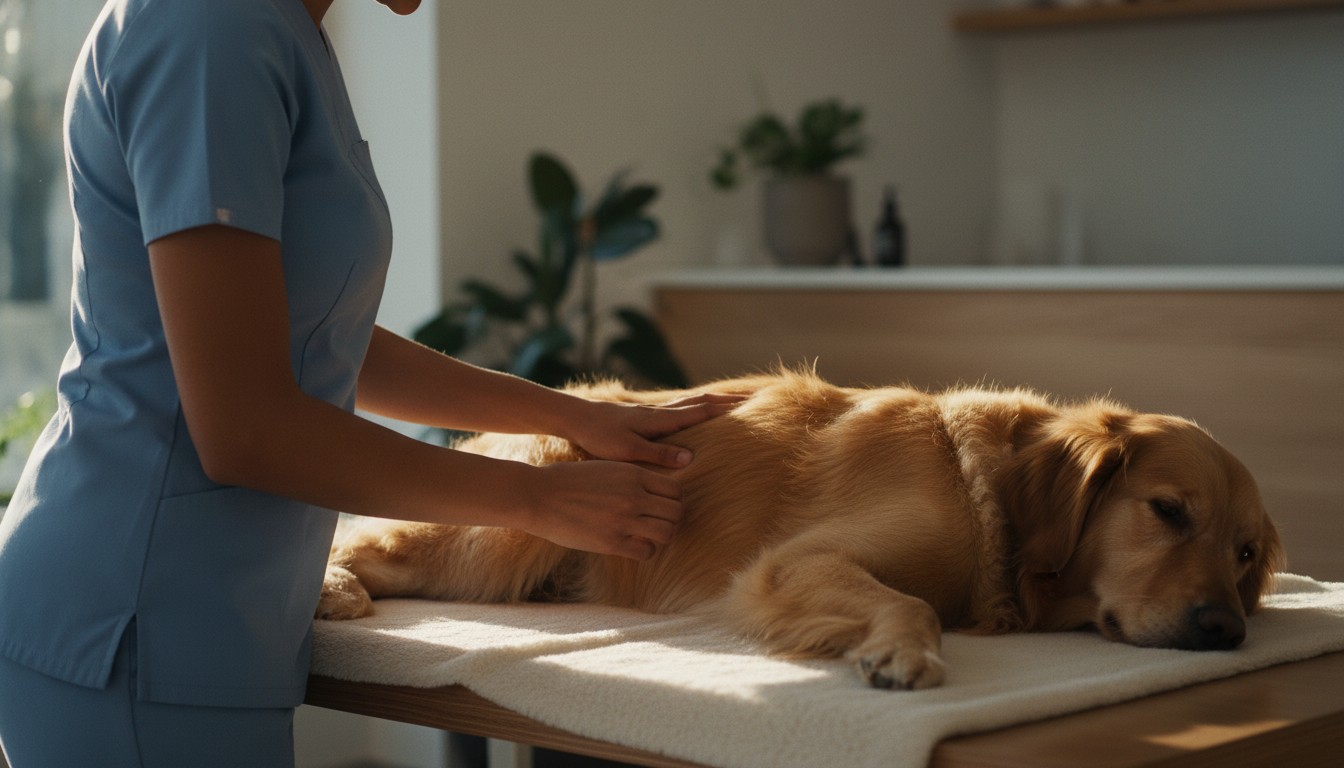
The abdomen houses the major organs, and while you aren't performing a diagnostic ultrasound, you can feel for tension or masses. Stand behind your pet and place both hands on either side of the belly, just behind the ribs. Use the 'flats' of your fingers rather than your tips to apply gentle, upward pressure. The area should be soft and tucked up. If your pet 'splints' (tenses their muscles), growls, or tries to move away, it suggests abdominal pain. Note any hard masses or a 'doughy' feeling which could indicate bloating or fluid retention.
While your hands are on the body, part the fur to inspect the skin and coat. A healthy coat should be shiny and not 'staring' (brittle and upright). In the UK, seasonal changes often bring about dry skin or flea allergies. Look for 'flea dirt'—tiny black specks that turn red when placed on a wet piece of white kitchen roll. Also, check for skin turgor: gently pinch the skin between the shoulder blades and release. It should snap back instantly. If it remains 'tented' for more than a second, your pet is likely suffering from significant dehydration, which is common during rare British heatwaves or if they are unwell.
Limbs, Paws, and the 'Tail End'
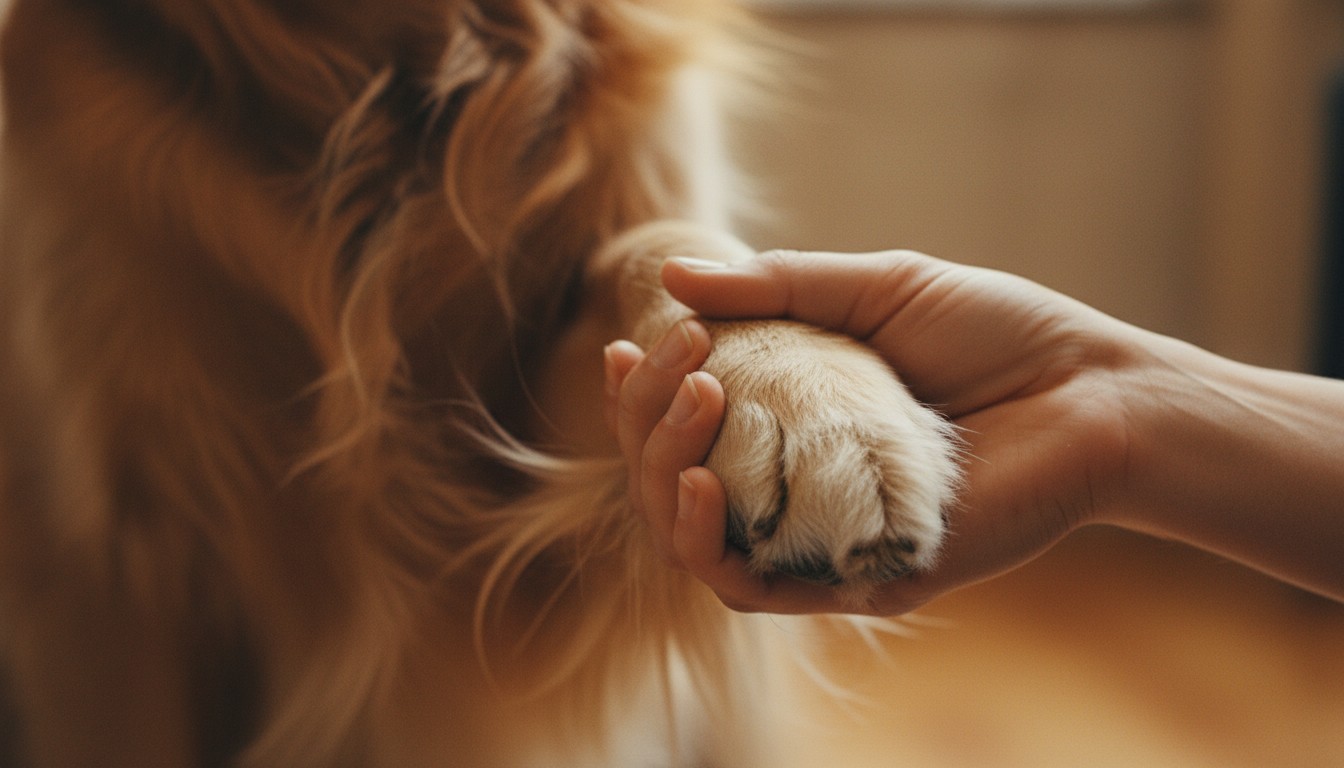
Finish the exam by checking the four limbs. Run your hands down each leg, feeling for heat, swelling, or 'joint thickening' which could indicate arthritis, especially in older pets during cold British winters. Pay close attention to the paws. Inspect between the 'toes' and pads for grass seeds—a common and dangerous issue in the UK countryside—or cracked pads from walking on salted winter pavements. Ensure the claws are a sensible length and not curling back into the pad. If you hear a 'clicking' sound on your kitchen tiles, it’s time for a trim.
Finally, check the rear end. The area under the tail should be clean and dry. In cats, matting here can indicate they are struggling to groom due to age or weight. For dogs, keep an eye out for 'scooting' or a pungent, metallic smell, which usually points to impacted anal glands. This systematic approach ensures no part of your pet's anatomy is overlooked, allowing you to catch issues like 'bumblefoot' or minor strains before they escalate into lameness.
Troubleshooting: When the Exam Goes Wrong
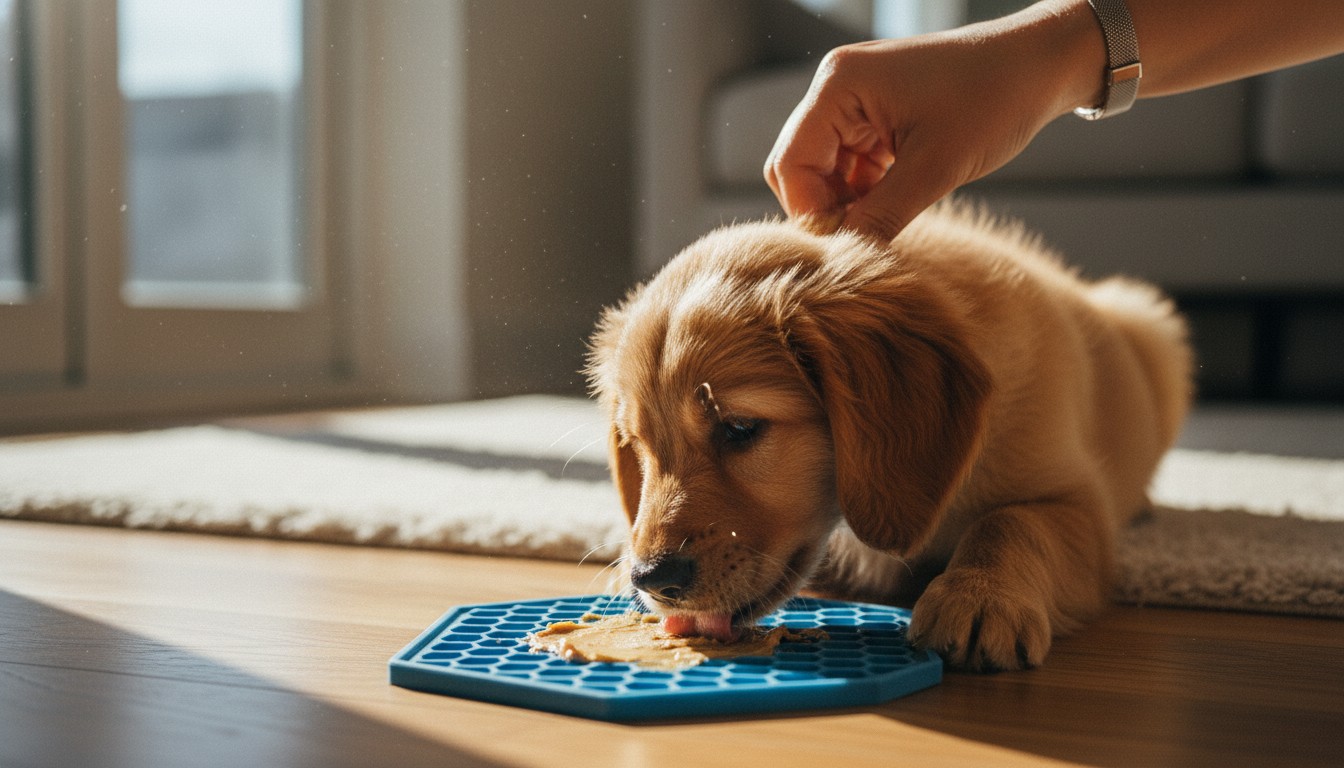
Not every pet will enjoy being handled initially. If your dog or cat becomes stressed, snaps, or tries to hide, do not force the exam. This 'fear-free' approach is essential for maintaining trust. You can troubleshoot resistance by using high-value rewards, such as a bit of plain cooked chicken or a lick-mat spread with peanut butter (ensure it is xylitol-free). Break the exam into smaller chunks—check the ears on Monday and the paws on Tuesday—until they become desensitised to the touch.
If you find an abnormality, such as a lump or an unusual discharge, stay calm. Use your mobile phone to take a clear photo or a short video of the concern. This 'digital evidence' is incredibly helpful for your vet during a consultation. If your pet shows signs of acute pain during any part of the exam—such as yelping or snapping—cease immediately. This is a clear indicator that the issue requires professional intervention. Remember, the goal of the at-home check is not to diagnose, but to identify when a professional diagnosis is necessary.
FAQ
How often should I perform a nose-to-tail exam?
Ideally, you should perform this check once a week. This frequency allows you to become intimately familiar with your pet's 'normal' state, making it much easier to spot a new lump or a slight change in coat texture immediately.
What is the most important part of the home health check?
The most critical aspect is consistency. While checking the gums and lymph nodes is vital, the true value lies in knowing what is normal for your specific pet so that you can report changes to your vet accurately.
My pet won't let me touch their paws, what should I do?
Paws are a sensitive area for many animals. Start by simply touching their shoulder and rewarding them with a treat, slowly moving your hand down the leg over several days. Never force the paw-check, as this can lead to fear-based aggression.
Should I be worried about every lump I find?
While many lumps are benign lipomas (fatty deposits), you cannot tell by sight or touch alone. Any new lump, especially one that is hard, fixed in place, or growing rapidly, should be aspirated and checked by a vet.
Conclusion
Performing a systematic nose-to-tail pet health exam is a fundamental skill for any proactive owner. By spending just ten minutes a week, you move beyond simply 'watching' your pet to actively monitoring their internal health and physical integrity. This routine not only facilitates early medical intervention—which can be life-saving and more cost-effective—but also strengthens the bond between you and your companion through gentle, purposeful handling. If you discover anything unusual, from a change in gum colour to a swelling in the lymph nodes, record your findings and book an appointment with your local vet. Always prioritise your pet's comfort; if they show signs of distress or pain, seek professional guidance immediately. Your hands are often the first line of defence in your pet's long-term health journey.
References & Sources
This article was researched using the following sources:


