














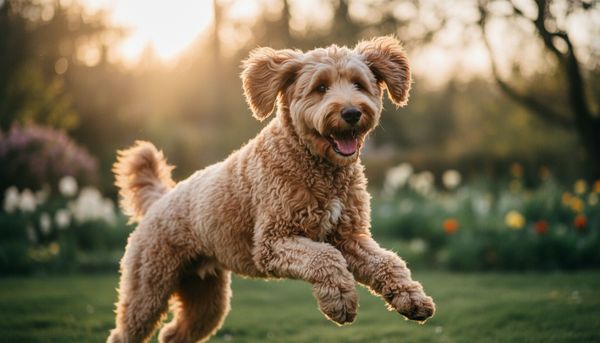
Many dedicated dog owners spend hours grooming their pets, only to be told by a professional groomer that the dog is 'pelted' and must be shaved to the skin. This heartbreaking 'aha' moment usually stems from a misunderstanding of how long-haired coats function. Most owners perform surface brushing—gliding a tool over the top layer—while the real trouble brews at the base. To truly protect your dog's welfare and maintain a beautiful coat, you must master line brushing. Line brushing is a systematic method of parting the hair to the skin and working through the coat layer by layer. By ensuring the brush reaches the very bottom of the hair shaft, you can eliminate the dead undercoat before it knots into the dense, painful mats that traditional brushing often misses. In this guide, we will explore why this professional technique is the gold standard for home maintenance.
The Illusion of the Brushed Dog: Why Surface Brushing Fails
The most common frustration for owners of 'doodle' crossbreeds, Spaniels, or Collies is the discovery of hidden mats despite daily attention. This occurs because long-haired coats are multi-dimensional. When you use a brush without a specific technique, the bristles often only penetrate the top two or three centimetres of fur. While the surface looks fluffy and well-maintained, the hair closest to the skin remains untouched. Over time, friction, moisture, and shed undercoat cause these bottom layers to interweave, forming a solid 'felt' or 'pelt' against the skin.
Pelting is significantly more than a cosmetic issue; it is a genuine welfare concern in the UK. When hair felts close to the skin, it restricts airflow, traps moisture from rainy British walks, and can lead to painful sores or hot spots. Because the skin is being pulled tight by these knots, the dog often experiences constant discomfort that they cannot communicate. Line brushing solves this by ensuring that every single strand of hair is separated from the root to the tip, preventing the 'foundation' of the coat from collapsing into a mat.
The Grooming Kit: Essential Tools for the UK Owner
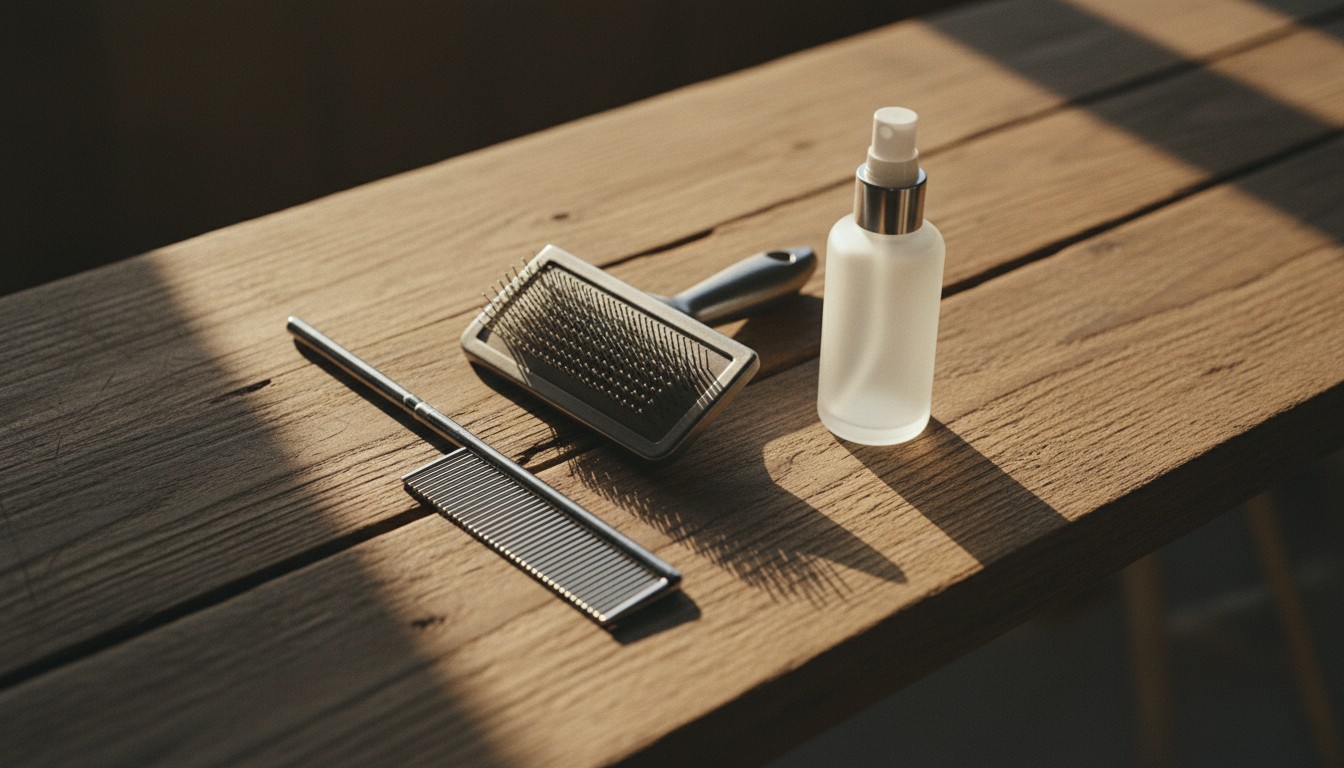
To perform line brushing effectively, you cannot rely on a standard supermarket brush. You require tools designed to reach the skin without causing 'brush burn' or irritation. The first essential is a high-quality long-pinned slicker brush. Unlike the cheaper versions found in local discount shops, professional slicker brushes have angled pins that are flexible enough to grab the undercoat without scratching the epidermis. In the UK, brands like Chris Christensen or Wahl are highly regarded by professionals for their durability and ergonomics.
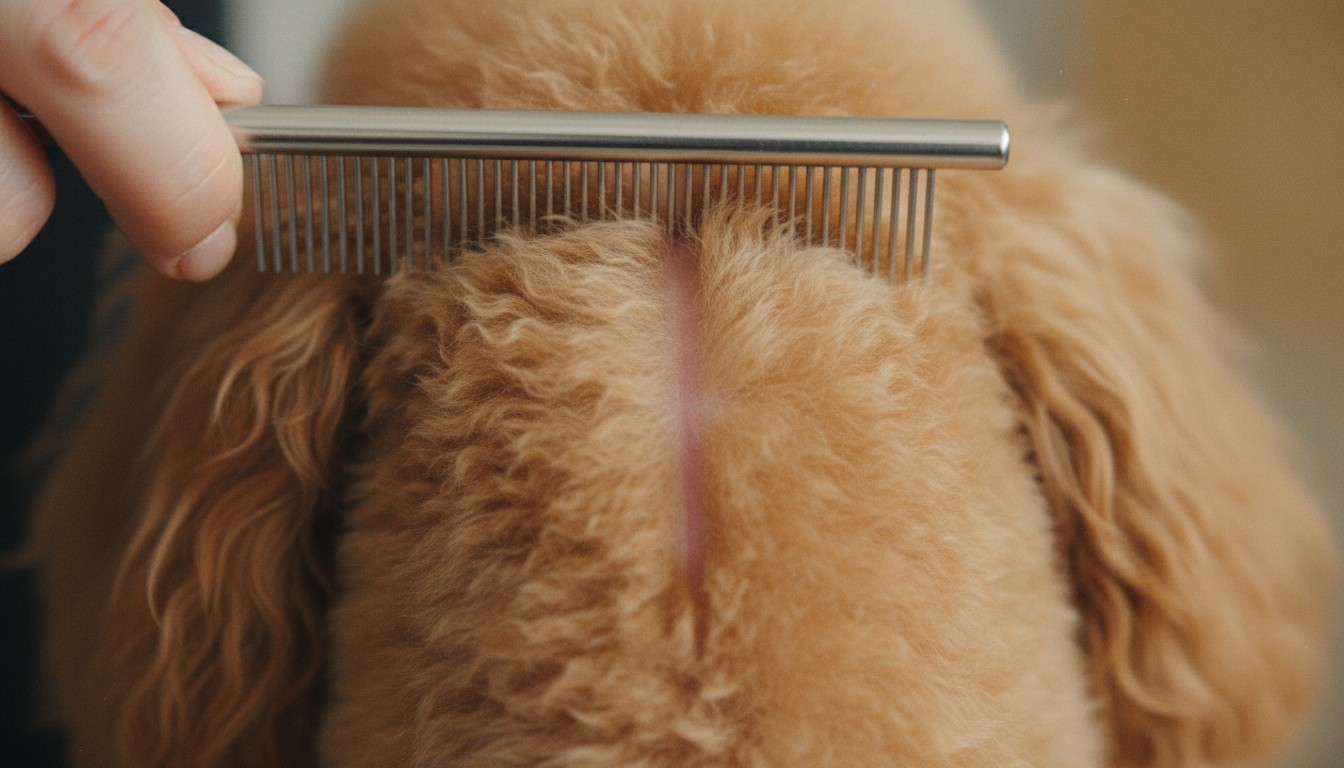
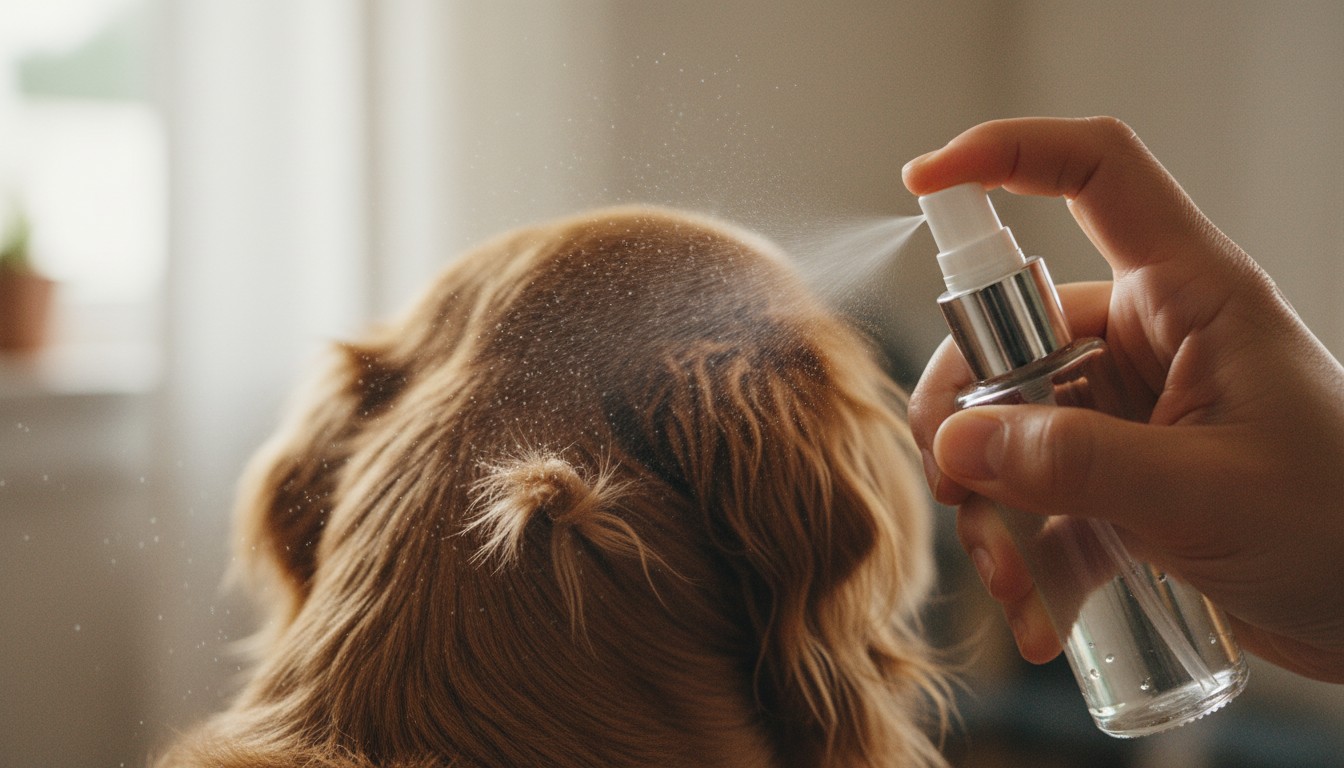
Following the slicker brush, you must have a metal 'Greyhound' comb. This tool is your diagnostic instrument; if the comb cannot pass through the section you have just brushed from the skin out, a mat is still present. Additionally, a detangling or conditioning spray is vital. Brushing dry hair can cause static and breakage, which actually encourages future matting. Look for UK-available products like those from Groomers Online or even a simple diluted conditioner spray to provide 'slip' to the hair shaft during the process. This kit transforms the chore of grooming into a precise, professional-level maintenance routine.
Mastering the Method: A Step-by-Step Guide to Line Brushing
The secret to line brushing is the 'bottom-to-top, side-to-side' approach. Start at the lowest point of your dog—usually the hock on a back leg. Use your non-dominant hand to push the hair upwards, exposing a clear 'line' of skin. With your dominant hand, take your slicker brush and gently 'pat and pull' a small section of hair downwards from that line. It is crucial to use a soft touch; you are not scrubbing the skin, but rather catching the hair right at its base and pulling the brush through to the ends.
Work your way across the leg in a horizontal line. Once that row is finished, drop a new thin layer of hair down (about one centimetre thick) and repeat the process. This creates a systematic 'ladder' effect as you move up the dog's body. By working in small, controlled sections, you ensure that no patch of fur is overlooked. Once a section is brushed, always follow up with your metal comb. If the comb catches, go back with the slicker brush. It may take longer than your usual routine, but the results are a completely airy, mat-free coat that feels lighter and more comfortable for your pet.
Troubleshooting: Managing Mats and Sensitive Spots
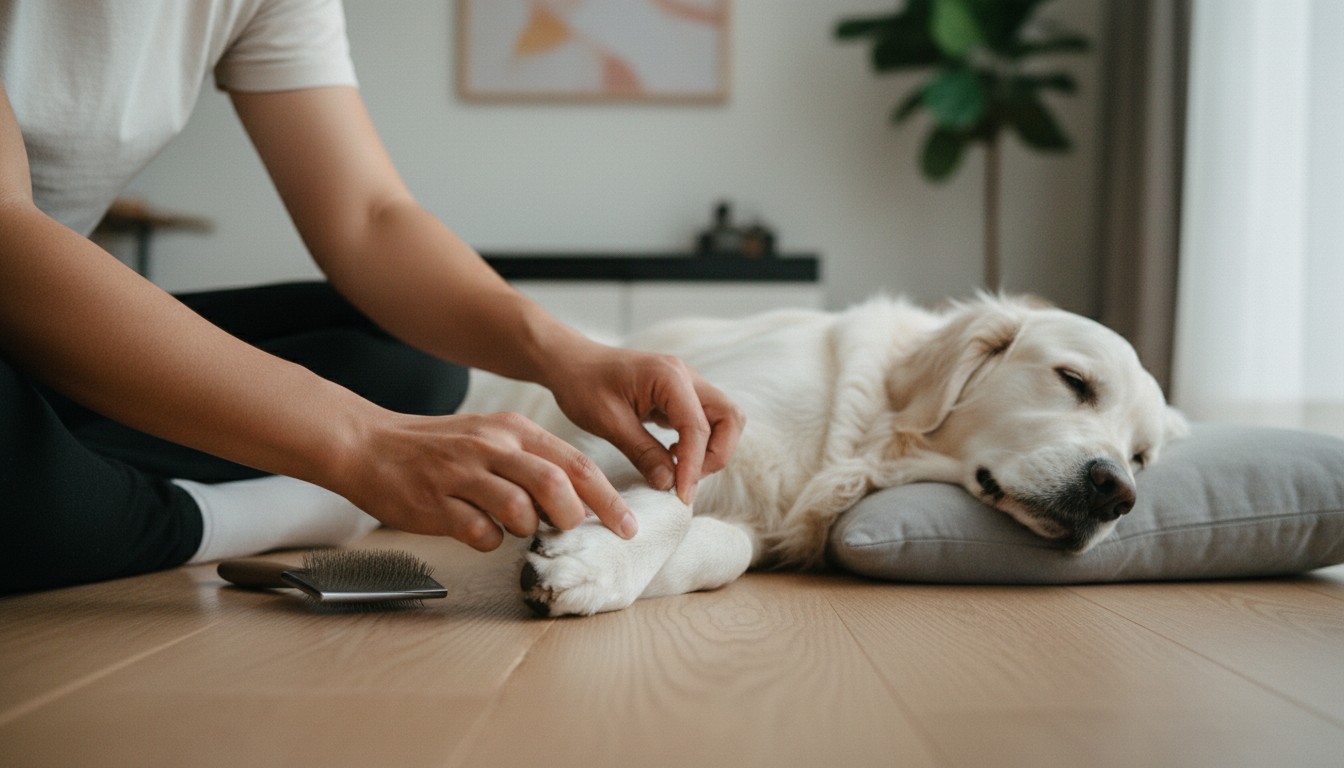
Even with regular line brushing, you may encounter resistance. High-friction areas—such as behind the ears, the armpits, and where the harness sits—are notorious for developing 'pin-head' mats. If your brush catches, do not yank. This will cause the dog pain and make them dread future grooming sessions. Instead, hold the base of the mat with your fingers to protect the skin from being pulled and use the edge of your slicker brush to gently pick at the knot. If the mat is too tight, a small amount of detangling spray can help lubricate the fibres.
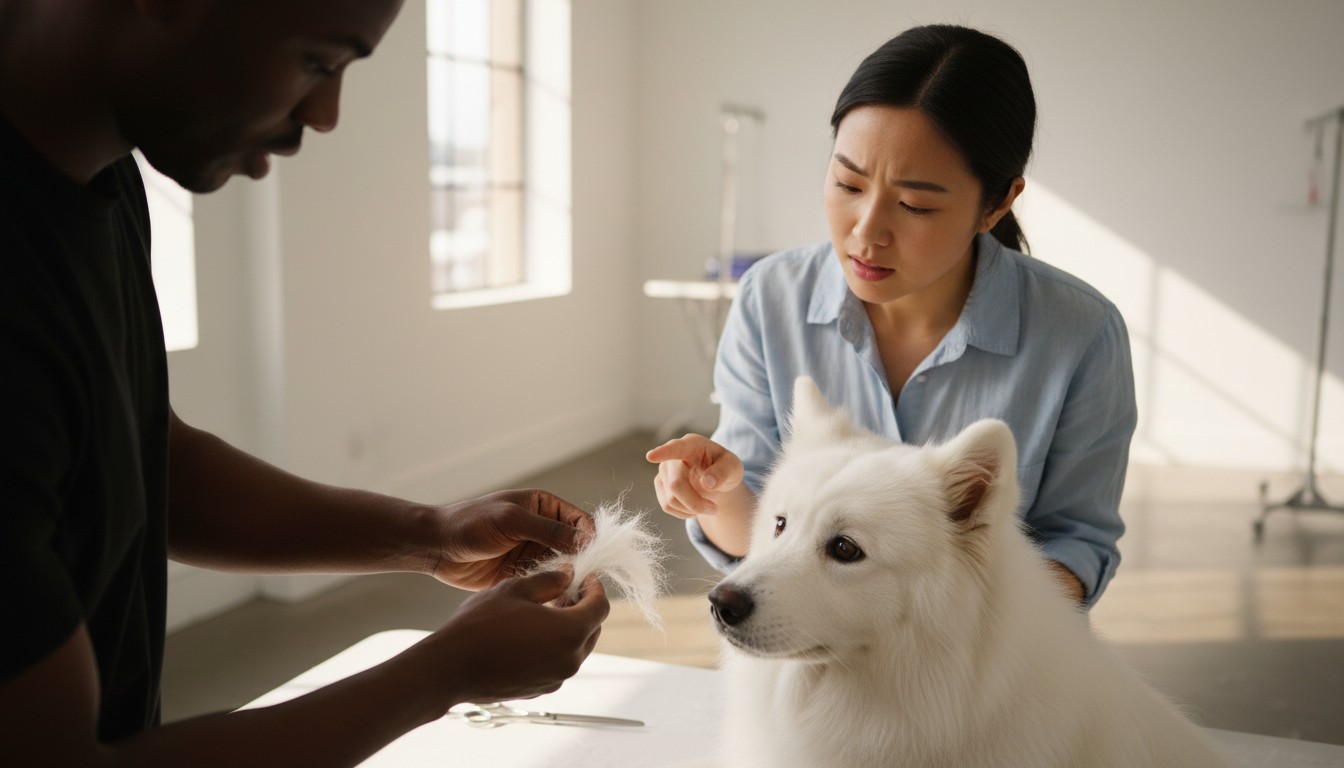
There are times when a mat is simply too dense to brush out safely. If you find a 'pelted' patch that is tight against the skin, the most humane option is to use safety clippers to remove it. Attempting to brush out a severe mat can cause skin tearing and significant distress. If you find yourself consistently struggling with certain areas, it may be a sign to adjust your dog's equipment; for example, swapping a fleece-lined harness for a rolled leather collar can reduce friction. If the coat is beyond your ability to manage, seek help from a professional UK groomer who can 'reset' the coat safely.
The Welfare Connection: Beyond Just Aesthetics
In the UK, the Animal Welfare Act 2006 stipulates that owners have a duty of care to protect their pets from pain, injury, and disease. Severe matting is a direct violation of this duty. When a dog becomes pelted, the skin cannot 'breathe', leading to an accumulation of yeast and bacteria. In the damp British climate, a matted coat stays wet for much longer after a walk, which can cause the dog's core temperature to drop and increase the risk of fungal infections. Furthermore, mats can hide parasites like ticks or fleas, making it difficult to monitor your dog's health.
Line brushing is the most effective preventative medicine for these issues. By keeping the coat separated, you allow for natural thermoregulation and easy inspection of the skin for any lumps, bumps, or irritations. Professional groomers often have to perform a 'rescue clip' (shaving a dog very short) because the welfare risk of de-matting is too high. By committing to line brushing at home, you avoid the 'shame' of the shave-down and, more importantly, ensure your dog lives a life free from the constant, pinching pull of tangled fur.
Building Trust: Making Grooming a Positive Experience
Because line brushing is a detailed process, it requires your dog to stay still for extended periods. This is not a skill dogs are born with; it must be taught through positive reinforcement. Start by brushing for just five minutes at a time, focusing on easy areas like the back. Use high-value treats—perhaps a bit of plain cooked chicken or a lick-mat with dog-safe peanut butter—to create a positive association. If your dog shows signs of stress, such as lip licking, yawning, or pulling away, stop and take a break.
Consistency is more important than duration. It is far better to line brush one leg thoroughly every day than to try and do the whole dog once a month. Create a calm environment: turn off the television, find a well-lit area, and perhaps use a raised surface (with safety restraints) to save your back and signal to the dog that it is 'work time'. Over time, most dogs come to enjoy the one-on-one attention and the soothing rhythm of the brush. This bonding time is a vital part of responsible pet ownership in the UK, ensuring that your dog remains both beautiful and comfortable throughout the year.
FAQ
How often should I line brush my dog?
For long-haired breeds or 'doodle' mixes, you should aim to line brush high-friction areas (like ears and legs) daily, and the full body at least 2-3 times a week. This prevents the small tangles that quickly escalate into deep mats.
Can I line brush a dog that is already heavily matted?
No. If your dog is already 'pelted' or has large mats tight to the skin, line brushing will be extremely painful and could tear the skin. In these cases, the mats must be safely clipped out by a professional groomer before you can start a maintenance routine.
Does line brushing work on all coat types?
While it is specifically designed for long-haired, curly, or double-coated breeds, it is beneficial for any dog with a thick coat. It is not necessary for short-haired breeds like Labradors or Beagles, where a simple de-shedding tool is more effective.
What should I do if my dog hates being brushed?
Slow down and use high-value rewards. Start with very short sessions (1-2 minutes) and only brush 'easy' areas. If your dog remains aggressive or extremely distressed, consult a professional behaviourist or a groomer who specialises in nervous dogs.
Conclusion
Mastering the art of line brushing is a transformative step for any owner of a long-haired dog. By moving beyond the surface and ensuring the coat is clear right down to the skin, you prevent the pain of matting and the necessity of extreme shave-downs. Remember that the right tools—a long-pinned slicker and a metal comb—are just as important as the technique itself. Grooming is not merely about looks; it is a fundamental pillar of canine welfare and health. Start small, stay consistent, and use plenty of praise. If you ever feel overwhelmed by the state of your dog's coat, do not hesitate to book a session with a professional UK groomer to get back on track. Your dog will thank you with a wagging tail and a much more comfortable life.
References & Sources
This article was researched using the following sources:


