














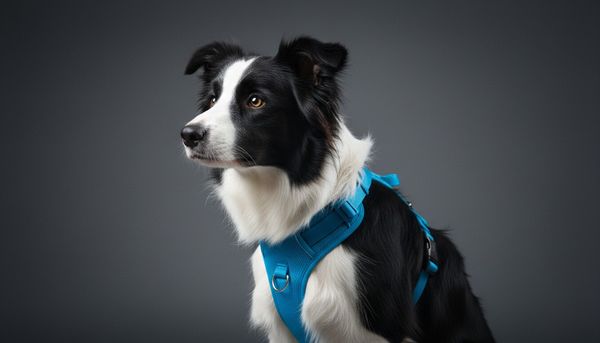
Finding the perfect harness fit is about much more than simply choosing a size based on weight or breed. While many owners rely on 'best-of' lists, a truly safe and comfortable harness must respect the biomechanics of a dog's movement. A poorly fitted harness can restrict the scapula, lead to long-term joint issues, and even cause skin irritation through constant chafing. In the United Kingdom, where active walks in varied terrain are a staple of dog ownership, ensuring your gear doesn't hinder your dog's natural gait is essential for their long-term welfare and happiness. This guide delves into the physical checks and skeletal landmarks you need to know to verify a safe, non-restrictive fit for your canine companion.
Understanding Shoulder Biomechanics and the Scapula
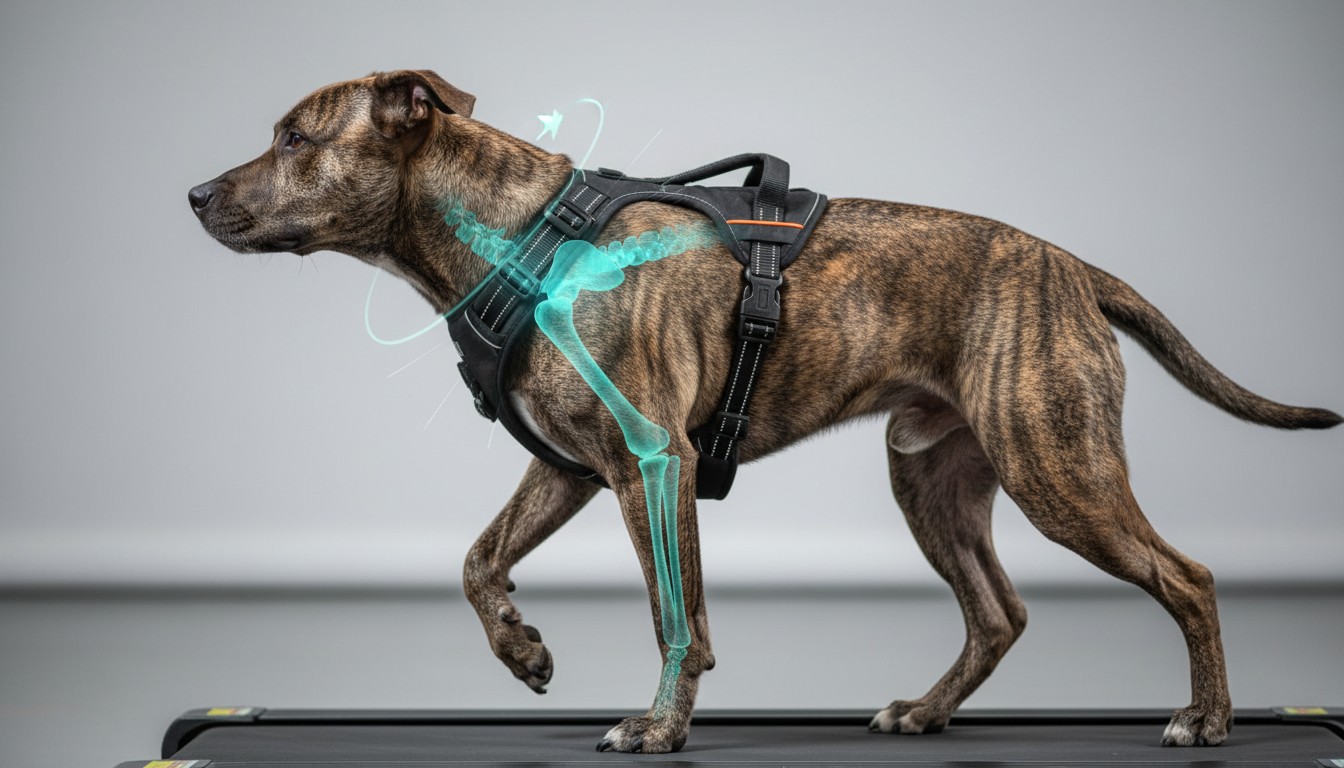
To understand the perfect harness fit, we must first look at the shoulder. Unlike humans, a dog’s front legs are not attached to the rest of the skeleton by a collarbone. Instead, the scapula (shoulder blade) is held in place by muscles and ligaments, allowing it to slide back and forth as the dog moves. When a harness strap crosses directly over the point of the shoulder or the shoulder blade itself, it acts like a brake on a bicycle.
This restriction, often seen in 'Norwegian' style or horizontal-strap harnesses, forces the dog to shorten their stride. Over time, this altered gait can lead to compensatory pain in the neck, spine, and hips. A truly biomechanically sound harness should leave the 'point of shoulder' entirely free. This ensures that when the dog reaches forward with their front paw, the harness does not compress the joint or inhibit the full extension of the limb. Owners should look for a design that sits on the sternum (the breastbone) rather than the soft tissue of the throat or the moving bone of the shoulder.
The Superiority of the Y-Shaped Design
When navigating the aisles of John Lewis or browsing specialist UK pet shops, you will encounter various shapes. From a biomechanical perspective, the 'Y-shaped' harness is almost always superior. This design features straps that go over the shoulders and meet at the sternum, forming a 'Y' shape when viewed from the front. This configuration is ideal because it channels the pressure of the lead onto the skeletal structure of the chest rather than the neck or the moving shoulder joints.
In contrast, many 'No-Pull' harnesses use a horizontal strap that sits across the chest. While effective at stopping a dog from pulling by physically blocking their forward momentum, these can be detrimental to a dog's health. By choosing a Y-shaped harness with a front-attachment point, you can achieve better control without sacrificing your dog's ability to move naturally. Ensure the 'V' of the Y sits firmly on the breastbone; if it sits too high, it will press against the trachea, causing the same coughing and damage as a traditional collar.
Measuring for Success: The Metric Approach
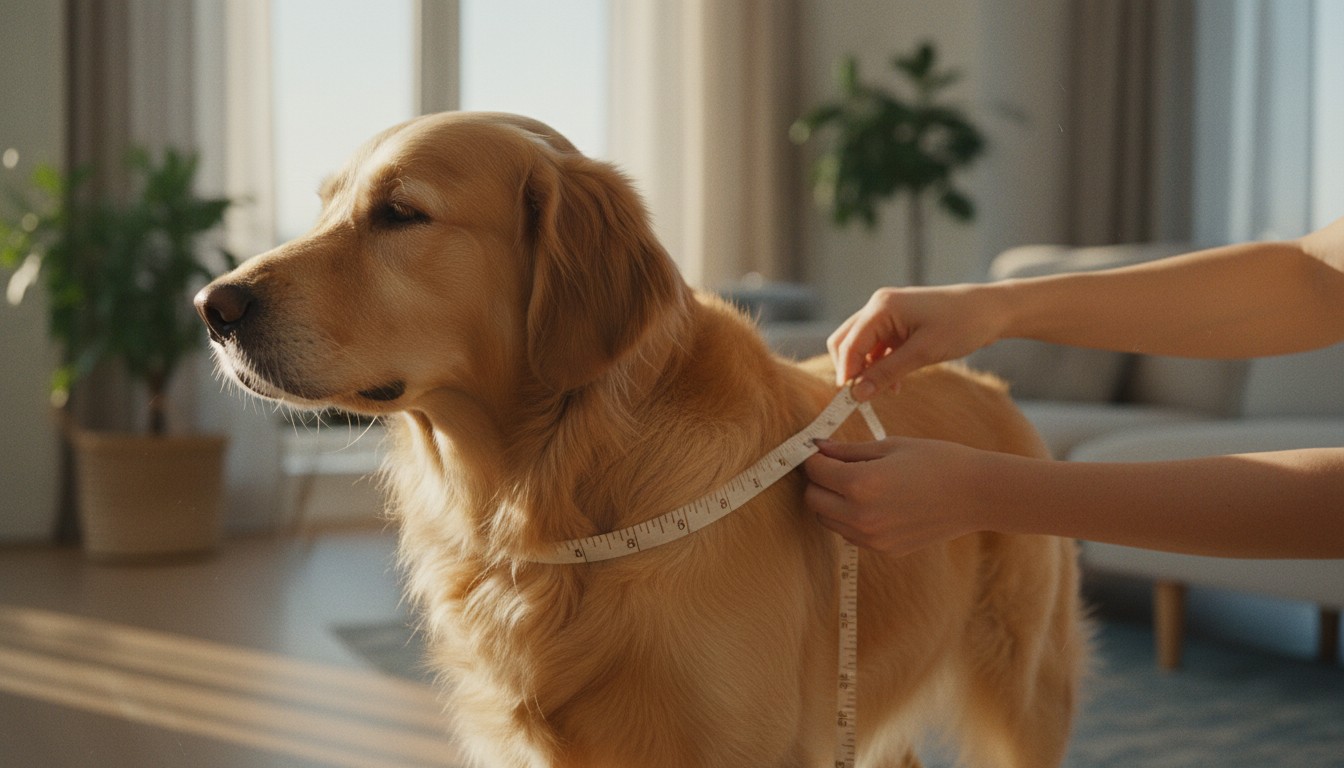
To secure the perfect harness fit, you must move beyond 'Small, Medium, Large' labels. Start by measuring your dog's girth at the widest part of their ribcage, typically about two to three finger-widths behind the front legs. In the UK, most manufacturers use centimetres for their sizing charts. A common mistake is choosing a harness where the girth strap sits too close to the armpits. This leads to painful chafing and can even cause the dog to turn their elbows out to avoid the friction, leading to structural issues.
Next, measure the neck circumference at the very base of the neck, where it meets the shoulders—not where a collar would sit. Finally, measure the length of the chest strap. This is the piece that runs between the front legs. If this strap is too short, it will pull the girth strap into the armpits. If it is too long, the harness will slide around and lack stability. Always measure your dog while they are standing squarely on all four paws, as sitting or lying down will significantly change their dimensions.
The Two-Finger Rule and Physical Verification
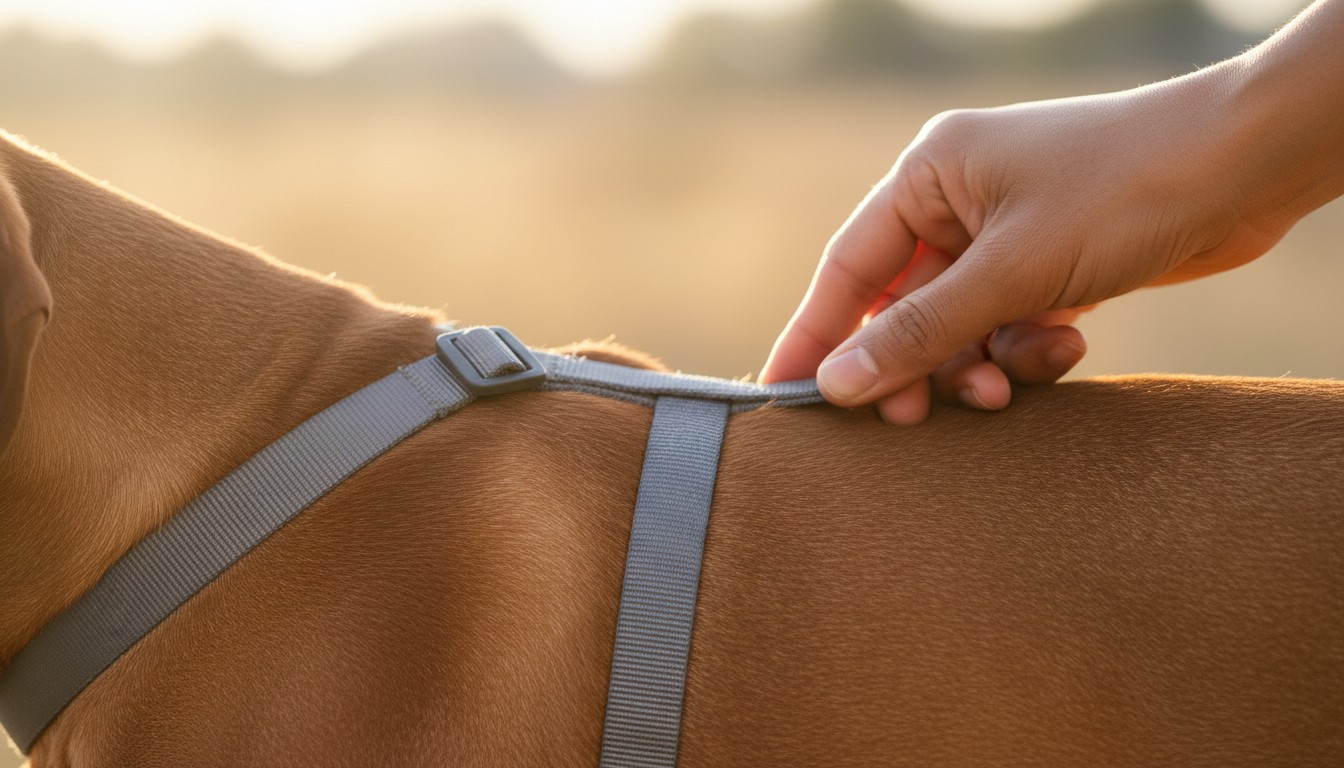
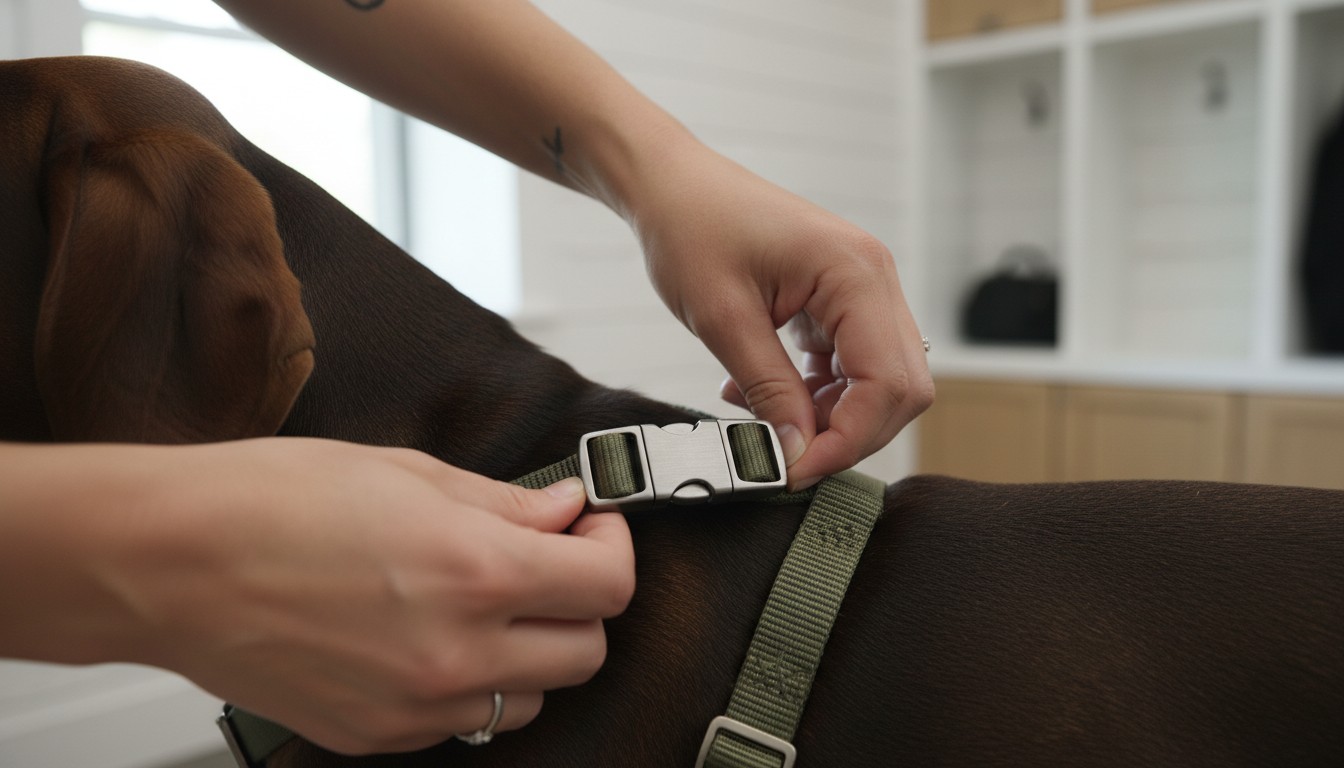
Once the harness is on, you must perform a physical check to ensure it isn't too tight or too loose. The 'Two-Finger Rule' is the industry standard: you should be able to slide two fingers flat between the harness and your dog's body at any point. If you can fit more than two fingers, the harness may shift, causing friction or allowing the dog to escape. If you can't fit two fingers, it is likely restricting blood flow or lung expansion during exercise.
Check the fit while the dog is in different positions. A harness that looks perfect while standing might tighten uncomfortably when the dog puts their head down to sniff the grass or sits down. Watch for 'skin bunching' around the straps, which indicates the fit is too snug. Additionally, check the 'Y' junction at the front. It should remain centred on the breastbone. If it shifts significantly to one side when the dog moves, the harness is either improperly adjusted or the wrong shape for your dog's specific chest width.
Troubleshooting Common Fit Issues
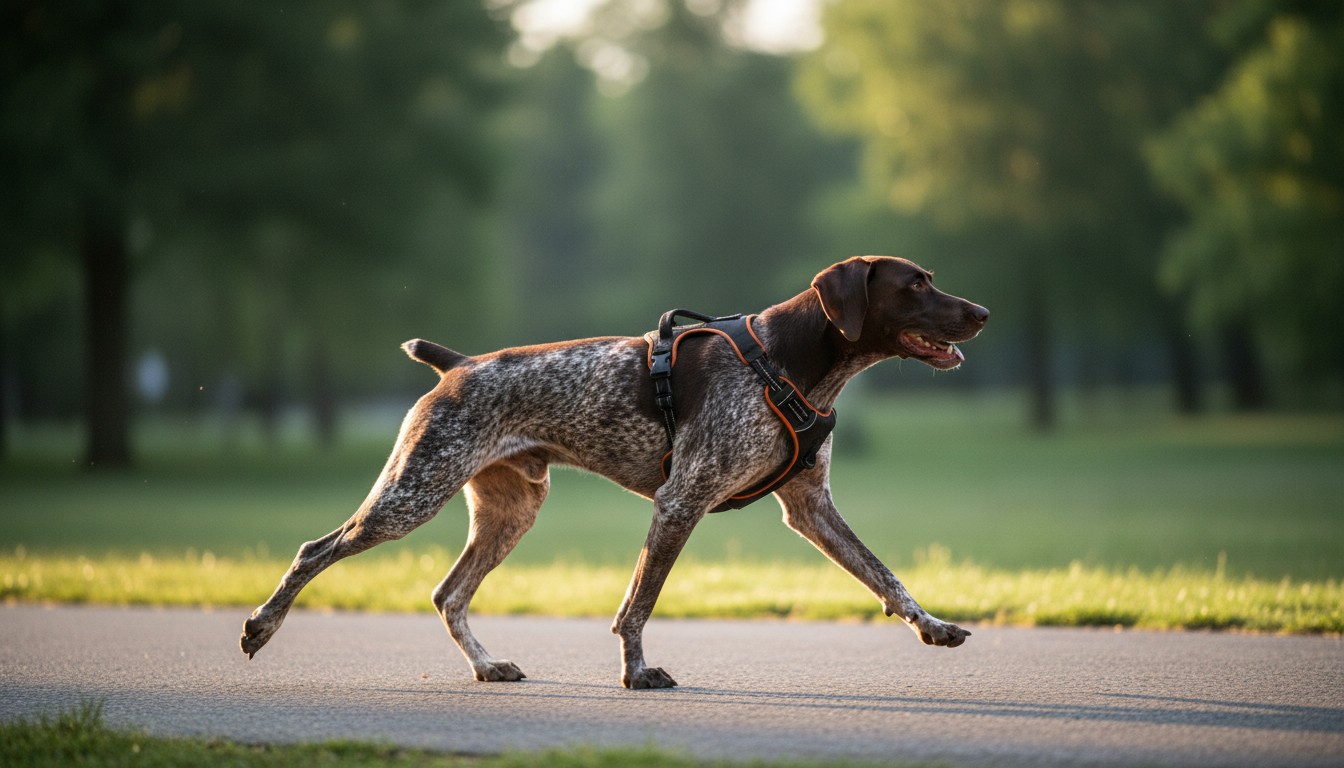
Even with careful measuring, problems can arise. One frequent issue is 'backing out', where a dog reverses and slips out of the harness. This is particularly common in sighthounds like Greyhounds or Whippets due to their deep chests and narrow necks. For these breeds, a 'three-strap' or 'escape-proof' harness, which has an additional strap around the narrower part of the waist, is often necessary. This third strap prevents the harness from being pulled over the ribcage.
Another issue is fur loss or redness. If you notice thinning fur or 'hot spots' under the straps, the harness is likely moving too much (too loose) or is made of a material that is too abrasive for your dog's skin. Look for harnesses with padded fleece or neoprene linings, which are popular in the UK for sensitive breeds. If your dog suddenly becomes 'gear shy'—hiding when the harness comes out—it is a major red flag that the equipment is causing discomfort or pain during their walks. Always inspect the buckles for signs of wear, especially after walks in salt water or muddy British woodlands.
Safety, Gait Analysis, and Professional Help
If you are unsure about your dog's harness fit, observe them from the side while they trot on a flat surface. Their front paws should land under their nose, and their stride should look fluid and effortless. If they appear to be 'shuffling' or if their front legs don't extend as far as their back legs, the harness is likely restrictive. In the UK, many veterinary physiotherapists and qualified trainers offer gear fitting consultations. If your dog has pre-existing conditions like arthritis or hip dysplasia, a professional can help select a harness that supports their mobility rather than hindering it.
Safety is paramount. Never leave a harness on an unsupervised dog, as they can get caught on furniture or chew through the straps. Furthermore, a harness is a tool for connection, not just restraint. While a perfect fit prevents physical harm, it should be paired with positive reinforcement training to ensure your walks are enjoyable for both ends of the lead. If your dog shows signs of lameness or persistent skin issues despite adjusting their gear, consult your local vet to rule out underlying medical conditions.
FAQ
How tight should a dog harness actually be?
A dog harness should be snug enough that it doesn't slip or slide, but loose enough to fit two fingers flat between the strap and the dog's body. It should not cause the skin to bulge or restrict the dog's ability to take full, deep breaths during exercise.
Can a harness cause shoulder damage in dogs?
Yes, harnesses with a horizontal chest strap (T-shaped) can restrict the movement of the scapula. Over time, this restricted gait leads to compensatory strain on the joints and soft tissues, potentially causing chronic pain or early-onset arthritis.
Why does my dog's harness keep sliding to one side?
This usually happens if the harness is too large or if the straps are unevenly adjusted. It can also occur if the harness isn't designed for your dog's specific body shape, such as a dog with a very narrow or very broad chest.
Is a harness better than a collar for a dog that pulls?
A harness is generally safer as it prevents pressure on the delicate structures of the neck, such as the trachea and thyroid gland. However, for a dog that pulls, a Y-shaped harness with a front-attachment point should be used alongside training to manage the behaviour safely.
Conclusion
Achieving the perfect harness fit is a fundamental aspect of responsible dog ownership. By prioritising biomechanics over aesthetics and choosing designs that respect the scapula's range of motion, you protect your dog from unnecessary pain and long-term injury. Remember the key markers: the Y-shape, the two-finger rule, and the importance of measuring in centimetres while standing. A well-fitted harness should be a 'forgotten' piece of equipment for your dog—something that provides security without ever getting in the way of their natural joy for movement. Regularly inspect your gear for wear and tear, and don't hesitate to seek professional advice from a vet or physiotherapist if you notice changes in your dog's gait or skin health. Happy walking!
References & Sources
This article was researched using the following sources:


