














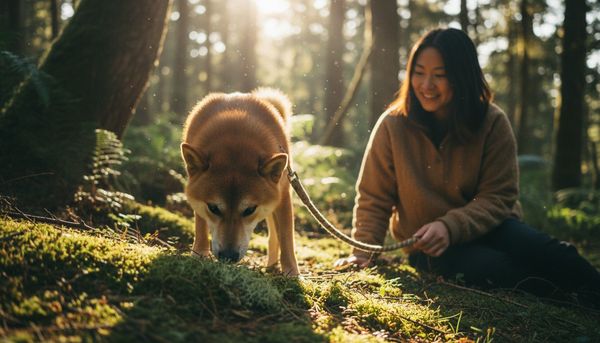
For many UK dog owners, the daily walk is often viewed through the lens of physical exertion. We lace up our boots, head to the local park, and aim to cover as many kilometres as possible to 'tire out' our four-legged companions. However, recent canine science suggests that we may be overlooking the most critical aspect of a dog's wellbeing: their sense of smell. Decompression walks are a specific type of outing where the dog is given the autonomy to explore their environment at their own pace, primarily through sniffing. Unlike a structured heel-work session or a brisk walk through a busy town centre, a decompression walk focuses on mental regulation and stress reduction. By prioritising olfactory stimulation over distance, we can significantly improve a dog's emotional health and overall behaviour. In the first 100 words of this guide, we establish that decompression walks are not just a luxury, but a biological necessity for the modern dog.
The Biological Power of the Canine Nose
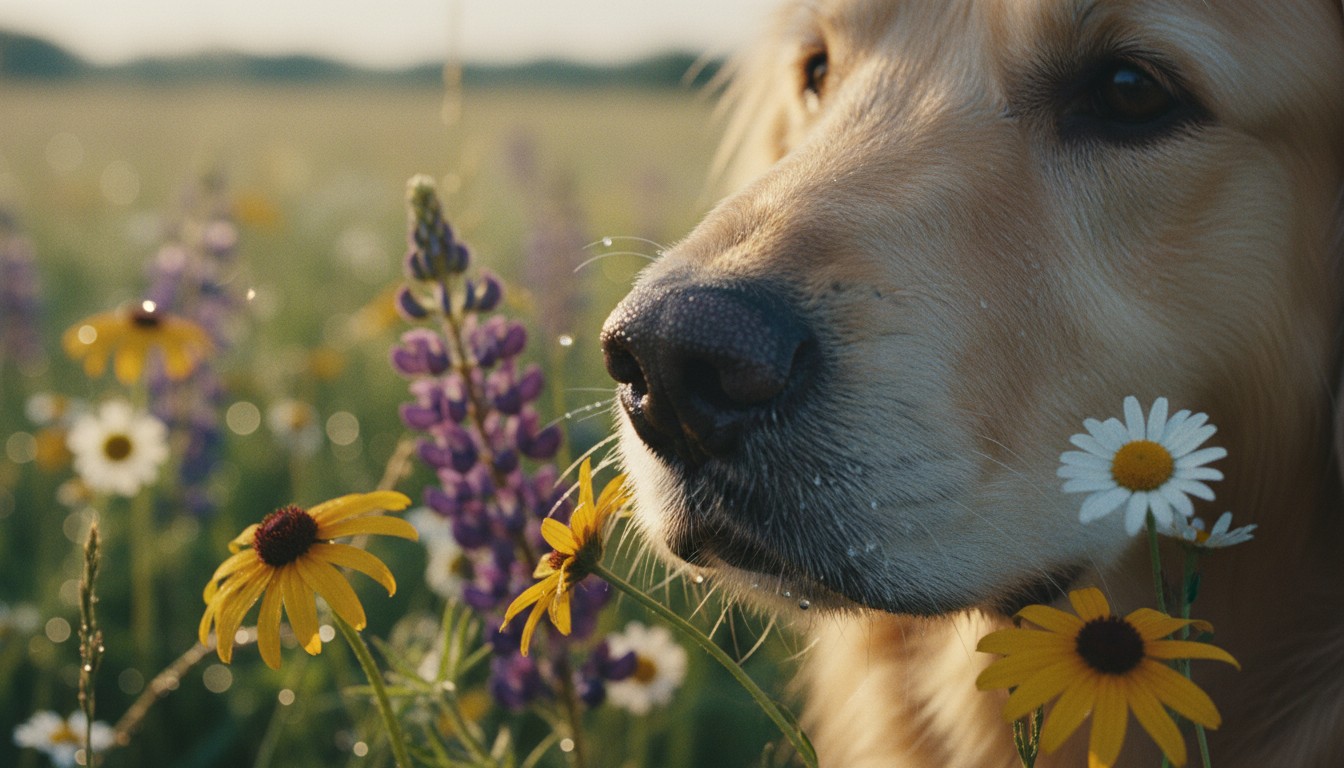
To understand why decompression walks are so effective, we must look at the canine anatomy. A dog's brain is hardwired for scent; the olfactory bulb—the part of the brain that processes smells—is proportionally forty times larger than ours. When a dog engages in deep sniffing, they aren't just 'smelling' the grass; they are gathering a wealth of data about their environment, including which other animals have passed by, their health status, and even their emotional state. This process is incredibly taxing on the canine brain, often providing more mental exhaustion than a five-kilometre run.
Furthermore, sniffing has a direct physiological impact on a dog's heart rate. Research indicates that the act of sniffing lowers a dog's heart rate and encourages the parasympathetic nervous system to take over. This is the 'rest and digest' state, which counteracts the 'fight or flight' response often triggered by urban environments, loud noises, or high-arousal play like chasing a ball. For dogs living in busy UK cities like London or Manchester, these moments of calm scent-processing are vital for preventing chronic stress accumulation.
Sniffing vs. Heeling: The Mental Load
Traditional obedience training often emphasises a 'perfect heel', where the dog walks closely by the owner's side, ignoring distractions and maintaining eye contact. While this is a useful skill for navigating a crowded John Lewis or walking along a narrow pavement, it places a high cognitive load on the dog. They must constantly inhibit their natural impulses to explore. This constant self-regulation can lead to 'ego depletion' or frustration, much like a person sitting through a long, stressful business meeting without a break.
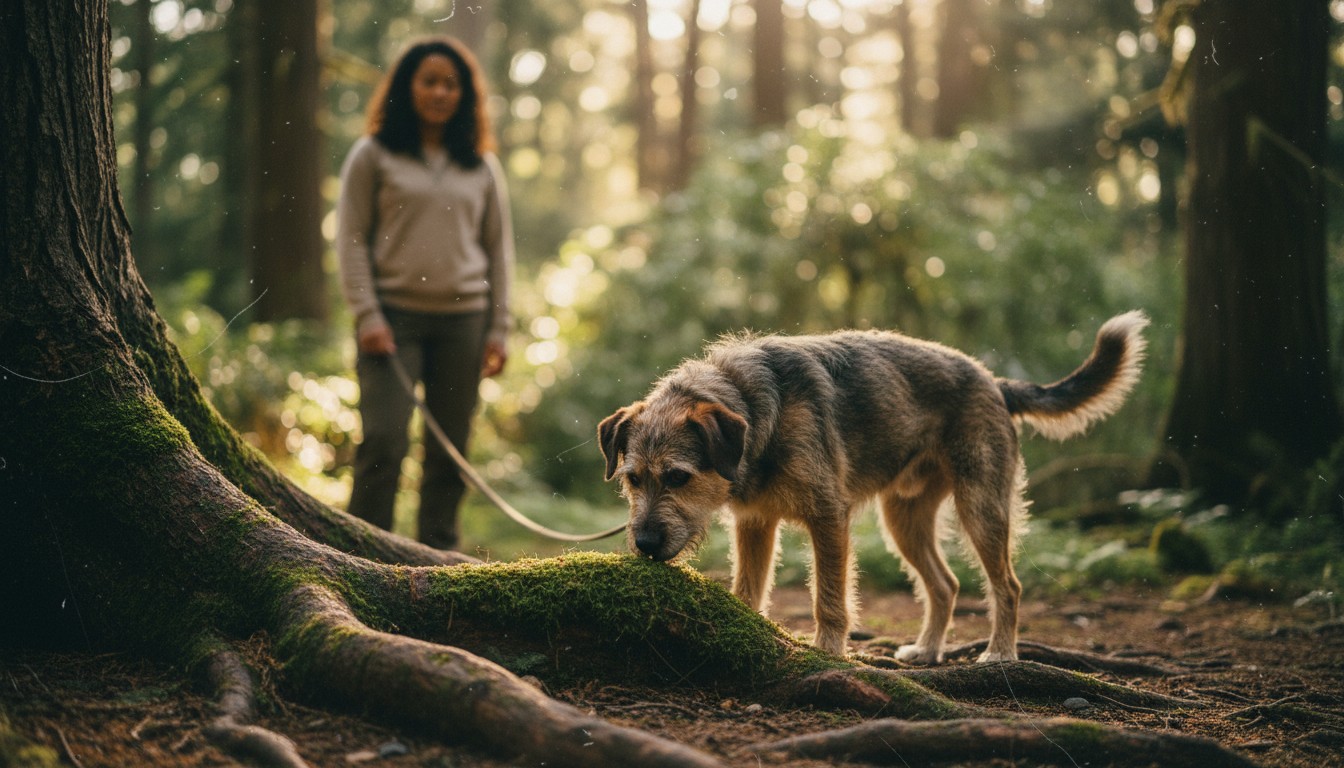
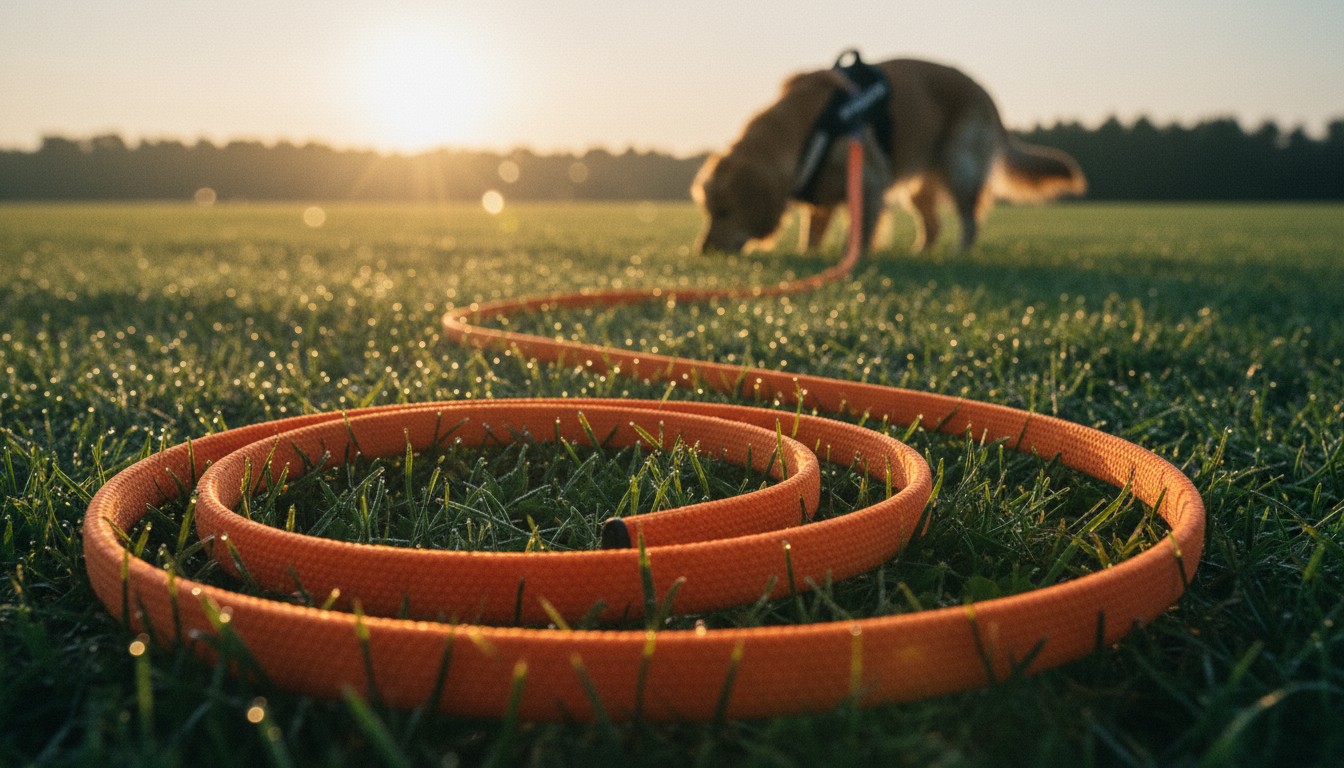
In contrast, decompression walks offer a 'cognitive reset'. By using a longer lead—typically 5 to 10 metres—and allowing the dog to choose the direction and duration of their sniffs, we grant them a sense of agency. This autonomy is a core pillar of animal welfare. In the UK, where many dogs are restricted by lead laws in public parks, providing these moments of choice can drastically reduce leash reactivity and anxiety. It shifts the walk from a task-oriented chore to a therapeutic experience that allows the dog to simply 'be a dog'.
How to Structure a Successful Decompression Walk
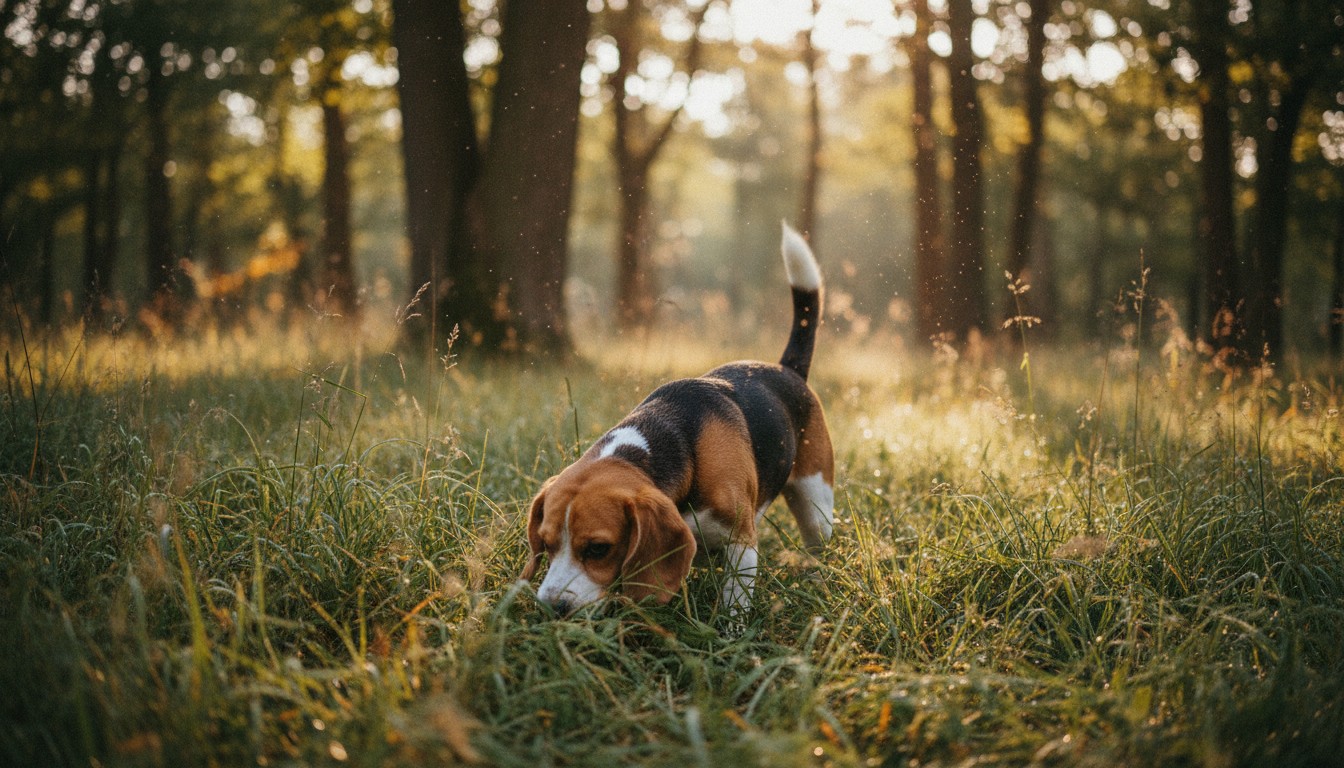
Executing a proper decompression walk requires a change in gear and mindset. Firstly, you will need a well-fitted Y-shaped harness—brands like Ruffwear or those found in Pets at Home are popular in the UK—to ensure there is no pressure on the dog's neck. A long line (not a retractable lead, but a fixed-length long training lead) of at least 5 metres is essential. This length allows the dog to move freely into the 'scent zone' without feeling the immediate tension of a short lead.
Location choice is the next critical factor. You want to avoid high-traffic areas, busy roads, or dog-crowded parks where your dog might feel the need to remain on high alert. Instead, look for 'quiet' nature spots. National Trust sites, quiet coastal paths, or even a secluded corner of a local playing field during off-peak hours are ideal. The goal is to find a place where the 'sensory noise' is low, allowing the olfactory signals to take centre stage. During the walk, your job is to be an anchor. Follow your dog's lead, stop when they stop, and resist the urge to pull them away from a 'distraction'.
The Impact on Cortisol and Chronic Stress
Chronic stress in dogs often manifests as hyper-vigilance, excessive barking, or destructive behaviour at home. This is frequently driven by elevated cortisol levels. Physical exercise, particularly high-intensity activities like fetching a tennis ball or 'zoomies', can actually increase cortisol and adrenaline in the short term. If a dog never has the chance to bring those levels back down through calming activities, they remain in a state of 'trigger stacking', where small incidents cause disproportionate reactions.
Decompression walks act as a biological 'drain' for these stress hormones. By engaging the nose and slowing down the physical pace, the dog's body can process and clear cortisol more effectively. This is particularly important for 'working' breeds common in the UK, such as Springer Spaniels or German Shepherds, who often struggle to switch off. Integrating a 30-minute decompression walk three times a week can lead to a more relaxed dog at home, better sleep patterns, and an increased threshold for handling daily stressors like the postman arriving or the sound of a doorbell.
Troubleshooting: When the Walk Doesn't Go to Plan
Not every decompression walk will be perfectly peaceful from the start. Some dogs, particularly those with high prey drives or reactivity issues, may find the freedom of a long line overwhelming initially. If your dog begins to 'ping' around on the end of the lead or becomes fixated on distant triggers like squirrels or other dogs, they are no longer decompressing. In these instances, it is best to shorten the lead slightly and move to an even quieter location, or perhaps practice 'scatter feeding'—dropping small treats in the grass—to encourage their head down and initiate the sniffing reflex.
Safety is also paramount. Always ensure you have a firm grip on the long line and be mindful of your surroundings; a 10-metre lead can easily become a trip hazard for other walkers or cyclists on shared paths. If your dog has a poor recall or is prone to scavenging 'street snacks' (a common issue near UK takeaway spots), consider using a well-ventilated basket muzzle. This allows them to sniff freely while keeping them safe. If you find your dog is consistently unable to settle or sniff during these walks, it may be time to consult a certified clinical animal behaviourist to rule out underlying pain or severe anxiety.
FAQ
Can I do a decompression walk on a standard short lead?
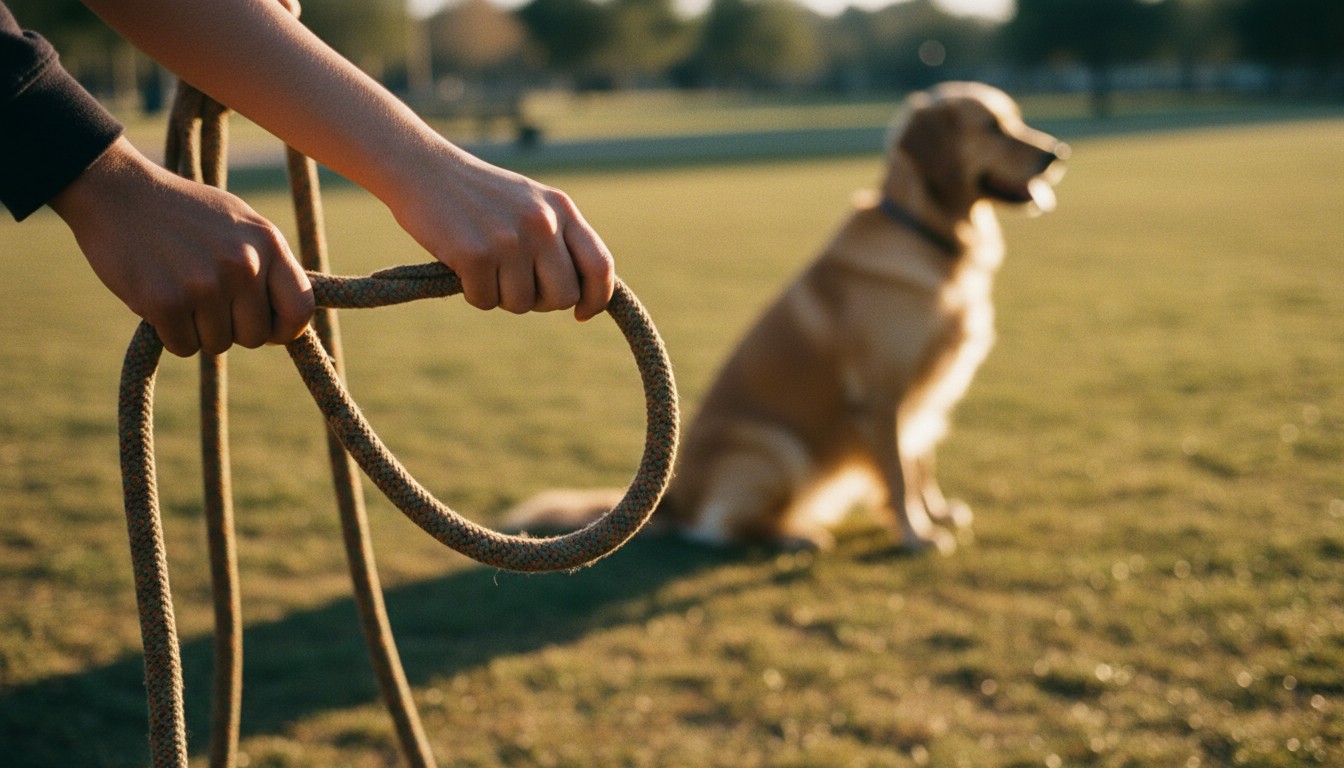
While possible, it is much harder. A standard 1.2-metre lead often creates tension as soon as the dog moves to sniff, which can trigger a stress response. Using at least a 3-metre lead provides the necessary slack for the dog to feel autonomous.
How often should my dog have a decompression walk?
Ideally, aim for 2-3 times per week as a supplement to your regular routine. For highly stressed or reactive dogs, making every walk a decompression walk for a set period (a 'cortisol detox') can be immensely beneficial.
What is the difference between a 'Sniffari' and a decompression walk?
The terms are often used interchangeably. A 'Sniffari' is a more casual term for any walk focused on sniffing, whereas a decompression walk specifically aims to lower the dog's physiological arousal levels in a quiet, natural environment.
My dog just wants to eat everything on the floor. Is this still safe?
Scavenging is a common concern. You can use a 'Baskerville' style muzzle which allows for full sniffing and panting but prevents ingestion. Alternatively, pick locations like clean fields or moorlands rather than urban pavements.
Conclusion
Prioritising the biology of the dog over our own fitness goals can transform our relationship with our pets. Decompression walks offer a simple yet profound way to support a dog's mental health by honouring their primary sense. By moving away from the 'miles covered' metric and focusing on 'minutes spent sniffing', we provide our dogs with the tools they need to navigate a human-centric world with more calm and confidence. Start small—replace one of your weekly 'power walks' with a slow, 5-metre lead exploration in a quiet wood. Observe your dog's body language, note the lowering of their head, and enjoy the peace that follows. If you ever feel overwhelmed by your dog's behaviour or reactivity, remember that seeking help from a qualified force-free professional is always a wise next step.
References & Sources
This article was researched using the following sources:


