















Have you ever wondered why your normally placid dog suddenly growls at a family member or snaps at a passing bicycle? For many UK pet owners, these incidents seem to happen 'out of the blue', leading to confusion and distress. However, the reality is rarely a single, isolated event. This phenomenon is known as trigger stacking, a physiological process where multiple minor stressors accumulate over hours or even days. When a pet's internal 'stress bucket' overflows, they lose the ability to cope, resulting in an explosive reaction to a seemingly minor stimulus. Understanding the biological mechanisms behind trigger stacking is essential for preventing aggression and ensuring your pet's long-term mental wellbeing in our often-busy British environments.
The Biological Blueprint of Stress: The Cortisol Factor
To understand trigger stacking, we must look at the endocrine system. When a pet encounters a stressor—perhaps a loud Argos delivery van or a tense encounter with another dog at the local park—the body activates the Hypothalamic-Pituitary-Adrenal (HPA) axis. This results in an immediate flood of adrenaline and cortisol into the bloodstream. While adrenaline spikes and fades quickly, cortisol is different. It is a 'slow' hormone designed to keep the body in a state of high alert for a potential secondary threat.
In a healthy environment, these levels should return to baseline once the threat passes. However, research indicates that cortisol can remain elevated in a dog’s system for anywhere from several hours to several days. If your dog experienced a stressful vet visit on Tuesday, their baseline stress level on Wednesday is already higher than normal. When multiple stressors occur in quick succession—a thunderstorm, followed by a visitor at the door, followed by a walk near a busy school—the cortisol levels never have the chance to drop. This is the 'stacking' effect that leads to a reduced threshold for reactive behaviour.

Recognising the Signs of Stress Residue
Before a pet 'snaps', they almost always provide subtle clues that their stress bucket is reaching capacity. These are often referred to as 'displacement behaviours' or 'stress residue'. UK owners frequently miss these signs because they look like normal, everyday actions performed out of context. For instance, a dog might suddenly start grooming themselves intensely or shake their body as if they are wet, even when dry. This 'shake-off' is a literal attempt to reset the nervous system after a stressful event.
Other critical signs include 'whale eye' (where the whites of the eyes are visible), persistent lip licking when food isn't present, and excessive yawning. If you notice these behaviours after your dog has been startled by a loud noise or a crowded high street in London, they are telling you that they are currently 'stacking'. At this stage, your pet is in a state of hyper-vigilance. They are not being 'naughty'; they are physically struggling to process the sensory input from their environment. Ignoring these signs and pushing the pet into further social interactions is the most common precursor to a bite or an aggressive display.
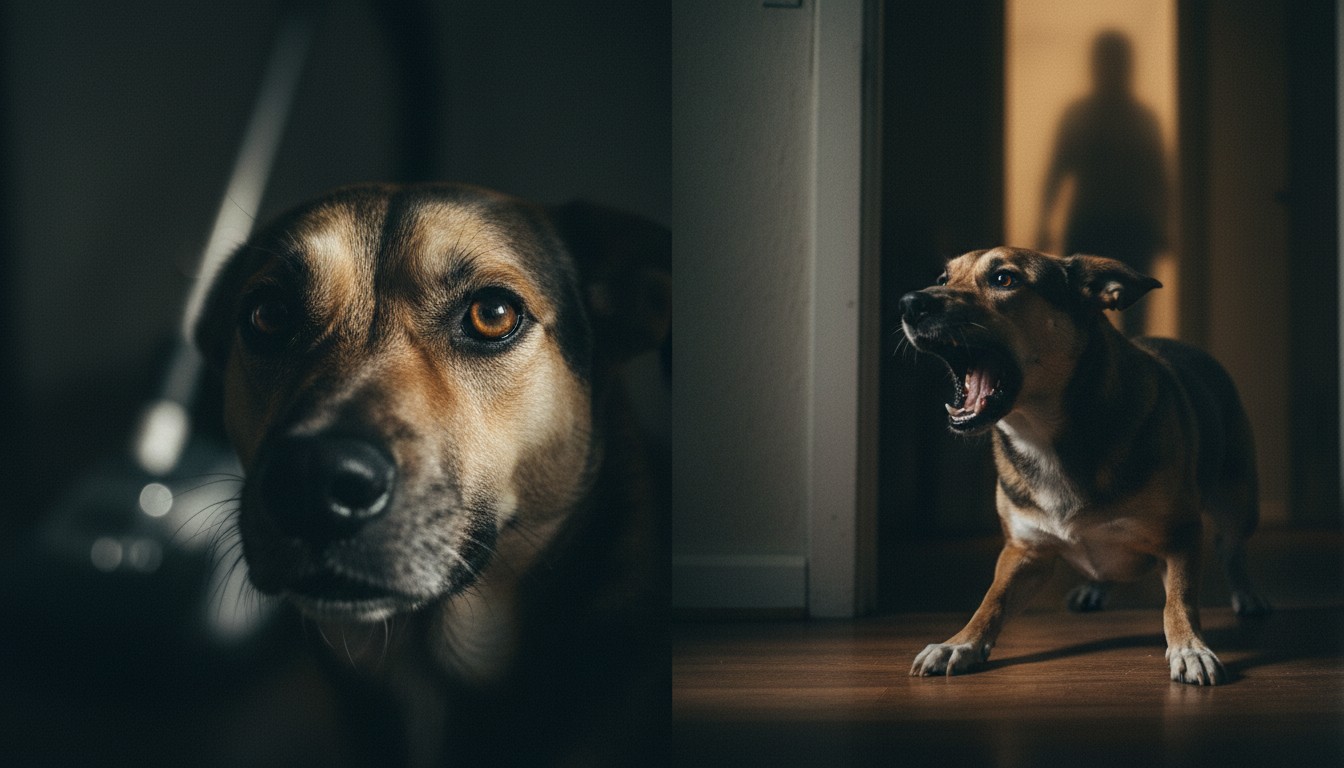
The Myth of the 'Unprovoked' Outburst
When a dog reacts to a stimulus they usually ignore, owners often label it as 'unprovoked'. From a physiological perspective, however, no outburst is truly unprovoked; it is simply the 'straw that broke the camel's back'. Imagine a bucket that is 95% full of water. Adding a single drop causes it to overflow. In this analogy, the final drop is the 'trigger' (like a child reaching out to pet the dog), but the preceding 95% was filled by unrelated stressors throughout the week.
Consider a typical British bank holiday weekend. There might be a barbecue with loud music, the smell of cooking meat (which can be overstimulating), several unfamiliar guests, and perhaps a change in the walking routine. Individually, the dog might tolerate each of these. But collectively, they push the dog to their absolute limit. By the time Sunday evening rolls around, the dog is so physiologically taxed that a simple request to move off the sofa results in a snarl. Recognising that the 'provocation' began days earlier allows owners to take proactive steps rather than reacting with surprise or punishment when the threshold is finally crossed.

Implementing a 'Cortisol Vacation' for Recovery
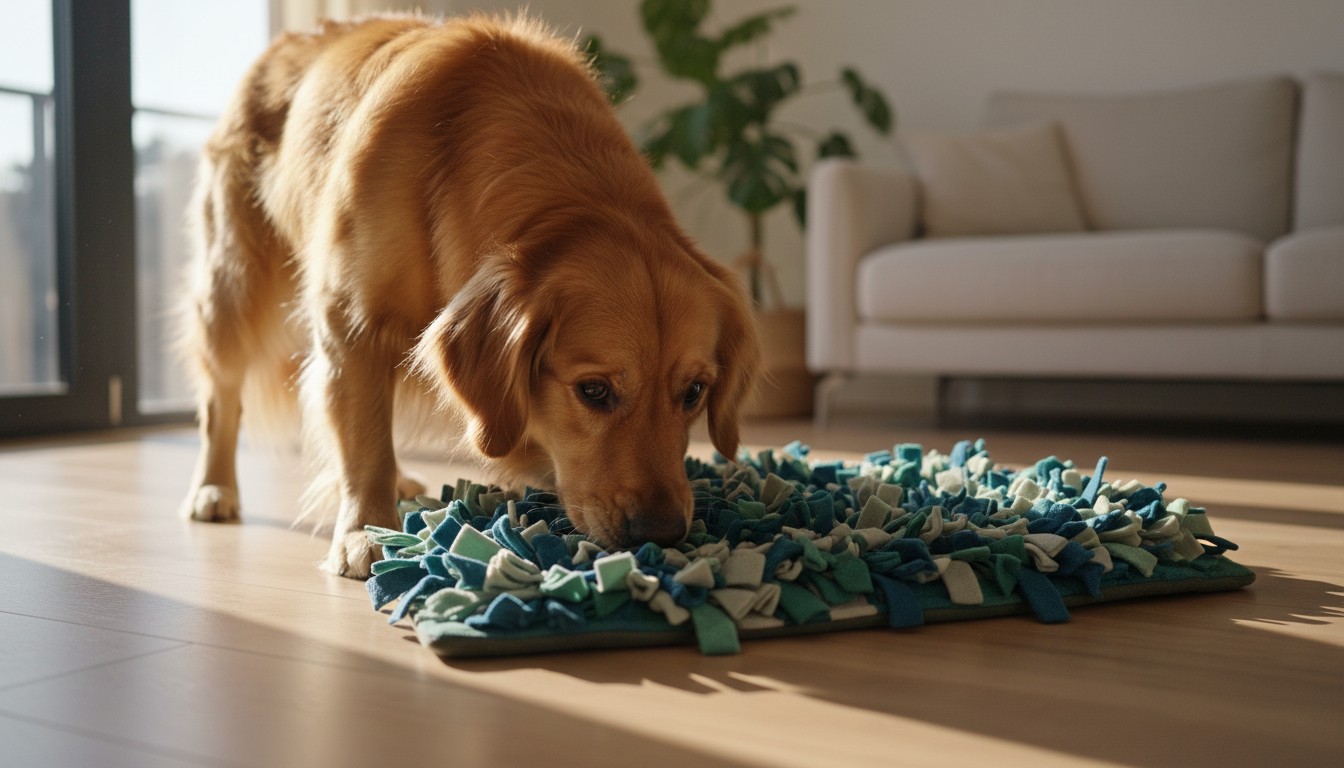
If you suspect your pet has been trigger stacking, the most effective intervention is a 'cortisol vacation'. This is a deliberate period of 48 to 72 hours where all known stressors are removed from the pet's environment to allow their hormones to return to baseline. In practice, this means cancelling the high-street walk, pausing training sessions that require high focus, and avoiding visitors or noisy household activities. Instead, focus on low-arousal activities like scent work in the garden or providing stuffed food toys like a Kong filled with wet food from Tesco or Sainsbury's.
During a cortisol vacation, 'decompression walks' are highly recommended. These are walks in quiet, open spaces—such as a secluded bridleway or a private field—where the dog is on a long lead (5-10 metres) and allowed to sniff at their own pace without being asked for commands. Sniffing is a naturally calming behaviour that lowers the heart rate. By providing this 'quiet time', you allow the pet's HPA axis to reset. If your dog’s behaviour doesn't improve after several days of reduced stimulation, or if the outbursts are frequent and severe, it is vital to consult a qualified animal behaviourist (accredited by the ABTC in the UK) to rule out underlying pain or chronic anxiety.
FAQ
How long does it take for a dog to recover from trigger stacking?
It typically takes 48 to 72 hours for cortisol levels to return to a baseline state following a series of stressful events. However, for dogs with chronic anxiety or those in high-stress environments, this recovery period may take longer.
Can positive events contribute to trigger stacking?
Yes, 'eustress' or positive excitement (like a vigorous game of fetch or a visit from a favourite person) also triggers the release of adrenaline and cortisol. If a dog is already near their threshold, even a happy, high-excitement event can lead to an unexpected snap.
What is the best way to clean up after an outburst?
The priority is safety and recovery. Do not punish the dog, as this adds another major stressor to an already overflowing 'bucket'. Instead, calmly move the dog to a quiet, safe space and begin a cortisol vacation immediately to prevent further incidents.

Conclusion
Trigger stacking is a physiological reality for our pets, governed by the complex interplay of hormones and the nervous system. By understanding that stress is cumulative, we can move away from the confusion of 'unprovoked' outbursts and toward a more empathetic, proactive approach to pet ownership. Recognising the early signs of stress residue and being willing to implement a cortisol vacation are the hallmarks of a responsible owner. If your pet's behaviour remains unpredictable despite managing their environment, please seek help from a professional vet or behaviourist. Safety should always be the priority; never ignore signs of aggression. With patience and the right environmental adjustments, you can help your pet navigate the modern world without reaching their breaking point.
References & Sources
This article was researched using the following sources:


