














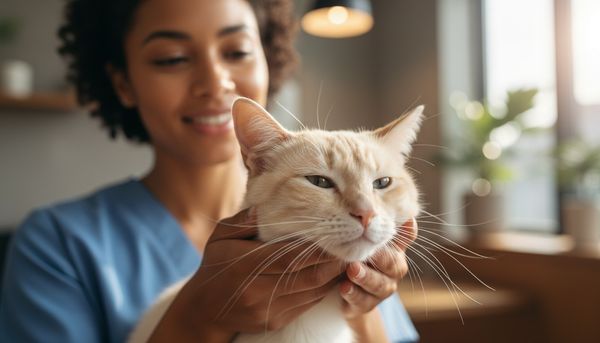
Entering a veterinary clinic in Canada, whether in the heart of Toronto or a quiet town in Nova Scotia, can be an overwhelming experience for our pets. For many years, the standard approach focused purely on medical efficiency, often at the expense of an animal's emotional health. However, a significant shift is occurring toward low-stress veterinary handling protocols. These science-based techniques prioritise the psychological comfort of the patient, reducing fear, anxiety, and stress (FAS) during exams. As a pet owner, understanding how to evaluate these protocols is crucial for long-term health compliance. When a pet isn't traumatised by their visit, they are easier to treat, and you are more likely to seek care when needed. This guide will help you identify the specific environmental and behavioural indicators of a clinic that truly values your pet’s emotional safety.
The Sensory Experience: Evaluating the Waiting Room
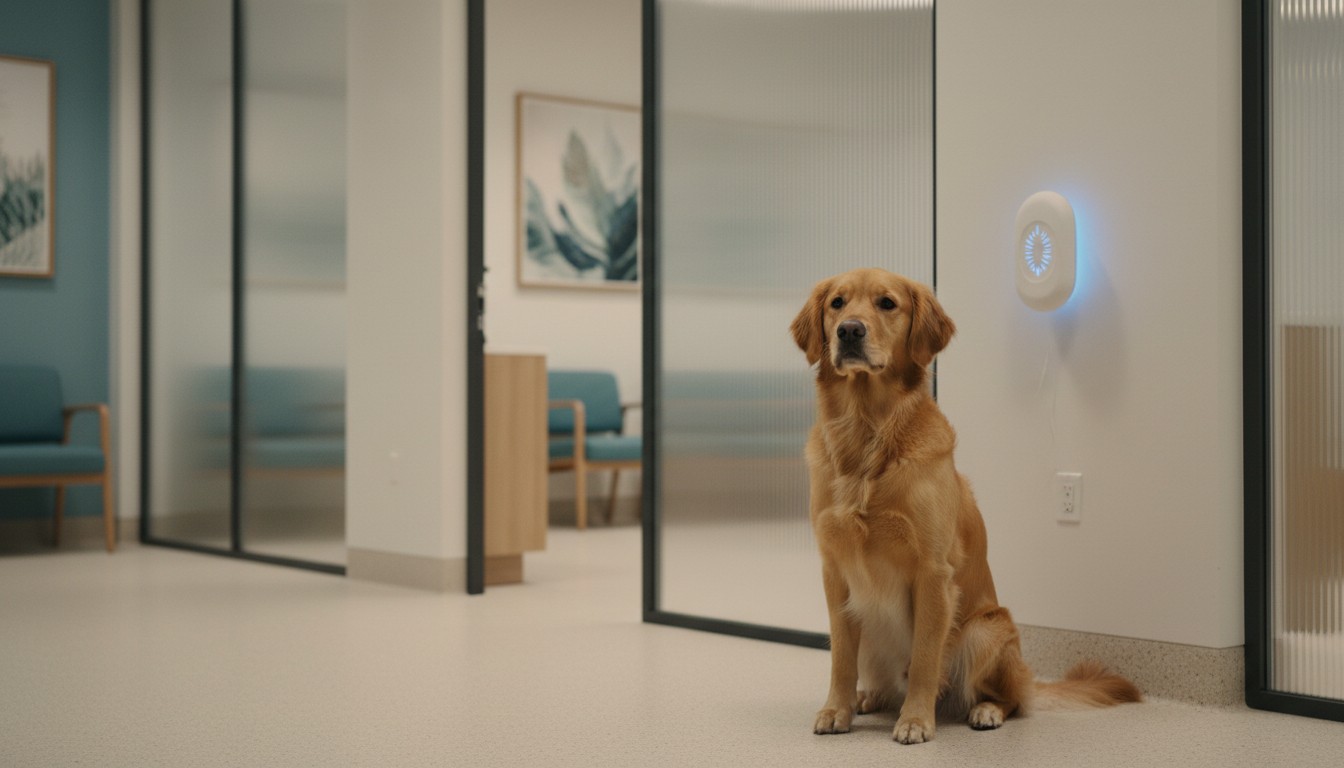
The evaluation of low-stress veterinary handling protocols begins the moment you step into the lobby. A clinic committed to reducing stress will have distinct strategies to manage the sensory input that triggers animal anxiety. In modern Canadian clinics, look for separate waiting areas for dogs and cats. This physical separation prevents the 'predator-prey' tension that often escalates in cramped quarters. If the clinic is smaller, they may use 'visual barriers' like strategically placed shelving or offer an 'option to wait in the car,' where staff text you when the exam room is ready—a popular practice during Canadian winters to keep pets warm and calm.
Beyond the layout, pay attention to the olfactory environment. Low-stress clinics often use species-specific pheromone diffusers, such as Feliway for cats or Adaptil for dogs. These synthetic signals mimic natural calming pheromones and can significantly lower a pet's heart rate. You might also notice a lack of 'hospital smell.' Instead of harsh bleach, these facilities use high-grade, scent-neutralizing cleaners that don't assault a dog's sensitive nose. If the staff offers a towel sprayed with calming pheromones for your cat carrier, you have found a team that understands the importance of the initial transition.
The Art of the Gentle Exam: Handling and Consent
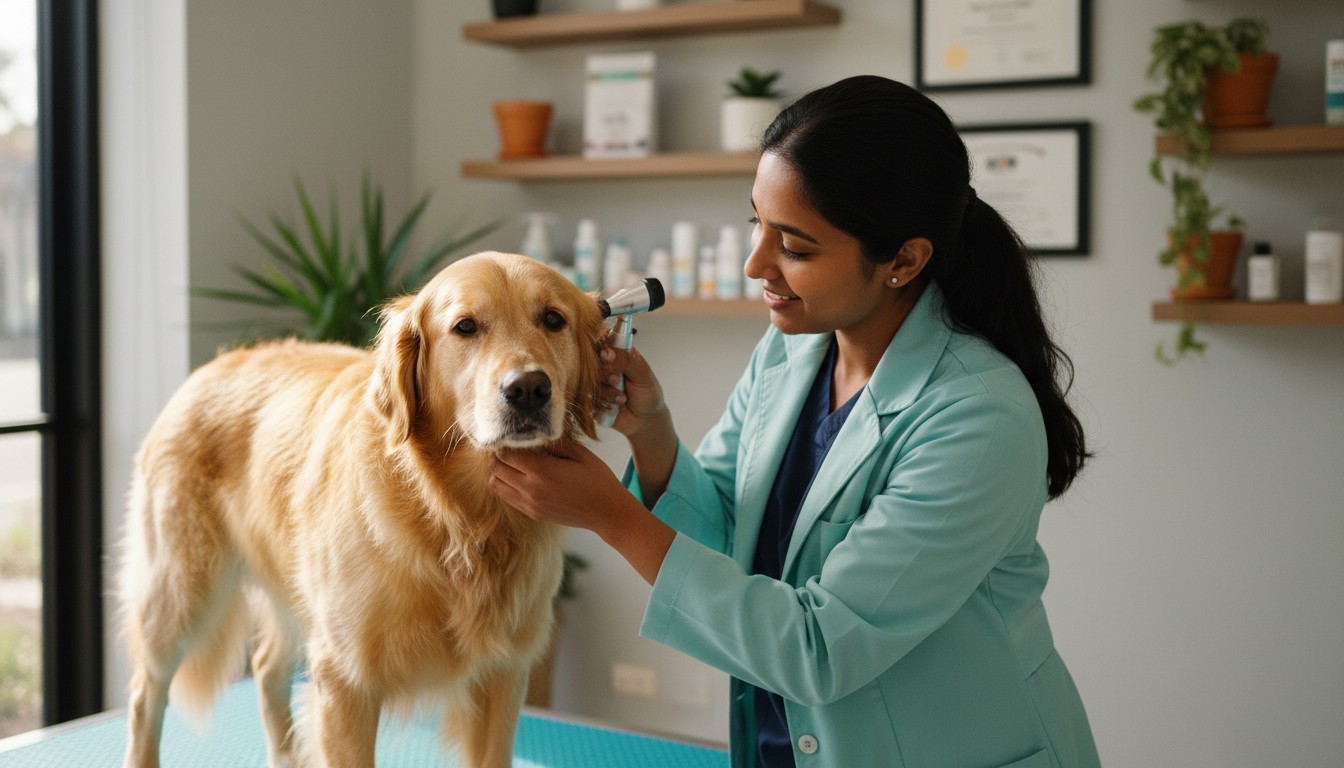
Once in the exam room, observe the physical interaction between the veterinarian and your pet. Low-stress veterinary handling protocols emphasize 'touch gradients' and 'cooperative care.' This means the vet doesn't just grab a limb; they start by touching a non-sensitive area and gradually move toward the target site, gauging the pet's reaction at every step. If your pet shows signs of tension, a skilled practitioner will pause or adjust their technique rather than 'powering through' with more force.
Traditional restraint, often called 'scruffing' in cats or 'stretched out' positioning in dogs, is replaced by minimal restraint techniques. You might see the vet using a 'towel wrap' (the 'burrito' method) to make a cat feel secure, or performing the exam on the floor where a large dog feels more stable. The pace should feel deliberate, not rushed. In Canada, where we value polite and thorough service, this translates to a vet who spends the first few minutes simply tossing treats and talking softly to the pet before even opening their medical bag. This 'consent-based' approach builds a foundation of trust that makes future life-saving procedures far safer for everyone involved.
Treats as Tools: The Role of Positive Reinforcement
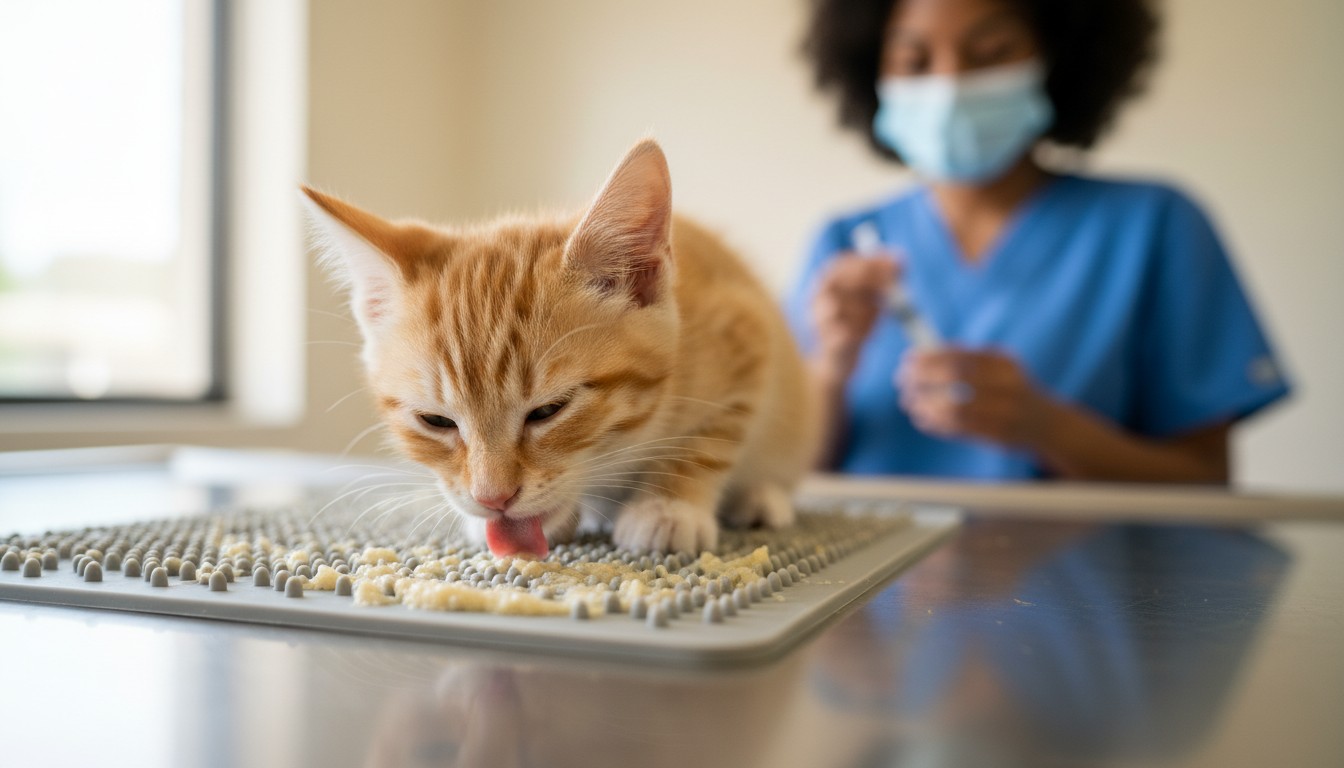
In a high-quality clinic, food is considered a medical tool as important as a stethoscope. During a screening visit, notice if the staff asks about your pet’s dietary restrictions or favorite treats. A facility following low-stress veterinary handling protocols will have an array of high-value rewards on hand—think lickable treats like Churu, squeeze cheese, or even small pieces of plain cooked chicken. These are used to create a 'positive association' with the clinic. If a dog is busy licking peanut butter off a silicone mat, they are significantly less likely to notice the pinch of a vaccine.
This isn't just about 'bribery'; it's about classical conditioning. If the only thing that happens at the vet is pain, the pet will eventually become aggressive or shut down. By pairing the clinical environment with high-value rewards, the vet is 'hacking' the pet's brain to associate the clinic with safety and abundance. If you notice the staff is stingy with treats or discourages their use during an exam, they likely haven't adopted modern fear-reduction standards. For pets with allergies, many Canadian owners bring their own specialised treats from stores like Pet Valu or Ren's Pets to ensure the positive reinforcement continues safely.
Certifications and Troubleshooting: Finding the Right Fit
When evaluating potential clinics, look for specific professional designations. The two most prominent are 'Fear Free' and 'Low Stress Handling' (founded by the late Dr. Sophia Yin). A clinic that has invested in these certifications for their staff is demonstrating a top-down commitment to pet welfare. In Canada, many members of the Canadian Veterinary Medical Association (CVMA) are now incorporating these standards into their practice models. Don't be afraid to ask, 'What is your team’s protocol for a pet that is showing extreme fear?' A good answer involves pre-visit pharmaceuticals (like Gabapentin or Trazodone) or stopping the exam to try again another day, rather than using heavy physical sedation or force.
Troubleshooting becomes necessary if you feel your current vet isn't receptive to these methods. If a vet dismisses your concerns about your pet's anxiety as 'just being dramatic,' it may be time to look elsewhere. However, remember that some procedures are emergency-based and may require quicker action. The goal is that 90% of routine visits should be low-stress. If you are struggling to find a certified clinic in rural Canada, look for vets who are at least willing to listen to your suggestions, such as performing exams in the lobby or allowing you to stay with your pet. Safety is paramount; if a pet becomes a danger to themselves or the staff, a low-stress vet will prioritize a 'happy visit' next time over forcing a procedure today.

FAQ
What is the difference between 'Fear Free' and 'Low Stress Handling'?
Fear Free is a certification program that focuses on the entire client experience, including the home-to-clinic transition. Low Stress Handling, based on Dr. Sophia Yin's work, focuses specifically on the physical techniques used to move and restrain animals safely and calmly. Both share the same goal: reducing animal distress.
Will a low-stress vet visit cost more than a traditional one?
In Canada, the exam fee might be slightly higher to account for the extra time spent (often 20-30 minute appointments instead of 15). However, you save money in the long run by avoiding the need for heavy sedation and preventing the development of severe behavioral issues that require expensive specialist intervention.
Can I request low-stress protocols if my vet isn't certified?
Yes. You can advocate for your pet by asking for a 'sedation-first' approach for fearful animals, requesting that the vet use treats, or asking to wait in your car. Many Canadian vets are open to these adjustments if you communicate your pet's specific triggers clearly beforehand.

Conclusion
Evaluating low-stress veterinary handling protocols is about more than just a 'nice' experience; it is a fundamental component of modern animal welfare. By choosing a clinic that prioritises sensory management, gentle touch, and positive reinforcement, you are protecting your pet's long-term health and your own bond with them. In Canada, we are fortunate to have a growing network of professionals dedicated to these science-based standards. If you notice signs of extreme fear in your pet, such as trembling, panting, or aggression, consult with a certified veterinary behaviourist. Remember, a vet visit shouldn't be a battle; with the right protocols in place, it can be a neutral or even joyful experience for your four-legged family member.
References & Sources
This article was researched using the following sources:


