














Most pet owners are familiar with the golden rule of switching diets: the seven-day gradual mix. However, for many Canadian dogs and cats, this standard advice isn't enough. You might find yourself hitting a wall at the 50% mark, where persistent loose stools or a sudden refusal to eat brings the process to a grinding halt. These stalled food transitions can be incredibly frustrating, leaving you wondering if you should push through the discomfort or abandon the new bag of kibble entirely. This guide dives deep into the physiology of the feline and canine gut to help you troubleshoot when the 'slow and steady' approach simply isn't working as promised.
Why the 50% Mark is the Ultimate Gut Litmus Test
In the world of pet nutrition, the 50/50 split is often where the 'rubber meets the road.' Up until this point, your pet’s digestive enzymes and microbiome are still largely supported by the original diet. Once you cross the halfway threshold, the gut must rely heavily on new metabolic pathways to break down different protein structures and fibre sources. If your pet experiences soft stools or gas at this stage, it is a clear sign that the microbiome is struggling to adapt to the new 'recipe.'
In Canada, where many high-protein, biologically appropriate diets like ACANA or ORIJEN are popular, the richness of the ingredients can be a shock to a system used to lower-quality fillers. This isn't necessarily a sign of a bad food, but rather a sign that the transition is outpacing the gut's ability to produce the specific enzymes needed. Instead of rushing to the 75% mark, this is the time to 'hold the line.' Maintain the 50/50 ratio for an additional four to five days to allow the bacterial colonies in the large intestine to stabilise and reorganise their population to match the new nutrient profile.
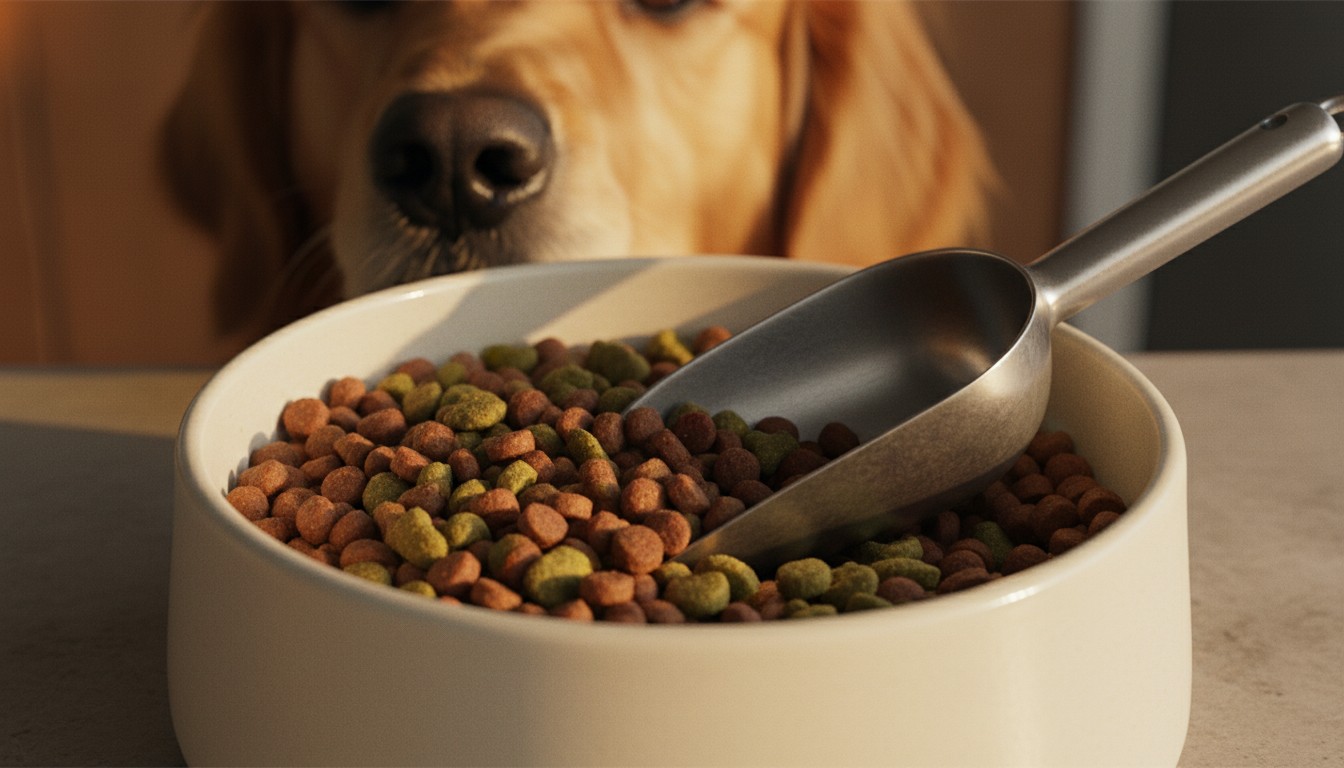
Differentiating Between Adaptation and Ingredient Intolerance
A common mistake during stalled food transitions is confusing a slow adjustment period with a genuine food intolerance. If your pet has a little bit of flatulence but remains energetic and has a healthy coat, they likely just need more time. However, if you notice 'hot spots' on the skin, excessive ear scratching, or chronic vomiting, you may be dealing with an ingredient incompatibility. For many Canadian pets, common allergens like chicken or beef are often the culprits found in many 'all-life-stages' bags sold at retailers like Canadian Tire or Pet Valu.
To troubleshoot, look for the 'mucus' sign. Stools coated in a shiny, jelly-like substance often indicate colonic inflammation. If this persists for more than three days at the same mixing ratio, it is less likely to be a transition issue and more likely a reaction to a specific ingredient. In these cases, pushing forward will only exacerbate the inflammation. You must evaluate the ingredient list for new proteins or fats that weren't present in the old diet, such as a switch from chicken to salmon or the introduction of legumes like peas and lentils.

The 72-Hour Reset Protocol for Digestive Upsets
When a transition goes completely off the rails—meaning liquid diarrhea or total food refusal—it is time to implement the 72-hour Reset Protocol. Do not continue mixing the foods. Instead, stop the new food entirely and return to 100% of the old, 'safe' diet. If the diarrhea is severe, many Canadian veterinarians recommend a bland diet of boiled extra-lean ground turkey and white rice (avoiding the high fat of beef) for 24 to 48 hours before reintroducing the old kibble.
Once the stools have returned to a normal 'log' consistency, wait another 24 hours before trying the transition again. When you restart, do not go back to the ratio that caused the flare-up. Start at a mere 10% of the new food. This 'micro-dose' approach allows the immune system to recognize the new proteins without triggering a full-scale inflammatory response. It may feel like you are moving at a snail's pace, but for sensitive systems, this 'reset' is the only way to bypass the physiological wall that caused the initial stall.
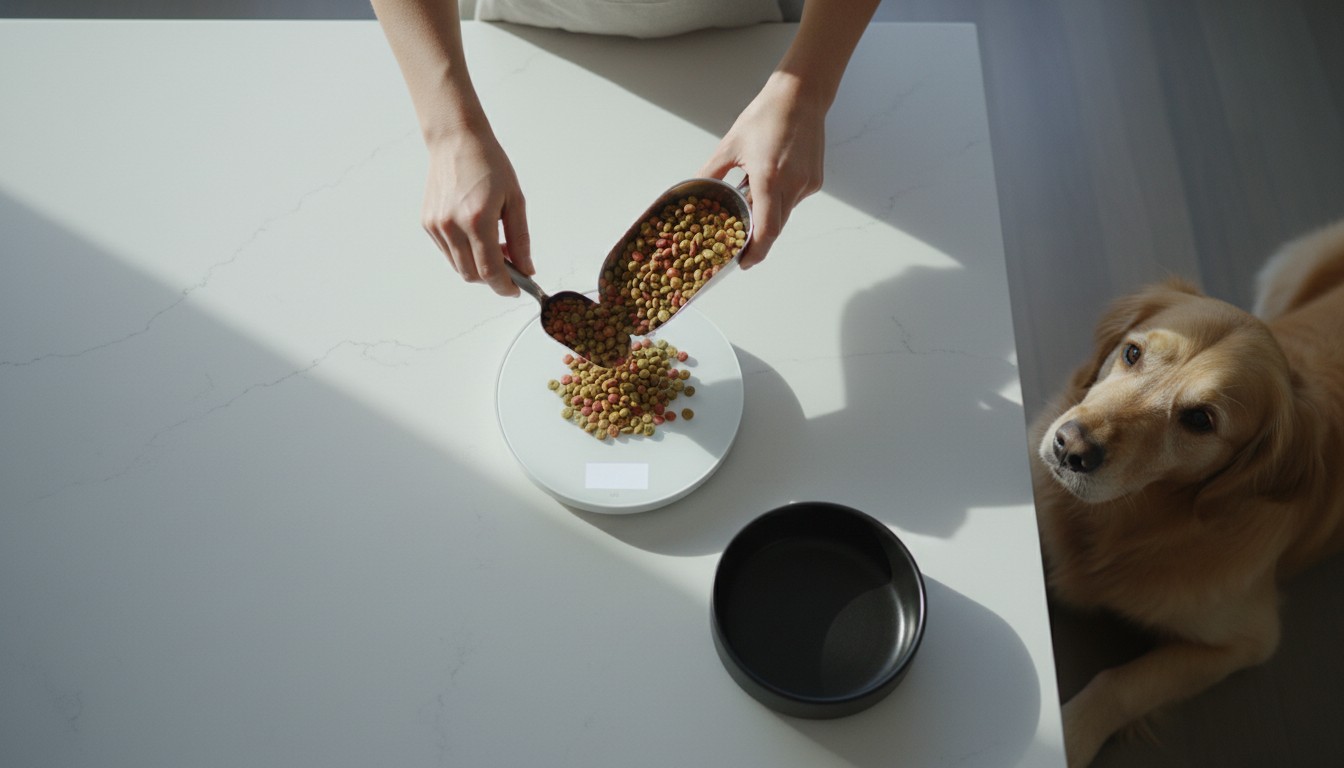
Strategic Use of Digestive Aids in the Canadian Climate
Environmental stressors can significantly impact a pet's digestive resilience. In Canada, the extreme shift from humid summers to the dry, indoor heat of a long winter can stress a pet's system, making them more prone to digestive stalls. During these seasonal shifts, incorporating a high-quality probiotic, such as Purina Pro Plan FortiFlora or a Canadian brand like Adored Beast, can provide the necessary microbial reinforcements to bridge the gap between two different food types.
Furthermore, adding a tablespoon of plain, unsweetened pumpkin purée (available at most Sobeys or Loblaws) can work wonders. The soluble fibre in pumpkin absorbs excess water in the GI tract, firming up stools instantly, while the insoluble fibre helps keep things moving. This is not a 'cure,' but a supportive measure that provides a safety net for the gut lining. If you find the transition stalled at the 75% mark, adding these digestive aids for one week can often provide the 'nudge' needed to reach 100% without further complications.

FAQ
Is it okay if my dog has soft stools for a few days during a food change?
Yes, mild softening of the stool (resembling soft-serve ice cream) is common as the gut bacteria adjust. However, if the stool becomes liquid or contains blood or mucus, you should pause the transition and consult the Reset Protocol.
My cat refuses to eat the new food mixed in. Should I let them go hungry?
Never let a cat go without food for more than 24 hours, as this can lead to hepatic lipidosis (fatty liver disease). If your cat is picking around the new food, try a 'side-by-side' offering in separate bowls or reduce the new food to a tiny 'sprinkle' to desensitise them to the new scent.
How long can a 'stalled' transition safely last?
You can stay at a specific mixing ratio (like 25% or 50%) for up to two weeks if your pet is stable but not yet ready for more. If you cannot progress past a certain point after 14 days without causing diarrhea, the food is likely not a good match for your pet's biology.

Conclusion
Navigating stalled food transitions requires a blend of patience and clinical observation. While the 7-day rule is a helpful baseline, it is not a universal law. Every pet’s internal chemistry is unique, influenced by age, breed, and even the Canadian climate. By slowing down the process, utilizing the Reset Protocol when necessary, and supporting the gut with targeted supplements like pumpkin or probiotics, you can successfully move past the 50% wall. Always remember that the goal is a healthy pet, not a fast transition. If your pet shows signs of lethargy, persistent vomiting, or weight loss, stop the transition immediately and contact your local VCA Canada clinic or family veterinarian to rule out underlying medical issues.

References & Sources
This article was researched using the following sources:


