














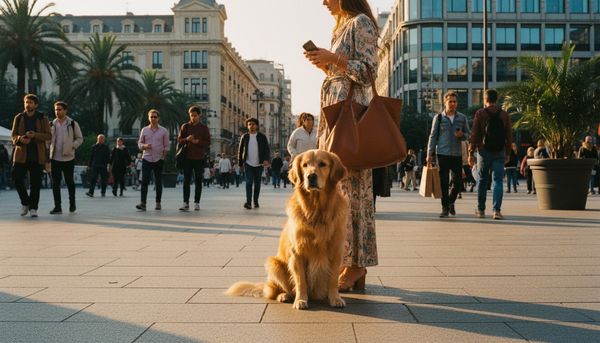
For decades, Canadian dog owners have been told that puppy socialization means meeting as many people and dogs as possible. We flock to local parks or the patio at Tim Hortons, hoping our pups will become 'friendly.' However, this approach often backfires, creating 'frustrated greeters' who lung at the end of the lead whenever they see a distraction. True socialization as neutrality is not about interaction; it is about teaching your dog to remain calm and indifferent to the world around them. By shifting our focus from forced engagement to quiet observation, we help our dogs navigate busy Toronto sidewalks or quiet trails in the Rockies with the same level-headed composure. This guide redefines how we raise confident, neutral companions in a world full of triggers.
The Myth of the 'Friendly' Dog and the Rise of Reactivity
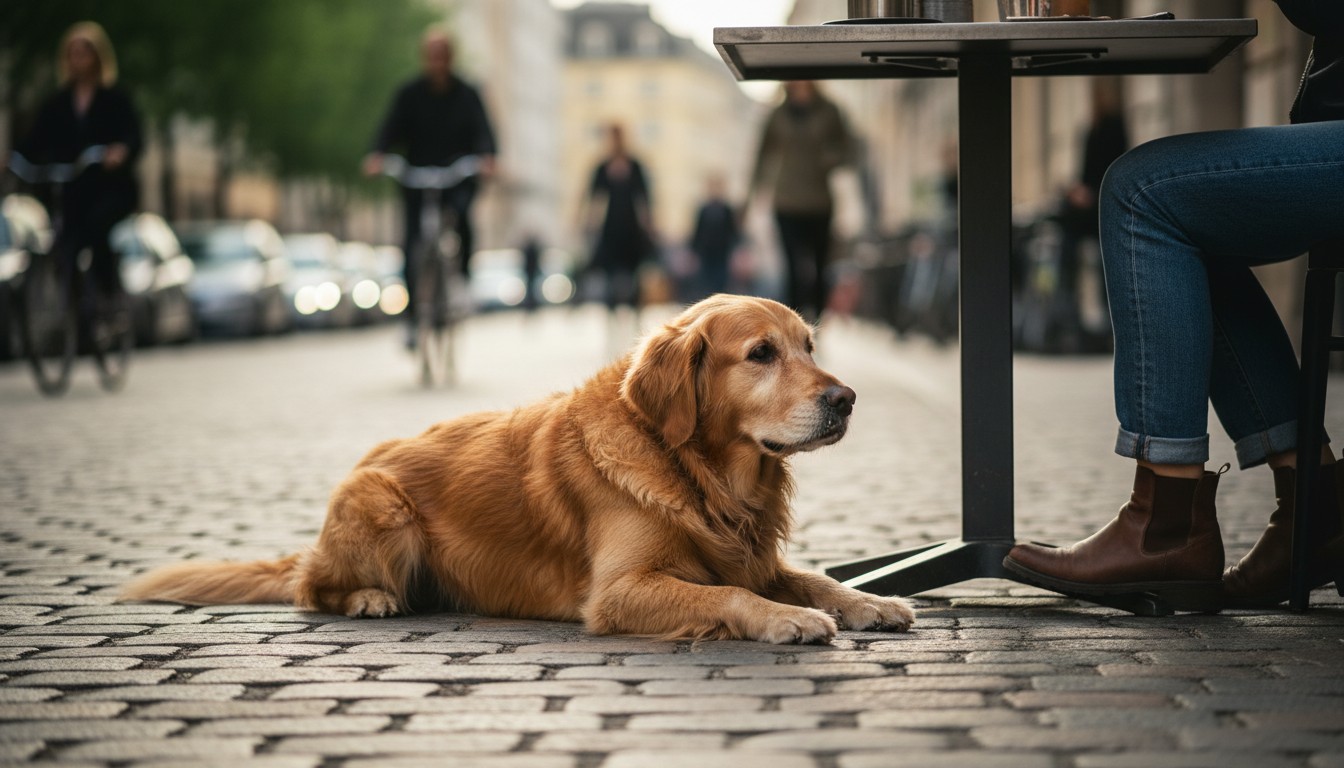
The prevailing myth in the Canadian dog training community is that a 'social' dog is one that wants to play with everyone. In reality, a truly socialised dog is one that can exist in a crowded space—like a busy Shoppers Drug Mart parking lot or a local community centre—without feeling the need to interact. When we encourage puppies to greet every person and dog they see, we inadvertently teach them that the environment is a source of high-arousal engagement.
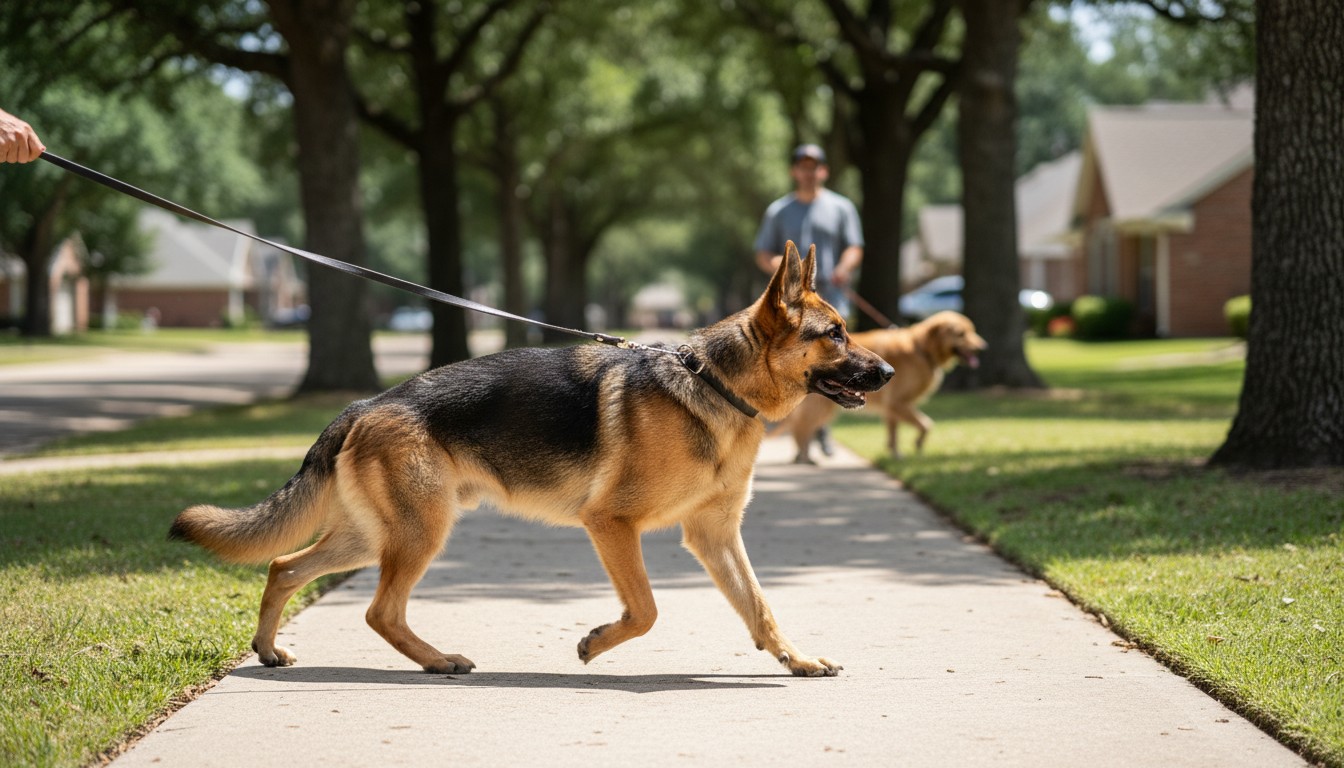
This over-stimulation often leads to leash reactivity. When the dog is eventually restricted by a lead and cannot reach the 'distraction' they have been conditioned to love, they become frustrated. This frustration manifests as barking, lunging, and whining. To prevent this, we must shift our perspective toward neutrality. Neutrality means your dog acknowledges a stimulus but chooses to check back in with you instead of reacting. It is the difference between a dog that is constantly scanning for 'friends' and a dog that is content to walk by your side regardless of what is happening across the street.
The Disengagement Protocol: Rewarding the Choice to Ignore
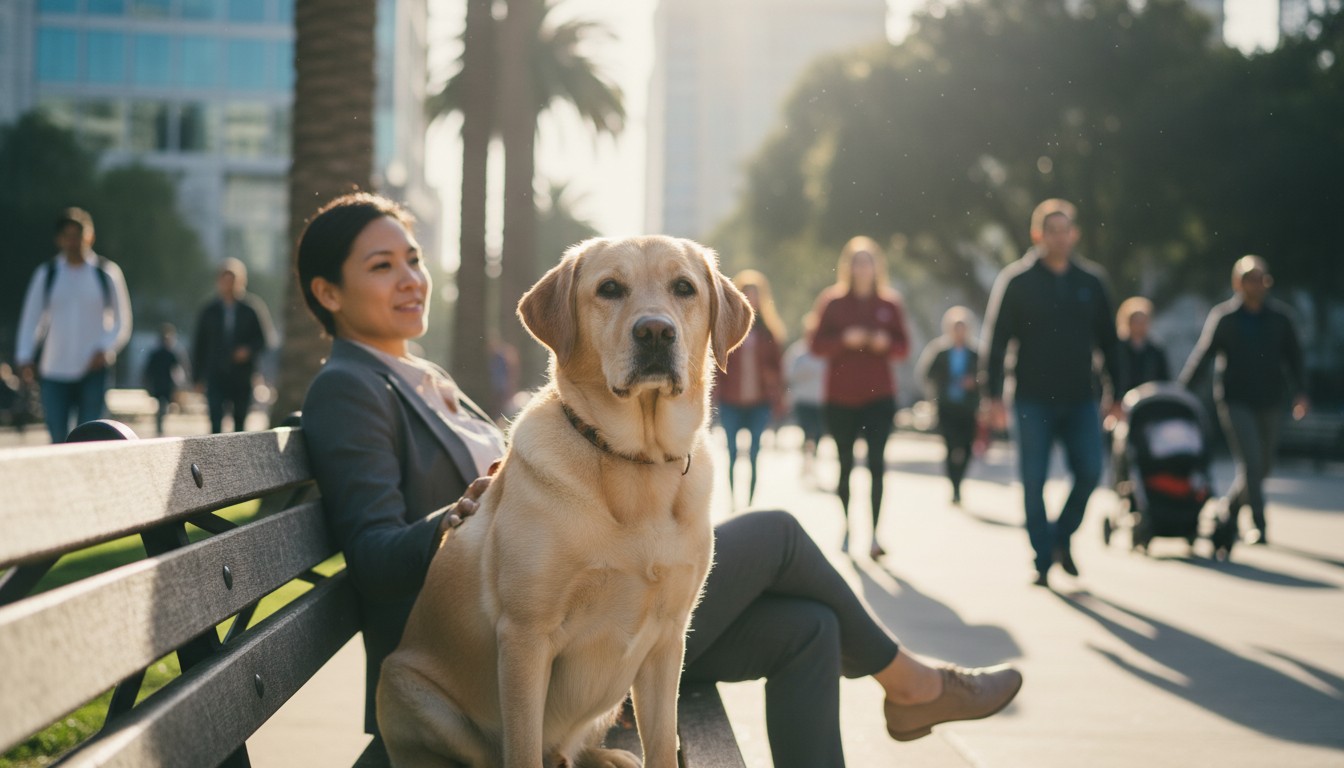
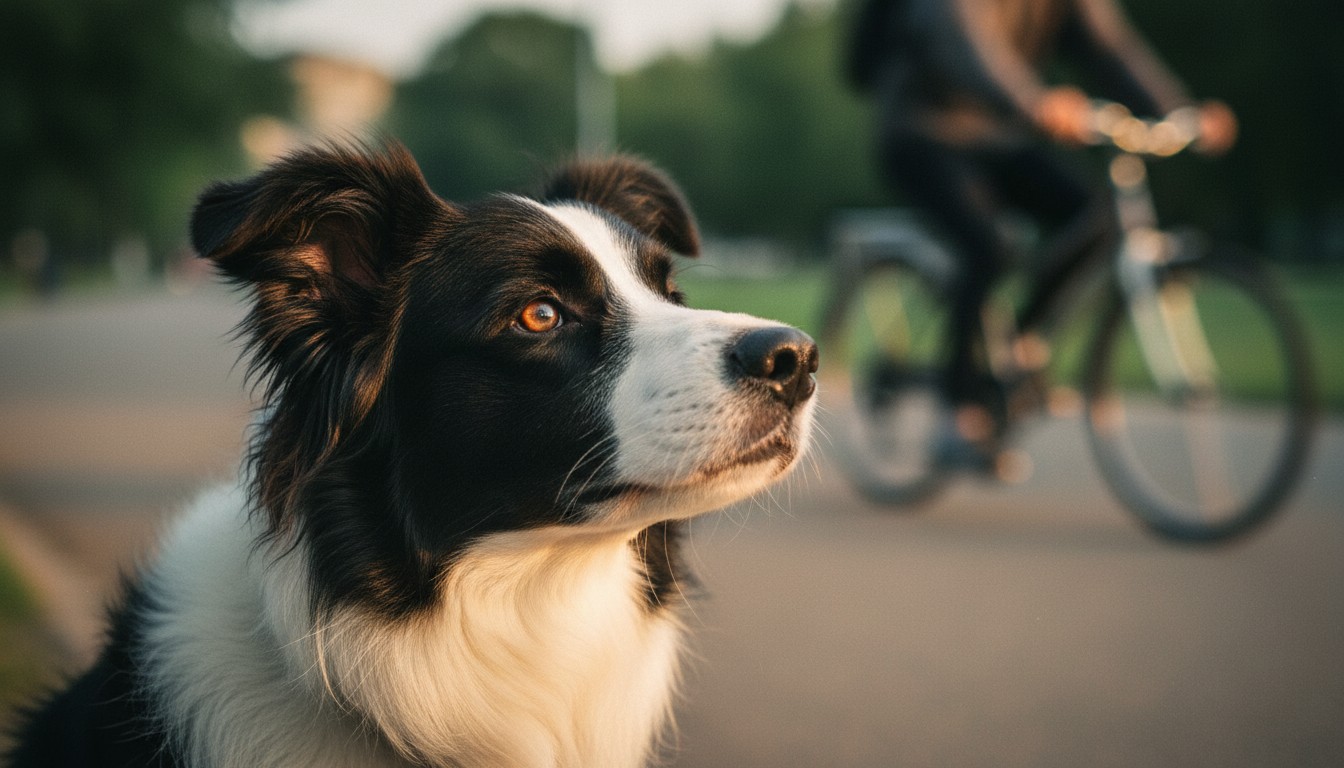
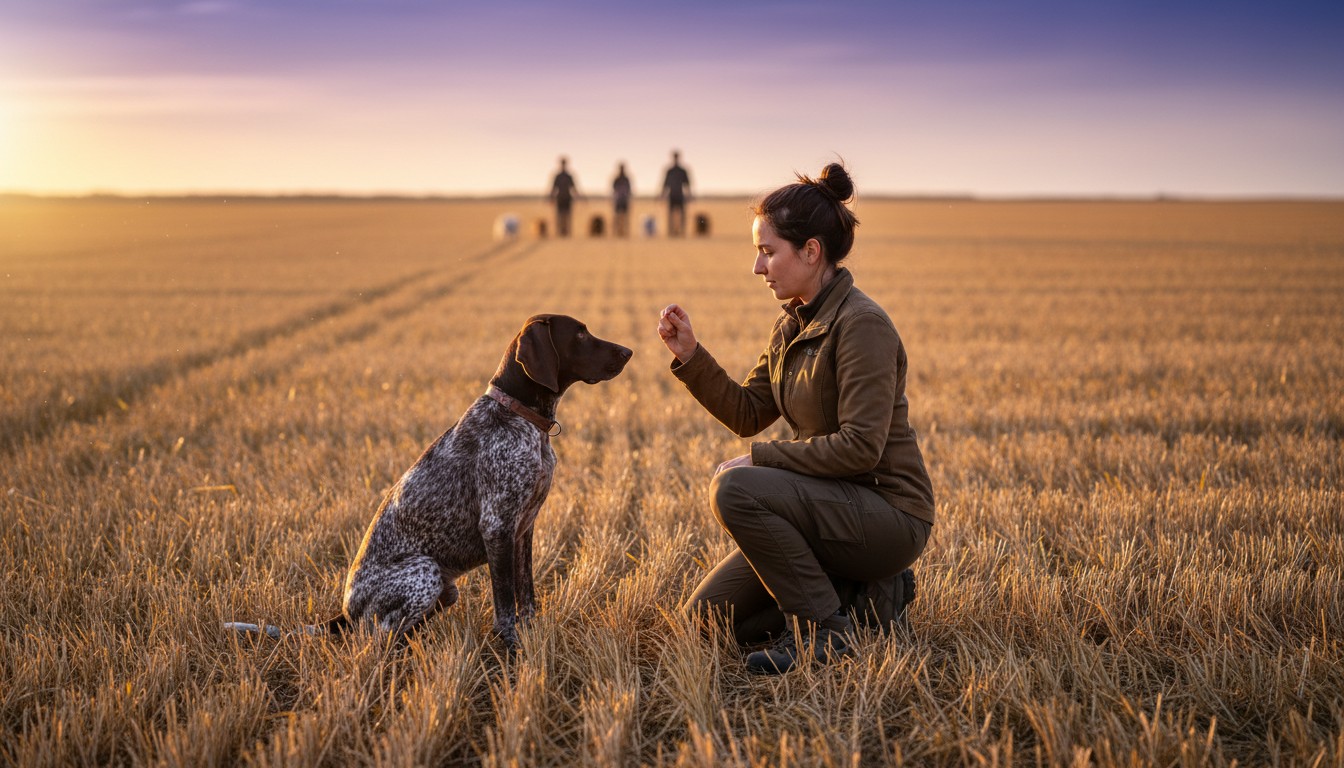
To build socialization as neutrality, you must implement a structured protocol for rewarding disengagement. The goal is to capture the split second your dog looks at a distraction and then looks away. In the training world, this is often referred to as 'Auto-Watching.' Start in a low-distraction environment, like your living room or a quiet cul-de-sac. When your dog notices something—a squirrel, a distant car, or a neighbour—wait for them to turn their head back toward you. The moment they disengage from the trigger, mark with a 'Yes!' or a clicker and reward with a high-value treat.
In Canada, where we deal with significant seasonal shifts, use the winter months to practice this indoors or in covered parkades. Consistency is vital. You are not asking for a 'Sit' or a 'Stay' initially; you are simply rewarding the mental choice to stop staring at the distraction. Over time, your dog will begin to look at a trigger and immediately look back at you for guidance, effectively 'checking in.' This creates a powerful habit of focus that overrides the instinctual urge to lung or pull toward exciting stimuli.
Leveraging Canadian Environments for Controlled Exposure
One of the best ways to practice neutrality is by using 'lifestyle' locations that offer controlled distances. Big-box stores like Canadian Tire are often pet-friendly in many regions, providing wide aisles and predictable distractions. Start by sitting in the back of your vehicle in the parking lot. Let your dog observe the world from a safe 'crate' environment. If they can remain calm while people push carts or cars drive by, reward them.
Gradually move to the store entrance, then eventually inside the quietest aisles. The key is to maintain a 'threshold'—the distance at which your dog can notice a trigger without reacting. If you are walking down a trail in a National Park and see another dog 50 metres away, that is your training opportunity. If your dog begins to stiffen or fixate, you are too close. Increase the distance until they can successfully disengage. Remember, a successful training session ends with your dog feeling relaxed, not exhausted from over-stimulation. Using these everyday Canadian touchpoints allows you to generalise the behaviour in the real world.
Troubleshooting: When the Environment is Too Much
Training doesn't always go perfectly. You may turn a corner in your neighbourhood and find yourself face-to-face with a barking dog or a loud construction crew. In these moments, your dog will likely exceed their threshold. If they start barking or lunging, do not punish them. Punishing a dog for a reactive outburst can create a negative association with the trigger, making the problem worse. Instead, create distance immediately. Use a 'U-turn' or 'Let's Go' cue to move away until your dog can take a breath and take a treat again.
Signs that you need to adjust your approach include your dog refusing treats, constant scanning of the environment, or an inability to respond to basic cues. This indicates their 'bucket' is full—a term trainers use to describe sensory overload. If this happens frequently, go back to basics in a boring environment. Socialization as neutrality is a marathon, not a sprint. Some dogs, especially those with sensitive temperaments, may take months to feel truly neutral in busy areas. Patience and keeping a 'distance buffer' are your best tools for long-term success.
The Nuance of Temperament and Safety Considerations
It is important to acknowledge that not every dog will reach the same level of neutrality. Genetics play a significant role in how a dog perceives the world. A livestock guardian dog may naturally be more vigilant than a Labrador Retriever. Understanding your dog's specific breed traits helps set realistic expectations. Furthermore, safety should always be the priority. In public spaces, ensure you are using secure equipment, such as a well-fitted harness or a fixed-length lead. Retractable leads are generally discouraged for neutrality training as they provide inconsistent tension and less control.
If your dog shows signs of extreme fear, aggression, or deep-seated anxiety that doesn't improve with distance, it is time to consult a professional. Look for trainers certified by the CCPDT (Certification Council for Professional Dog Trainers) or IAABC who use force-free, evidence-based methods. In Canada, many trainers offer 'Neutrality Classes' or 'Pack Walks' specifically designed to practice these skills in a safe, managed group setting. A professional can help you read subtle body language signs that you might miss, ensuring that your socialization efforts are helping, not hindering, your dog's mental health.
FAQ
What is the difference between socialization and neutrality?
Traditional socialization focuses on direct interaction with people and animals. Neutrality focuses on the dog's ability to remain calm and indifferent to those same stimuli without needing to interact.
Can I start neutrality training with an older dog?
Yes! While the 'critical socialization window' is in puppyhood, dogs of any age can learn neutrality through counter-conditioning. It may take longer to undo old habits, but the process of rewarding disengagement remains the same.
Should I let strangers pet my dog during training?
If your goal is neutrality, it is often best to decline greetings from strangers initially. This teaches your dog that people are just part of the background scenery, not a source of constant excitement or interruption.
How do I know if my dog is 'over threshold'?
Common signs include refusing high-value treats, heavy panting (not related to heat), fixating on a trigger, or ignoring known cues. If your dog cannot eat or look at you, they are too close to the distraction.
Conclusion
Redefining socialization as neutrality is a gift to both you and your dog. It transforms stressful walks into peaceful outings and ensures your companion can handle the unpredictability of Canadian life—from busy city centres to crowded hiking trails. By focusing on disengagement and rewarding the 'choice' to ignore distractions, you build a foundation of trust and focus that lasts a lifetime. Remember to be patient with yourself and your dog; neutrality is a skill that is built one successful repetition at a time. If you find yourself struggling, don't hesitate to reach out to a local certified professional trainer to help guide your journey. Start small, stay consistent, and enjoy the calm that comes with a truly neutral dog.
References & Sources
This article was researched using the following sources:


