














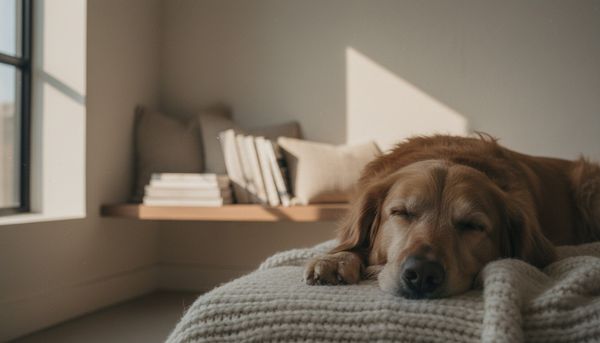
Bringing a new dog or cat into your home is a monumental event, yet most Canadian owners focus solely on the 'gear'—the leashes from Canadian Tire or the premium kibble from the local pet store. However, the most critical element for a successful transition is the environment itself. Creating a dedicated low-stimulus decompression zone is essential for managing the high cortisol levels that accompany a move. Whether you are adopting a rescue from a rural shelter or bringing home a puppy in the middle of a -20°C Ontario winter, the first seven days are a sensory minefield. By intentionally designing a space that prioritises acoustic dampening, light control, and scent neutrality, you allow your pet’s nervous system to reset. This guide will walk you through the professional-grade environmental adjustments needed to foster long-term confidence and reduce early-onset anxiety in your new companion.
Location Scouting: Finding the Quietest Corner
The first step in creating a low-stimulus decompression zone is identifying a location that is physically removed from the high-traffic 'hubs' of your home. In many Canadian layouts, this might be a finished basement corner, a spare guest room, or even a deep walk-in closet if it is well-ventilated. You want to avoid areas near the front door where the sound of the doorbell or the sight of neighbours walking past can trigger a 'guarding' or 'flight' response. Ideally, the space should be a 'dead-end' room where your pet is not forced to monitor multiple entry points.
When evaluating a space, sit on the floor at your pet's eye level. Is there a draft coming from the patio door? Is the furnace room right behind the wall, creating a rhythmic vibration? For a rescue pet, a space that feels 'tucked away' is far more comforting than an open-concept living area. Ensure the area is approximately 2 to 3 metres squared—enough for a bed, a water bowl, and a small area to stretch, but not so large that it feels exposed and indefensible. This physical containment helps the pet feel that they only have one small area to 'worry' about, rather than an entire 2,000-square-foot house.
Acoustic Dampening and Sound Management
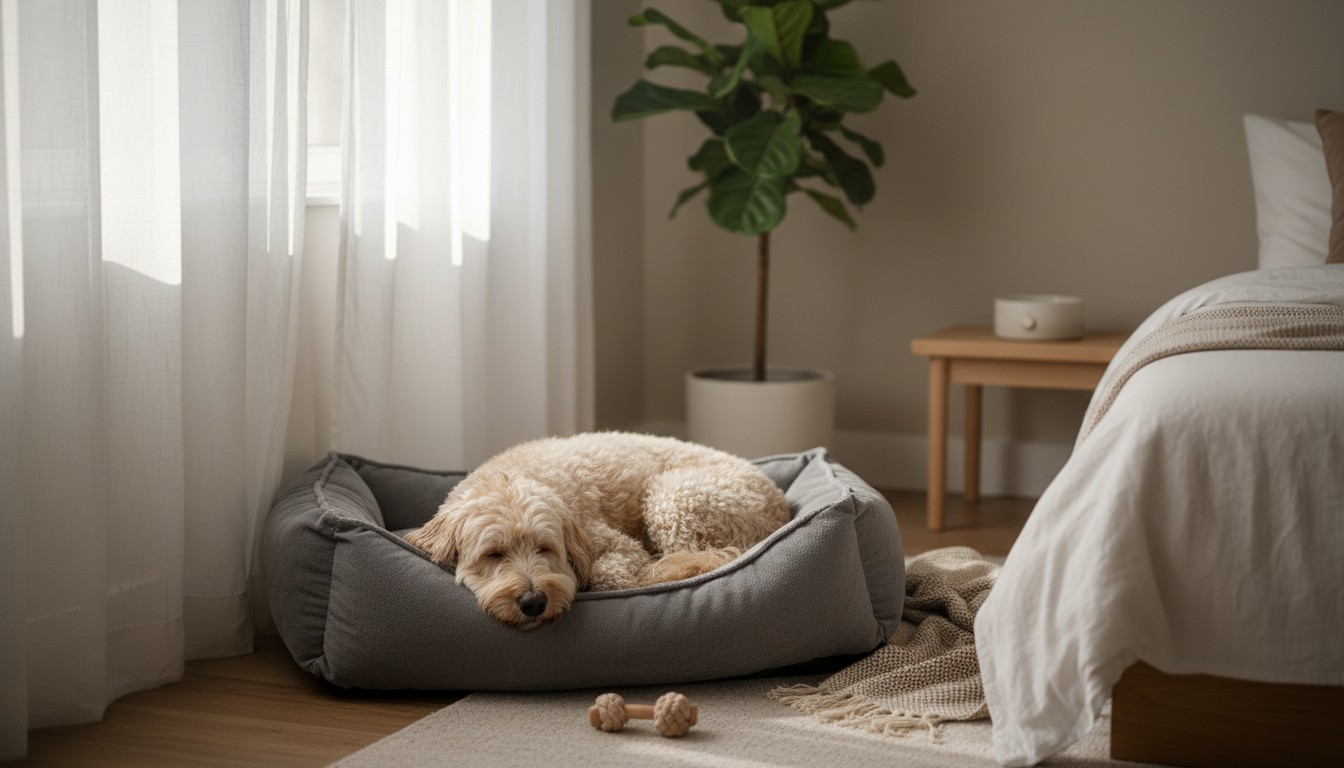
Sound is often the most overlooked stressor for new pets. Standard Canadian residential construction can carry the 'thud' of footsteps or the hum of a dishwasher quite easily. To create a true low-stimulus decompression zone, you must address both internal and external noise. Start by adding soft surfaces to the room. Heavy area rugs from retailers like Wayfair.ca or even thick yoga mats can significantly reduce the 'clack-clack' of claws on hardwood, which can be a startling sound for a nervous animal. If the room has a window, consider 'sound-dampening' curtains which help block out the noise of snowploughs, sirens, or the local Tim Hortons drive-thru traffic.
Complement physical dampening with a consistent auditory 'buffer.' White noise machines or fans are excellent, but research suggests that specific types of music, such as soft classical or reggae, can actually lower a dog's heart rate. Aim for a volume level that masks distant house sounds without being an overwhelming 'wall' of noise itself. Avoid leaving a radio on a talk-show station; the sharp, unpredictable nature of human speech can be more taxing than a steady, predictable drone. The goal is to create an 'acoustic bubble' where the world outside the zone remains irrelevant to the pet's immediate experience.
Visual Sovereignty and Light Control
Visual overstimulation is a primary driver of 'hyper-vigilance' in new pets. If a dog is constantly watching the window for squirrels or tracking the movement of family members through a glass door, their cortisol levels will remain elevated. In your low-stimulus decompression zone, aim for what behaviourists call 'visual sovereignty.' This means the pet should have a clear view of any entrance to their space, but they should be shielded from unnecessary outside stimuli. Use frosted window film (available at Shoppers Drug Mart or Canadian Tire) to block the view of the street while still allowing natural light to filter through.
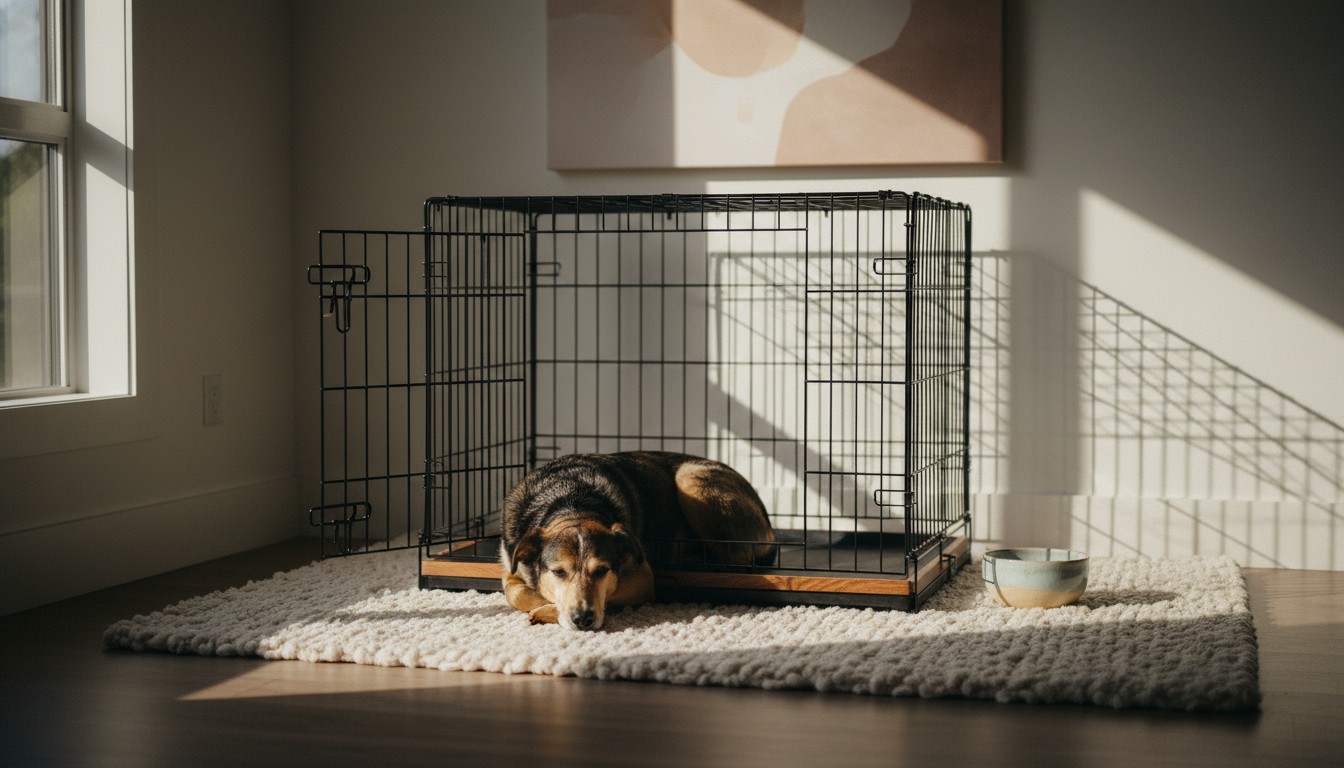
Light intensity also plays a role in the endocrine system. Harsh, blue-toned LED overhead lights can interfere with a pet's circadian rhythm. Opt for warm-spectrum bulbs (2700K) or smart bulbs that you can dim as evening approaches. During the first few days, keeping the room in a state of 'perpetual twilight' can encourage more sleep, which is when the brain processes the day's stress. If your pet is particularly fearful, a 'den-like' setup—such as a crate covered with a breathable, heavy blanket—provides a visual 'out' where they can retreat and know that nothing can see them. This total control over their visual field is the fastest way to stop the 'scanning' behaviour seen in anxious arrivals.
Olfactory Neutrality: The Power of Scent
A pet's world is primarily olfactory, and a new home can be an overwhelming 'smell-scape' of cleaning products, perfumes, and other animals. To make a low-stimulus decompression zone effective, you must manage these scents. Avoid using strong-smelling Canadian winter cleaners or aerosol air fresheners in the zone. Instead, aim for scent neutrality. Before the pet arrives, place an item of your clothing that you have worn (like a soft cotton T-shirt) in the space. This allows the pet to associate your unique scent with the safety of the zone without the pressure of physical interaction.
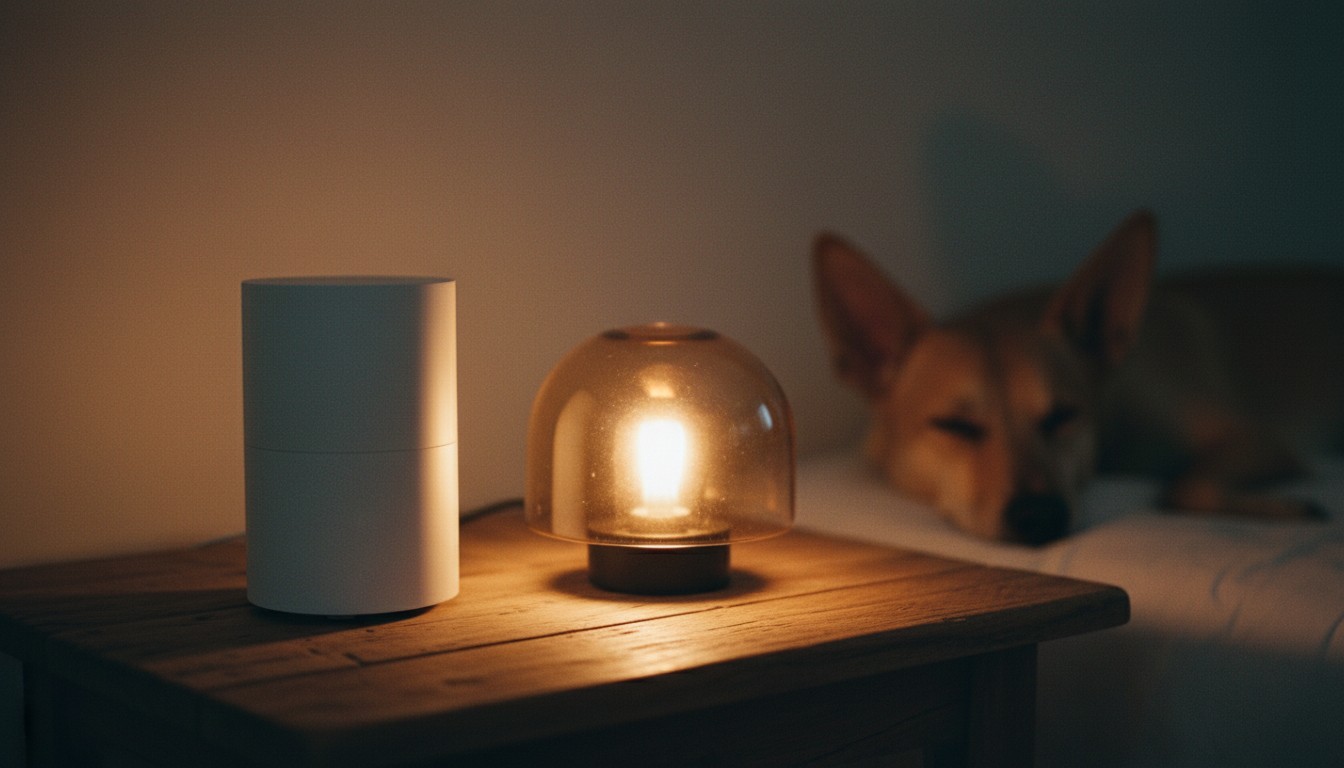
Consider the use of synthetic pheromones, such as Adaptil for dogs or Feliway for cats. These products mimic the calming 'appeasing pheromones' produced by nursing mothers and can be plugged into a standard wall outlet. In the dry air of a Canadian winter, these diffusers also add a tiny amount of moisture, though their primary benefit is the chemical signal of safety they send to the pet's brain. Be mindful of 'scent-creep' from the kitchen; if you are cooking high-aroma foods like bacon or garlic, try to keep the door to the decompression zone closed to maintain the room's status as a neutral sanctuary.

Troubleshooting: Signs to Adjust the Zone
Even the best-designed low-stimulus decompression zone may need adjustments based on the individual pet's temperament. Watch for 'barrier frustration'—if a dog is frantically scratching at the door or a cat is howling incessantly, the space may be too small or the isolation may be causing more stress than the stimuli would. In these cases, a baby gate might be a better solution than a closed door, as it allows the pet to see out into the hallway without being 'in' the mix of the house. If you notice your pet is not eating or drinking within the zone after 12 hours, try moving the bowls further away from their sleeping area.
Another common issue is 'environmental boredom' appearing as destructive chewing. While we want low stimulation, we don't want a sensory vacuum. Introduce one 'low-arousal' activity, such as a long-lasting chew or a Lickimat with a bit of plain Greek yogurt. If the pet remains in a state of 'freeze'—hiding in the back of a crate and refusing to move for more than 24 hours—it may be time to consult a professional. Canadian winters can also make the floor quite cold; ensure you have a 'lifted' bed or extra insulation if the zone is on a concrete basement floor. If the pet's anxiety manifests as aggression or self-harm, contact a certified trainer (CPDT-KA) or a veterinary behaviourist immediately.
FAQ
How long should my new pet stay in the decompression zone?
Most experts recommend a minimum of 3 to 7 days. However, you should follow your pet's lead; if they are showing curious, relaxed body language and are eager to explore, you can gradually increase their access to the rest of the home.
Should I spend all my time with my pet in the zone?
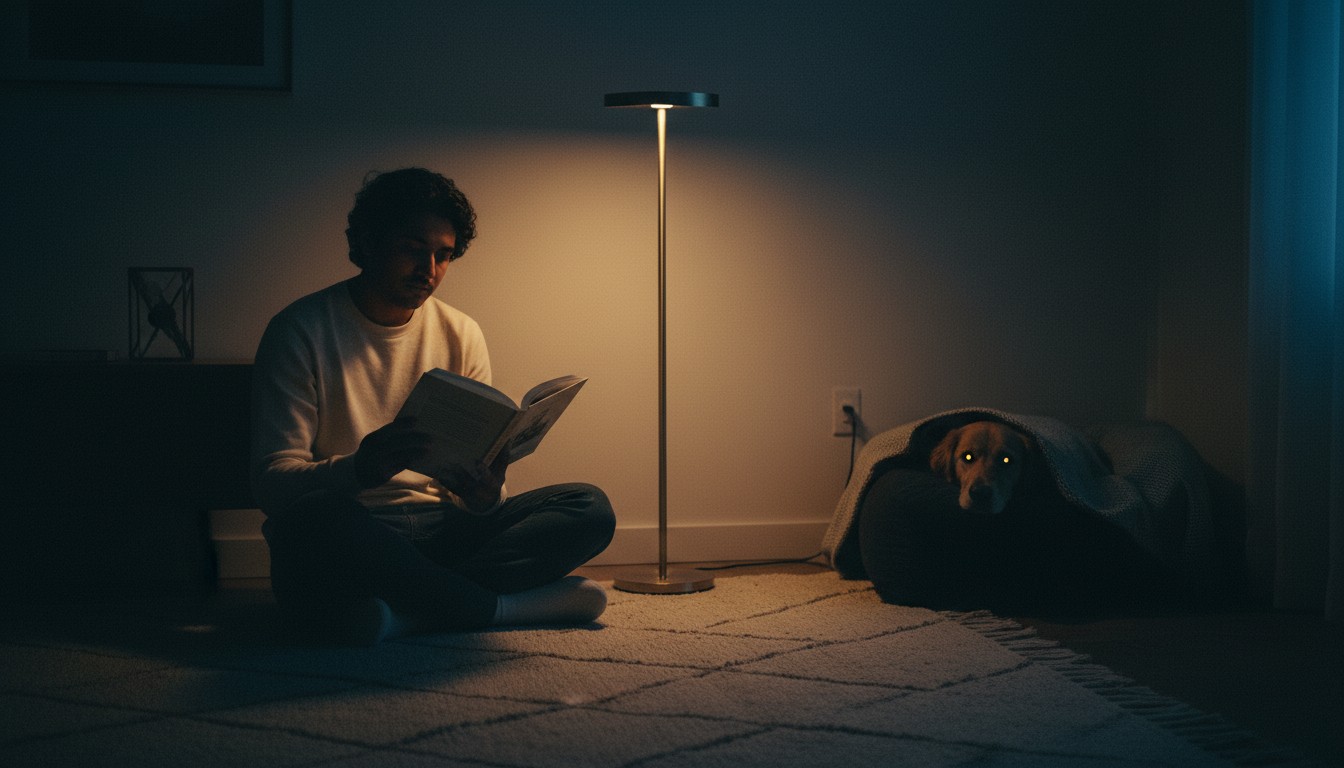
No, it is important to let them have periods of complete solitude to process their surroundings. Spend short, 15-minute sessions of 'passive companionship' where you sit in the room reading a book without forcing interaction, then give them space to rest.
Can I use the laundry room as a decompression zone?
Generally, no. The sudden, loud noises of a washing machine's spin cycle or the heat and hum of a dryer can be highly startling. Choose a room with consistent, predictable environmental factors instead.
What if I live in a small apartment and don't have a spare room?
You can create a zone using a corner of your bedroom or living area. Use an X-pen (exercise pen) covered with a sheet to create a visual barrier, and use white noise to mask the sounds from the rest of the apartment.
Conclusion
Designing a low-stimulus decompression zone is a profound act of empathy for your new pet. By controlling the light, sound, and scent of their environment, you provide them with the 'buffer' they need to transition from the chaos of their past to the stability of their future in Canada. Remember that every animal is an individual; what works for a Labrador from a suburban rescue might need tweaking for a cat from a northern community. Be patient, observe their body language closely, and do not rush the process. If you find that your pet is struggling to settle despite these adjustments, or if they show signs of severe separation anxiety or aggression, reach out to a professional trainer or your local veterinarian for guidance. With the right foundation, your new companion will soon feel right at home.
References & Sources
This article was researched using the following sources:


