














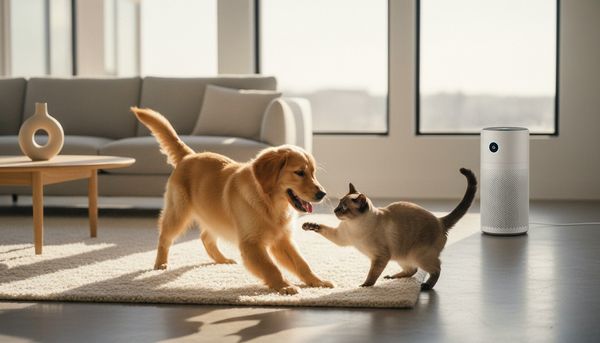
As Canadians retreat indoors during the long winter months, we often reach for scented candles and diffusers to create a cozy atmosphere. However, the popularity of aromatherapy has introduced significant airborne hazards into our homes. Understanding the relationship between essential oil diffusers and pets is critical for every owner, as the very scents we find relaxing can be physically overwhelming—and even toxic—for our furry companions. Unlike humans, pets have highly sensitive respiratory systems and unique metabolic pathways that make them vulnerable to aerosolised compounds. This guide explores the mechanisms of harm, from the physics of droplet inhalation to the cumulative danger of running diffusers in enclosed Canadian homes with poor ventilation.
The Mechanism of Harm: Inhalation Versus Ingestion
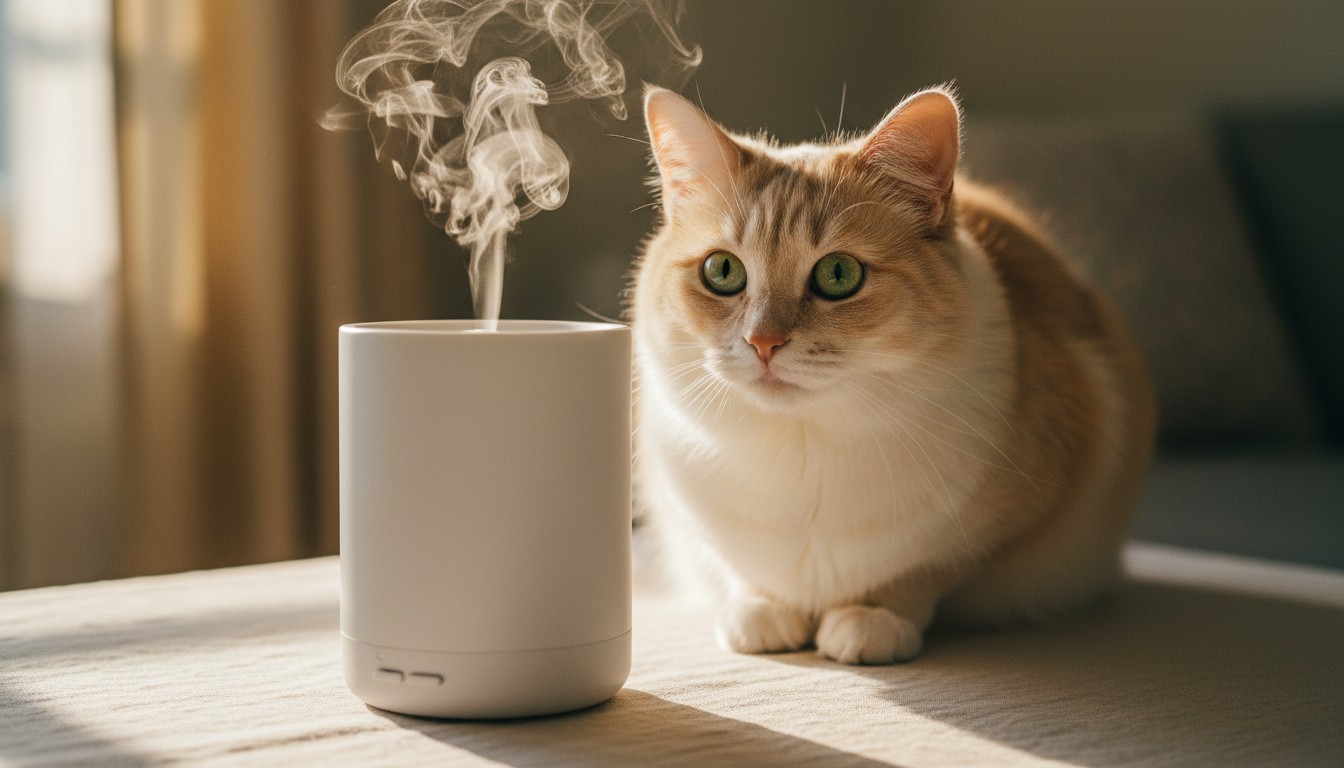
When you operate a diffuser, you aren't just filling the room with a pleasant odour; you are releasing microscopic droplets of concentrated plant oils into the air. For pets, this creates a dual-threat scenario. First, there is the immediate respiratory impact. Cats and dogs have a sense of smell significantly more acute than ours, and their lung tissue is highly sensitive to Volatile Organic Compounds (VOCs). When these oils are aerosolised, they can trigger immediate airway inflammation, leading to coughing or wheezing.
Beyond inhalation, there is a secondary, often overlooked danger: grooming. These heavy oil droplets eventually settle out of the air and land on your pet’s fur. Because cats and dogs are fastidious groomers, they inevitably lick these concentrated oils off their coats. This transforms an airborne hazard into an ingested toxin. In a closed environment, such as a Calgary apartment in January or a Toronto condo where windows remain shut for months, these particles accumulate on surfaces, bedding, and pet toys, leading to chronic, low-level exposure that can eventually overwhelm the pet's internal organs.
Chemical Culprits: Phenols and Monoterpenes
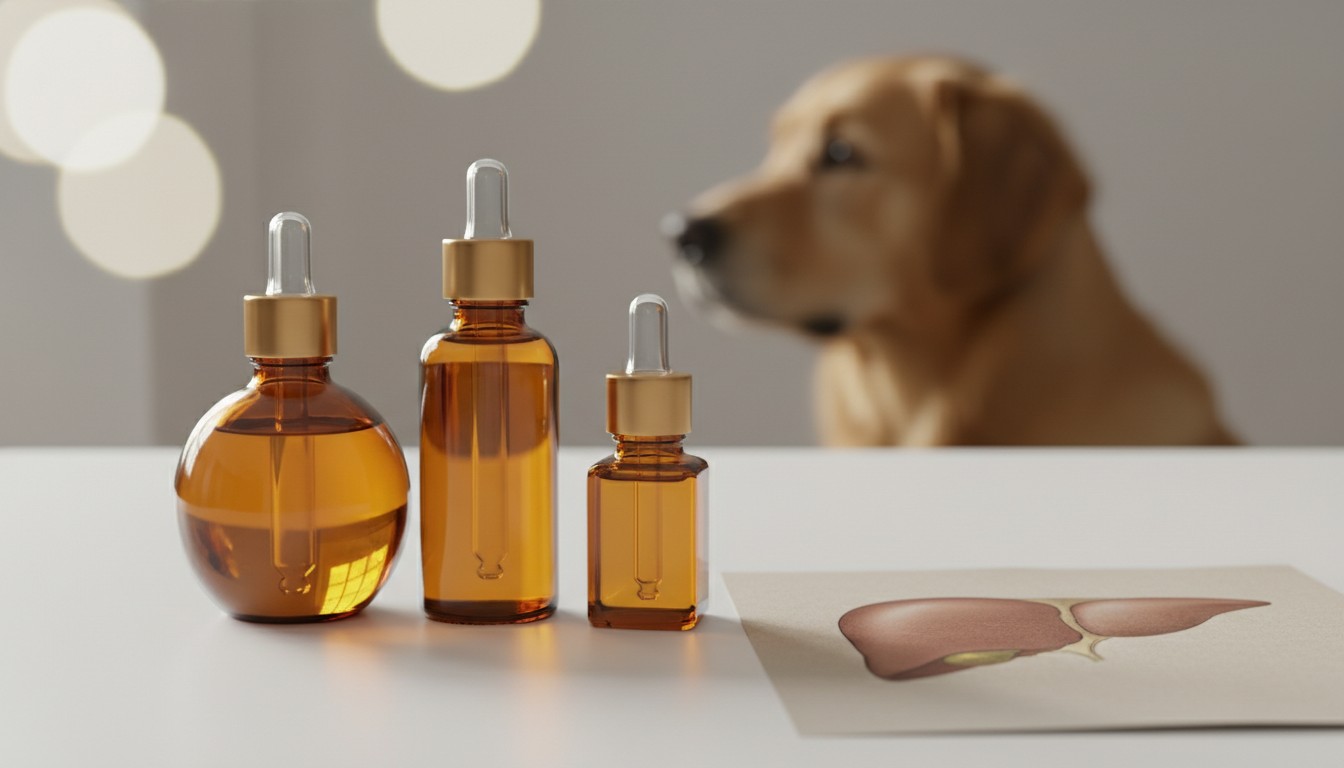
Not all essential oils are created equal, but many contain compounds that are specifically dangerous to pet physiology. Phenols and monoterpenes are two of the most common chemical groups found in 'natural' products sold at Canadian retailers like Shoppers Drug Mart or Saje. While these compounds may have therapeutic benefits for humans, they require a specific enzyme called glucuronyltransferase for the liver to safely metabolise them. Cats, in particular, lack this enzyme, making them exceptionally prone to liver toxicity.
Specific oils to watch for include Tea Tree (Melaleuca), Peppermint, Cinnamon, and Citrus oils. Even 'high-quality' or 'therapeutic grade' labels do not guarantee safety. When a diffuser runs continuously, these compounds build up in the pet's bloodstream. Over time, this cumulative exposure can lead to hepatotoxicity (liver damage). Symptoms may not appear immediately; instead, they manifest as a slow decline in health, often mistaken for ageing, until the liver reaches a breaking point. For dogs, while their metabolic pathways are slightly more robust, certain oils like Wintergreen and Pine can still cause significant central nervous system depression.
Scented Candles and Particulate Matter
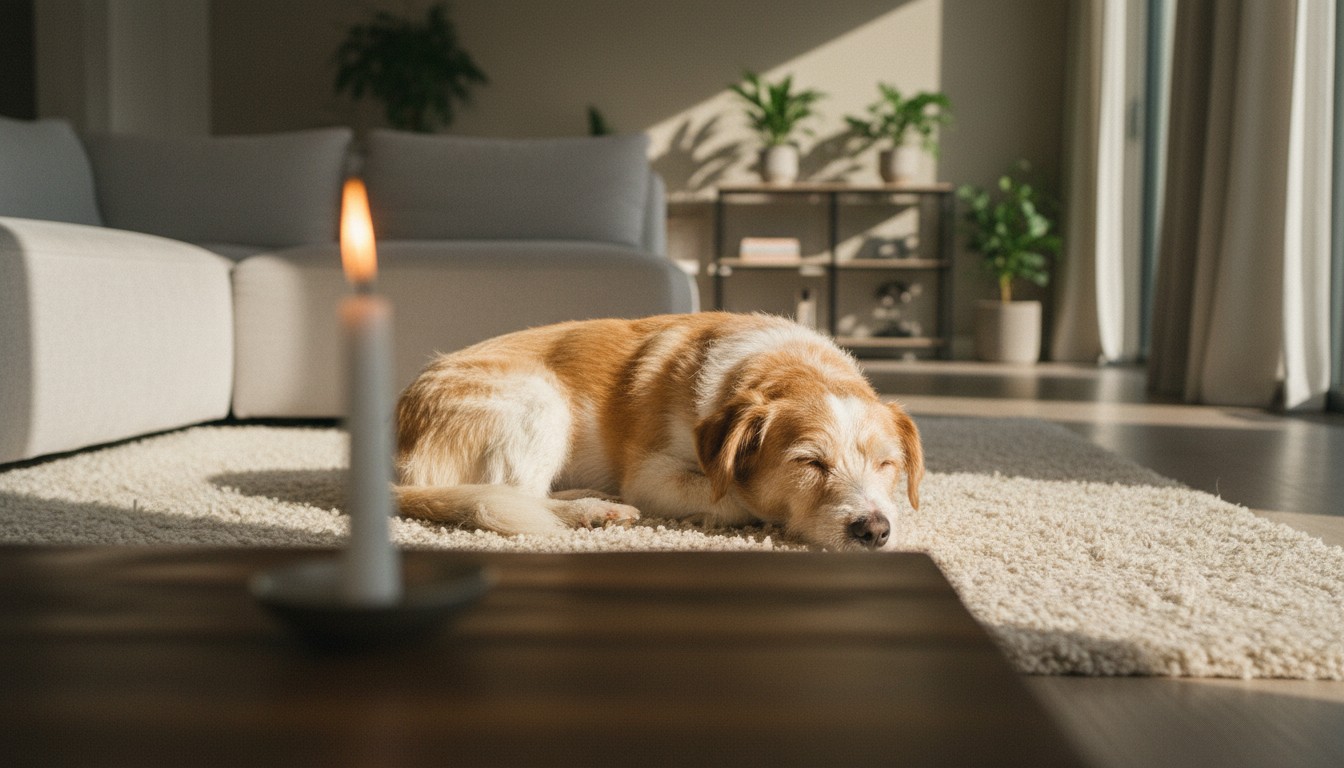
Scented candles present a different but equally concerning airborne hazard. Most commercial candles sold in Canada are made from paraffin wax, a petroleum byproduct. When burned, paraffin releases soot and chemicals like benzene and toluene, which are known carcinogens. Even if you opt for soy or beeswax candles, the synthetic fragrances used to create that 'fresh linen' or 'pumpkin spice' scent often contain phthalates, which interfere with endocrine function.
Furthermore, the fine particulate matter (PM2.5) released by burning wicks can penetrate deep into the lungs. In a small space, the concentration of these particles can quickly exceed safe air quality limits. For pets with pre-existing conditions like feline asthma or canine chronic bronchitis, a single evening of burning candles can trigger a medical emergency. The 'flicker' of a candle also releases microscopic carbon particles that can settle in the lower respiratory tract, causing long-term inflammation. If you notice black soot marks near your vents or on your pet's bedding, your air quality is likely compromised.
Recognising Distress and Troubleshooting
As a pet owner, it is vital to recognise the early warning signs of respiratory or toxic distress. If you are using a diffuser or burning candles and notice your pet squinting their eyes, drooling excessively, or retreating to another room, stop immediately. These are clear signs of irritation. More severe symptoms of oil toxicity include ataxia (stumbling or unsteadiness on feet), muscle tremors, and a significant drop in body temperature—often below the normal 38-39°C range for cats and dogs.
If you suspect your pet has been exposed to a toxic level of airborne oils, the first step is to get them into fresh air immediately. Open windows to clear the vapour, even if it is cold outside. Do not attempt to induce vomiting if they have licked the oil; instead, wash their coat with a mild, scent-free dish soap (like Dawn) to remove any remaining droplets. If the pet is lethargic or having difficulty breathing, contact a veterinarian or a service like the Pet Poison Helpline immediately. In Canada, many emergency clinics see a spike in these cases during the winter 'stay-at-home' season.

Safe Alternatives for a Fresh Canadian Home
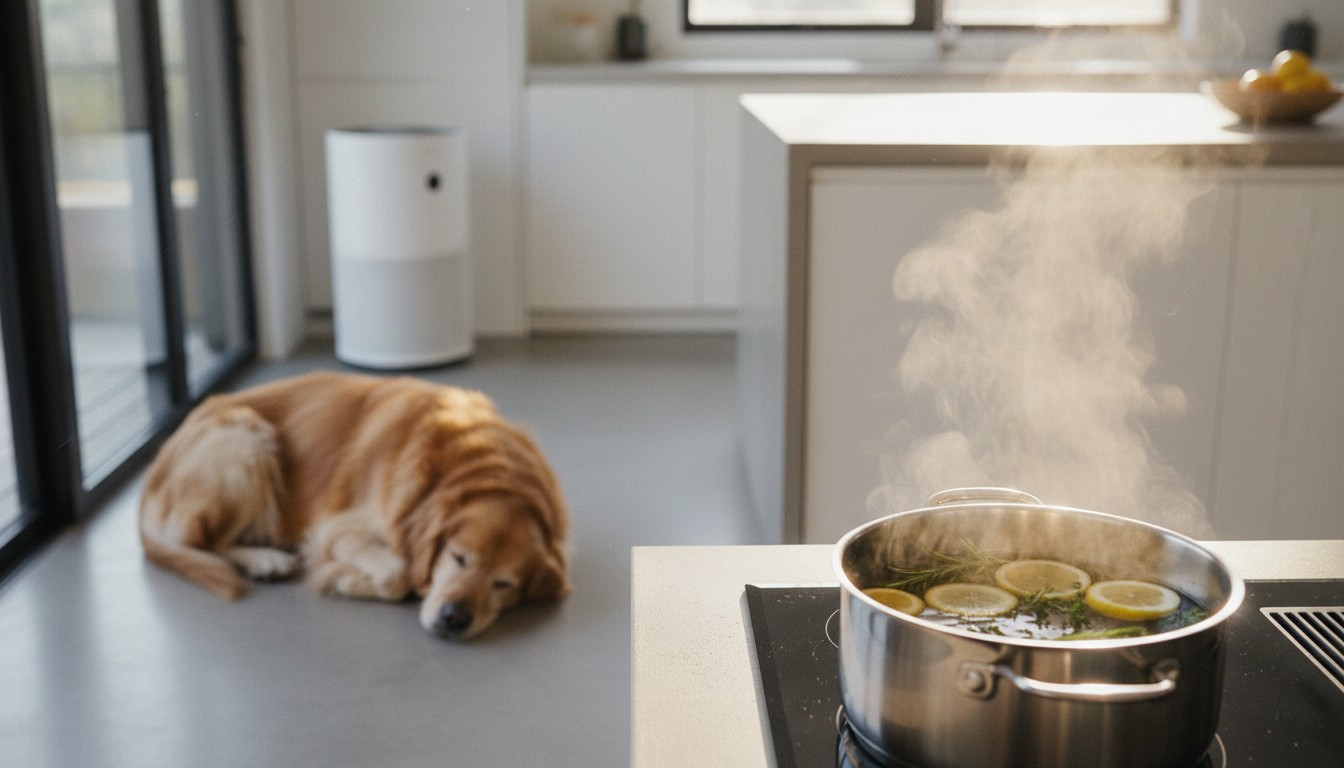
Maintaining a pleasant-smelling home without compromising pet safety is possible with a few adjustments. The best approach is to focus on odour elimination rather than masking scents. High-quality HEPA air purifiers, available at stores like Canadian Tire, are excellent for removing both pet dander and VOCs from the air. For a natural scent, consider 'simmer pots' on the stove using pet-safe ingredients like apple slices, cinnamon sticks (in moderation and kept out of reach), or ginger in a large pot of water. The moisture also helps combat the dry air caused by Canadian furnaces.
If you must use scents, ensure the room is large and well-ventilated, and never leave a pet confined in a room with an active diffuser. Use 'passive' diffusers like reed sticks rather than active ultrasonic mists, as they don't aerosolise the oil droplets. Always provide an 'escape route'—an open door to a scent-free room where the pet can go if the odour becomes overwhelming. Transitioning to pet-safe cleaning products that use vinegar or baking soda can also reduce the total chemical load in your home's air.
FAQ
Can I use a diffuser if my pet is in a different room?
Yes, but only if the home is well-ventilated and the pet has a clear path to a scent-free area. Ensure the diffuser is not near the return air vent of your HVAC system, which could spread the oils throughout the entire house.
Are 'pet-safe' essential oils actually safe for cats?
There is no official regulation for 'pet-safe' labelling. Because cats lack specific liver enzymes to process most essential oils, even 'safe' oils like lavender can be harmful if used in high concentrations or in poorly ventilated spaces.
Which candles are the safest for dogs and cats?
Unscented beeswax or 100% soy candles with cotton wicks are the safest options. Avoid paraffin wax and synthetic fragrances (phthalates), and always trim the wick to minimise soot and particulate matter.
Conclusion
The allure of a scented home should never come at the cost of your pet's health. While essential oils and candles are staples of Canadian home life, the airborne hazards they present—from aerosolised droplets settling on fur to the release of harmful VOCs—are significant. By understanding the metabolic limitations of cats and the respiratory sensitivities of dogs, you can make informed choices about the products you use. If you notice any changes in your pet's breathing, energy levels, or coordination, it is imperative to consult a veterinarian immediately. Protecting your pet requires a proactive approach to air quality: prioritise ventilation, choose scent-free alternatives where possible, and always observe your pet's behaviour for signs of discomfort. A healthy, fresh-smelling home is one where every inhabitant, two-legged or four, can breathe easy.
References & Sources
This article was researched using the following sources:

