















When you walk into a Canadian pet store like Pet Valu or Ren's Pets, you are likely searching for one specific phrase: "Meat is the first ingredient." For many pet owners from Halifax to Vancouver, this has become the gold standard of nutritional quality. However, this common marketing claim is often a clever facade created through a technique called ingredient splitting. By breaking down cheaper fillers into smaller sub-categories, manufacturers can legally place meat at the top of the list, even if the total volume of grains or legumes far outweighs the actual protein content. Understanding this loophole is essential for any Canadian shopper looking to provide the best possible nutrition for their furry companions during our long, cold winters.
The Psychological Power of the First Ingredient
For decades, marketing campaigns across North America have trained us to believe that the order of ingredients is the primary metric of quality. In Canada, where consumers are increasingly health-conscious about what they feed their family members, the "meat first" promise provides an immediate sense of security. Manufacturers are well aware that most shoppers only scan the first three to five items on a bag. By ensuring a protein like "deboned chicken" sits at the number one spot, they create an immediate perception of premium quality.
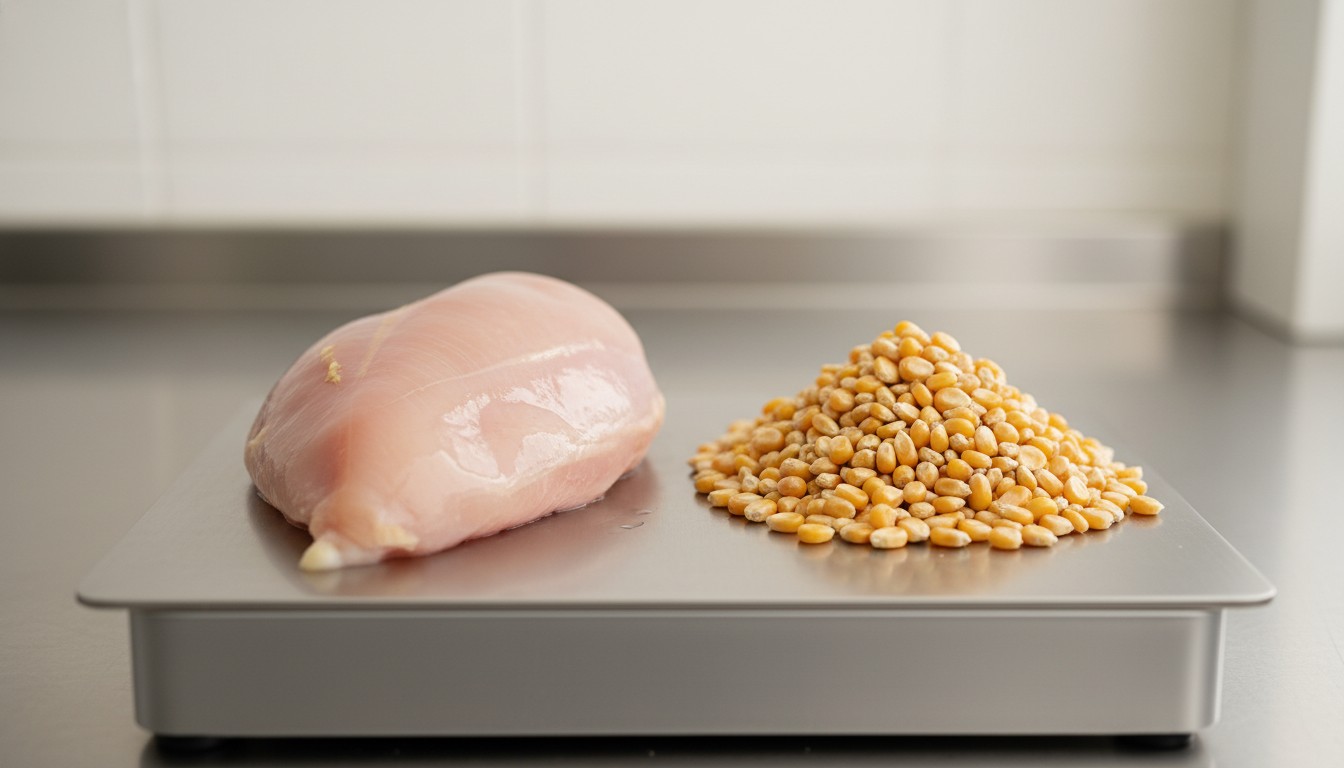
However, what many don't realise is that this list is based on weight before processing. Whole meat contains nearly 70% moisture. Once that water is removed during the extrusion process to create dry kibble, the actual amount of chicken remaining is a fraction of its original weight. This creates a gap between the perception of a meat-heavy diet and the reality of a carbohydrate-based one, a distinction that is particularly important for active breeds in rural Canadian settings who require dense energy sources.
The Mechanics of Ingredient Splitting Explained
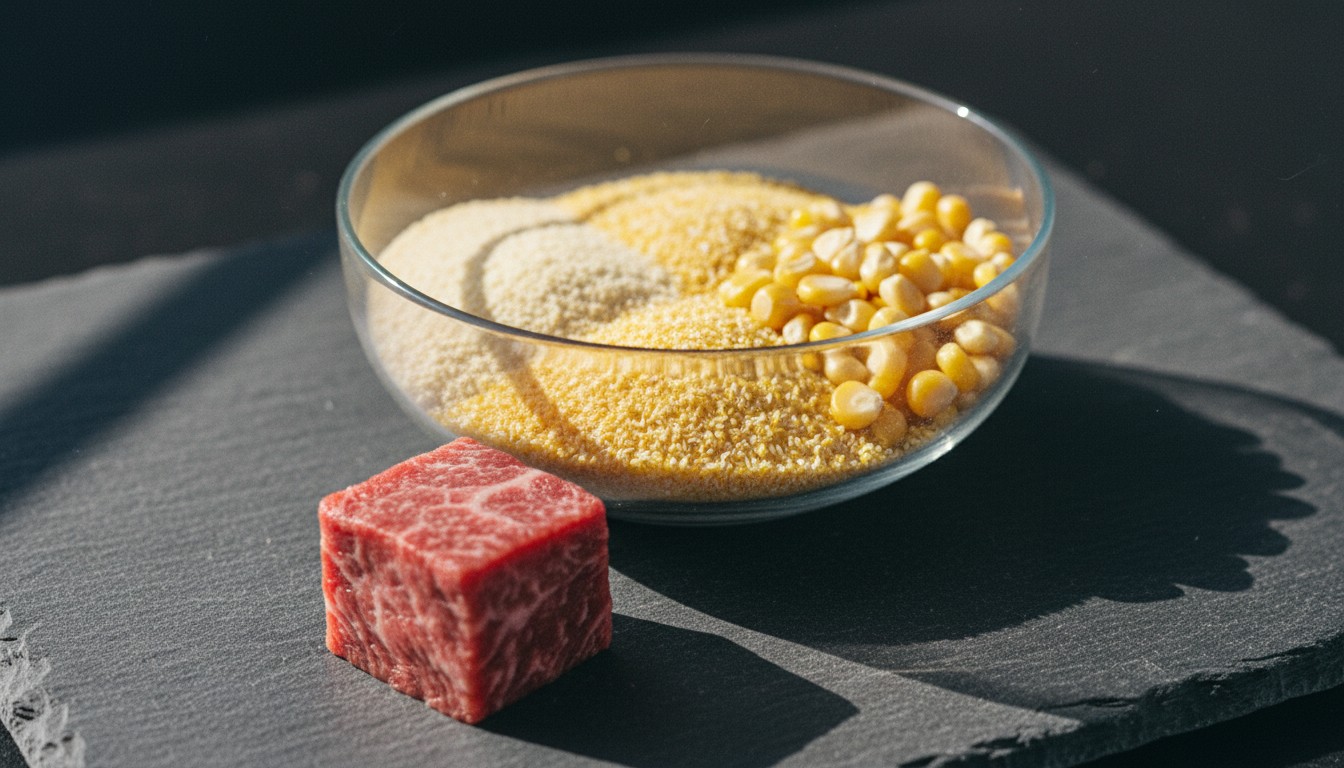
Ingredient splitting is the practice of taking a single, lower-quality ingredient and dividing it into several distinct descriptions. For example, instead of listing "corn" as 40% of the formula—which would clearly place it as the number one ingredient—a brand might list corn gluten meal, corn flour, and ground yellow corn separately. Because these are now three distinct entries, they each weigh less than the "chicken" or "lamb" sitting at the top.
This tactic isn't limited to grains; it is increasingly common in grain-free foods as well. You might see peas, pea protein, and pea fibre listed in succession. By splitting the pea component into three parts, the manufacturer ensures that the meat remains the headline-stealer. For the average pet owner in Toronto or Calgary, this makes it incredibly difficult to determine if they are paying a premium price for what is essentially a bag of legumes or cereal by-products.
The Recombination Strategy: Doing the Mental Math
To see the truth behind the marketing, you must learn the art of "recombination." When you examine a label, look for groups of similar plant-based products appearing in the top ten ingredients. If you see multiple iterations of the same base food—such as brewer's rice, rice bran, and rice flour—you are looking at a classic split. If you were to add those percentages back together, that grain would almost certainly be the true primary ingredient.
This mental math is a crucial skill for Canadians looking to get the best value for their CAD ($). As the cost of living and pet supplies continues to rise at Shoppers Drug Mart and other retailers, ensuring you aren't overpaying for fillers is vital. A high-quality food should ideally feature meat and named meat meals (like chicken meal) within the first few spots, as these meals are already rendered and contain more concentrated protein than "wet" deboned meats.

Navigating the Canadian Regulatory Landscape
While many Canadians look to AAFCO (Association of American Feed Control Officials) guidelines, pet food labelling in Canada is technically overseen by the Competition Bureau under the Consumer Packaging and Labelling Act. The Canadian Food Inspection Agency (CFIA) ensures that imports meet safety standards, but the specific nuance of ingredient marketing is less strictly policed here than in some other regions. This lack of a single, rigid enforcement body for nutritional claims means that Canadian pet owners must be even more vigilant.
In Canada, terms like "with chicken" or "chicken flavour" have very specific legal meanings regarding the percentage of chicken required in the food. However, the "order of ingredients" rule is a broad one. It requires ingredients to be listed in descending order by weight, but it does not prevent the splitting of those weights into different sub-types. This is why the 'Meat First' myth persists—it is a legal way to present the facts while highlighting the most attractive ingredient to the consumer.

Beyond the Label: Bioavailability and Sourcing
A truly high-quality pet food is about more than just the order of ingredients; it's about bioavailability. This refers to how much of the nutrient is actually absorbed by your pet's body rather than passing through as waste. During the harsh Canadian winters, your pet's body works harder to maintain its core temperature, meaning the quality of protein and fats becomes even more critical. High-quality animal proteins are generally more bioavailable than plant proteins like corn gluten or pea protein.
When shopping, look for brands that provide transparency about their sourcing. Canadian-made brands often highlight locally sourced ingredients from the prairies or the Atlantic coast. If a brand is transparent enough to avoid splitting and uses high-quality, named animal fats and proteins, it’s a strong indicator of a superior product. Avoid generic terms like "animal fat" or "meat meal," as these can be a mix of various sources that are less nutritionally consistent.
Troubleshooting: When the Label is Vague
If you find yourself staring at a label that seems intentionally vague, it is usually a sign to look for another brand. Signs of a low-quality food often manifest in your pet's physical condition. If your dog or cat has a dull coat, low energy levels, or frequent digestive issues, the "meat first" food you're buying might be hiding a high volume of fillers through splitting. In some cases, a high-carbohydrate diet can lead to weight gain, which is a concern for less active indoor pets during the winter months.
If you are unsure about a specific brand, don't hesitate to reach out to the manufacturer and ask for the "typical analysis" or the percentage of protein derived from animal sources versus plants. Most reputable companies will provide this information. If they are evasive, it is a red flag. Always transition to new foods slowly over 7-10 days to avoid upsetting your pet's digestive system, especially when moving to a more nutrient-dense, meat-heavy formula.
FAQ
What exactly is ingredient splitting in pet food?
Ingredient splitting is a marketing tactic where a single, low-cost ingredient is divided into several smaller components on the label. This allows a protein source to appear at the top of the list, even if the total amount of the split ingredient (like corn or peas) is much larger by weight.
Is ingredient splitting illegal in Canada?
No, it is not illegal under current Canadian Food Inspection Agency (CFIA) guidelines or the Consumer Packaging and Labelling Act. As long as each sub-ingredient is accurately named and listed in order of weight, it is considered a legal way to describe the product's contents.
How can I tell if meat is actually the main ingredient?
Look for a named meat 'meal' (like chicken meal) in the top three ingredients. Unlike whole meat, meals are already dried and rendered, meaning their weight on the label more accurately reflects the actual protein content of the finished kibble.
Conclusion
Deciphering the 'Meat First' myth requires a bit of detective work, but it is one of the most important skills a pet owner can develop. By understanding how ingredient splitting works and learning to recombine fragmented fillers, you can see past the clever marketing that dominates pet store shelves in Canada. Your pet's health is directly linked to the biological value of their food, especially when navigating the energy demands of our unique climate. Always remember that the best diet is one that is transparent, bioavailable, and suited to your pet's specific life stage and activity level. If you notice persistent health issues or are confused by a particular brand's labelling, consult with a veterinarian or a certified animal nutritionist to ensure your furry friend is getting the nutrients they deserve.
References & Sources
This article was researched using the following sources:


